

Products

-
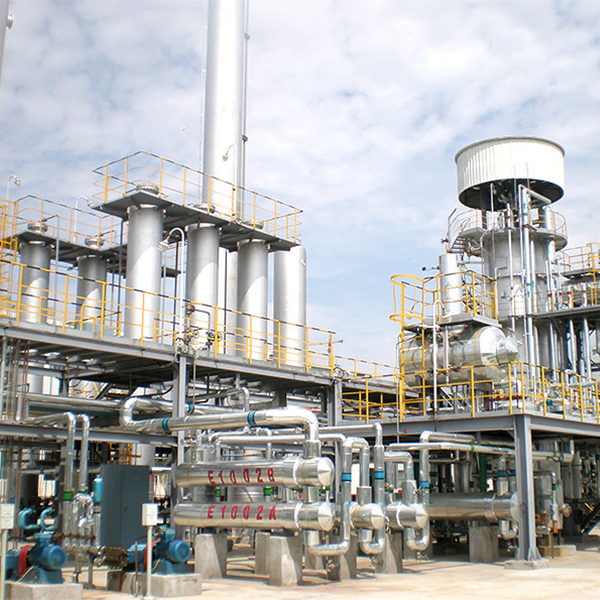
Hydrogen production by conversion of light hydrocarbons with steam
-
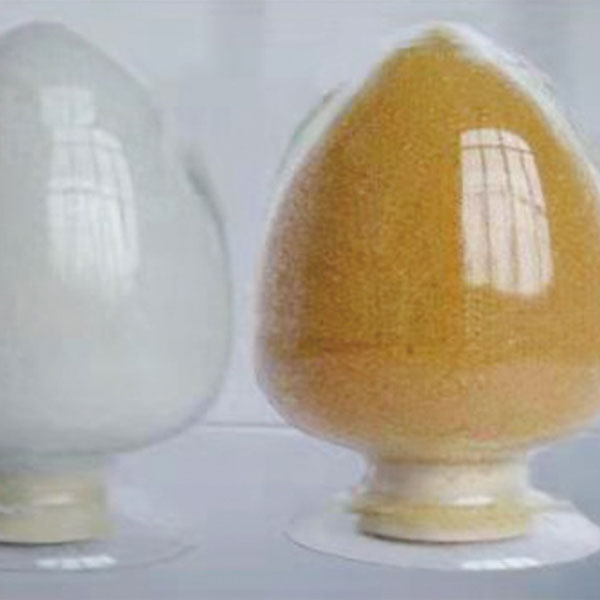
Unit desalting and demineralization equipment and special resin
-
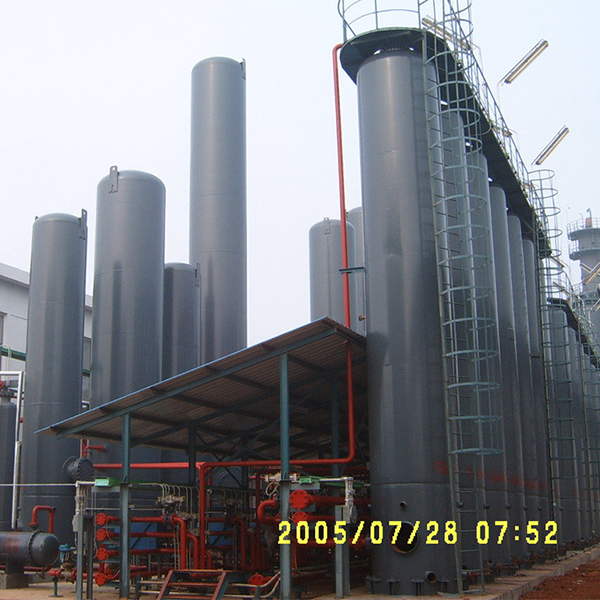
CO removal by pressure swing adsorption
-
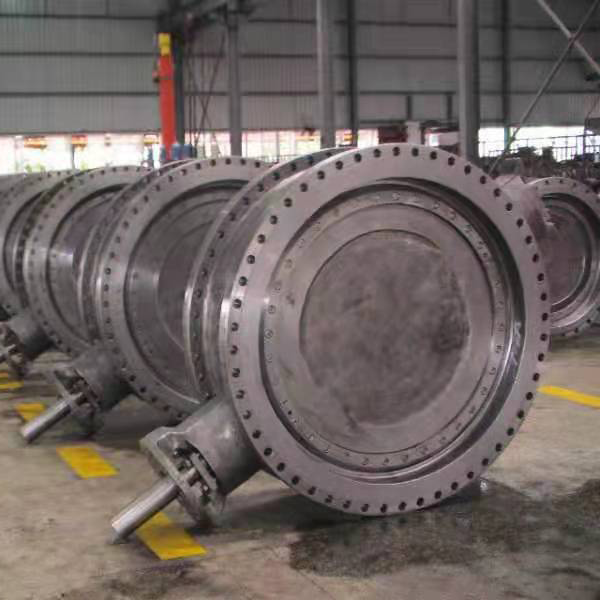
Valve
-
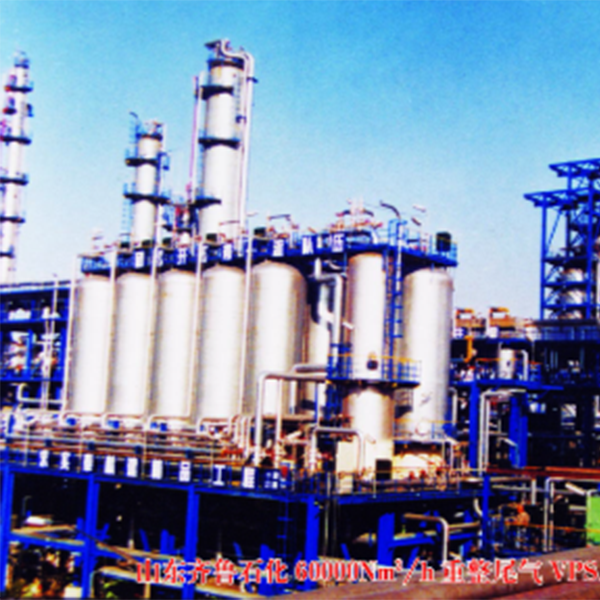
Hydrogen purification technology by pressure swing adsorption
-
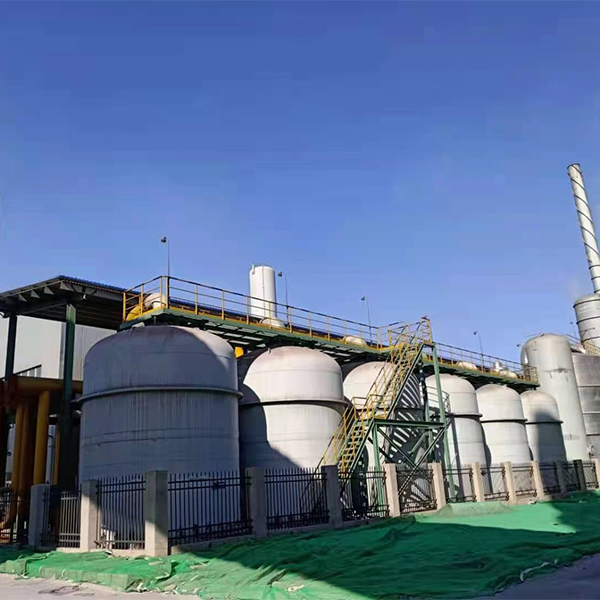
Oxygen purification and utilization
-
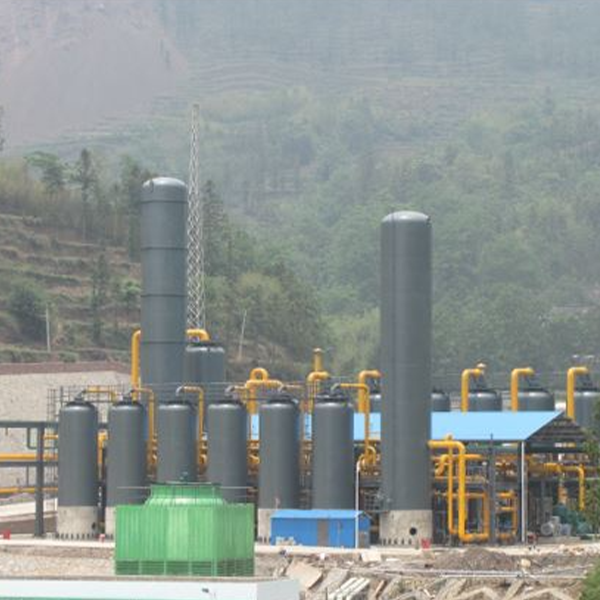
Methane extraction technology - biogas
-
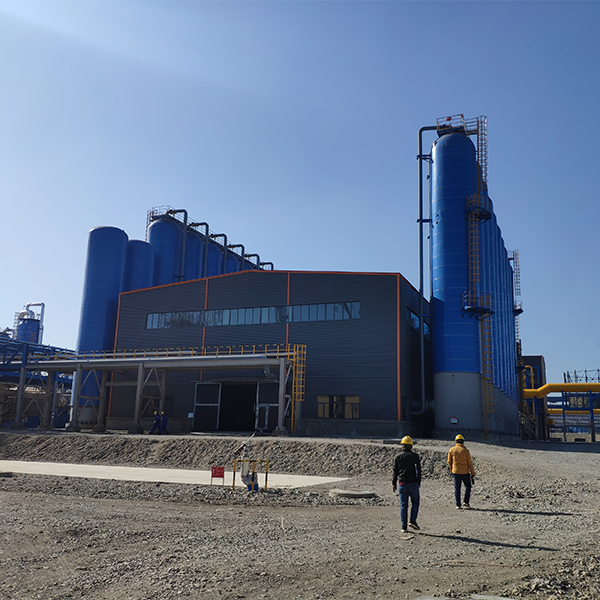
Hydrogen production by coal gasification
-
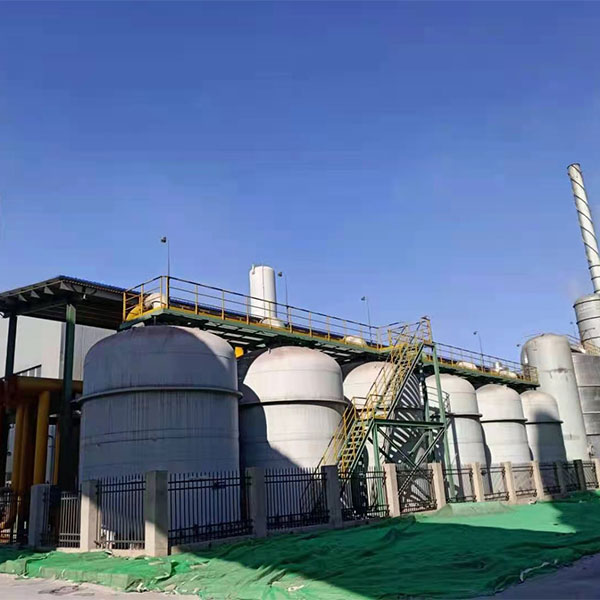
CO2 removal by pressure swing adsorption
-
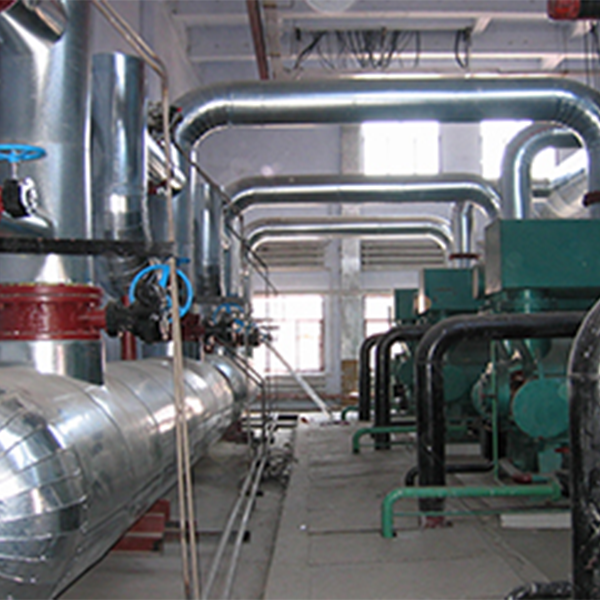
Oxygen production by pressure swing adsorption
-
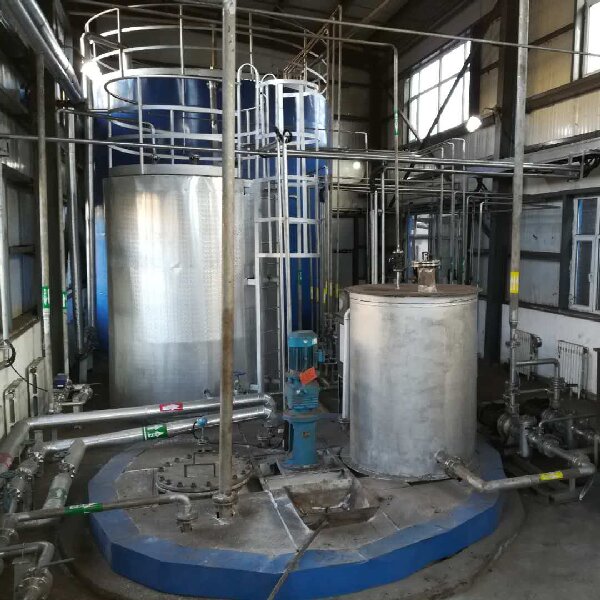
Flue gas denitrification SCR、SNC
-
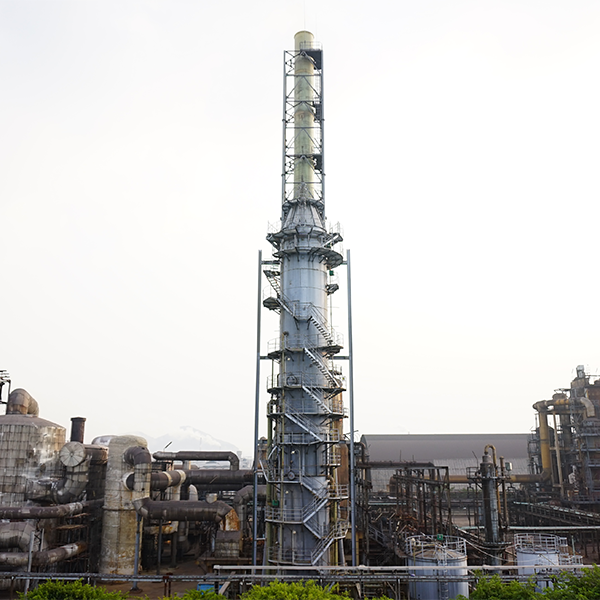
Flue gas desulfurization technology using ammonia
-
Ionic liquid desulfurization technology
-
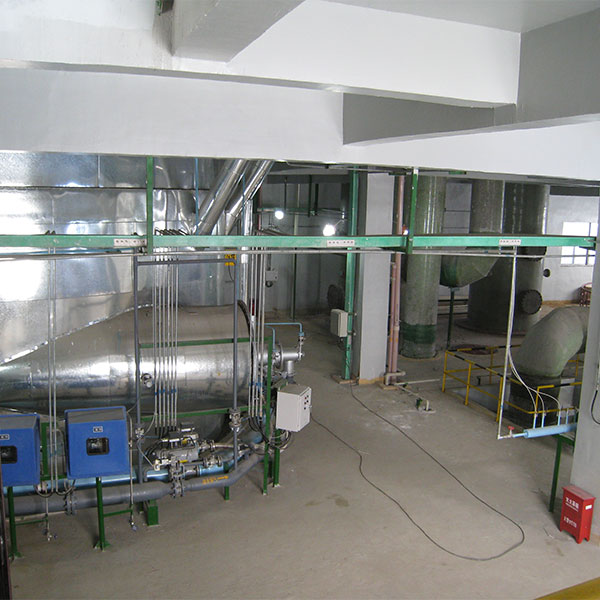
Special acid regeneration equipment
-
Coke gas purification technology
-
Technology of desulfurization and CO2 removal using NHD method
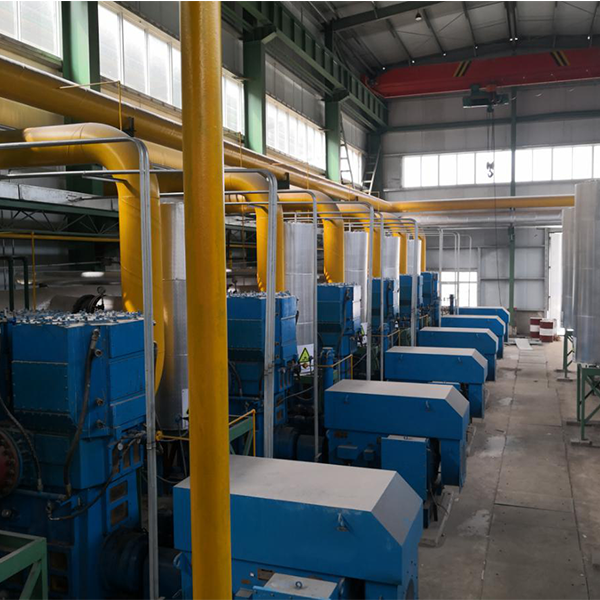
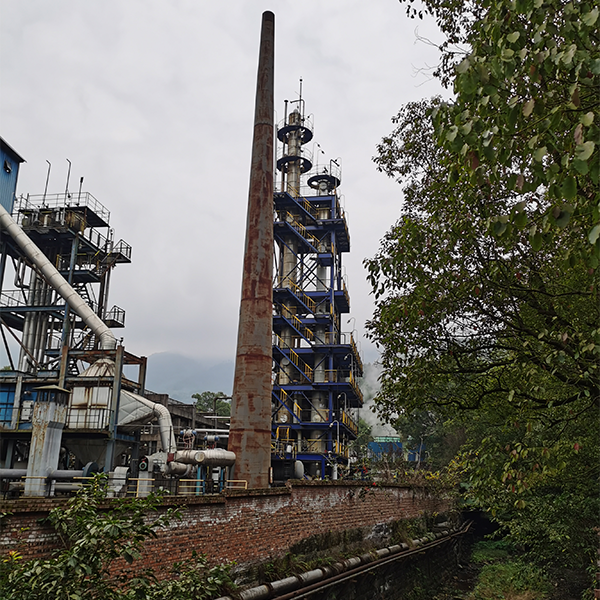
MEA-MDEA-NHD Desulfurization Technology
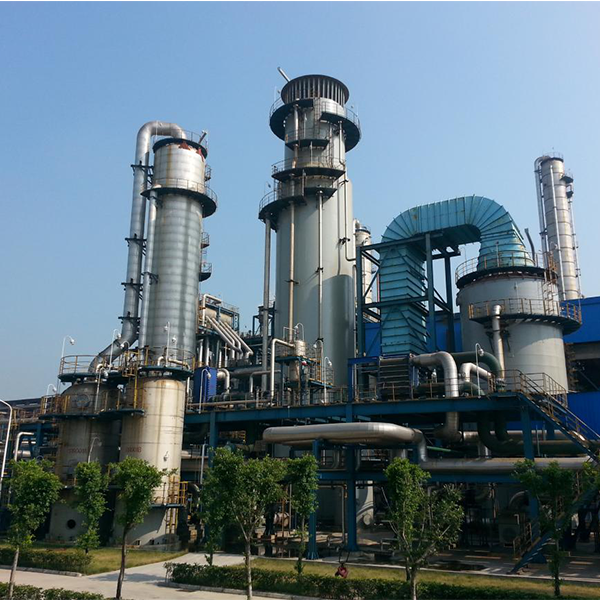
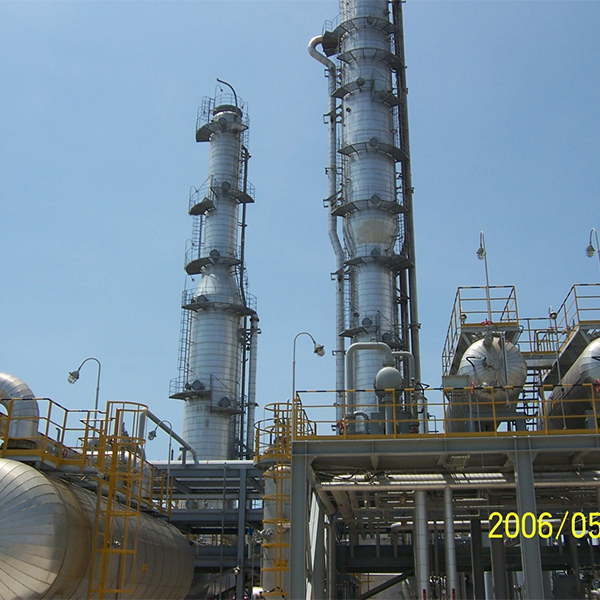
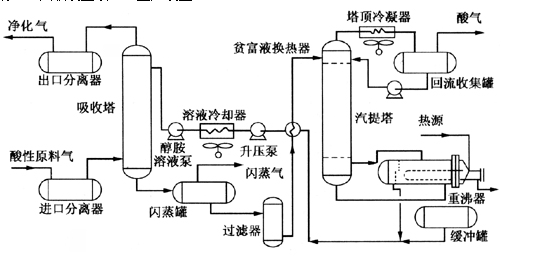
A typical amine desulfurization and decarbonization process consists of four parts: absorption, flash evaporation, heat exchange and regeneration (stripping).
Description
marker
use:
MEA-MDEA-NHD Desulfurization Technology
Brief description of the technology
A typical amine desulfurization and decarbonization process consists of four parts: absorption, flash evaporation, heat exchange and regeneration (stripping). Among them, absorption is the removal of the acid component from raw gas to a specified value or requirement; flash part is the removal of part of the hydrocarbons absorbed in the saturated liquid (i.e., the solution after the absorption of the acid component) when the acid component is absorbed by flash evaporation; heat exchange is the recovery of heat from the lean liquid leaving the regeneration column; Regeneration is the desorption of the acid component absorbed in the rich liquid to become a lean liquid for recycling. Raw gas through the inlet separator to remove free liquids and transfer solid impurities to the bottom of the absorption tower, and at the top of the tower, countercurrent contact of alcohol and amine solution flows from top to bottom, absorbing acid components. From the top of the column, a wet purge gas containing saturated water exits through an outlet separator to remove solution droplets carried out of the apparatus. Typically, this wet purge gas is dehydrated before being used as sales gas or sent via pipeline or downstream to an NGL recovery unit or LNG production unit.
Brief description of the technology
A typical amine desulfurization and decarbonization process consists of four parts: absorption, flash evaporation, heat exchange and regeneration (stripping). Among them, absorption is the removal of the acid component from raw gas to a specified value or requirement; flash part is the removal of part of the hydrocarbons absorbed in the saturated liquid (i.e., the solution after the absorption of the acid component) when the acid component is absorbed by flash evaporation; heat exchange is the recovery of heat from the lean liquid leaving the regeneration column; Regeneration is the desorption of the acid component absorbed in the rich liquid to become a lean liquid for recycling. Raw gas through the inlet separator to remove free liquids and transfer solid impurities to the bottom of the absorption tower, and at the top of the tower, countercurrent contact of alcohol and amine solution flows from top to bottom, absorbing acid components. From the top of the column, a wet purge gas containing saturated water exits through an outlet separator to remove solution droplets carried out of the apparatus. Typically, this wet purge gas is dehydrated before being used as sales gas or sent via pipeline or downstream to an NGL recovery unit or LNG production unit.
contact us
Related Popular Products
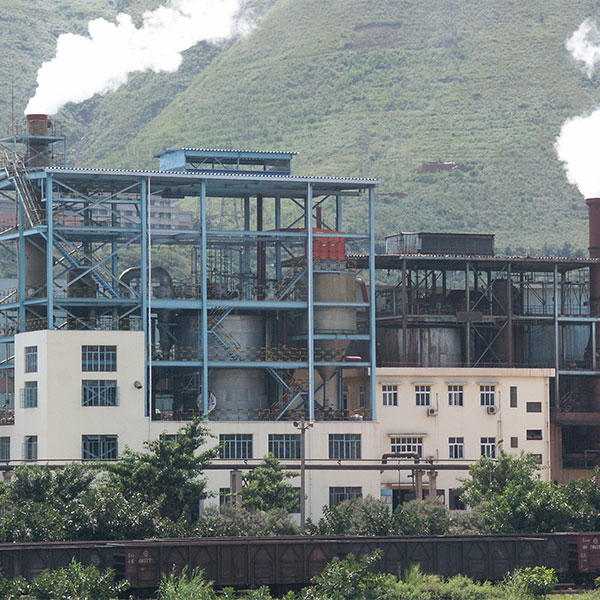
Waste acid regeneration
Our company provides waste acid regeneration technology and acts as a general contractor for the supply of complete plants, as well as related services for maintenance, technical reconstruction, sale of spare parts, etc.
Hydrogen purification technology by pressure swing adsorption
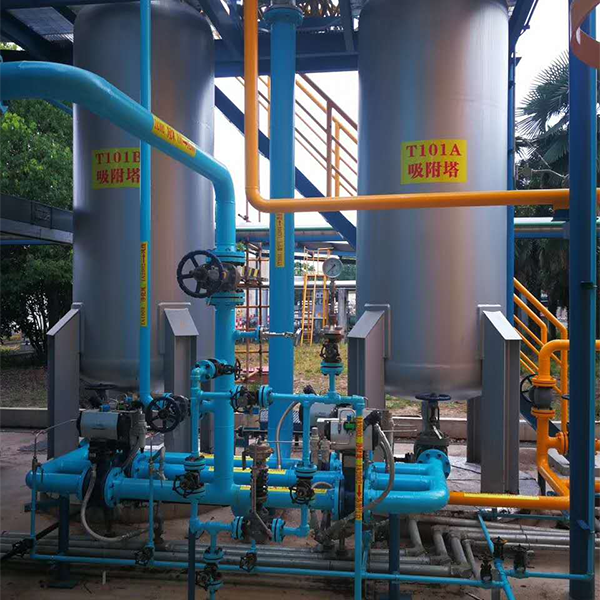
The Pressure Swing Adsorption Nitrogen Generator (abbreviated as PSA Nitrogen Generator) is a nitrogen generator designed and manufactured on the principle of gas separation with PSA technology. Usually two adsorbers are used, the automatic control system strictly controls the time sequence according to a certain programmable program, alternately carries out pressure adsorption and pressure reduction regeneration to carry out the separation of nitrogen and oxygen and obtain nitrogen of the required purity.
Nitrogen production by pressure swing adsorption
The Pressure Swing Adsorption Nitrogen Generator (abbreviated as PSA Nitrogen Generator) is a nitrogen generator designed and manufactured on the principle of gas separation with PSA technology. Usually two adsorbers are used, the automatic control system strictly controls the time sequence according to a certain programmable program, alternately carries out pressure adsorption and pressure reduction regeneration to carry out the separation of nitrogen and oxygen and obtain nitrogen of the required purity.
Hydrogen production from coke oven gases
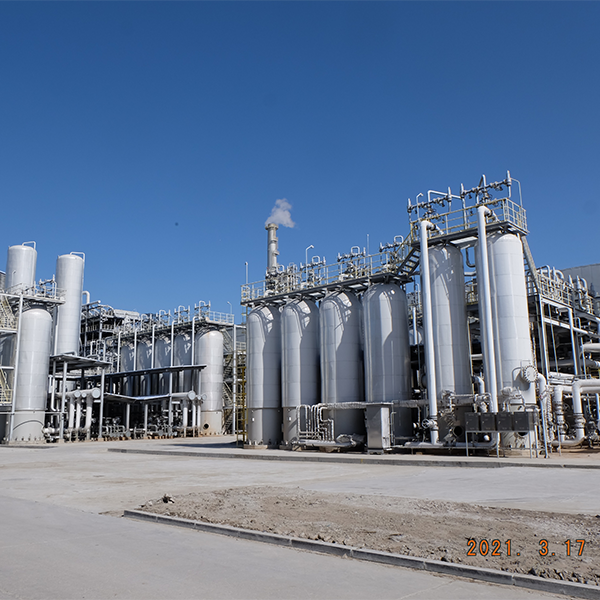
Coke oven gas has the characteristics of large gas volume, low pressure, complex impurity content and low hydrogen content. In addition to being used to generate electricity, hydrogen can be recovered for use in chemical plants such as coal tar hydrogenation plants, glycol plants and synthetic ammonia plants. High purity hydrogen gas is obtained from coke oven gas through compression, purification, conversion, PSA, etc. units. Through process integration, it is also possible to simultaneously produce CO, hydrogen and LNG products.
Oxygen production by pressure swing adsorption
Since 1994, our company began to work on the development and application of oxygen production technology using the air separation method PSA (VPSA-O2), and in May 1995, we industrialized and built an oxygen production plant using the PSA method. The oxygen plant built by the company has excellent performance, low production costs, and no environmental pollution. The company is a manufacturer of patented technologies, as well as the production of proprietary LIX lithium oxygen adsorbent and large bore control valve.
Hydrogen production by splitting methanol
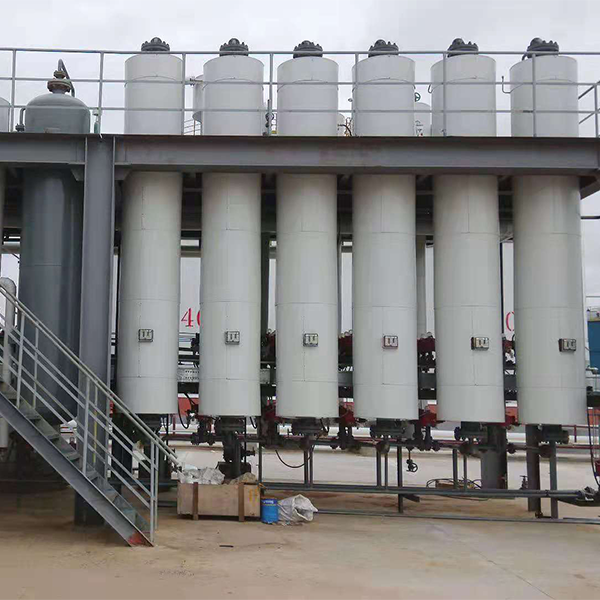
This process is based on the convenient source of methanol and desalting water as raw materials, at a temperature of 220-280°C, a special catalyst is catalyzed into converted gas containing hydrogen and carbon dioxide, the principle of which is as follows: Main reaction: CH3OH=CO+2H2 +90.7 kJ/mol CO+H2O=CO2+H2 -41.2 kJ/mol General reaction: CH3OH+H2O=CO2+3H2 +49.5 kJ/mol Auxiliary reaction: 2CH3OH=CH3OCH3+H2O -24.9 kJ/mol CO+3H2=CH4+H2O -+206.3 kJ/mol
Special acid regeneration equipment
Acid regeneration technical services: providing acid regeneration technical services, upgrading the acid regeneration plant to achieve the indicators (more than 10 sets have been built, HCl and dust not more than 15 mg/Nm3)
Liquefaction of natural gas
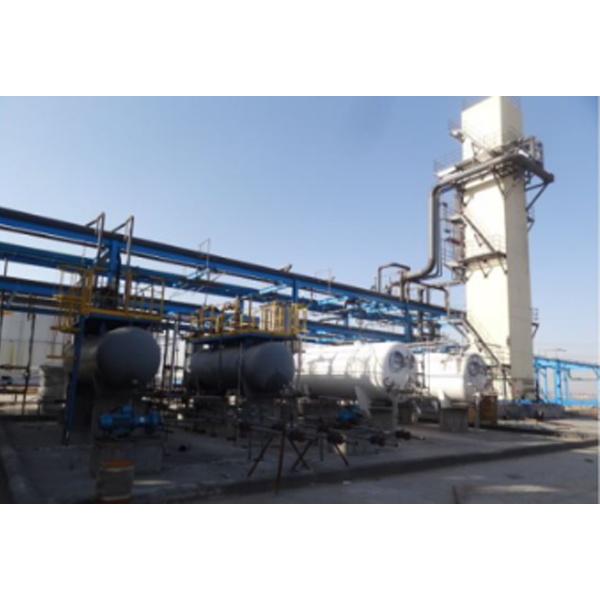
The production of LNG from natural gas first involves the absorption of CO2, H2S and other acidic components of natural gas with an MDEA solution. The unabsorbed purified gas is dried after separating the liquid, then enters the cold box to produce LNG.
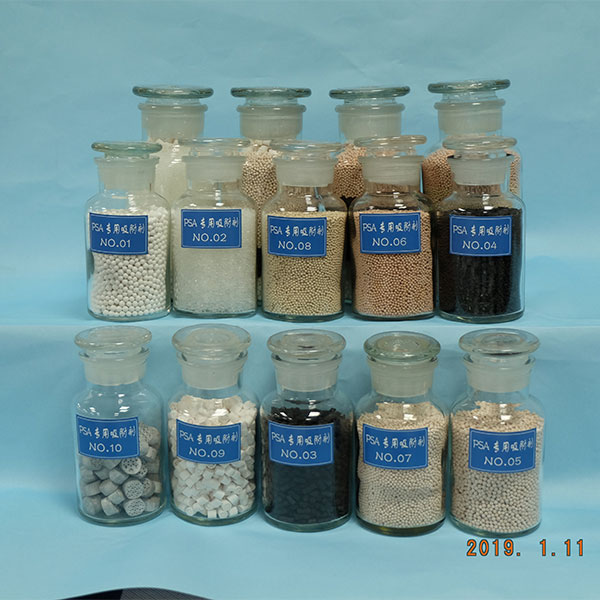
absorbent
An adsorbent is a solid substance that can effectively adsorb certain components from gases or liquids. Adsorbents usually have the following characteristics: large specific surface area, suitable pore structure and surface structure
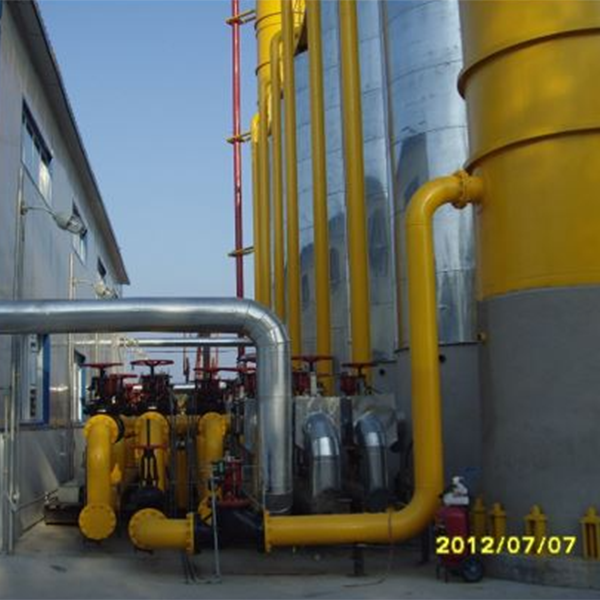
Vinyl chloride recycling technology
After liquid separation in the vinyl chloride tail gas separator, a large amount of vinyl chloride and acetylene still remained, and the vinyl chloride and acetylene were concentrated for disposal by adsorption, which had high economic value. Installation scale: 100~10000nm³/h.
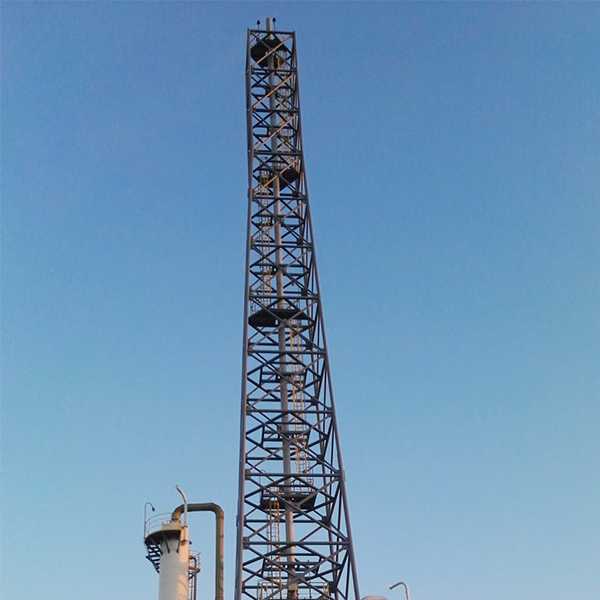
Technology of desulfurization and CO2 removal using NHD method
Gas decarbonization technology using polyethylene glycol dimethyl ether as the absorption solution, known abroad as Seleoxl technology, known as NHD technology in China; this technology is included in the National Catalog of Clean Manufacturing Technologies in Key Industries by the State Economic and Trade Commission. This technology is a physical technology for CO2 removal, regeneration is carried out using air or nitrogen, so this process does not require the consumption of steam.
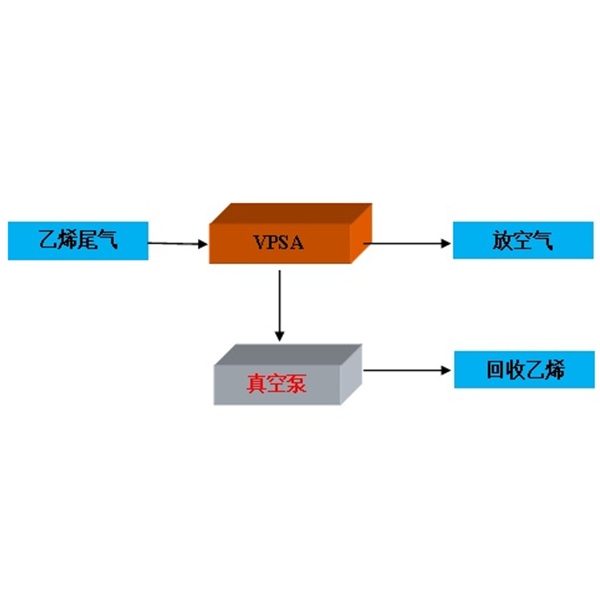
Ethylene tail gas recovery
In recent years, with the increase in people's awareness of environmental protection, the improvement of environmental requirements for petrochemical plants in China and around the world, and the recovery and reuse of waste to reduce production costs, considering the higher economic efficiency for enterprises, the exhaust gas recovery technology of ethylene and acrylic plants has great social and economic benefits.
Flue gas desulfurization technology using ammonia
A by-product of desulfurization using the ammonia method is ammonium sulfate fertilizer; from 1 ton of ammonia you can get 4 tons of by-product ammonium sulfate, and its profitability depends on the prices of ammonium sulfate and ammonia.
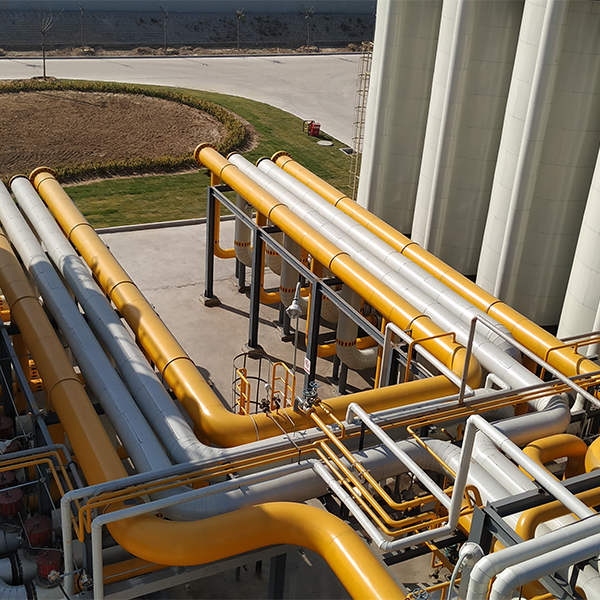
Coke gas purification technology
After recycling in the chemical industry, coke oven gas retains impurities of sulfur, tar, naphthalene and benzene. When producing electricity from coke oven gas and CCPP, compressing coke oven gas, heating coke oven gas, cutting coke oven gas and producing chemical products from coke oven gas, production problems arise, such as clogging of nozzles, corrosion, excess SO2 emissions after combustion, carbon deposits and poisoning of catalysts, so deep purification of coke oven gas from harmful impurities is necessary.
Hydrogen production by coal gasification
Producing technical hydrogen from coal is a good option for large-scale hydrogen production or in the absence of other suitable raw materials. From raw coal, high purity hydrogen is produced through gasification, conversion, purification, PSA, etc. units.
Flue gas denitrification SCR、SNC
Technology Description Technology Description There are two main denitration methods (1) Selective Catalytic Reduction (SCR) technology and (2) Selective Non-Capital Reduction (SNCR) technology.