

Products

-
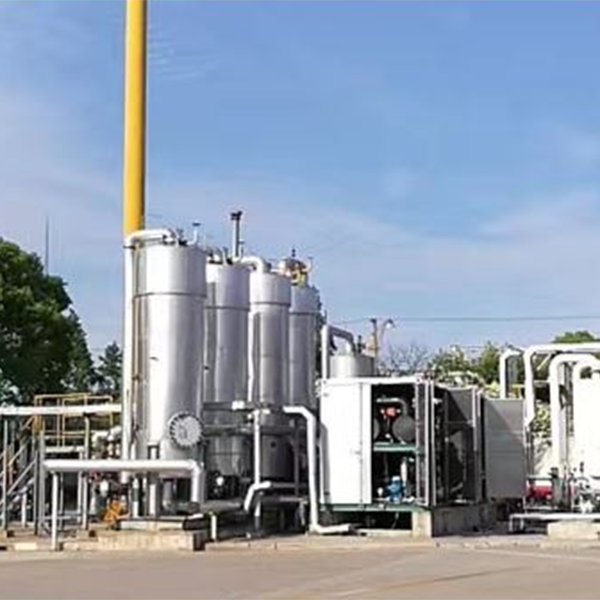
VOC tail gas disposal
-
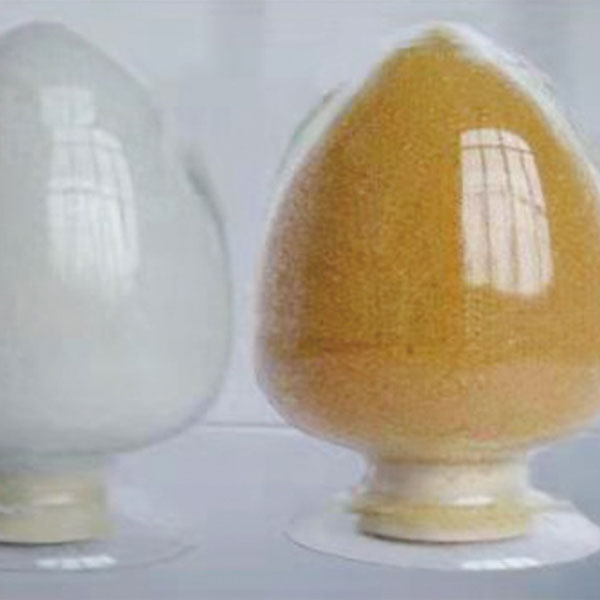
Unit desalting and demineralization equipment and special resin
-
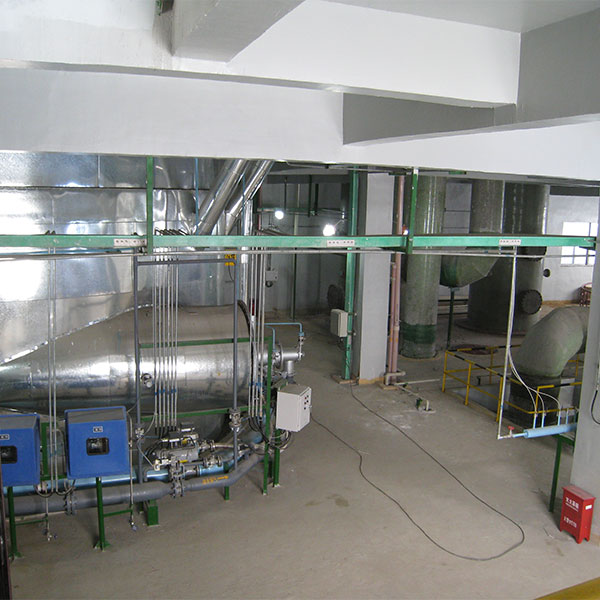
Special acid regeneration equipment
-
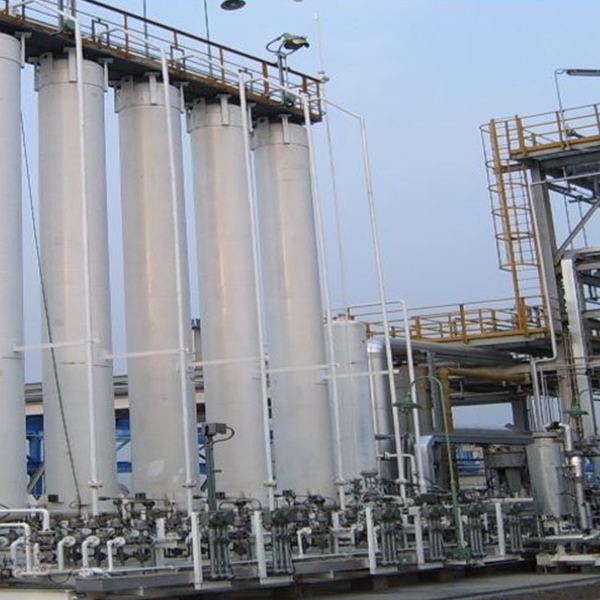
Argon purification
-

Battery material precursor production technology
-
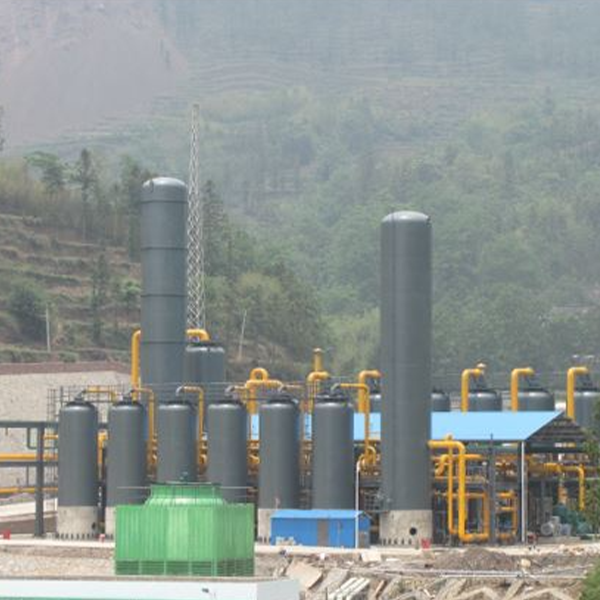
Methane extraction technology - biogas
-
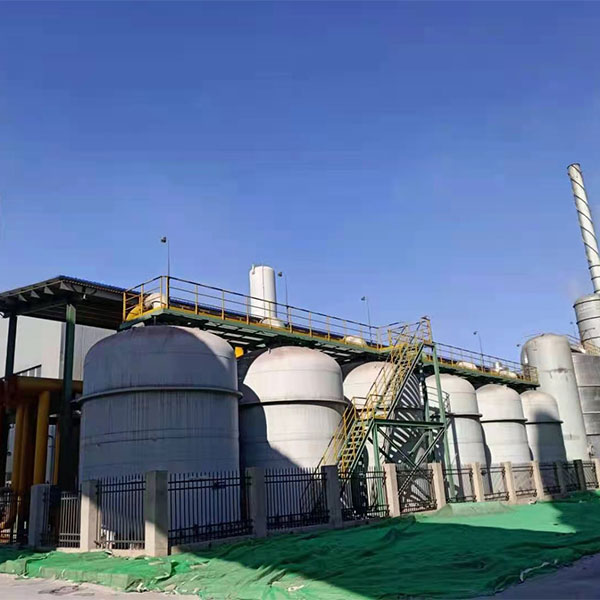
CO2 removal by pressure swing adsorption
-
Flue gas CO2 recovery technology
-
Hydrogen production by splitting methanol
-
Ionic liquid desulfurizer
-
Wet CO2 removal technology
-
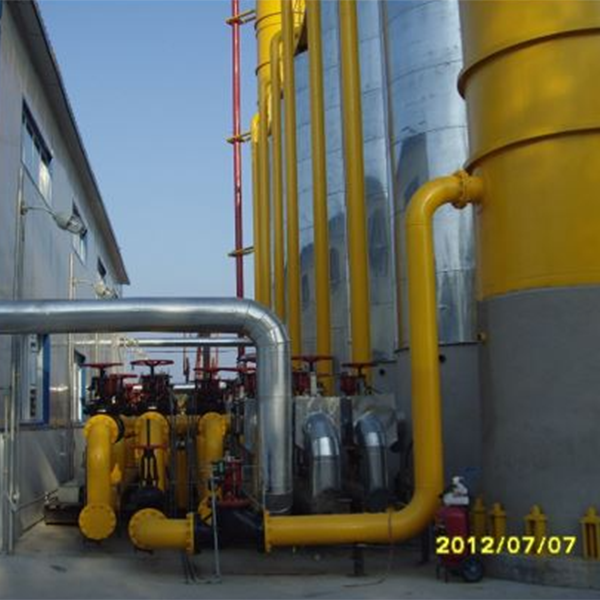
Vinyl chloride recycling technology
-
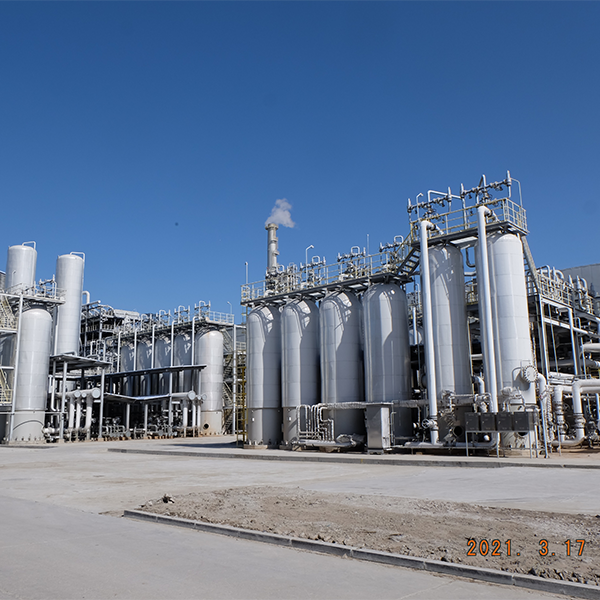
Hydrogen production from coke oven gases
-
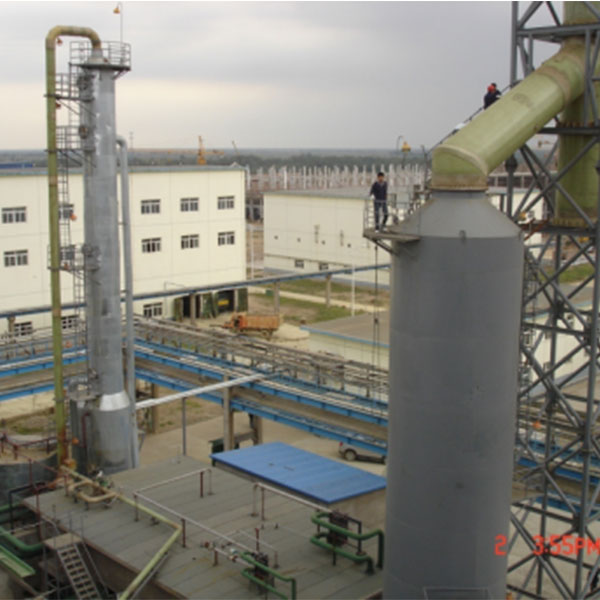
Ionic liquid desulfurization technology
-
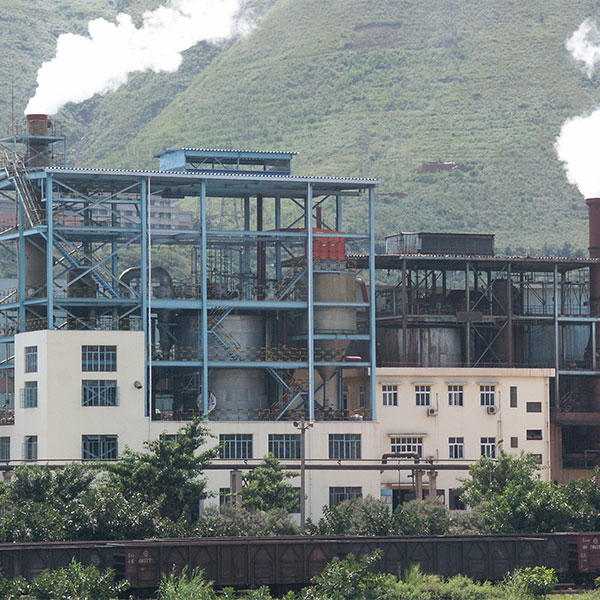
Waste acid regeneration
-
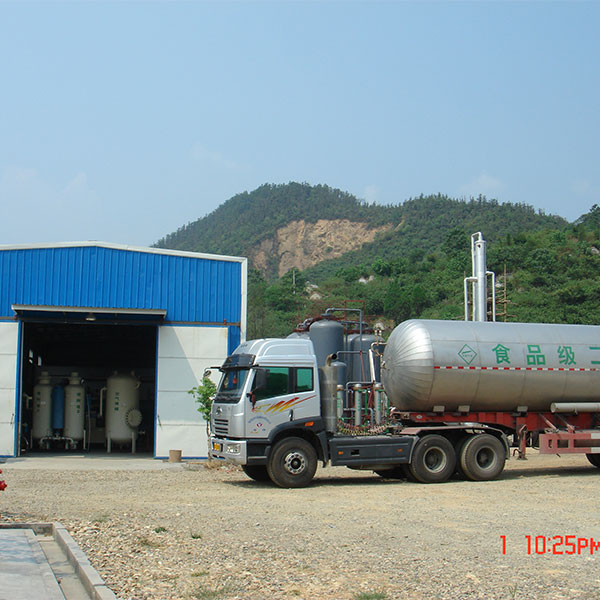
Food grade CO2 purified
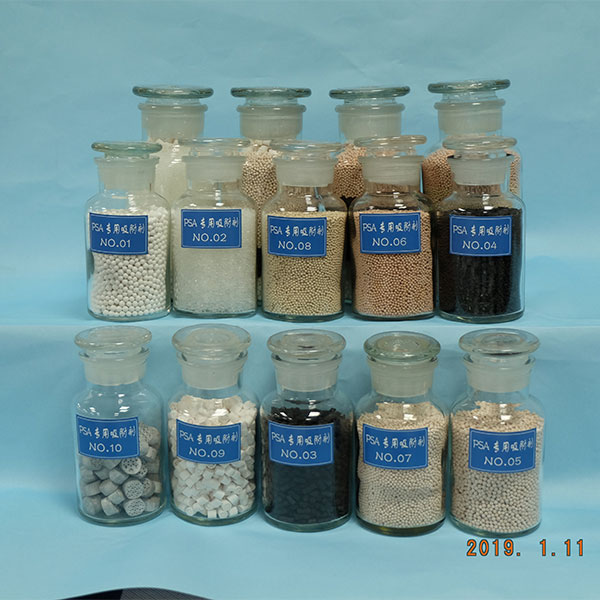
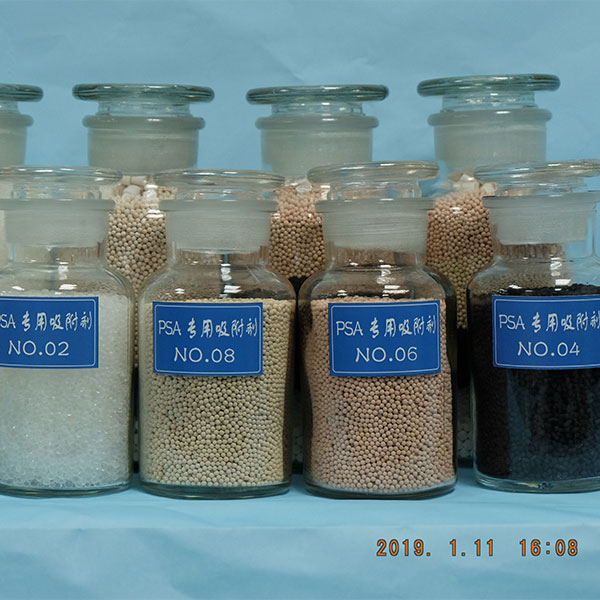
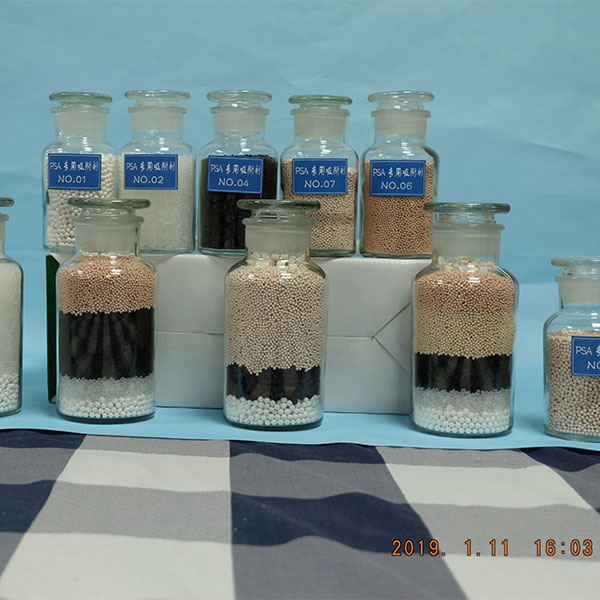
absorbent
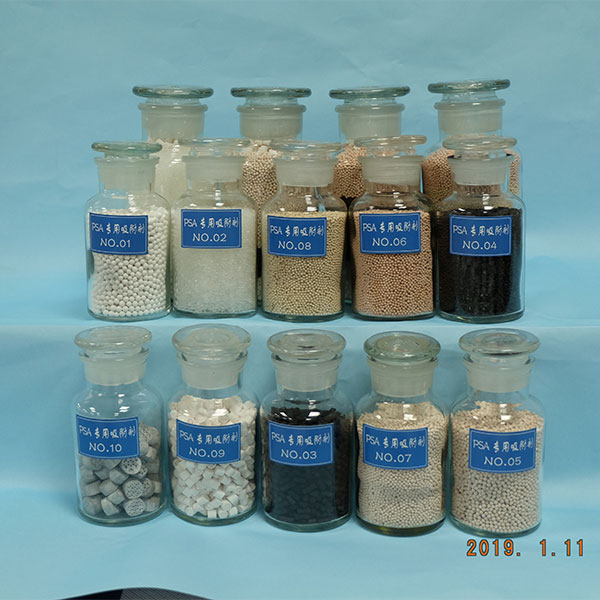
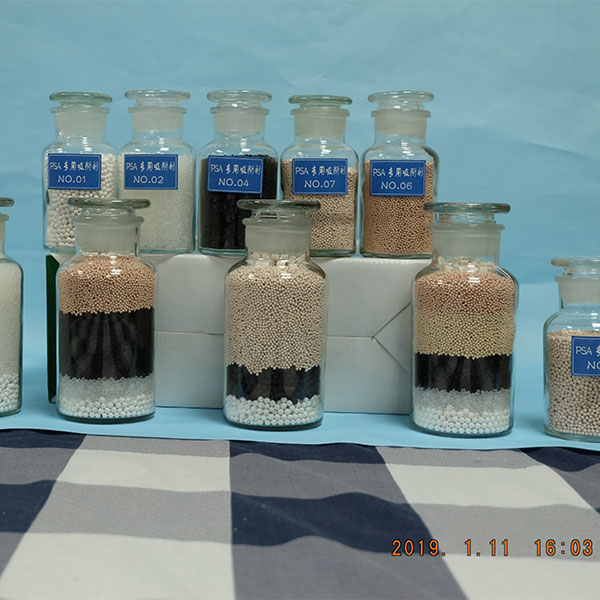
An adsorbent is a solid substance that can effectively adsorb certain components from gases or liquids. Adsorbents usually have the following characteristics: large specific surface area, suitable pore structure and surface structure
Description
marker
use:
absorbent
An adsorbent is a solid substance that can effectively adsorb certain components from gases or liquids. The adsorbent usually has the following characteristics: large specific surface area, suitable pore structure and surface structure; the adsorbent has strong adsorption ability; usually does not adsorb and is not a chemical reaction medium; ease of manufacture, easy to regenerate; has good mechanical strength and so on. Adsorbents can be classified according to pore size, particle shape, chemical composition, surface polarity, etc., for example, large and fine porous adsorbents, powder, granular, tape adsorbents, carbonaceous and oxidative adsorbents, polar and non-polar adsorbents.
Various activated carbons from carbonaceous materials, as well as metallic and non-metallic oxide adsorbents (such as silica gel, alumina, molecular sieve, natural clay, etc.) are usually used as adsorbents.
The main indicators of the adsorbent are: adsorption capacity for various gases and impurities, abrasion rate, bulk density, specific surface area, crushing strength, etc. They are used for filtering toxic gases, refining petroleum and vegetable oils from viruses and mold, regenerating gasoline from natural gas, decolorizing sugar and other non-ferrous substances.
Adsorbents such as silica gel, activated alumina, activated carbon, molecular sieves, etc. are widely used in industry; in addition, selective adsorption has been developed for a specific component of the adsorbent material. The success of gas adsorption and separation largely depends on the efficiency of the adsorbent, so the choice of adsorbent is an important issue in determining the adsorption operation.
contact us
Related Popular Products
Ionic liquid desulfurization technology
Ionic liquid house gas desulphurization technology is mainly designed to treat and utilize sulfur dioxide in flue gas and other industrial waste gases. The most important feature of the technology is that, simultaneously with the removal of sulfur dioxide from the flue gas, high-purity sulfur dioxide (>99.5%) is produced by-product and sulfur pollutants are recycled. High-purity sulfur dioxide can serve as an excellent raw material for the production of liquid sulfur dioxide, sulfuric acid, sulfur and other chemical products.
Wet CO2 removal technology
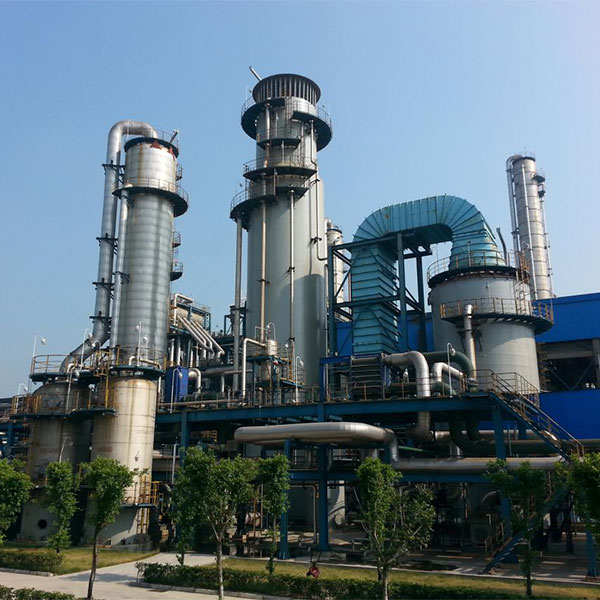
Wet method decarbonization technology is a low energy consumption technology that is widely used to remove CO2 and H2S from synthetic ammonia, methanol feed gas, refinery gas, urban coal gas and natural gas.
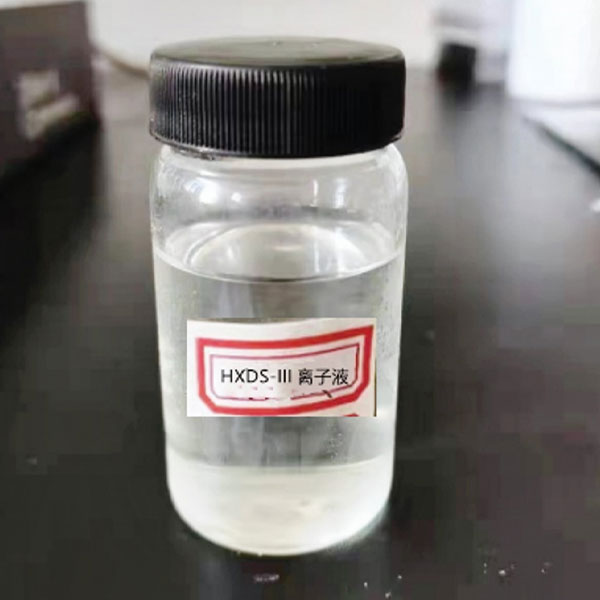
Ionic liquid desulfurizer
Ionic liquids are substances consisting of anions and cations that exist in a liquid state at or near room temperature. Unlike typical organic solvents, ionic liquids do not contain electrically neutral molecules; they are all composed of anions and cations.
Coal gas organic sulfur fine removal technology
Because blast furnace gas contains organic sulfur, H2S and other impurities, if blast furnace gas is used as fuel, the SO2 in the flue gas does not meet emission standards. There are two main measures to reduce emissions: blast furnace gas desulfurization or exhaust flue gas desulfurization.
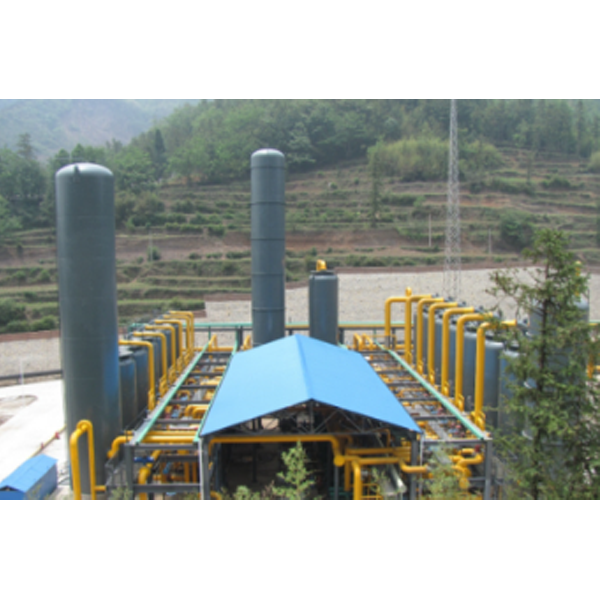
Methane extraction technology – coalbed methane
At present, both at home and abroad, the main method for separating oxygenated coalbed methane is membrane separation, oxygen removal method, pressure swing adsorption (PSA) method, direct liquefaction method. After comprehensive comparative study of other low-enrichment gas separation technologies, Huaxi, based on its own low-concentration gas development technology, with complete analysis of the properties of the source gas, adopted pressure swing adsorption technology to separate CH4 and N2/O2 under micro-pressure conditions. Gas with low concentration and methane content of 10 to 15% can be enriched up to 30% at a time for combustion and power generation, as well as secondary enrichment for natural gas production. Installation scale: 2000~30000nm³/h.
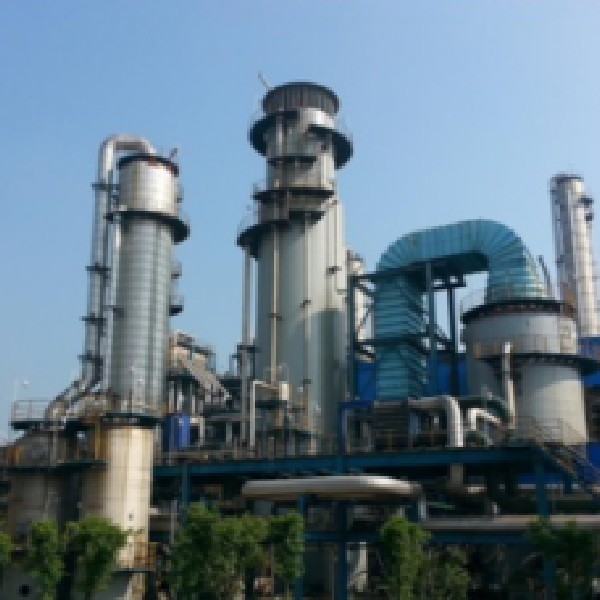
MPS decarbonization technology
This technology is used to extract the greenhouse gas CO2 from flue gases, and the recovered CO2 can be used to solve the carbon imbalance problem in methanol or urea using natural gas as a feedstock.
Flue gas CO2 recovery technology
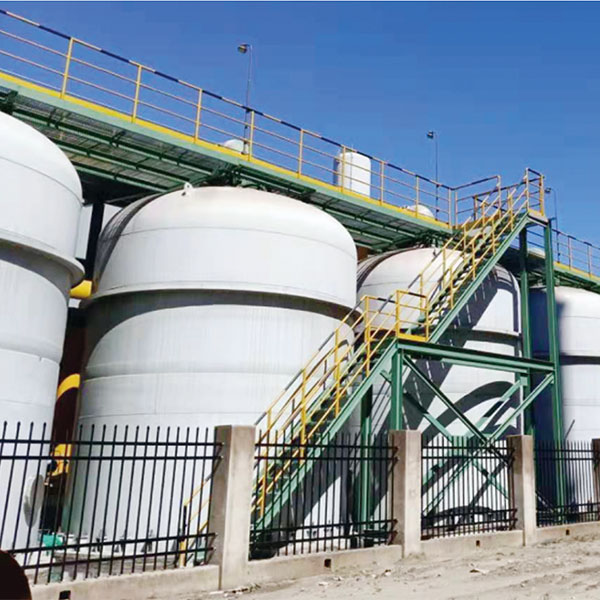
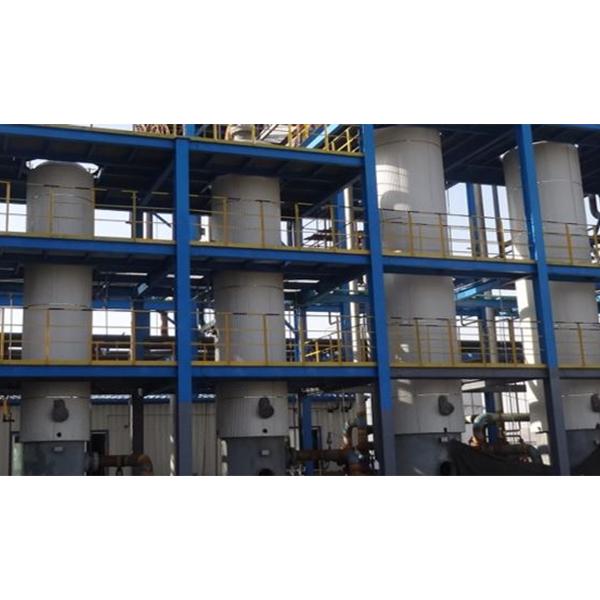
The flue gas from casing kilns (lime kilns) is characterized by low pressure, high temperature, dust, low CO2 content and the presence of impurities such as NOx and SO2. According to the characteristics of the feed gas and the product quality requirements, the technological process of flue gas CO2 recovery plant mainly includes: deep furnace gas purification, single-column VPSA enrichment, double-column VPSA enrichment, CO2 compression, CO2 purification, CO2 liquefaction and purification, CO2 evaporation, storage and supply system.
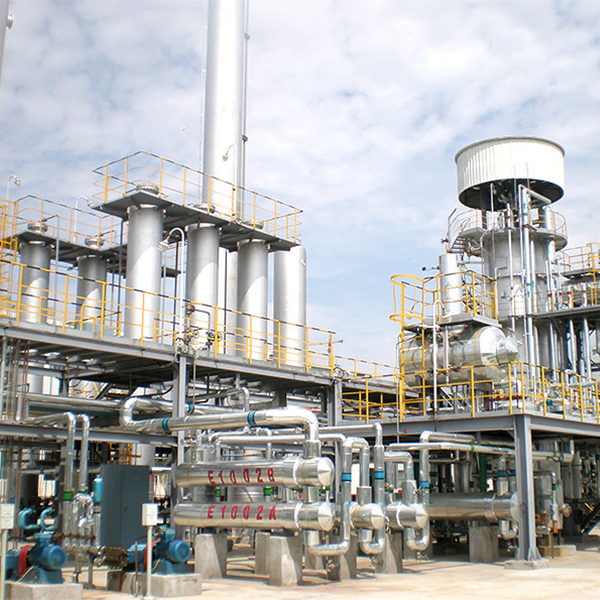
Hydrogen production by conversion of light hydrocarbons with steam
The production of hydrogen from natural gas consists of two parts: the conversion of gas vapor into converted gas and the purification of hydrogen using the PSA method. After compression and desulfurization, natural gas is mixed with water vapor. Under the action of nickel catalyst at a temperature of 750~850℃, natural gas is converted into converted gas consisting of hydrogen, carbon monoxide and carbon dioxide. The converted gas can be further converted into hydrogen and carbon dioxide by conversion technology, then the converted gas or reformed gas is purified and separated by PSA method to produce high purity hydrogen.
Methane extraction technology - biogas
PSA natural gas purification is a technology using adsorbent to separate gases such as methane, carbon dioxide and nitrogen in biogas to achieve the goal of methane enrichment. Biogas removes water through a liquid separation tank and then after desulphurization in a column enters PSA to produce natural gas product. Installation scale: 200~5000nm³/h.
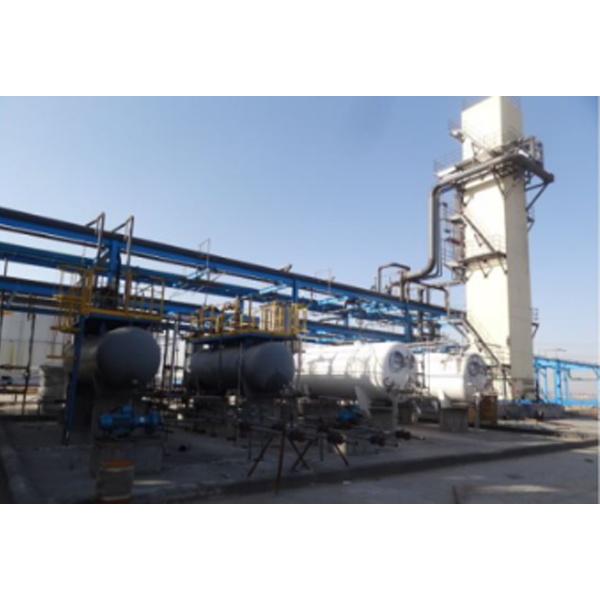
Liquefaction of natural gas
The production of LNG from natural gas first involves the absorption of CO2, H2S and other acidic components of natural gas with an MDEA solution. The unabsorbed purified gas is dried after separating the liquid, then enters the cold box to produce LNG.
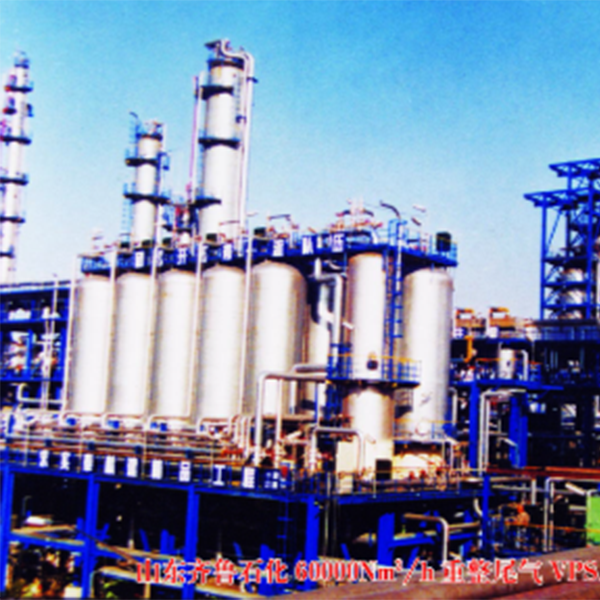
Hydrogen purification technology by pressure swing adsorption
The Pressure Swing Adsorption Nitrogen Generator (abbreviated as PSA Nitrogen Generator) is a nitrogen generator designed and manufactured on the principle of gas separation with PSA technology. Usually two adsorbers are used, the automatic control system strictly controls the time sequence according to a certain programmable program, alternately carries out pressure adsorption and pressure reduction regeneration to carry out the separation of nitrogen and oxygen and obtain nitrogen of the required purity.
Special acid regeneration equipment
Acid regeneration technical services: providing acid regeneration technical services, upgrading the acid regeneration plant to achieve the indicators (more than 10 sets have been built, HCl and dust not more than 15 mg/Nm3)
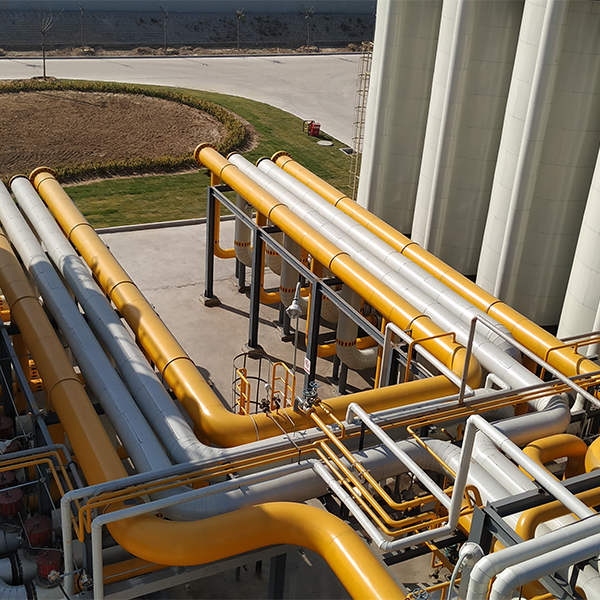
Coke gas purification technology
After recycling in the chemical industry, coke oven gas retains impurities of sulfur, tar, naphthalene and benzene. When producing electricity from coke oven gas and CCPP, compressing coke oven gas, heating coke oven gas, cutting coke oven gas and producing chemical products from coke oven gas, production problems arise, such as clogging of nozzles, corrosion, excess SO2 emissions after combustion, carbon deposits and poisoning of catalysts, so deep purification of coke oven gas from harmful impurities is necessary.
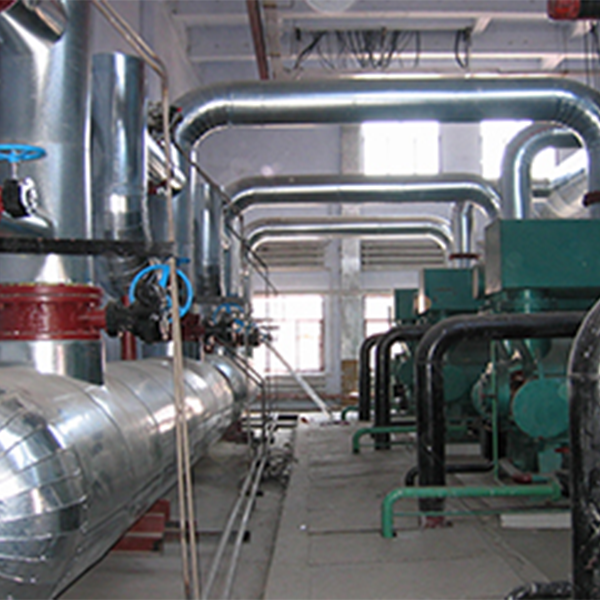
Oxygen production by pressure swing adsorption
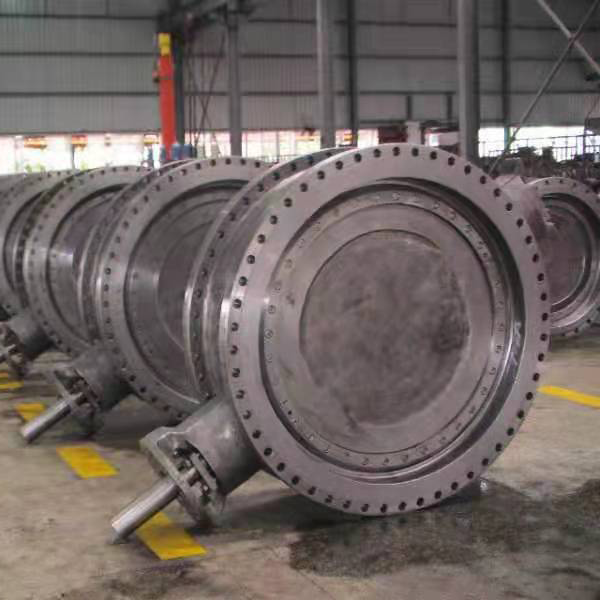
Since 1994, our company began to work on the development and application of oxygen production technology using the air separation method PSA (VPSA-O2), and in May 1995, we industrialized and built an oxygen production plant using the PSA method. The oxygen plant built by the company has excellent performance, low production costs, and no environmental pollution. The company is a manufacturer of patented technologies, as well as the production of proprietary LIX lithium oxygen adsorbent and large bore control valve.
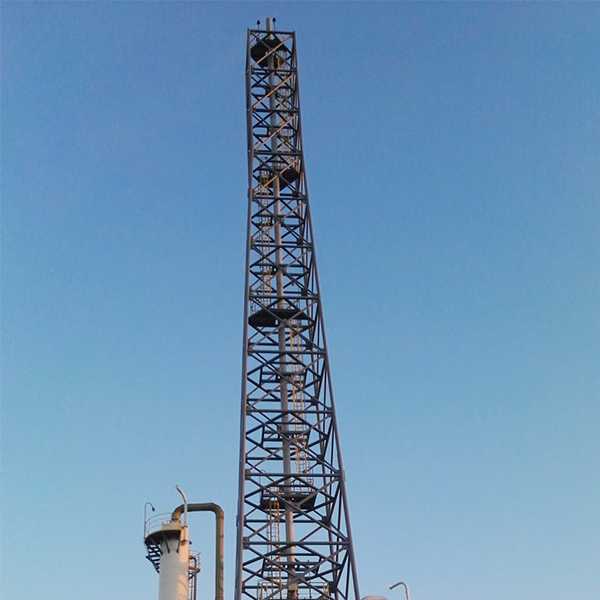
Technology of desulfurization and CO2 removal using NHD method
Gas decarbonization technology using polyethylene glycol dimethyl ether as the absorption solution, known abroad as Seleoxl technology, known as NHD technology in China; this technology is included in the National Catalog of Clean Manufacturing Technologies in Key Industries by the State Economic and Trade Commission. This technology is a physical technology for CO2 removal, regeneration is carried out using air or nitrogen, so this process does not require the consumption of steam.