

Products
-
MPS decarbonization technology
-
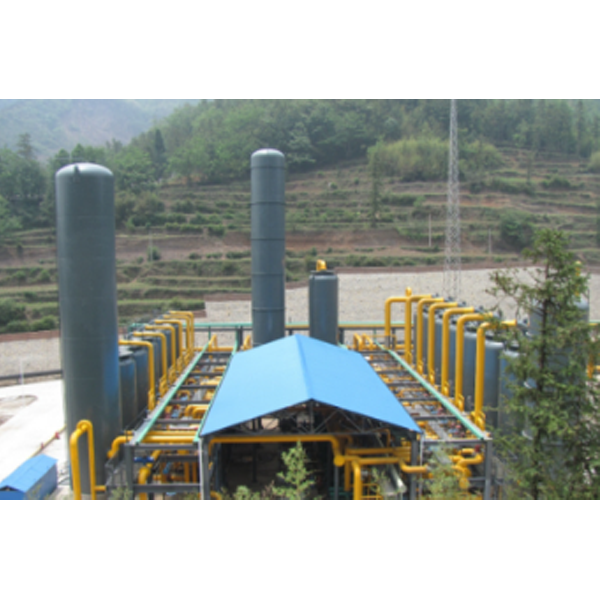
Methane extraction technology – coalbed methane
-
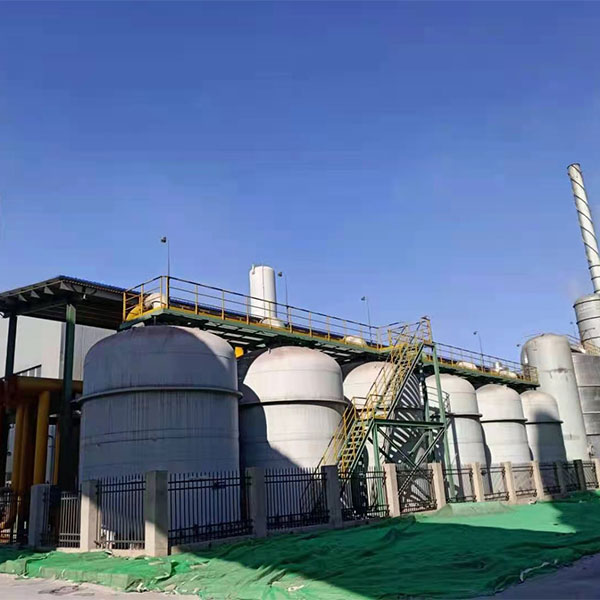
CO2 removal by pressure swing adsorption
-
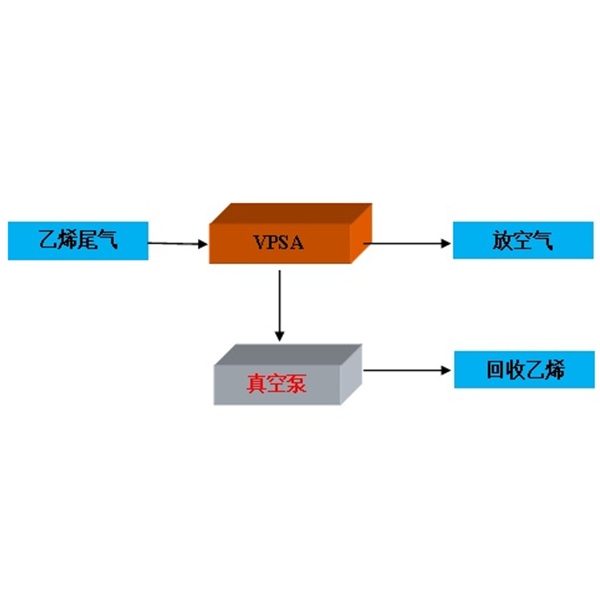
Ethylene tail gas recovery
-
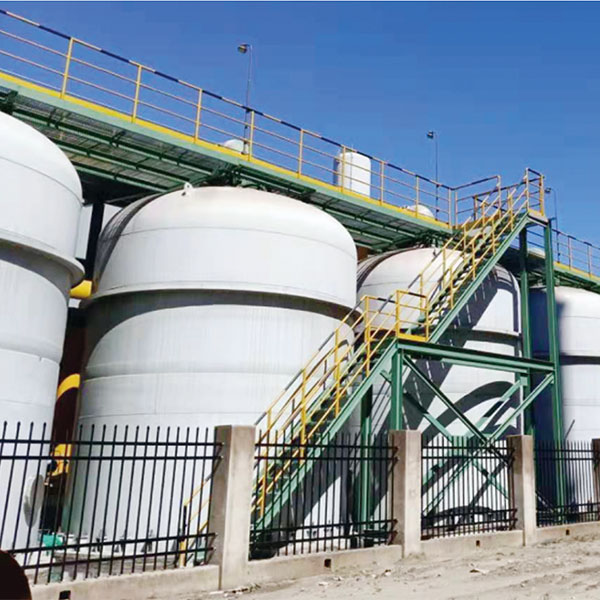
Flue gas CO2 recovery technology
-
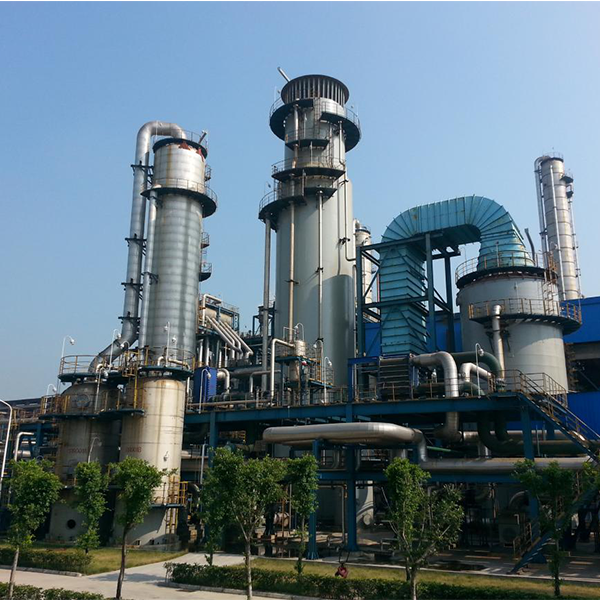
MEA-MDEA-NHD Desulfurization Technology
-
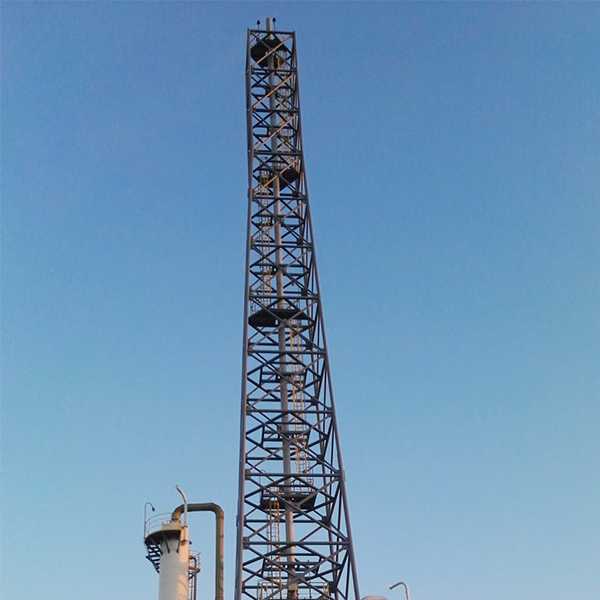
Technology of desulfurization and CO2 removal using NHD method
-
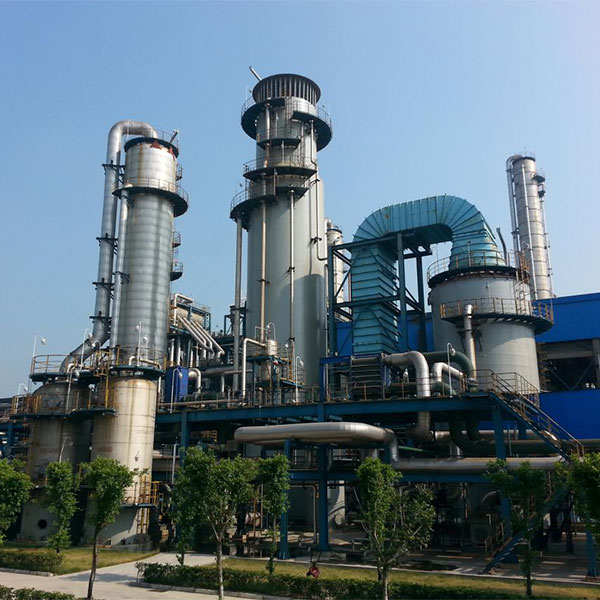
Wet CO2 removal technology
-
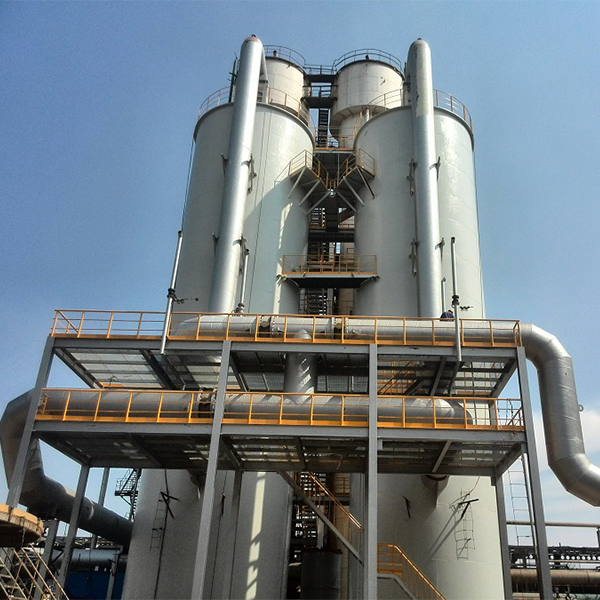
Desulfurization technology using the redox wet method
-
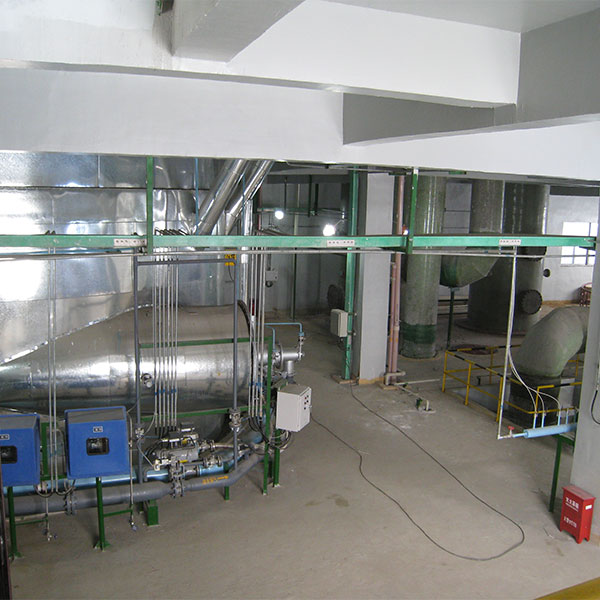
Special acid regeneration equipment
-
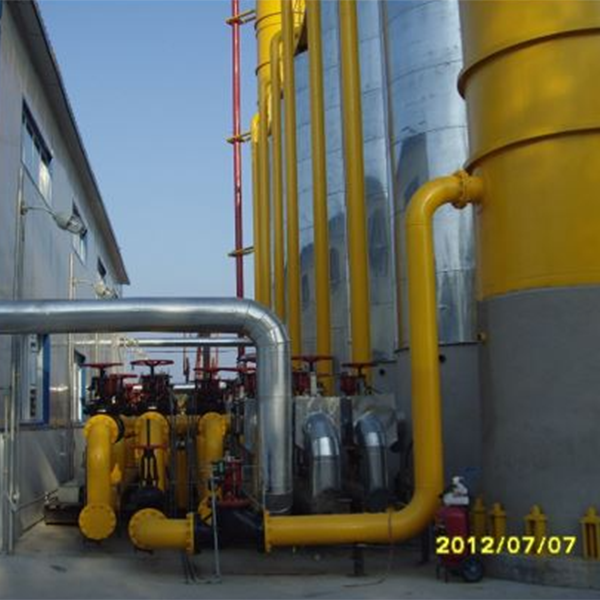
Vinyl chloride recycling technology
-
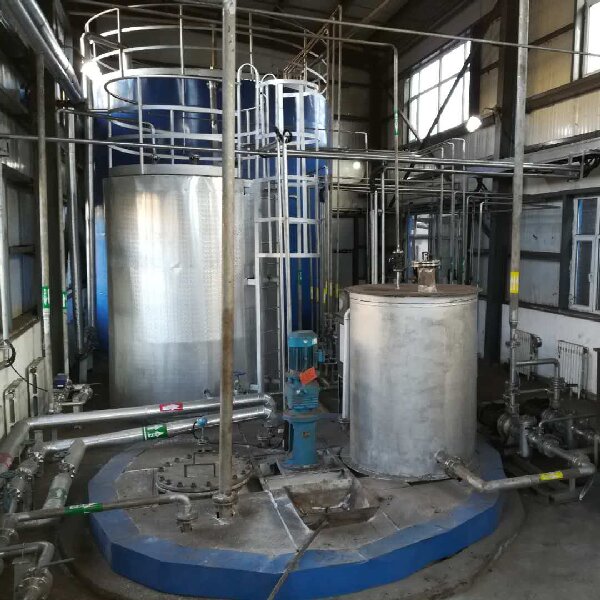
Flue gas denitrification SCR、SNC
-
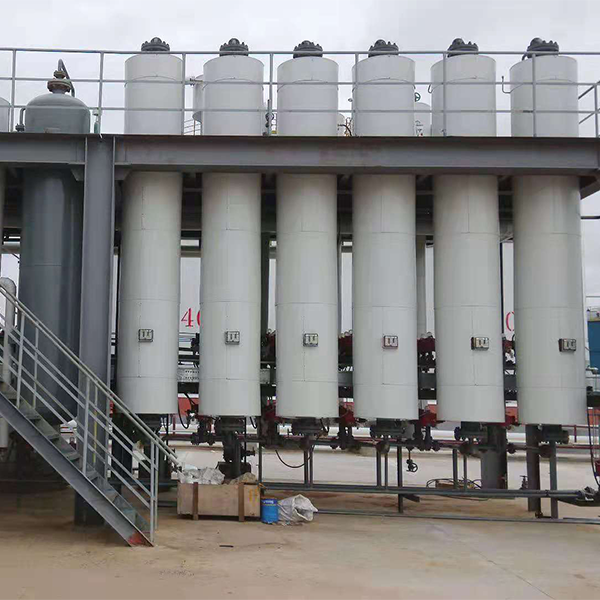
Hydrogen production by splitting methanol
-
Ionic liquid desulfurizer
-
CO removal by pressure swing adsorption
-
VOC tail gas disposal
Coal gas organic sulfur fine removal technology
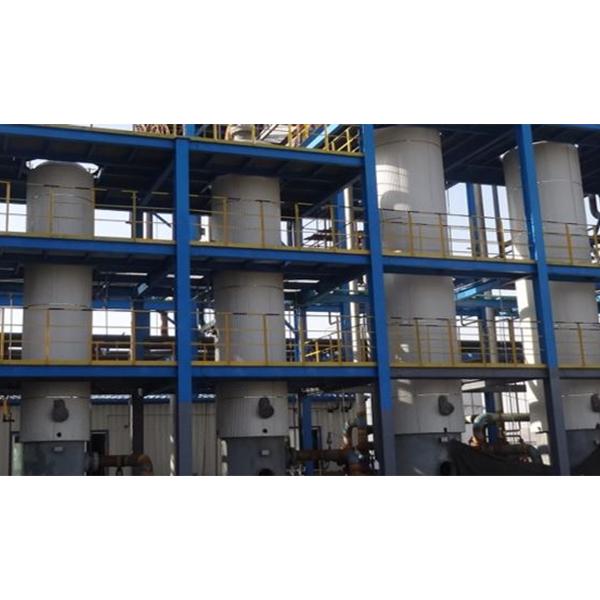
Because blast furnace gas contains organic sulfur, H2S and other impurities, if blast furnace gas is used as fuel, the SO2 in the flue gas does not meet emission standards. There are two main measures to reduce emissions: blast furnace gas desulfurization or exhaust flue gas desulfurization.
Description
marker
use:
Coal gas organic sulfur fine removal technology
Description of technology
Because blast furnace gas contains organic sulfur, H2S and other impurities, if blast furnace gas is used as fuel, the SO2 in the flue gas does not meet emission standards. There are two main measures to reduce emissions: blast furnace gas desulfurization or exhaust flue gas desulfurization.
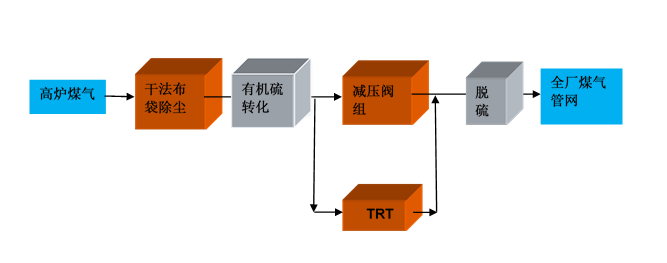
Blast furnace gas contains H2S and organic sulfur (mainly COS), and to achieve emission targets the organic sulfur must be converted to H2S and then the H2S removed.
Installation scale: 5000~500000nm³/h.
Specifications
1.Organic sulfur conversion rate is high, can reach 90 - 95%;
2.The device has a small pressure drop, which does not affect the power generation of TRT blast gas;
3.The device occupies a small area and is suitable for the reconstruction of an established steel plant.
Applications
Project for desulfurization of blast furnace gas or other gas containing organic sulfur.
Flow diagram
contact us
Related Popular Products
Ionic liquid desulfurization technology
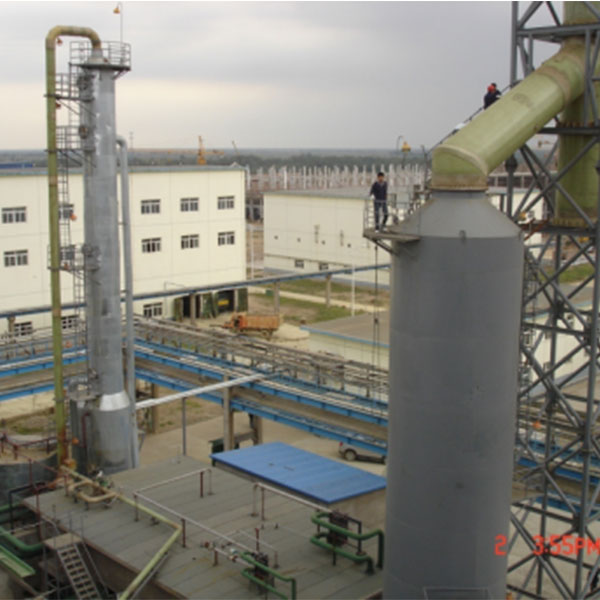
Ionic liquid house gas desulphurization technology is mainly designed to treat and utilize sulfur dioxide in flue gas and other industrial waste gases. The most important feature of the technology is that, simultaneously with the removal of sulfur dioxide from the flue gas, high-purity sulfur dioxide (>99.5%) is produced by-product and sulfur pollutants are recycled. High-purity sulfur dioxide can serve as an excellent raw material for the production of liquid sulfur dioxide, sulfuric acid, sulfur and other chemical products.
Hydrogen production by coal gasification
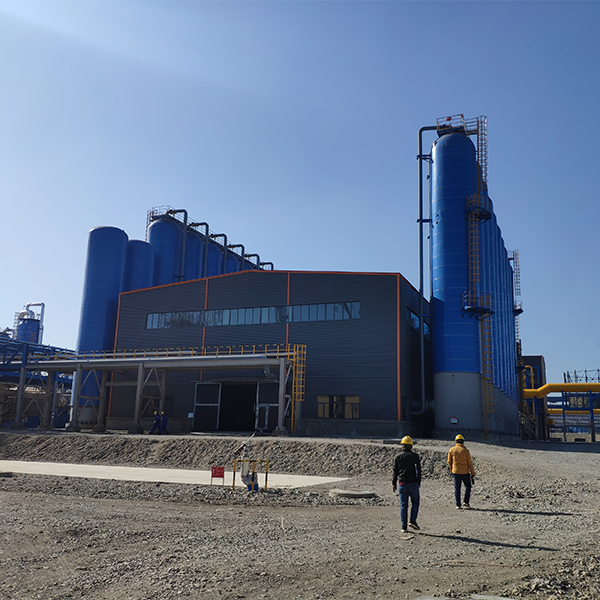
Producing technical hydrogen from coal is a good option for large-scale hydrogen production or in the absence of other suitable raw materials. From raw coal, high purity hydrogen is produced through gasification, conversion, purification, PSA, etc. units.
Oxygen purification and utilization
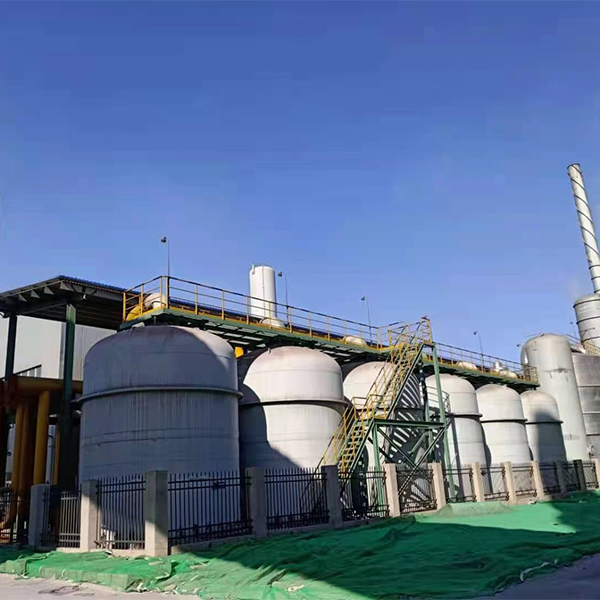
In the production and combustion process of lithium batteries, residual high-temperature oxygen-rich flue gas is generated, in the traditional method, usually after environmental treatment, it is directly discharged into the atmosphere as exhaust gas, which leads to large oxygen consumption in the production process, high energy consumption, thereby increasing the production cost of lithium batteries.
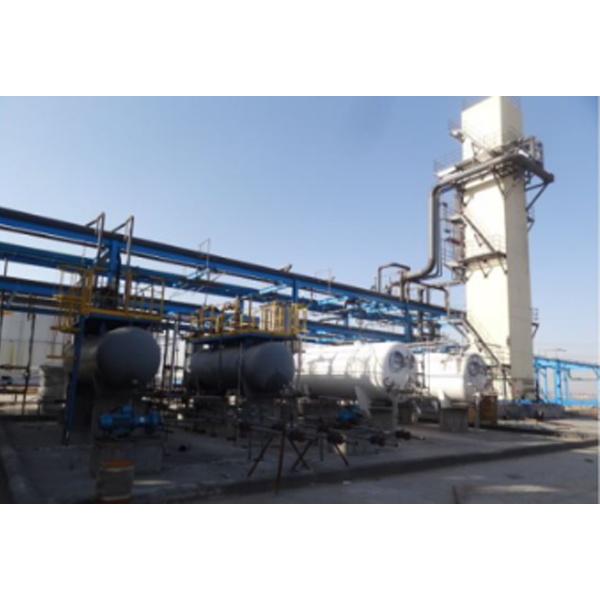
Liquefaction of natural gas
The production of LNG from natural gas first involves the absorption of CO2, H2S and other acidic components of natural gas with an MDEA solution. The unabsorbed purified gas is dried after separating the liquid, then enters the cold box to produce LNG.
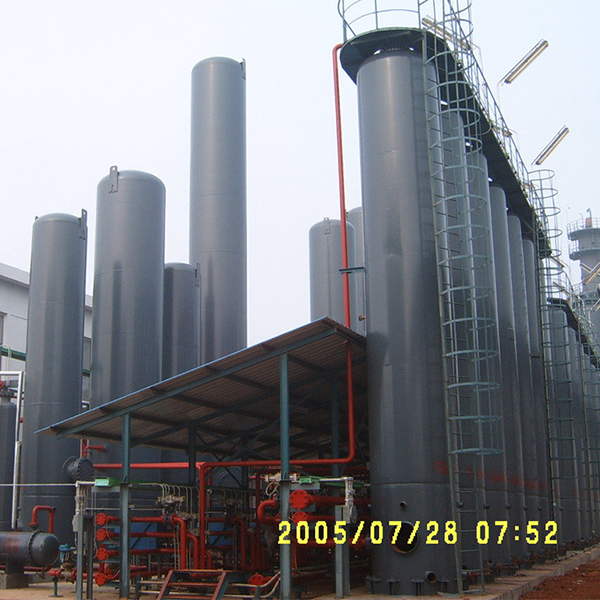
CO2 removal by pressure swing adsorption
PSA CO separation technology is widely used in synthetic ammonia, methanol, alkali and industrial CO2 separation decarbonization plants, as well as CO2-containing tail gas recovery plants, due to the high degree of automation, convenient control of removal precision, low energy consumption and a wide range of applications.
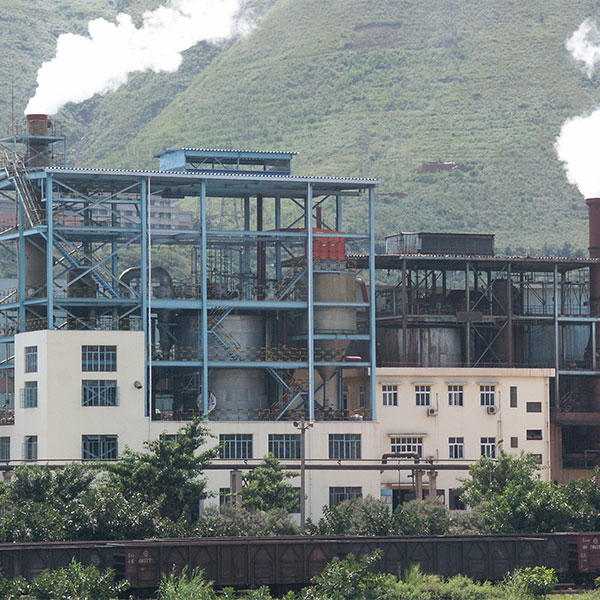
Waste acid regeneration
Our company provides waste acid regeneration technology and acts as a general contractor for the supply of complete plants, as well as related services for maintenance, technical reconstruction, sale of spare parts, etc.
Vinyl chloride recycling technology
After liquid separation in the vinyl chloride tail gas separator, a large amount of vinyl chloride and acetylene still remained, and the vinyl chloride and acetylene were concentrated for disposal by adsorption, which had high economic value. Installation scale: 100~10000nm³/h.
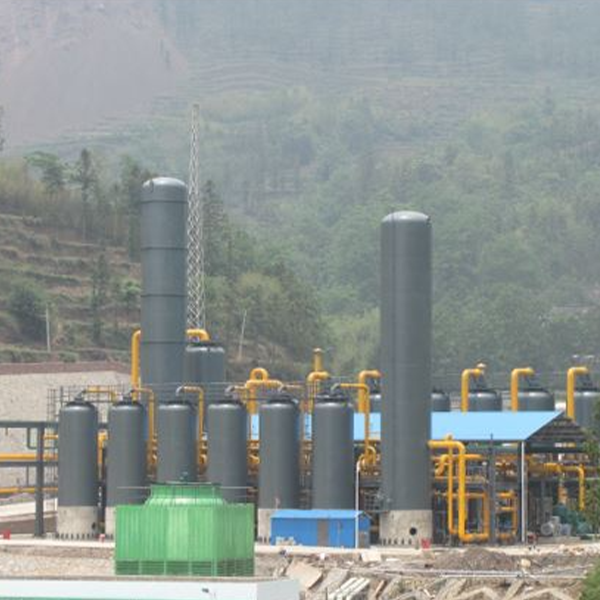
Methane extraction technology - biogas
PSA natural gas purification is a technology using adsorbent to separate gases such as methane, carbon dioxide and nitrogen in biogas to achieve the goal of methane enrichment. Biogas removes water through a liquid separation tank and then after desulphurization in a column enters PSA to produce natural gas product. Installation scale: 200~5000nm³/h.
MEA-MDEA-NHD Desulfurization Technology
A typical amine desulfurization and decarbonization process consists of four parts: absorption, flash evaporation, heat exchange and regeneration (stripping).
Flue gas denitrification SCR、SNC
Technology Description Technology Description There are two main denitration methods (1) Selective Catalytic Reduction (SCR) technology and (2) Selective Non-Capital Reduction (SNCR) technology.
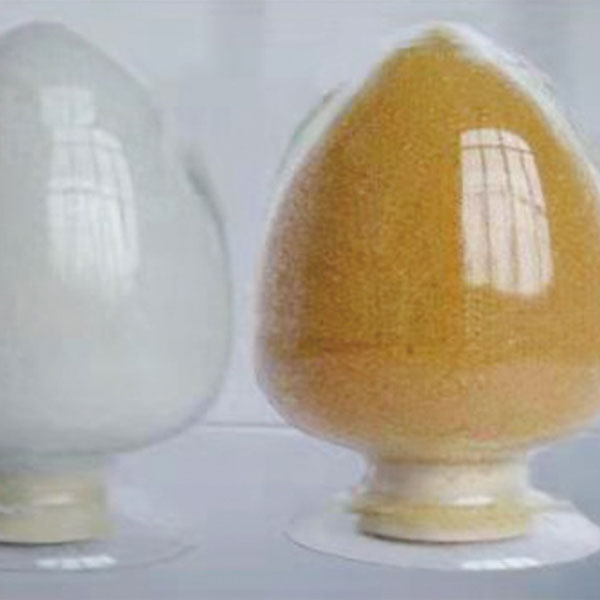
Unit desalting and demineralization equipment and special resin
This unit is an exclusive block device for the ionic liquid flue gas desulfurization project and is the key equipment for the ionic liquid desulfurization process, the desalting device is designed to remove harmful impurities such as sulfuric acid roots, chlorine and fluorine in the ionic liquid; Sodium Removal Device are used to remove harmful cationic impurities such as sodium in ionic liquid.
Hydrogen production by conversion of light hydrocarbons with steam
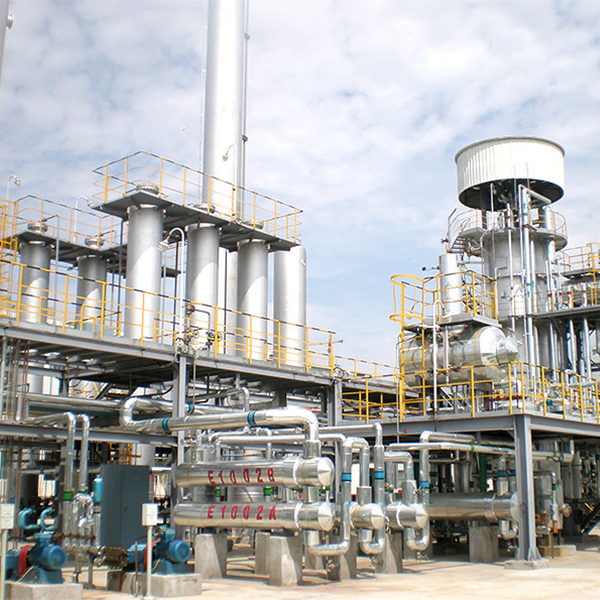
The production of hydrogen from natural gas consists of two parts: the conversion of gas vapor into converted gas and the purification of hydrogen using the PSA method. After compression and desulfurization, natural gas is mixed with water vapor. Under the action of nickel catalyst at a temperature of 750~850℃, natural gas is converted into converted gas consisting of hydrogen, carbon monoxide and carbon dioxide. The converted gas can be further converted into hydrogen and carbon dioxide by conversion technology, then the converted gas or reformed gas is purified and separated by PSA method to produce high purity hydrogen.

Battery material precursor production technology
The regeneration of waste hydrochloric acid in steel mills mainly solves the recycling of hydrochloric acid and the recycling of iron powder, reducing wastewater emissions, a major role in solving environmental problems. Spray roasting hydrochloric acid regeneration methods can also be used to regenerate hydrochlorinated titanium white industry leach solutions, produce cobalt oxide powders using cobalt chloride and various metal oxides using chloride (hydrochloric acid regeneration of various metal chlorides).
Ethylene tail gas recovery
In recent years, with the increase in people's awareness of environmental protection, the improvement of environmental requirements for petrochemical plants in China and around the world, and the recovery and reuse of waste to reduce production costs, considering the higher economic efficiency for enterprises, the exhaust gas recovery technology of ethylene and acrylic plants has great social and economic benefits.
Coke gas purification technology
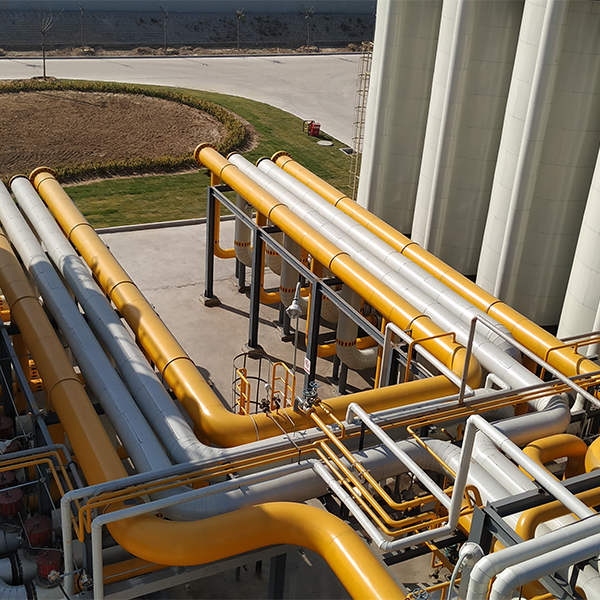
After recycling in the chemical industry, coke oven gas retains impurities of sulfur, tar, naphthalene and benzene. When producing electricity from coke oven gas and CCPP, compressing coke oven gas, heating coke oven gas, cutting coke oven gas and producing chemical products from coke oven gas, production problems arise, such as clogging of nozzles, corrosion, excess SO2 emissions after combustion, carbon deposits and poisoning of catalysts, so deep purification of coke oven gas from harmful impurities is necessary.
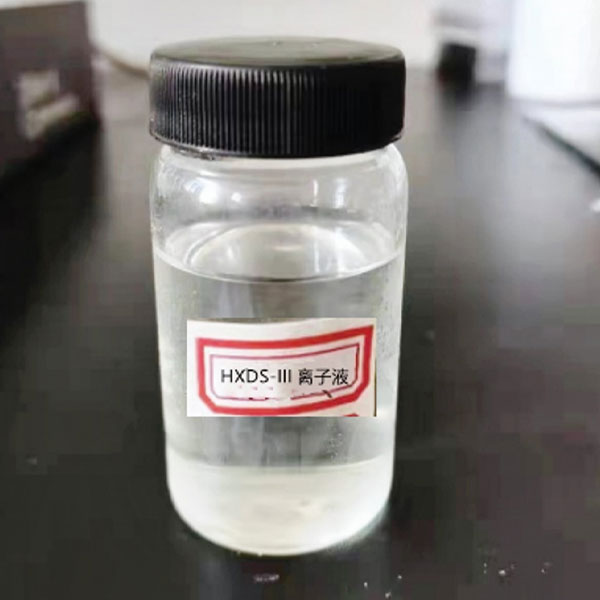
Ionic liquid desulfurizer
Ionic liquids are substances consisting of anions and cations that exist in a liquid state at or near room temperature. Unlike typical organic solvents, ionic liquids do not contain electrically neutral molecules; they are all composed of anions and cations.