


adsorbents examples wholesale
Adsorbents: wholesale examples
Adsorbents are substances that have the ability to absorb other substances on their surface. Imagine a sponge that absorbs water. Similarly, adsorbents absorb various gases or liquids. This process is called adsorption. Why is this important? Because adsorbents are widely used in various areas of our lives, from air purification to food production.
Types of adsorbents and their application
There are many different adsorbents in nature and industry. The most common are activated carbon, silica gel and zeolites.
Activated carbon is familiar to many thanks to its use in water filters and gas masks. Its porous structure allows it to effectively absorb harmful substances, including odors and toxic gases. It is also used in the food industry for cleaning products.
Silica Gel – Used in shoe dryers, electronic devices and food products to keep them free of moisture. It is effective in absorbing moisture from the air.
Zeolites are complex minerals with a unique structure that resembles pockets. They can selectively absorb certain substances and are therefore used in wastewater treatment and chemical processes.
How to choose an adsorbent for a specific task?
The choice of a specific adsorbent depends on what needs to be absorbed and under what conditions. For example, a certain type of activated carbon is suitable for purifying air from toxic gases. Silica gel is better suited for removing moisture from a room. It is important to understand that the effectiveness of an adsorbent depends on its structure, pore size and other characteristics. Therefore, when selecting an adsorbent, it is necessary to take into account the specifics of the task.
Advantages of buying adsorbents in bulk
Purchasing adsorbents in bulk is beneficial, especially for enterprises. This allows you to save on the cost of a unit of goods and obtain more favorable delivery conditions. In addition, bulk purchasing ensures constant access to the required volume of adsorbent, which is extremely important for a continuous production process. Ultimately, this helps optimize costs and improve operational efficiency.
Correspondingproducts
Related Products
Best Sellingproducts
Best Selling Products-
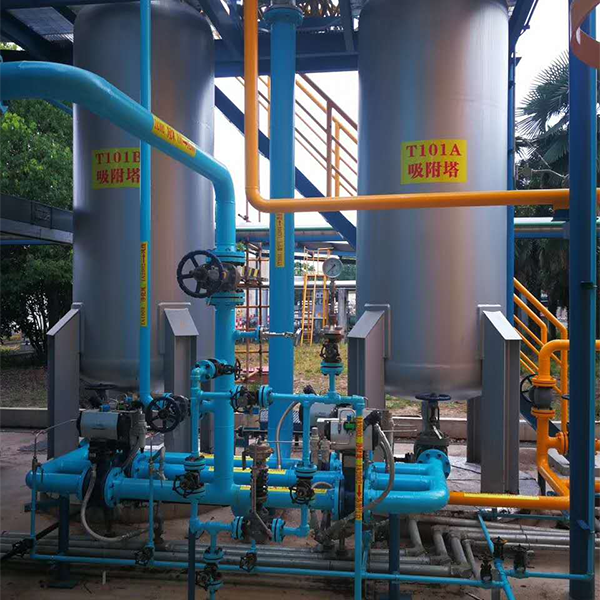 Nitrogen production by pressure swing adsorption
 -
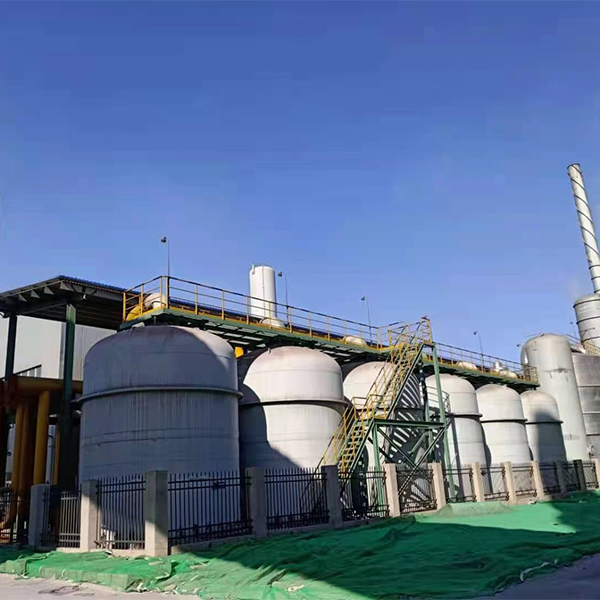 Oxygen purification and utilization
 -
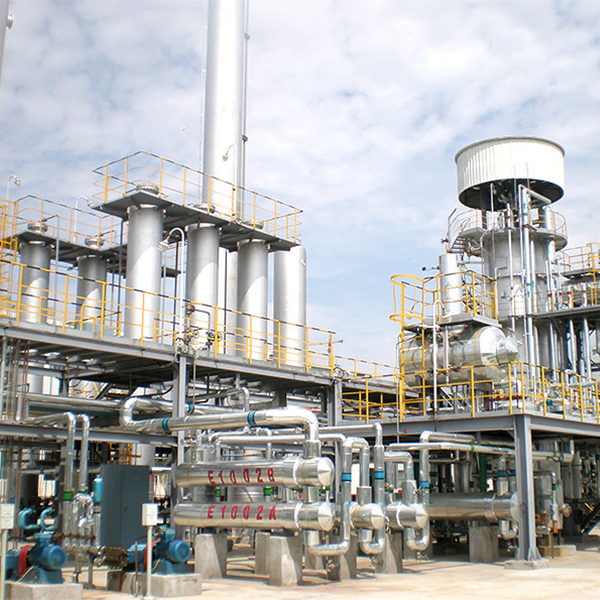 Hydrogen production by conversion of light hydrocarbons with steam
 -
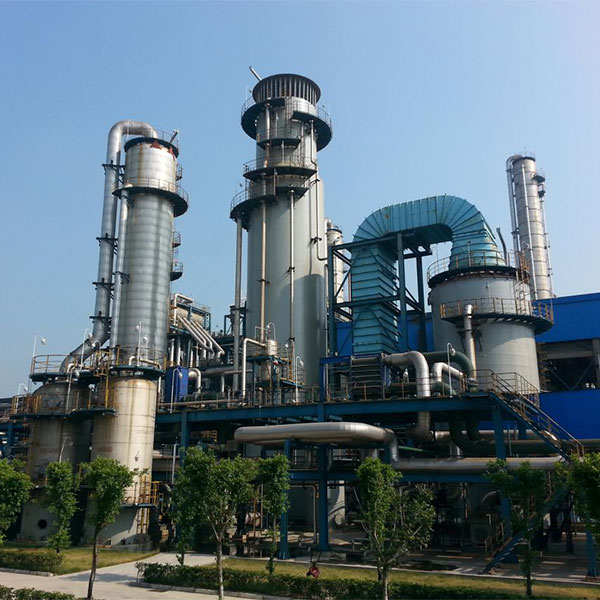 Wet CO2 removal technology
 -
 MPS decarbonization technology
 -
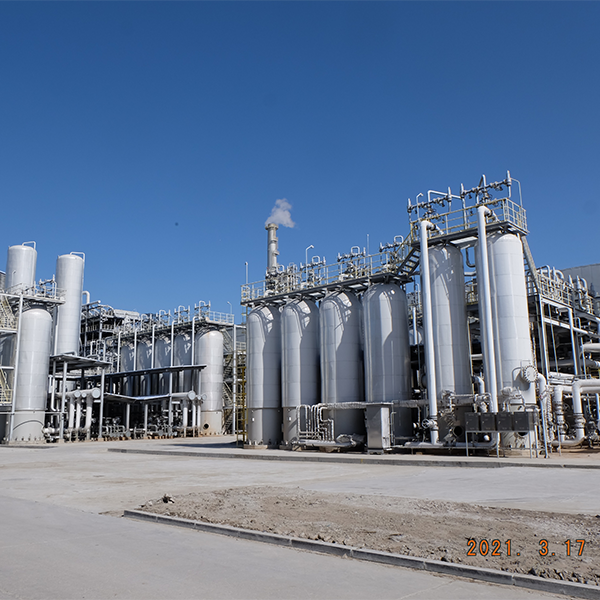 Hydrogen production from coke oven gases
 -
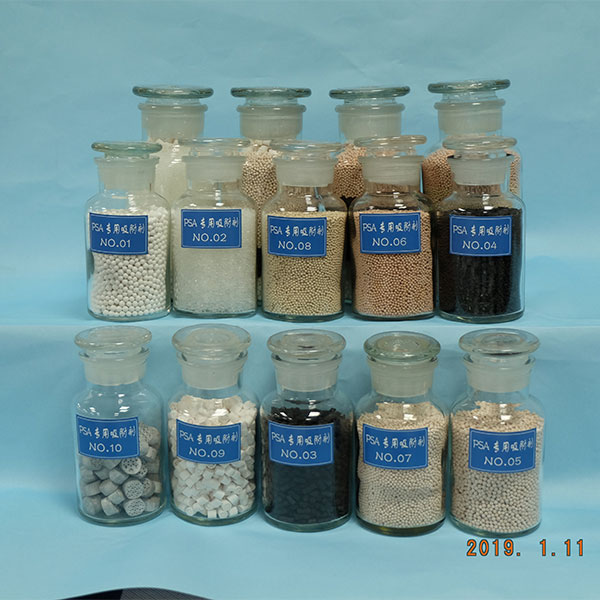 absorbent
 -
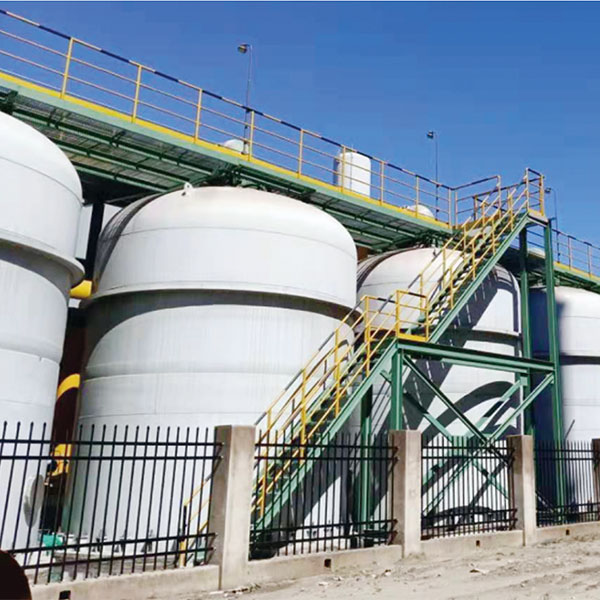 Flue gas CO2 recovery technology
 -
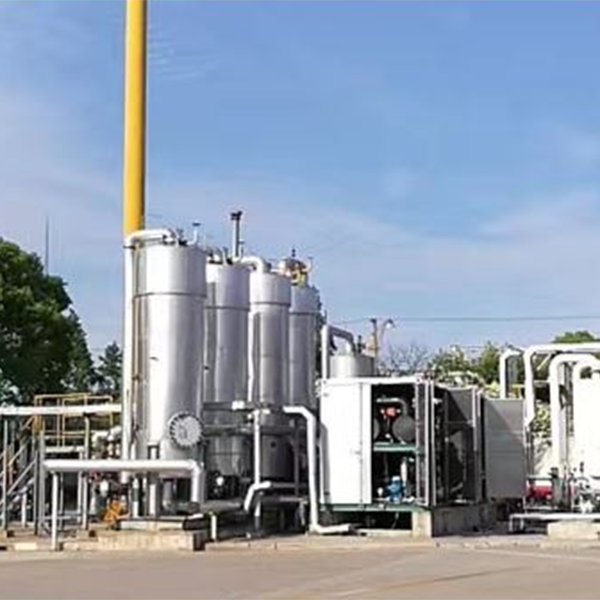 VOC tail gas disposal
 -
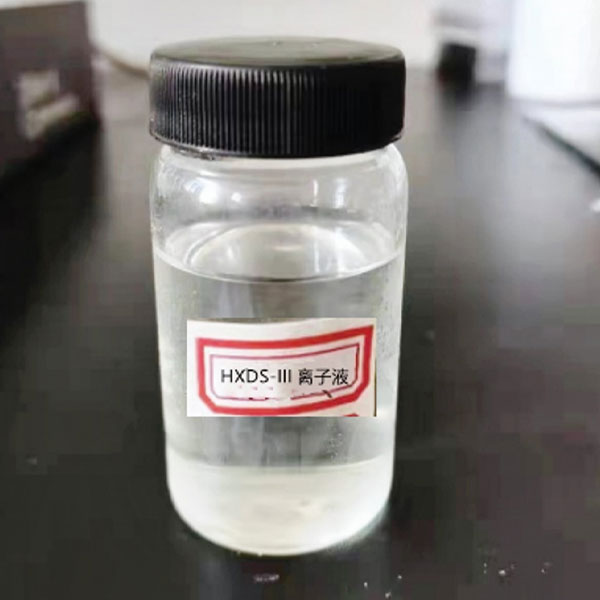 Ionic liquid desulfurizer
 -
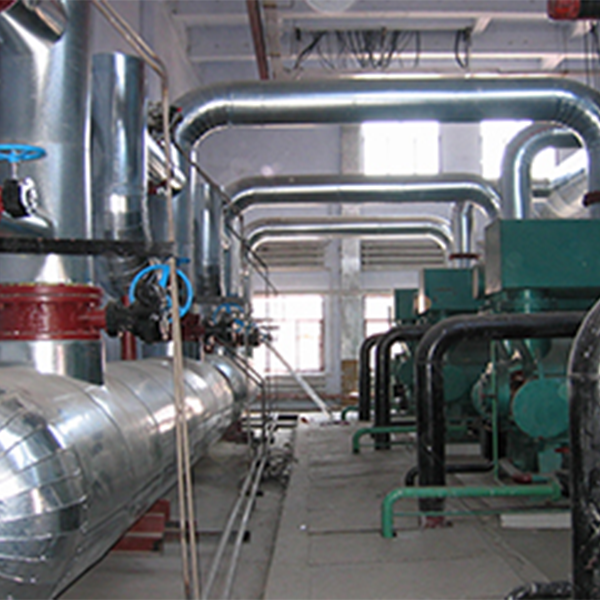 Oxygen production by pressure swing adsorption
 -
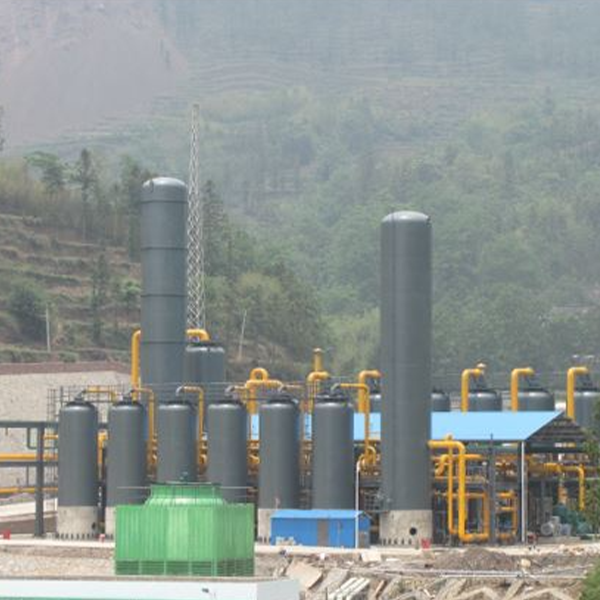 Methane extraction technology - biogas
Relatedsearch
Related Search- China crankcase valve Manufacturer
- China natural gas liquefaction equipment products
- China adsorbents factories list
- China Vinyl Plate Recycling Technology Supplier
- China buy valve factory
- China injector valve price
- China Russian liquefied natural gas technology Exporter
- China Tail Gas Recycling VOC Price
- air adsorbents wholesale
- adsorbents list manufacturer