

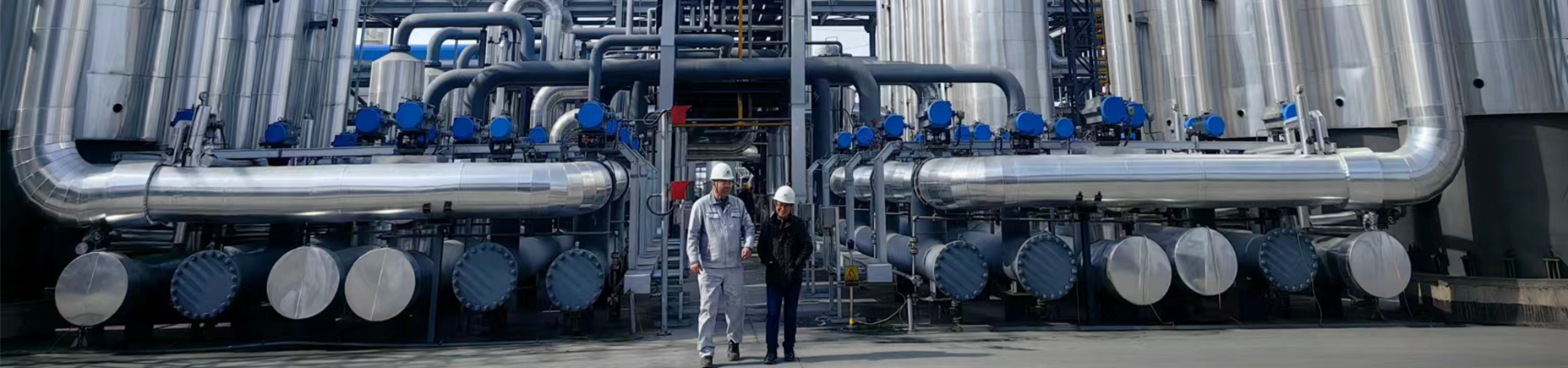
Argon purification
Argon purification
Argon is an inert gas widely used in various industries, from metallurgy to welding. But, like any gas, it is not always perfectly pure. Therefore, argon purification is an important process to ensure its reliable use. Think of argon as clear water and contaminants as fine grains of sand. The purpose of cleaning is to rid the argon of these grains of sand so that the water becomes crystal clear and does not harm the equipment or process.
Argon purification methods
There are several ways to clean argon from impurities such as oxygen, nitrogen, water vapor and carbon dioxide. One common method is adsorption. In this case, argon is passed through a special material that, like a magnet, attracts unwanted impurities, leaving pure argon. Another method is simple filtration, similar to how we filter water to remove turbidity from it. Sometimes multi-stage methods are used, combining adsorption and other methods. It is important to understand that the degree of argon purification depends on the specific requirements and conditions of its use. For example, welding requires higher purity than filling gas lasers.
The value of argon purification for various applications
The quality of argon directly affects the efficiency and safety of the processes where it is used. In metallurgy, for example, the presence of oxygen in argon can lead to defects in the metal. In laser systems, impure argon can degrade laser performance. In welding, unclean gas can lead to sparks and unwanted chemical reactions. In general, the purer the argon, the more reliable and efficient all processes where it is involved operate. Therefore, the performance and reliability of all equipment and technological chains directly depends on the quality of cleaning.
The future of argon purification
The development of argon purification technologies is constantly moving forward. Researchers are working on more efficient and economical methods that will produce argon of the highest purity. Perhaps in the future, innovative technologies will appear that will help reduce cleaning costs and increase the speed of this process. This opens up prospects for new applications of argon in various fields of human activity, providing even higher precision and quality of production.
Correspondingproducts
Related Products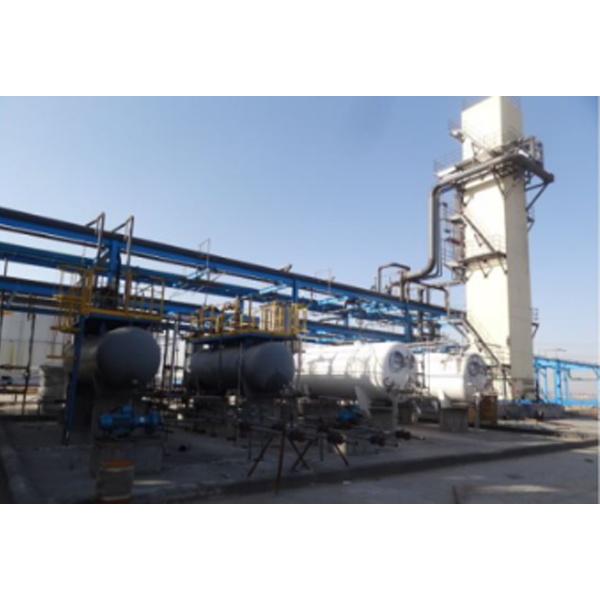
Best Sellingproducts
Best Selling Products-
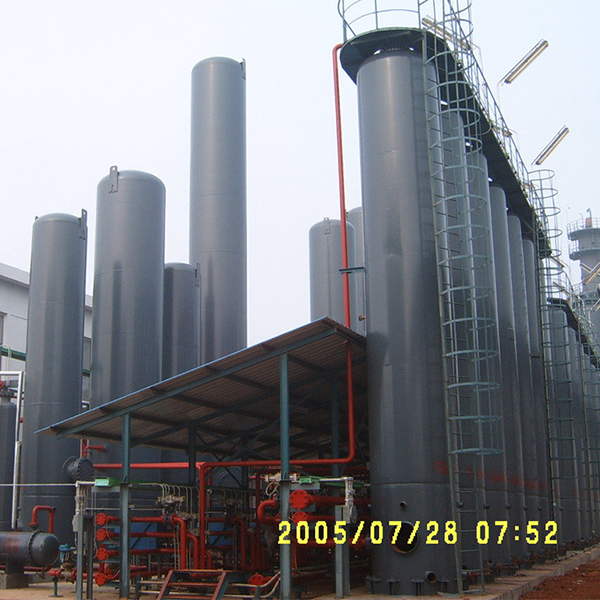 CO removal by pressure swing adsorption
 -
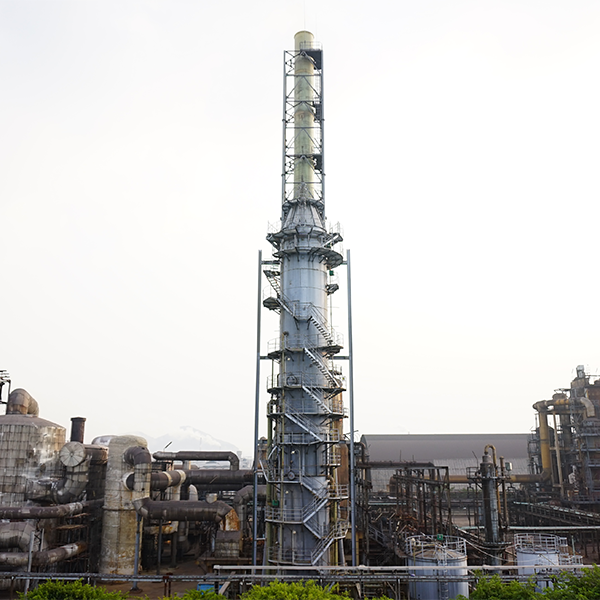 Flue gas desulfurization technology using ammonia
 -
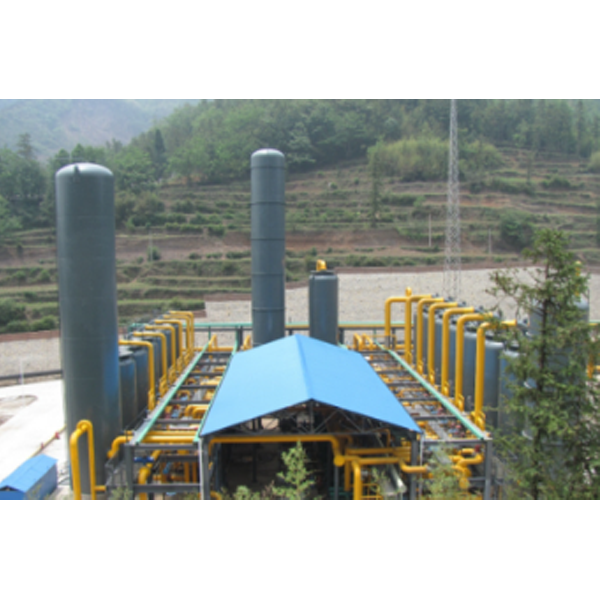 Methane extraction technology – coalbed methane
 -
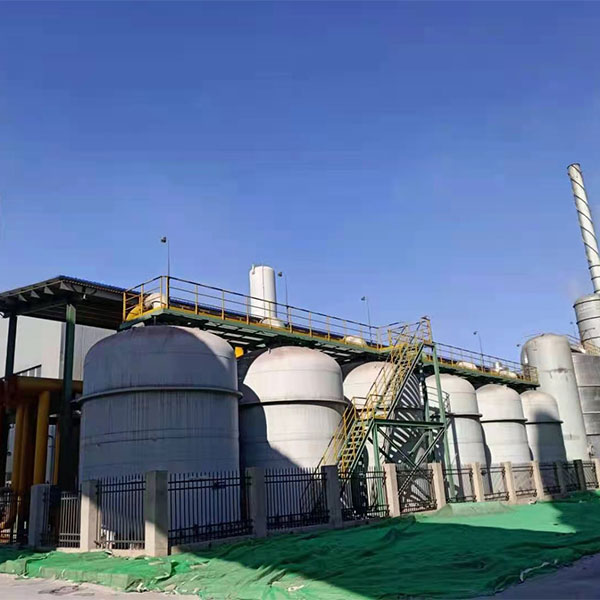 CO2 removal by pressure swing adsorption
 -
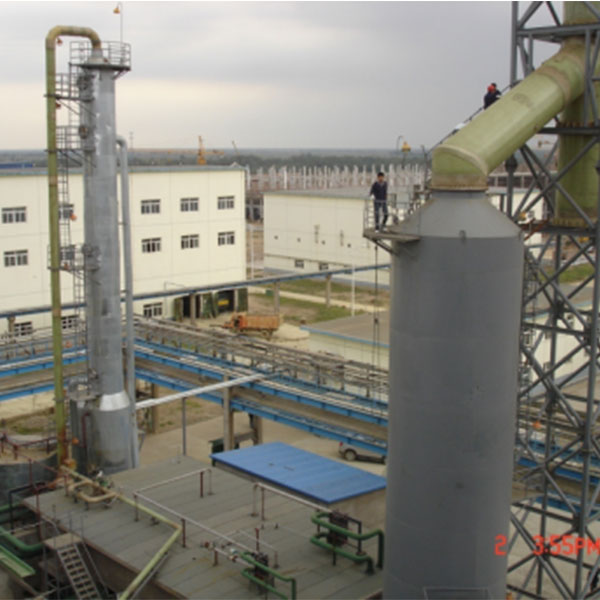 Ionic liquid desulfurization technology
 -
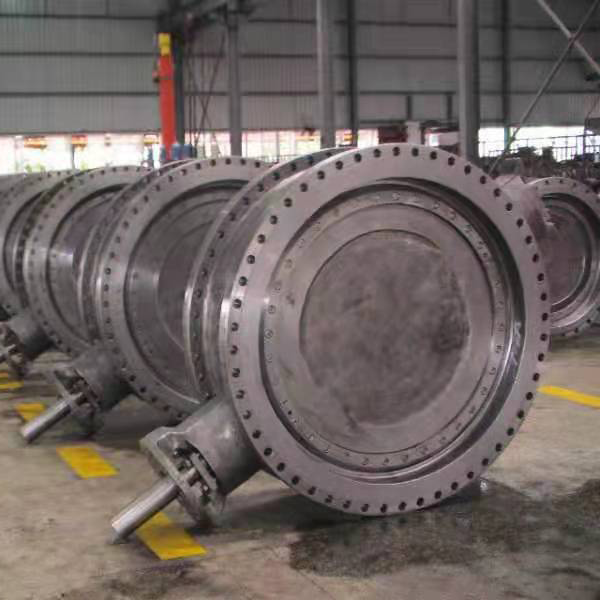 Valve
Valve -
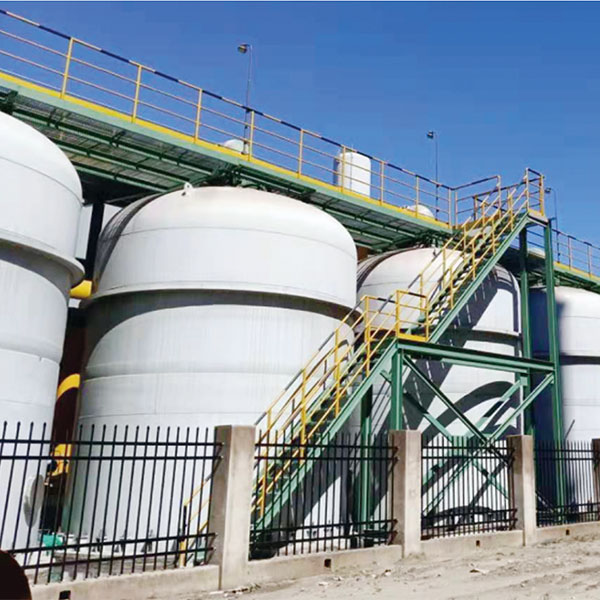 Flue gas CO2 recovery technology
 -
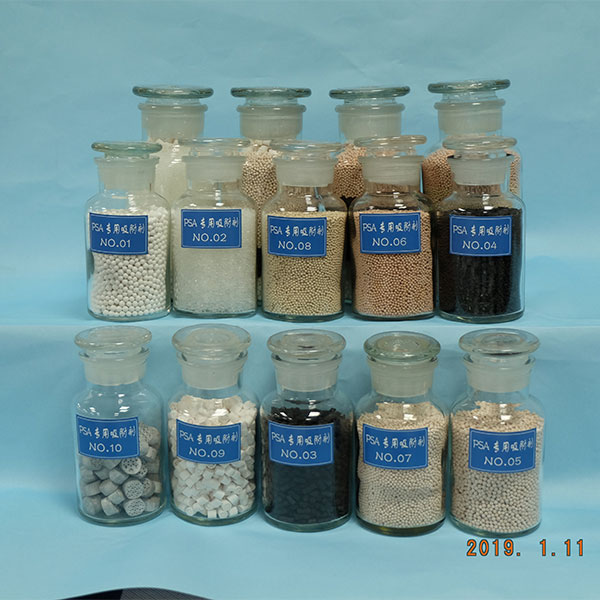 absorbent
 -
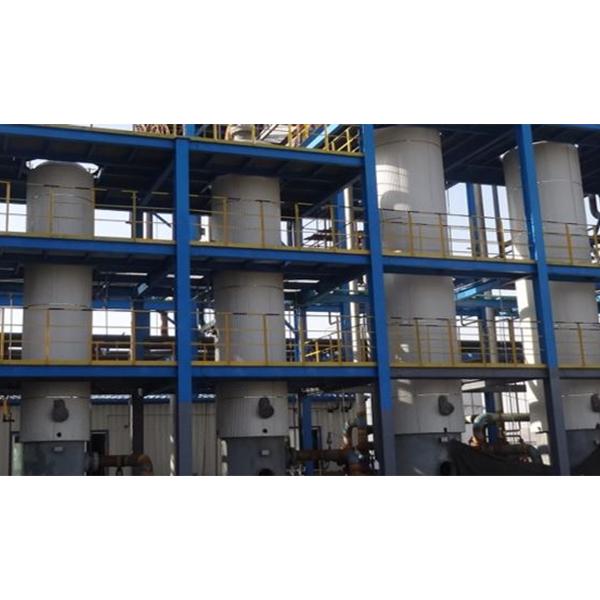 Coal gas organic sulfur fine removal technology
 -
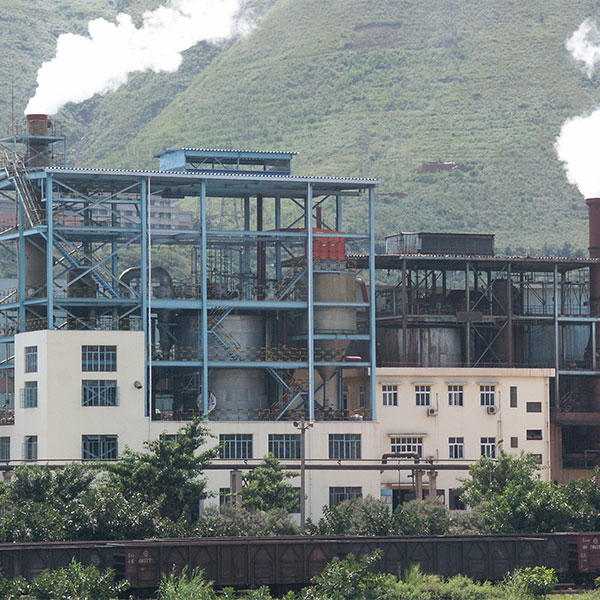 Waste acid regeneration
 -
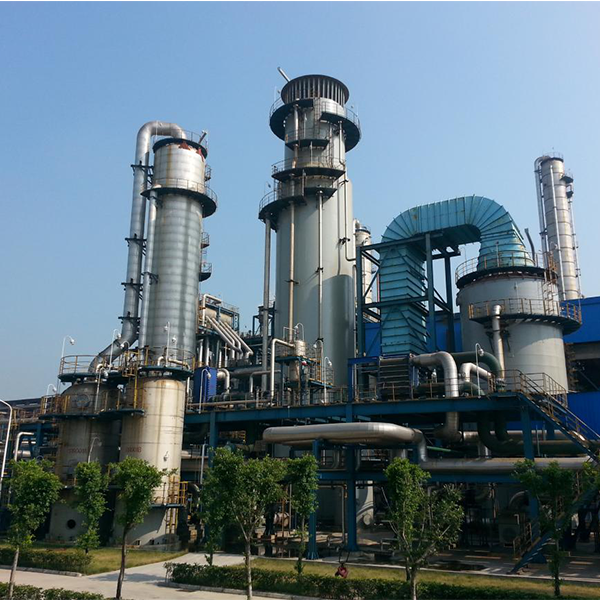 MEA-MDEA-NHD Desulfurization Technology
 -
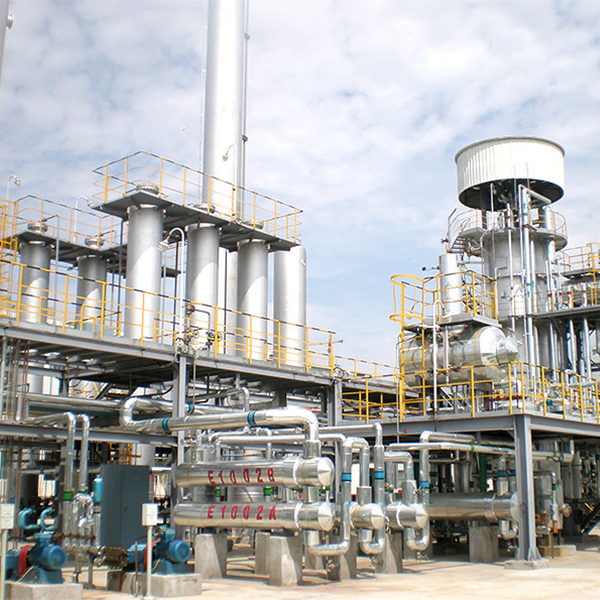 Hydrogen production by conversion of light hydrocarbons with steam
Relatedsearch
Related Search- China adsorbents drugs products list
- China Hydrogen purification technology by pressure swing adsorption exporters
- China name of adsorbents price
- China Hydrogen purification technology by pressure swing adsorption factory
- China adsorbent price Suppliers
- China Russian liquefied natural gas technology Exporter
- adsorbents drugs list
- China control valve Main buyer country
- China Desiccant Tablets Suppliers
- China Natural Gas Liquefaction Equipment Suppliers