


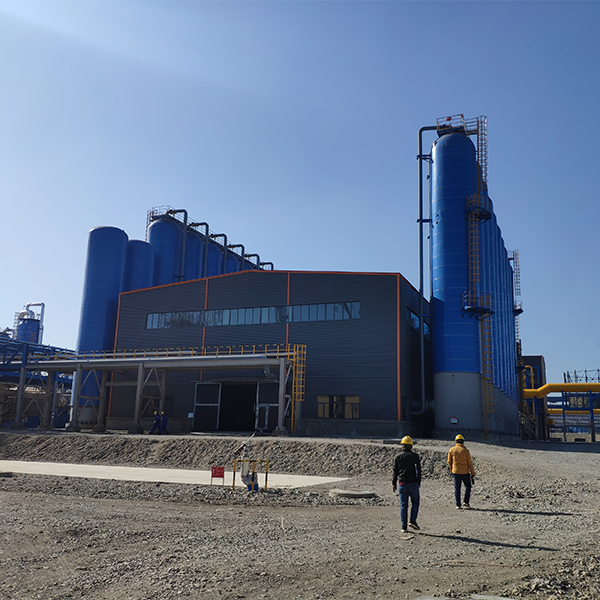
Hydrogen production by coal gasification
Producing technical hydrogen from coal is a good option for large-scale hydrogen production or in the absence of other suitable raw materials. From raw coal, high purity hydrogen is produced through gasification, conversion, purification, PSA, etc. units.
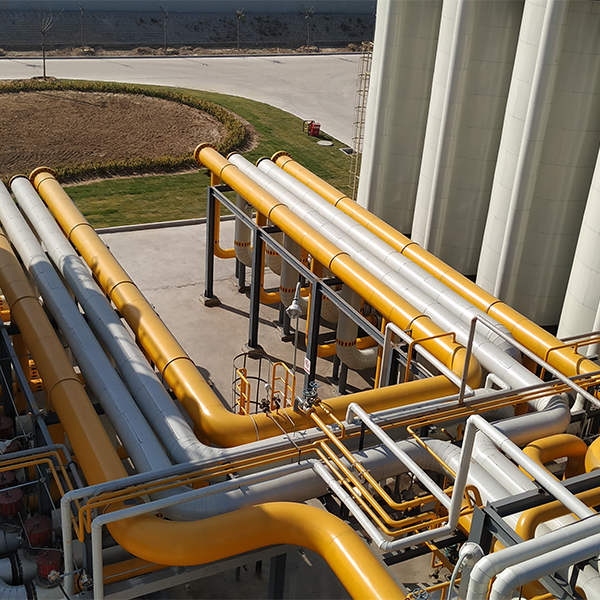
Coke gas purification technology
After recycling in the chemical industry, coke oven gas retains impurities of sulfur, tar, naphthalene and benzene. When producing electricity from coke oven gas and CCPP, compressing coke oven gas, heating coke oven gas, cutting coke oven gas and producing chemical products from coke oven gas, production problems arise, such as clogging of nozzles, corrosion, excess SO2 emissions after combustion, carbon deposits and poisoning of catalysts, so deep purification of coke oven gas from harmful impurities is necessary.
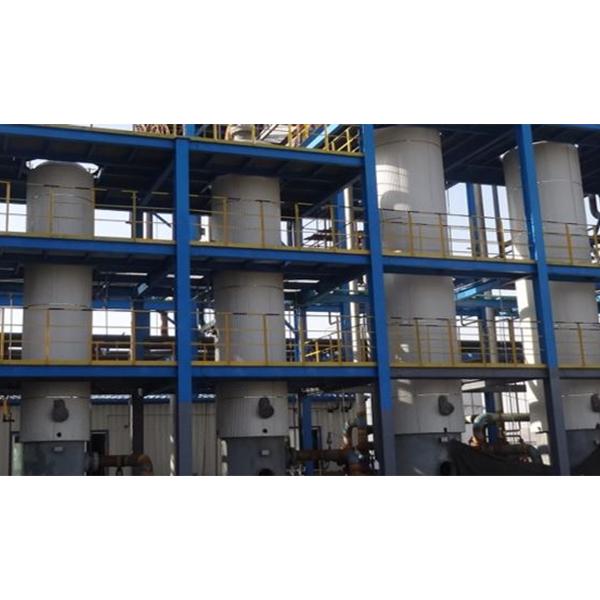
Coal gas organic sulfur fine removal technology
Because blast furnace gas contains organic sulfur, H2S and other impurities, if blast furnace gas is used as fuel, the SO2 in the flue gas does not meet emission standards. There are two main measures to reduce emissions: blast furnace gas desulfurization or exhaust flue gas desulfurization.
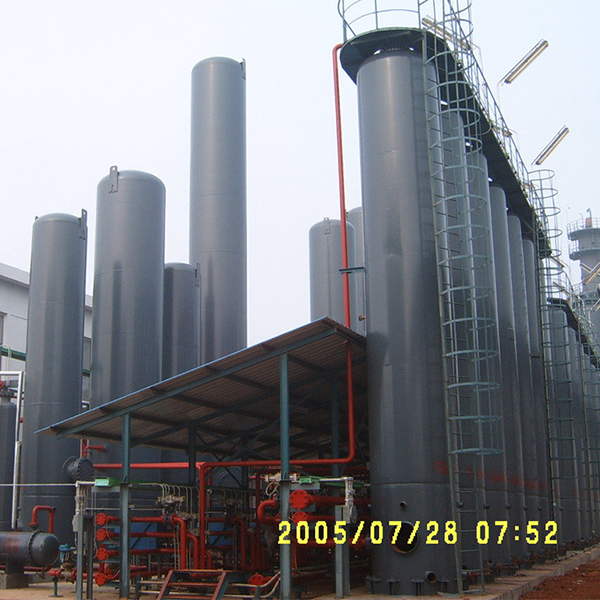
CO removal by pressure swing adsorption
Purification of carbon monoxide from a mixture containing carbon monoxide is carried out by PSA technology. First remove carbon dioxide, moisture and traces of sulfur from the feed gas; The purified gas enters the VPSA unit to remove hydrogen, nitrogen, methane and other impurities, the adsorbed carbon monoxide is removed as a product after vacuum desorption during decompression.
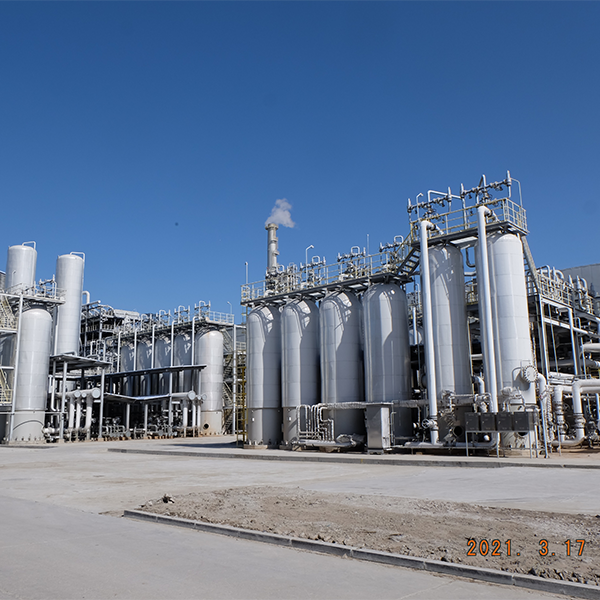
Hydrogen production from coke oven gases
Coke oven gas has the characteristics of large gas volume, low pressure, complex impurity content and low hydrogen content. In addition to being used to generate electricity, hydrogen can be recovered for use in chemical plants such as coal tar hydrogenation plants, glycol plants and synthetic ammonia plants. High purity hydrogen gas is obtained from coke oven gas through compression, purification, conversion, PSA, etc. units. Through process integration, it is also possible to simultaneously produce CO, hydrogen and LNG products.
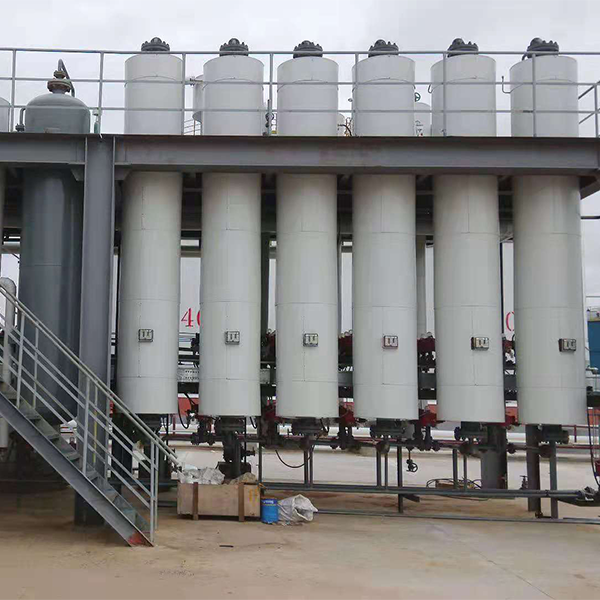
Hydrogen production by splitting methanol
This process is based on the convenient source of methanol and desalting water as raw materials, at a temperature of 220-280°C, a special catalyst is catalyzed into converted gas containing hydrogen and carbon dioxide, the principle of which is as follows: Main reaction: CH3OH=CO+2H2 +90.7 kJ/mol CO+H2O=CO2+H2 -41.2 kJ/mol General reaction: CH3OH+H2O=CO2+3H2 +49.5 kJ/mol Auxiliary reaction: 2CH3OH=CH3OCH3+H2O -24.9 kJ/mol CO+3H2=CH4+H2O -+206.3 kJ/mol
Coal-chemical industry
Professionalism is the basis of technology. Strong technology, practical effect, excellent service, and set the standard.