


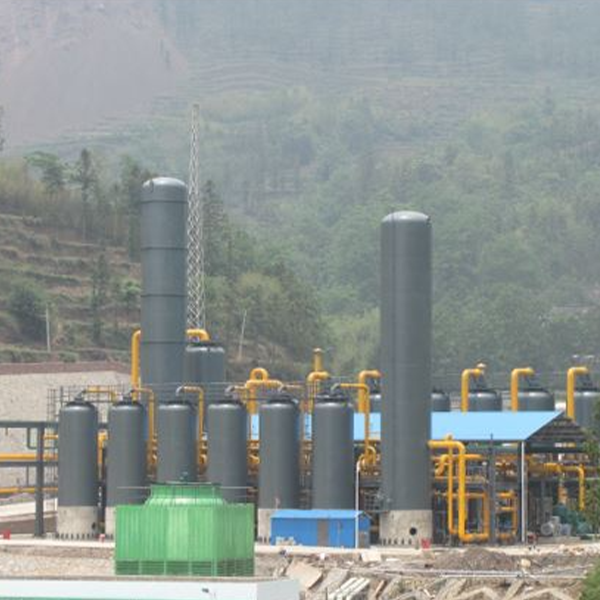
Methane extraction technology - biogas
PSA natural gas purification is a technology using adsorbent to separate gases such as methane, carbon dioxide and nitrogen in biogas to achieve the goal of methane enrichment. Biogas removes water through a liquid separation tank and then after desulphurization in a column enters PSA to produce natural gas product. Installation scale: 200~5000nm³/h.
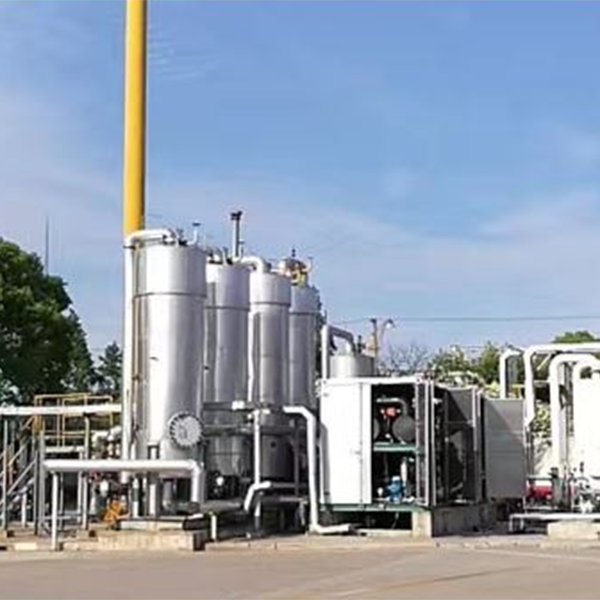
VOC tail gas disposal
Tank and loading waste gas, tail gas containing VOC in petrochemical and chemical industries. It is first condensed using the PSA method and then disposed of by condensation, which meets environmental drainage requirements and allows the recycling of some organic matter. Installation scale: 100-3000nm3/h
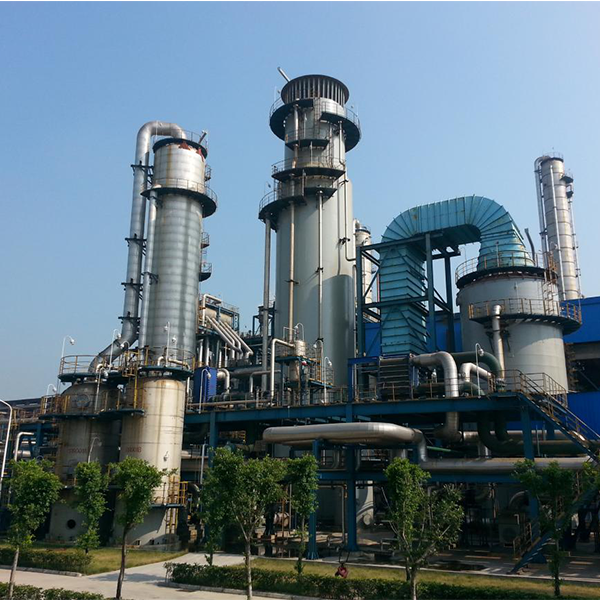
MEA-MDEA-NHD Desulfurization Technology
A typical amine desulfurization and decarbonization process consists of four parts: absorption, flash evaporation, heat exchange and regeneration (stripping).
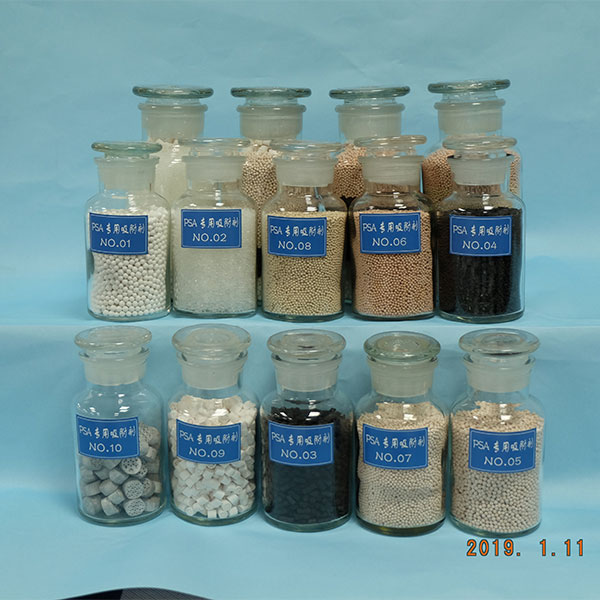
absorbent
An adsorbent is a solid substance that can effectively adsorb certain components from gases or liquids. Adsorbents usually have the following characteristics: large specific surface area, suitable pore structure and surface structure
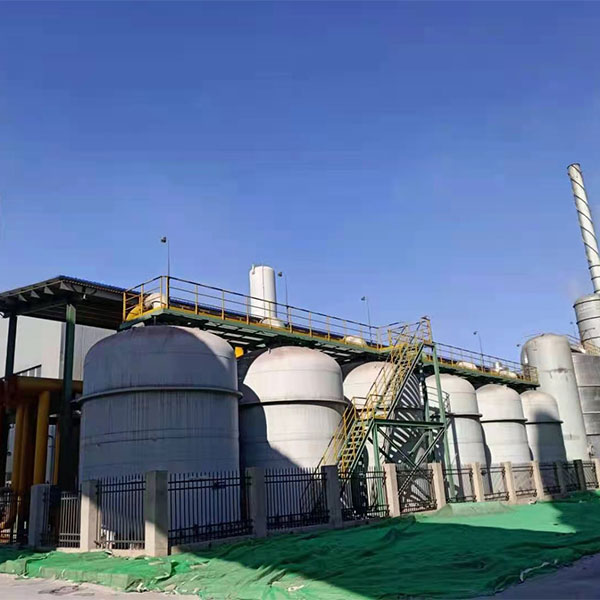
CO2 removal by pressure swing adsorption
PSA CO separation technology is widely used in synthetic ammonia, methanol, alkali and industrial CO2 separation decarbonization plants, as well as CO2-containing tail gas recovery plants, due to the high degree of automation, convenient control of removal precision, low energy consumption and a wide range of applications.
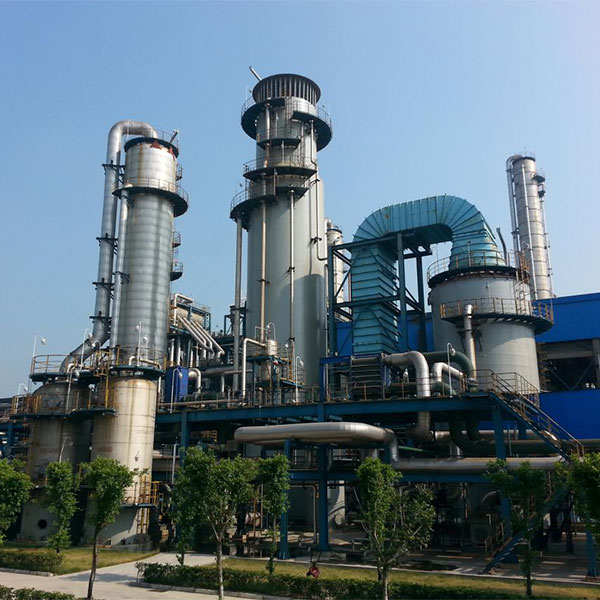
Wet CO2 removal technology
Wet method decarbonization technology is a low energy consumption technology that is widely used to remove CO2 and H2S from synthetic ammonia, methanol feed gas, refinery gas, urban coal gas and natural gas.
Coal-chemical industry
Professionalism is the basis of technology. Strong technology, practical effect, excellent service, and set the standard.