

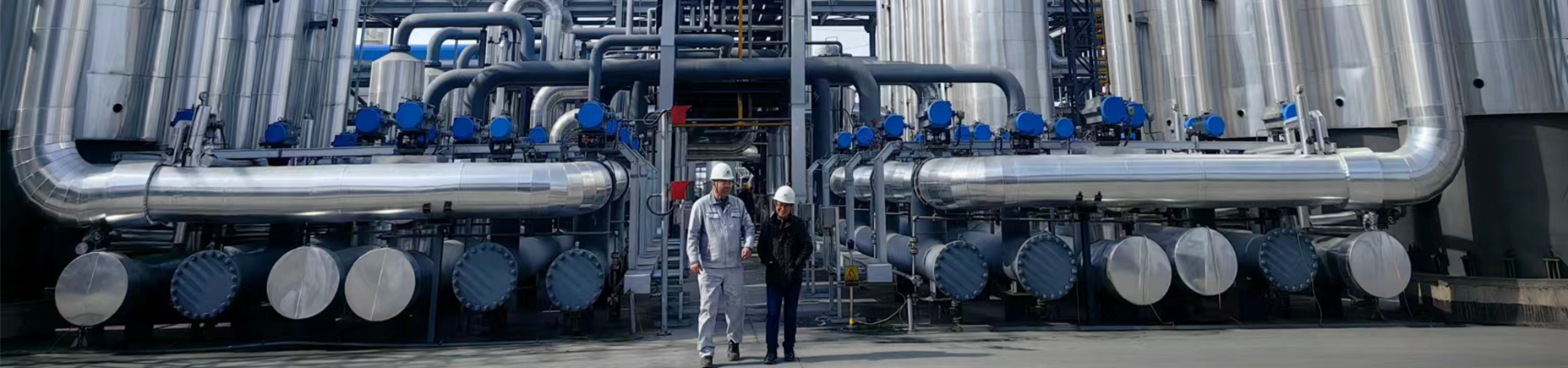
Wholesale waste acid regeneration
Wholesale waste acid regeneration
Operations with chemicals, especially acids, often require large volumes. Imagine huge tanks filled with acid, which becomes waste after use. Don't rush to throw it away! Today there is an effective way to return this acid to production - regeneration. It's like giving a valuable resource a second chance, reducing waste and saving money.
How does regeneration occur?
The regeneration process is a set of measures aimed at restoring the original properties of spent acid. It involves chemical reactions, physical cleaning processes and, in some cases, the use of special equipment. It is important to note that each acid requires an individual approach, because its properties and method of contamination differ. For example, sulfuric acid is regenerated differently than nitric acid. Specialized companies with experience in bulk acid recovery have the necessary equipment and qualified personnel to efficiently process large volumes.
Benefits of wholesale regeneration
Savings are the main argument in favor of wholesale regeneration. When large volumes are involved, the cost of regeneration per unit of product decreases. This is especially true for enterprises operating large production facilities, where using used acids instead of purchasing new ones is a significant saving. In addition, regeneration reduces the burden on the environment, reducing waste and protecting our natural resources. This is a responsible approach to production that benefits both the business and the planet.
Environmental friendliness and safety
In the modern world, environmental and safety issues are very acute. Recycling spent acid is a contribution to preserving the environment. Regeneration specialists strictly observe all necessary safety measures, using modern technologies and equipment. They ensure that the process is safe for people and the environment, avoiding many potential problems. Regeneration is not only a profitable solution, but also a responsible contribution to preserving the environment.
Correspondingproducts
Related Products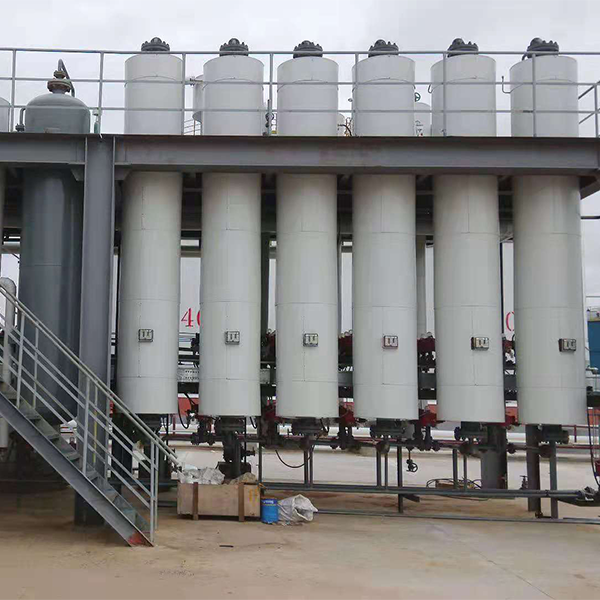
Best Sellingproducts
Best Selling Products-
 Oxygen production by pressure swing adsorption
 -
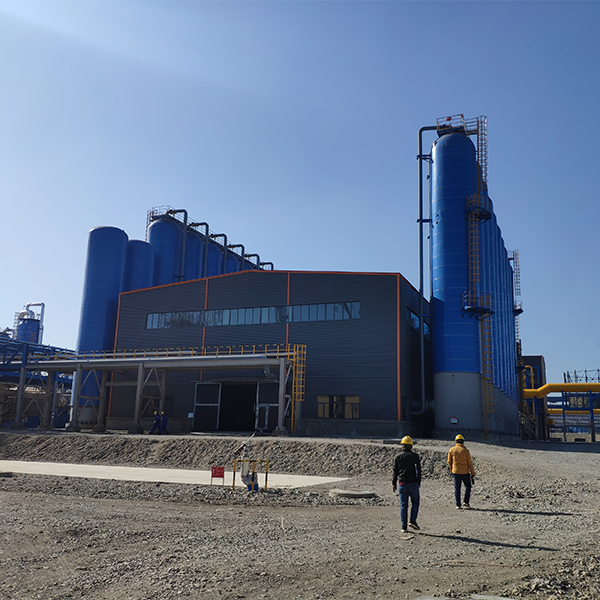 Hydrogen production by coal gasification
 -
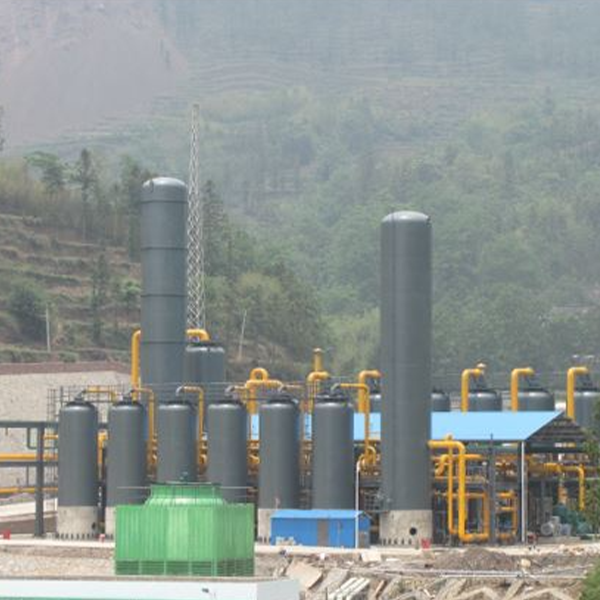 Methane extraction technology - biogas
 -
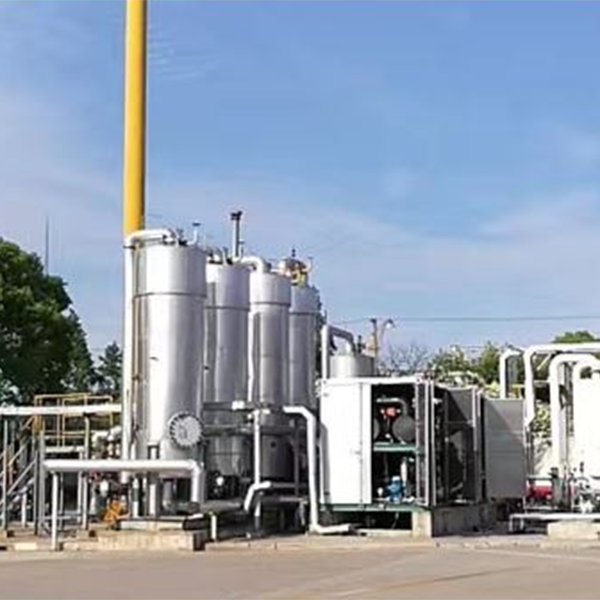 VOC tail gas disposal
 -
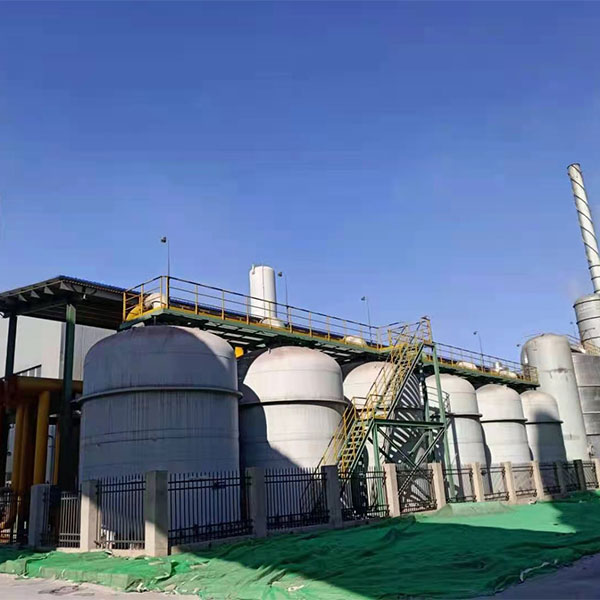 CO2 removal by pressure swing adsorption
 -
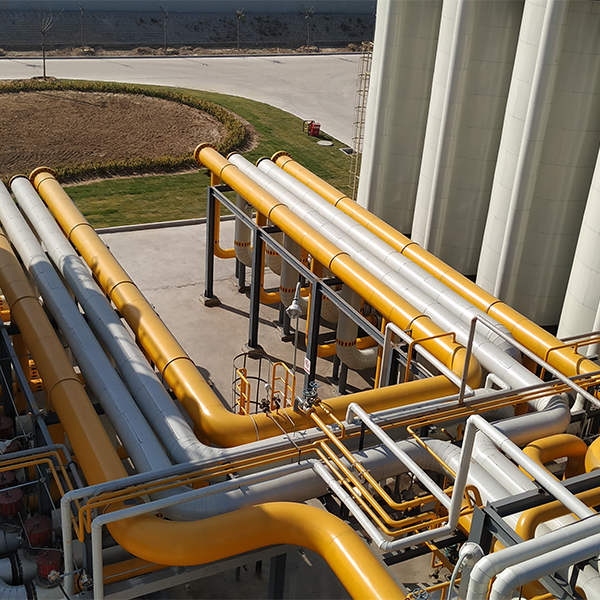 Coke gas purification technology
 -
 MPS decarbonization technology
 -
 Hydrogen purification technology by pressure swing adsorption
 -
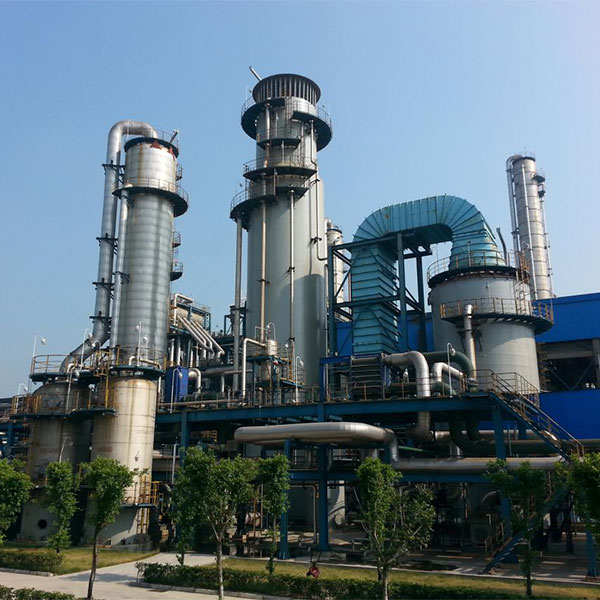 Wet CO2 removal technology
 -
 Liquefaction of natural gas
 -
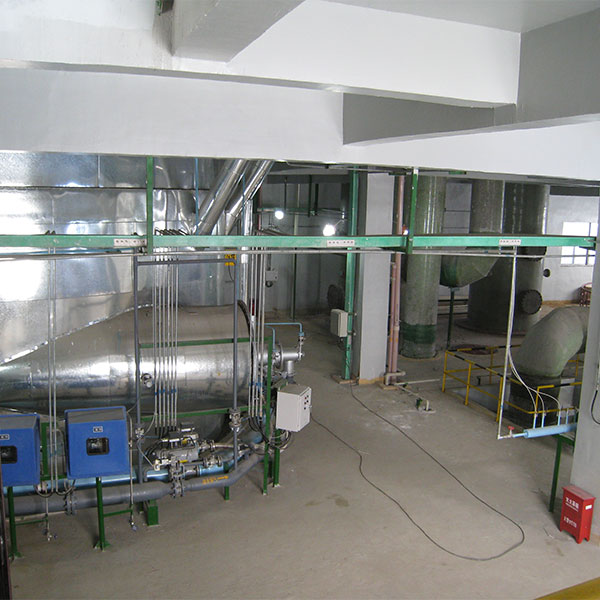 Special acid regeneration equipment
 -
 Technology of desulfurization and CO2 removal using NHD method
Relatedsearch
Related Search- China control valve price
- China Natural Gas Liquefaction Unit Manufacturers
- China Oxygen Production by Pressure Swing Adsorption Manufacturers
- China gas adsorbents price
- China Adsorbent Suppliers
- China Russian natural gas liquefaction technology product
- China air conditioner valve exporters
- China Adsorbent Factory
- China Flue Gas Denitrification SCR、SNC Main Buyer Country
- Wholesale production of oxygen by pressure swing adsorption