


Ethylene tail gas recovery
Ethylene tail gas recovery
Ethylene tail gas is a by-product of the production of this critical chemical. It is a mixture of gases containing, in addition to ethylene itself, other substances that are often not needed for further use. In the past, such gas was often simply released into the atmosphere, causing harm to the environment. Luckily, today there are smarter and more environmentally friendly ways to deal with this waste.
Ethylene tail gas recovery methods
One of the main methods is recycling. This means that the gas containing ethylene is returned to the production process. If the concentration of ethylene in the tail gas is high enough, it can be purified and reused in the production of plastics, polymers or other chemicals, significantly saving resources and reducing the negative impact on the environment. Also, in some cases, some of the gases can be combined and sold as fuel, for example, for boiler houses.
Tail gas separation and purification technologies
Modern technologies make it possible to separate tail gas components with high precision. Various methods are used such as absorption, adsorption, membrane technologies and low temperature condensation. These methods allow the extraction and purification of ethylene, as well as other valuable components, from the mixture. It is important to note that such technologies not only reduce the negative impact on the environment, but also increase the economic efficiency of production, since the full potential of raw materials is used. Proper cleaning also ensures that harmful contaminants are not released into the atmosphere.
Economic and environmental benefits
Utilization of ethylene tail gas is not just an environmental issue, but also an important economic challenge. Recycling and efficient use of waste allows you to reduce the cost of raw materials, reduce the volume of waste that needs to be disposed of, and, of course, reduce the burden on the environment. This has a positive impact not only on enterprises involved in the production of ethylene, but also on the entire ecosystem as a whole, preserving useful resources and reducing emissions into the atmosphere. As a result, tail gas utilization becomes an integral part of environmentally responsible production.
Correspondingproducts
Related Products
Best Sellingproducts
Best Selling Products-
 CO removal by pressure swing adsorption
 -
 VOC tail gas disposal
 -
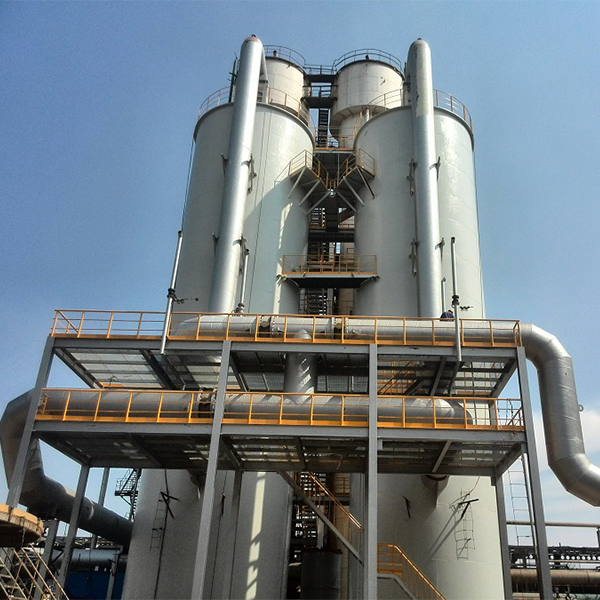 Desulfurization technology using the redox wet method
 -
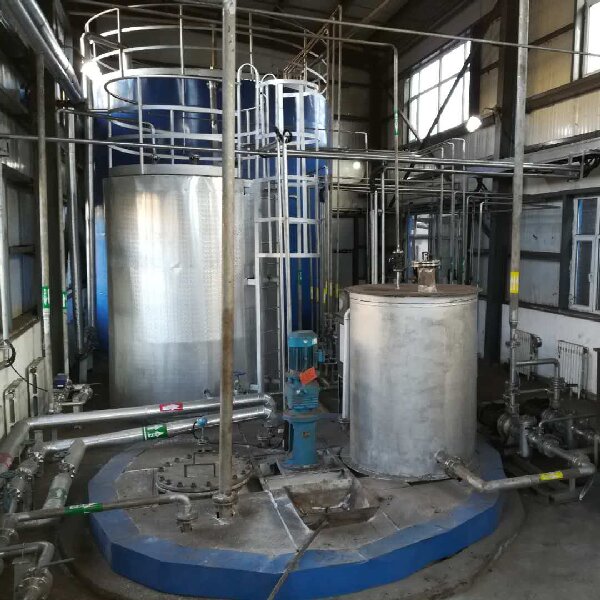 Flue gas denitrification SCR、SNC
 -
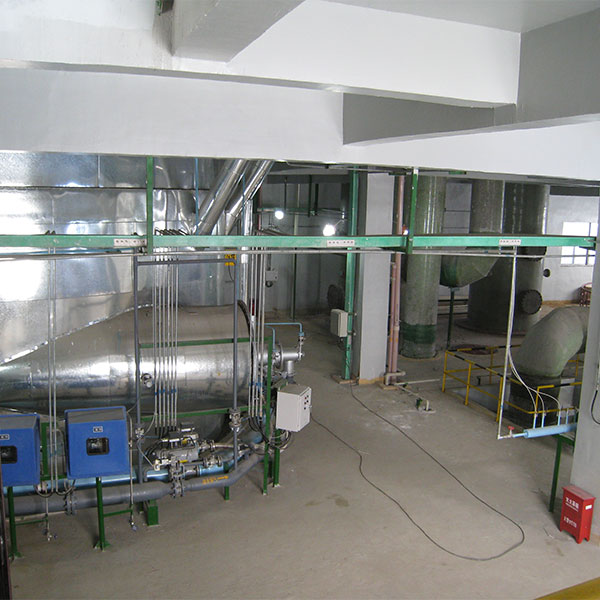 Special acid regeneration equipment
 -
 Liquefaction of natural gas
 -
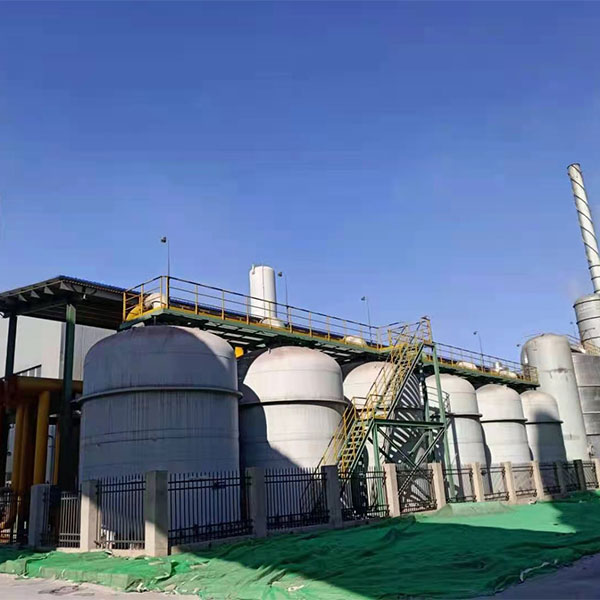 CO2 removal by pressure swing adsorption
 -
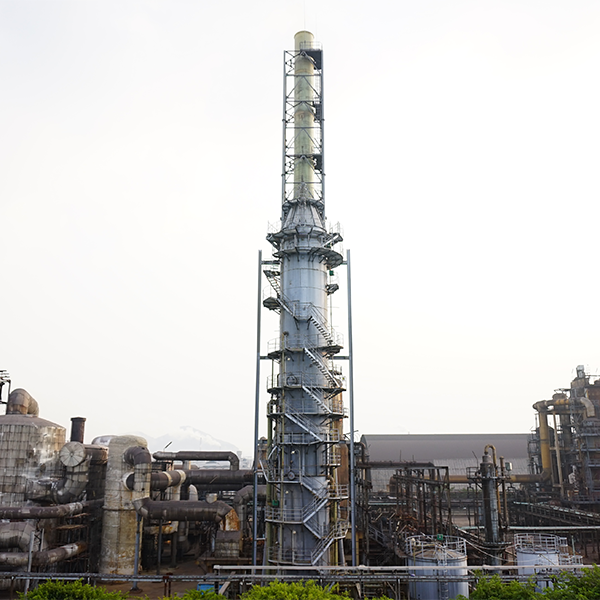 Flue gas desulfurization technology using ammonia
 -
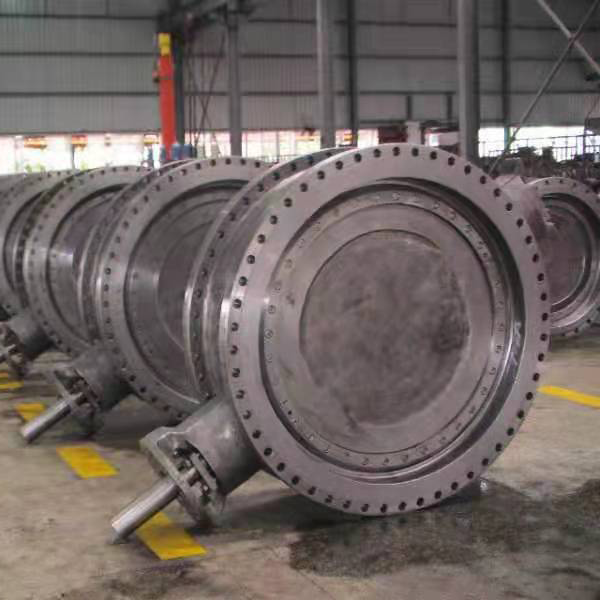 Valve
Valve -
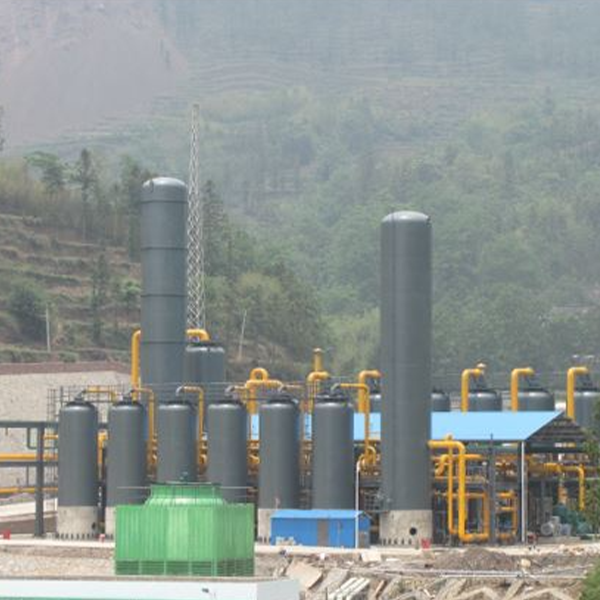 Methane extraction technology - biogas
 -
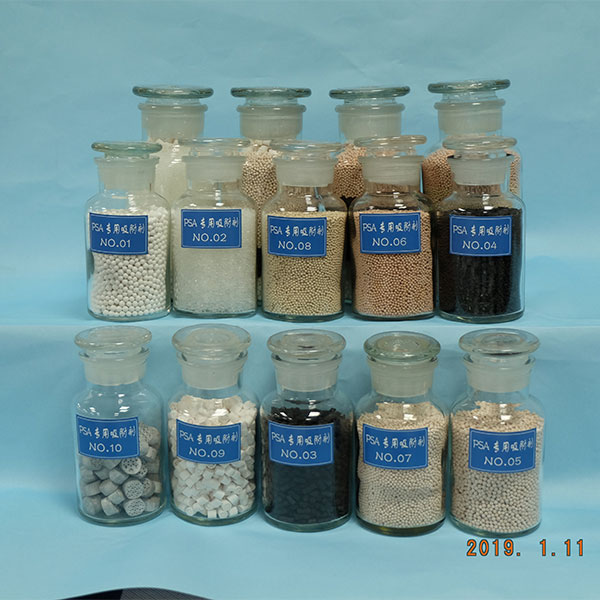 absorbent
 -
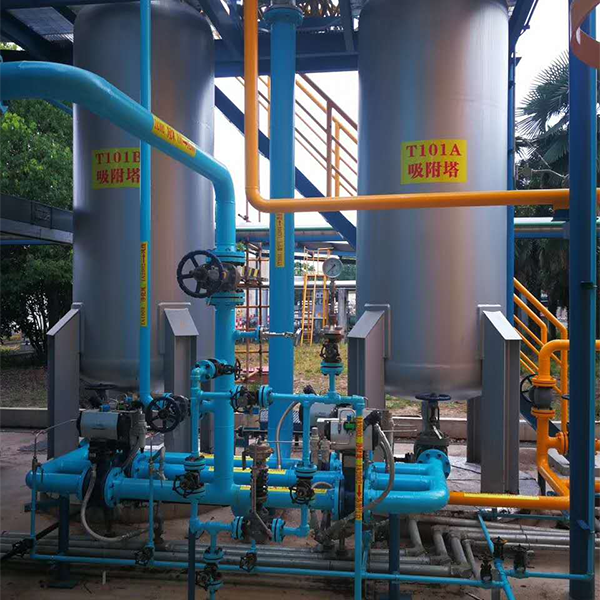 Nitrogen production by pressure swing adsorption
Relatedsearch
Related Search- adsorbent application plant
- China adsorbents for poisoning products
- Buy butterfly valve
- argon purification device
- China Three Way Valve Supplier
- China Flue Gas CO2 Recovery Technology Suppliers
- China sorbent adsorbent exporters
- Technology for desulfurization and CO2 removal using NHD method supplier
- China pressure liquefied natural gas products
- China liquefied natural gas what is the name of exporters