

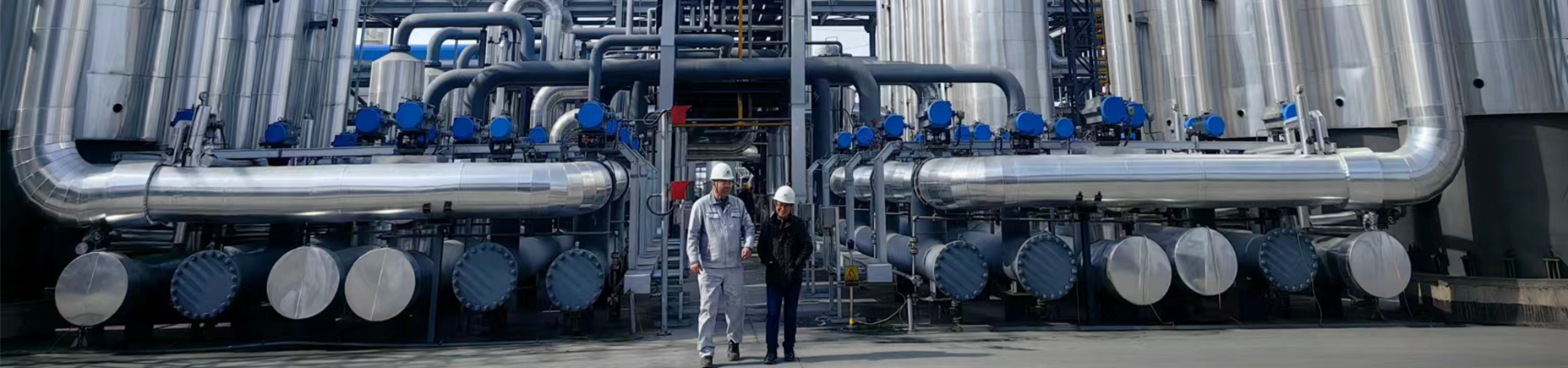
natural gas liquefaction methods
Methods for liquefying natural gas
Natural gas, a valuable source of energy, is often transported over long distances, which requires liquefying it. Why is this necessary? The fact is that liquefied natural gas (LNG) takes up significantly less space than gas in its gaseous state. This makes its transportation much more efficient and cost-effective, especially for sea transport. Let's look at the main methods that are used to achieve this.
Cryogenic refrigeration: the basis of liquefaction
The most common method is cryogenic cooling. Imagine trying to cool water to ice. Natural gas uses very low temperatures, achieved using special refrigeration units. These units use various refrigerants, which, when evaporated and cooled, help lower the temperature of the gas to the boiling point. The process occurs in several stages: initially the gas is cleared of impurities, then it is cooled to very low temperatures, and finally it is liquefied.
Different cooling methods: choice of technology
There are several specific ways to achieve low temperatures. One of them is the use of multi-stage refrigeration units. They are similar to the multi-stage cooling system in a refrigerator, but operate under much harsher conditions. Another method is to use adiabatic expansion. This is a physical process where a gas expands and cools. The choice of a specific method depends on many factors, including the initial characteristics of the natural gas and the equipment available. Large gas fields typically use powerful plants that efficiently process large volumes of gas, while smaller operations may use more compact systems.
From liquefaction to transportation: key steps
After liquefaction, natural gas is stored in special tanks that are designed to withstand very low temperatures. These storage facilities must be well insulated to minimize heat exchange with the environment and keep the gas in a liquid state. Next, liquefied gas is loaded onto tanker ships and sent to consumers. It is important to note that the entire process - from production to delivery of LNG - must be environmentally friendly and controlled to strict standards. After all, the use of natural gas is an important aspect of ensuring energy security and sustainable development.
Correspondingproducts
Related Products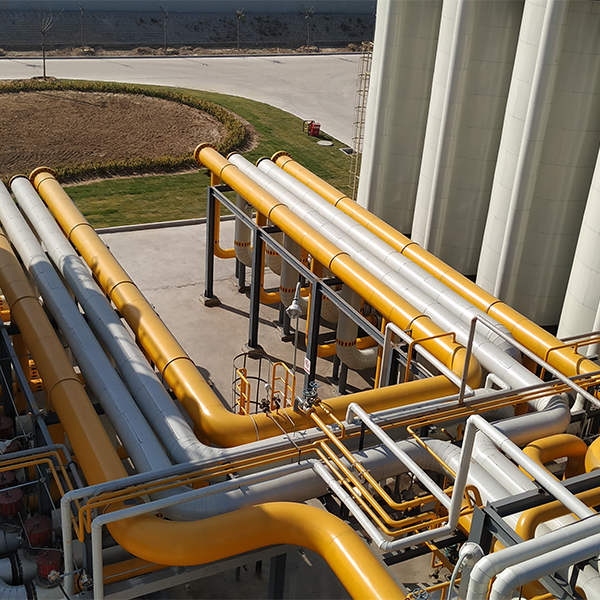
Best Sellingproducts
Best Selling Products-
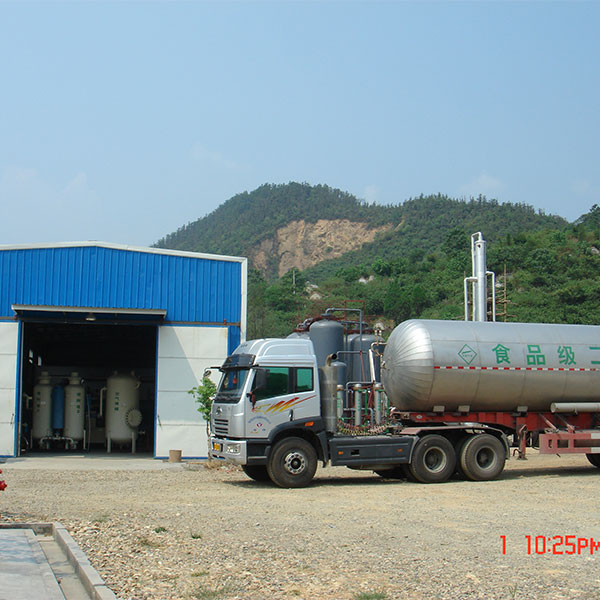 Food grade CO2 purified
 -
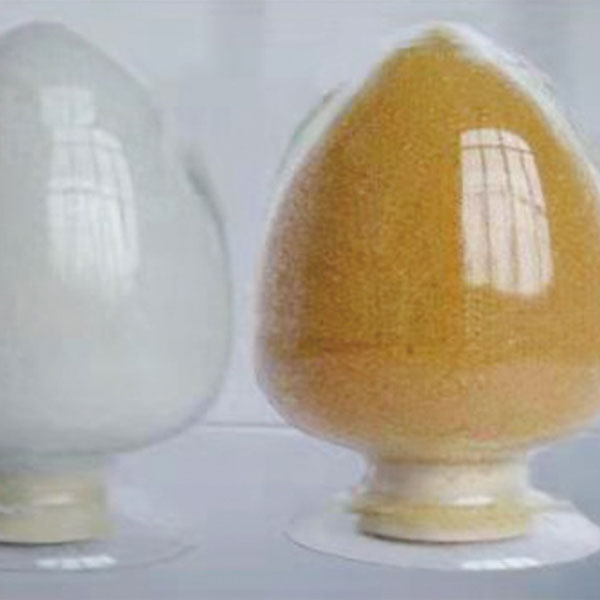 Unit desalting and demineralization equipment and special resin
 -
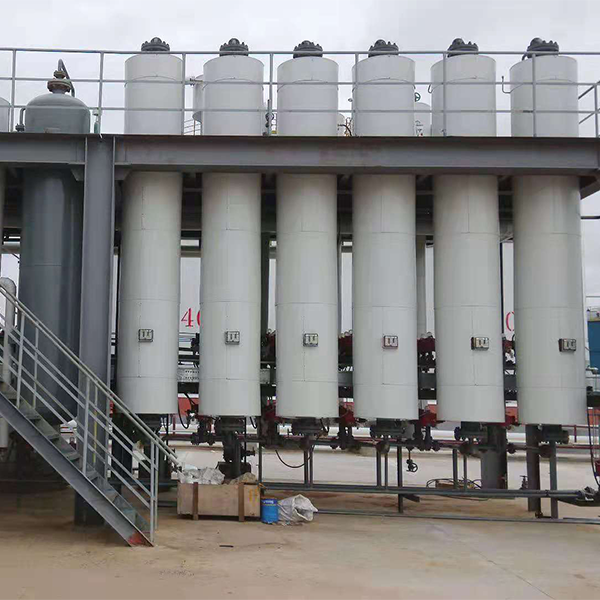 Hydrogen production by splitting methanol
 -
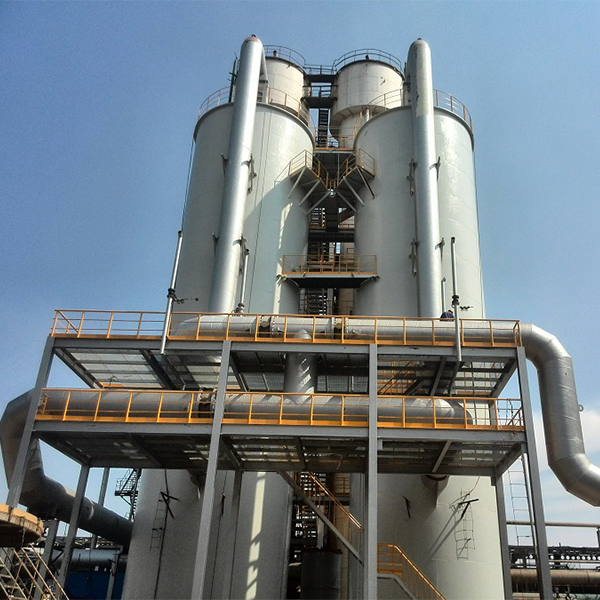 Desulfurization technology using the redox wet method
 -
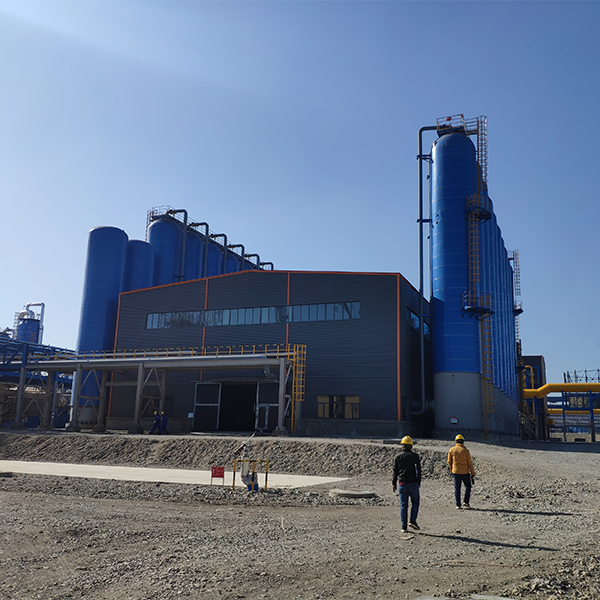 Hydrogen production by coal gasification
 -
 Special acid regeneration equipment
 -
 Valve
Valve -
 CO2 removal by pressure swing adsorption
 -
 Ionic liquid desulfurizer
 -
 Vinyl chloride recycling technology
 -
 Methane extraction technology - biogas
 -
 Wet CO2 removal technology
Relatedsearch
Related Search- China Russian liquefied natural gas technology Arctic cascade exporters
- China production of adsorbents product
- China air conditioner valve products
- China Carbon Adsorbent Suppliers
- China Wet Method CO2 Removal Technology Suppliers
- China Three Way Valve Manufacturers
- Technology for desulfurization and CO2 removal using NHD method supplier
- China Waste Acid Recovery Suppliers
- China Air Conditioner Valve Manufacturers
- China air adsorbents Main buyer country