


Adsorbent manufacturer
Adsorbent manufacturer
In today's world, where technology is developing at an incredible speed, there is an increasing need for effective and reliable methods for purifying and separating substances. A key role in this process is played by adsorbents - materials that can accumulate molecules of other substances on their surface. The production of adsorbents is a complex but critical process that provides a wide range of applications.
Main types of adsorbents and their applications
Adsorbents come in many different types, each with their own unique characteristics. Carbon adsorbents, for example, are often used to purify water and air by absorbing harmful impurities. Silica gels and alumina gels are indispensable in drying processes, and zeolites, with their unique structure, are used in catalytic processes and separation of various components. The variety of applications of adsorbents is enormous: from the purification of industrial emissions to the creation of new drugs.
Factors influencing the choice of adsorbent
The choice of a specific adsorbent depends on many factors. The nature of the substance to be purified or separated must be taken into account. The surface area of the adsorbent plays an important role; the larger it is, the more efficient the adsorption. It is also critical to consider the mechanical strength, regenerability and cost of the material. The correct choice of adsorbent directly affects the efficiency of the entire process and economic feasibility. For example, if large volumes of water are required to be purified, then preference will be given to adsorbents with high efficiency and affordable cost.
Adsorbent production: modern technologies
Modern methods of producing adsorbents are based on innovative technologies that make it possible to obtain materials with high adsorption properties. The use of nanotechnology, for example, makes it possible to create materials with a high specific surface area. Moreover, scientists are constantly looking for new ways to synthesize and modify adsorbents, increasing their efficiency and reducing production costs. This means that the production of high-quality adsorbents is becoming an increasingly promising and in-demand area every year. Constant innovation allows us to improve existing materials and create new ones that can solve new, complex problems.
Correspondingproducts
Related Products
Best Sellingproducts
Best Selling Products-
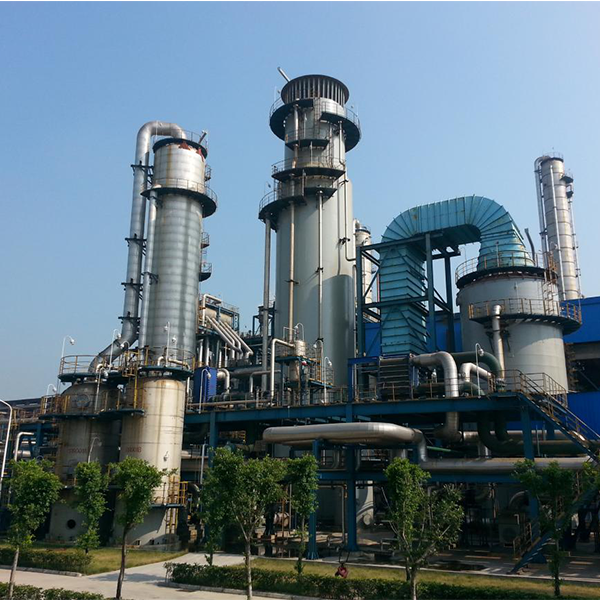 MEA-MDEA-NHD Desulfurization Technology
 -
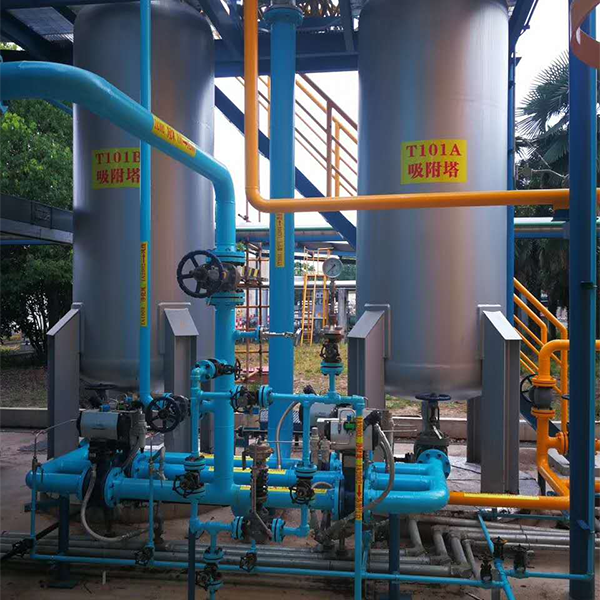 Nitrogen production by pressure swing adsorption
 -
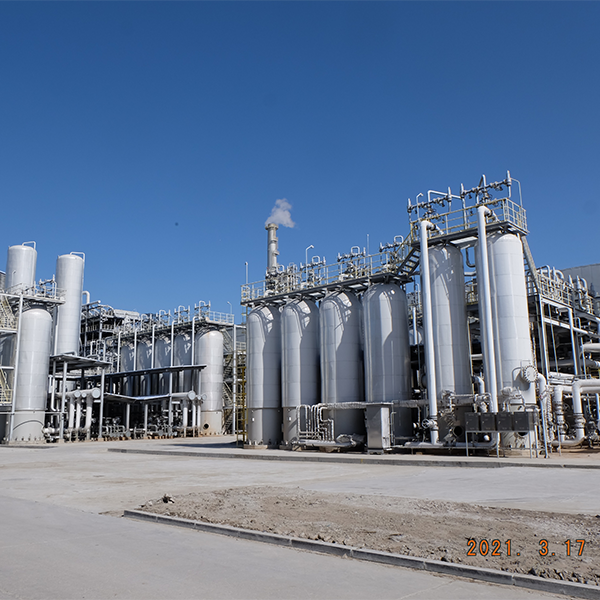 Hydrogen production from coke oven gases
 -
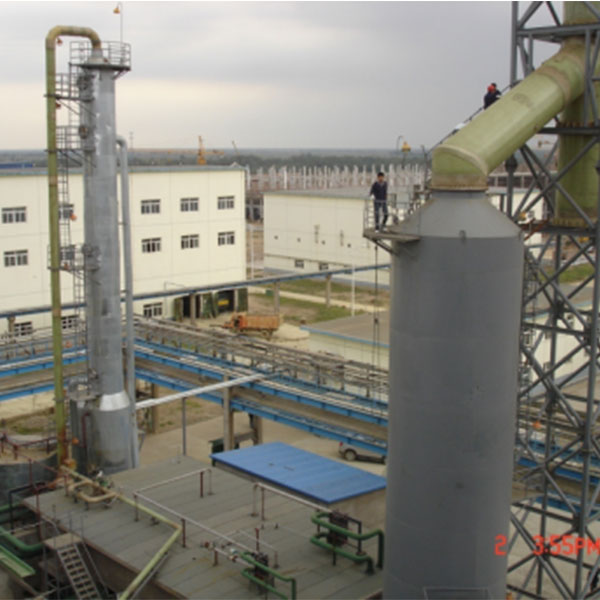 Ionic liquid desulfurization technology
 -
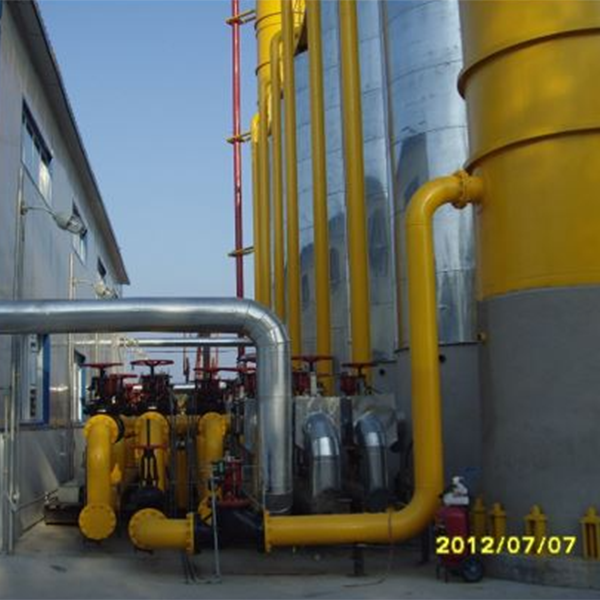 Vinyl chloride recycling technology
 -
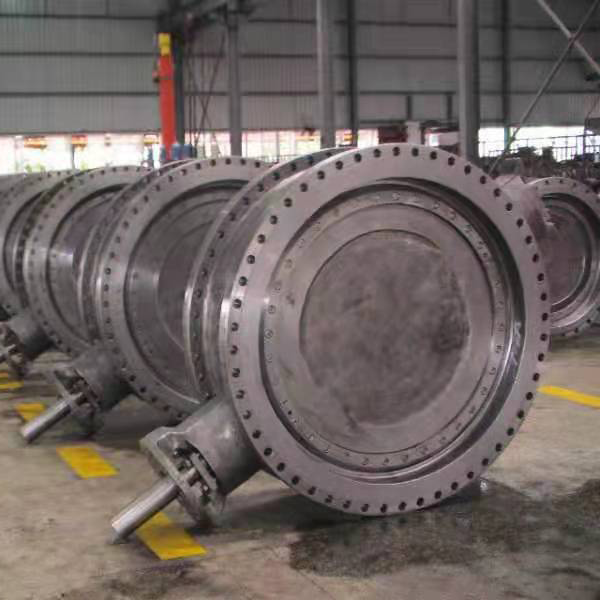 Valve
Valve -
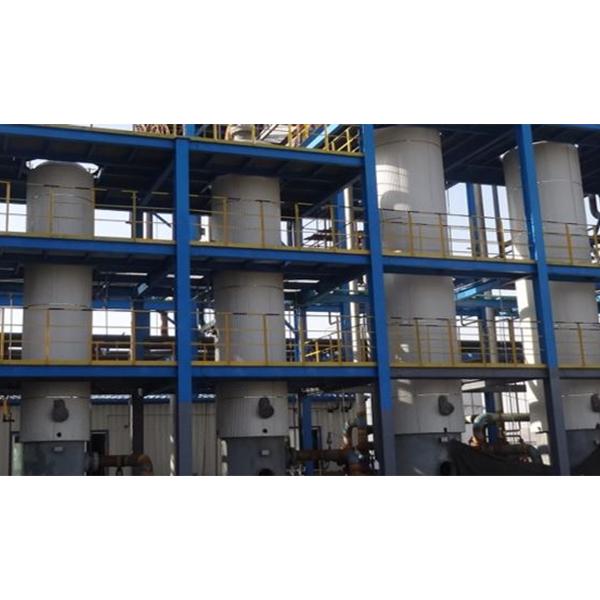 Coal gas organic sulfur fine removal technology
 -
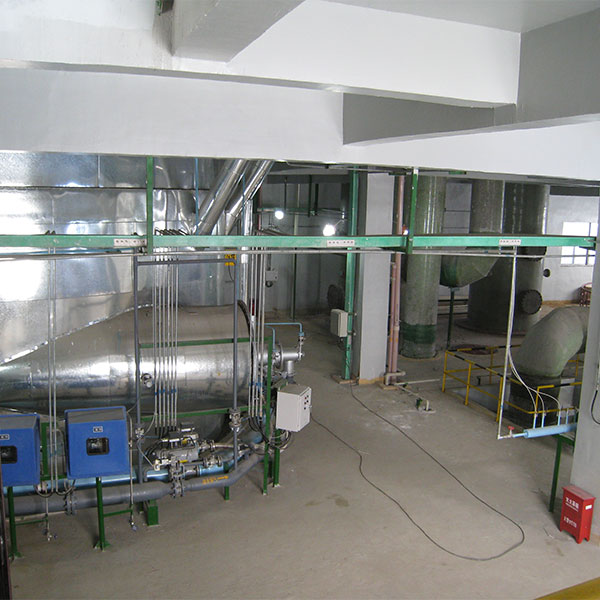 Special acid regeneration equipment
 -
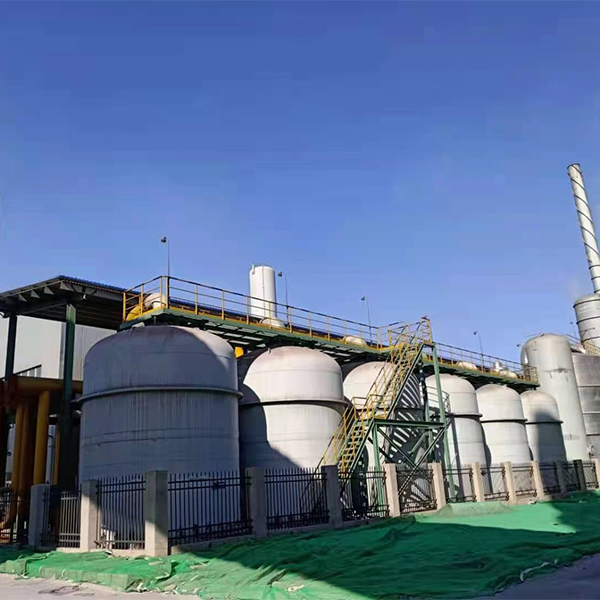 Oxygen purification and utilization
 -
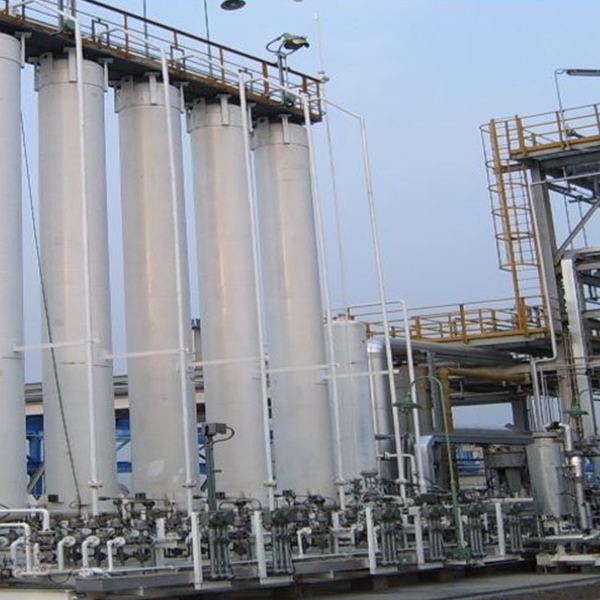 Argon purification
 -
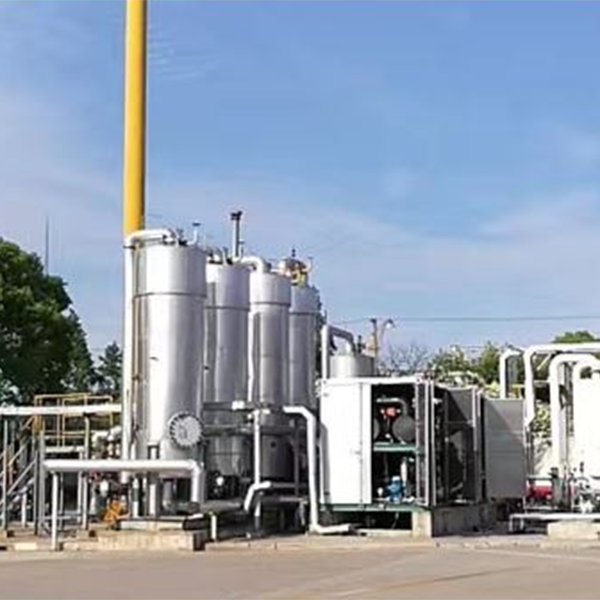 VOC tail gas disposal
 -
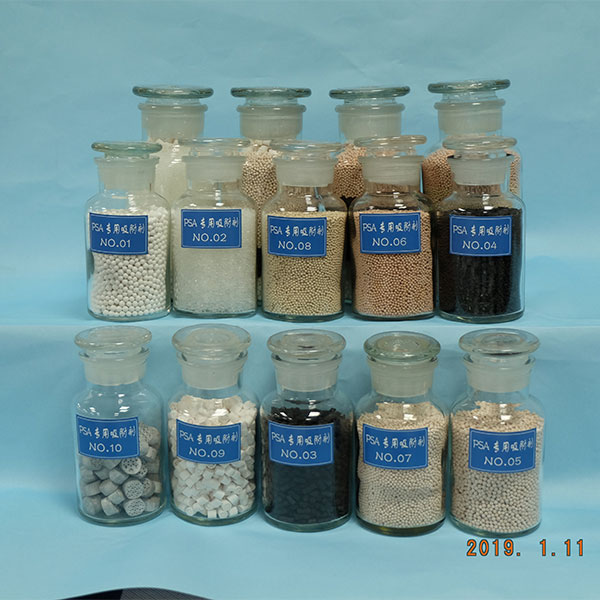 absorbent
Relatedsearch
Related Search- China air adsorbents exporters
- China crankcase valve factory
- Flue gas denitrification SCR、SNC manufacturer
- China Valve Exporter
- China construction of liquefied natural gas plant products
- unique Russian technology for liquefying natural gas
- China Natural Gas Liquefaction Unit Exporter
- China liquefied natural gas plants
- China Waste Acid Recovery Manufacturers
- China compressor valve price