


natural gas liquefaction plant
Natural gas liquefaction plant
Natural gas is a valuable fuel that is used throughout the world to heat homes, generate electricity and operate industrial plants. But how can a gas that normally exists in a gaseous state be turned into a liquid so that it can be conveniently transported over long distances? The answer is a liquefied natural gas plant.
How does the miracle plant work?
The process of liquefying natural gas is based on a simple but ingenious principle: cooling the gas to very low temperatures. Imagine a huge refrigerator capable of cooling gas to minus 160 degrees Celsius! In a factory, complex cooling systems using various refrigerants gradually reduce the temperature of the gas, causing it to turn into a liquid state. The process removes impurities, increasing the purity of the final product. The liquefied natural gas, which looks like a clear blue liquid, is then stored in special insulated tanks. This allows you to significantly reduce its volume, making transportation much more economical and environmentally friendly, in contrast to transporting gas in a gaseous state.
Advantages and disadvantages of natural gas liquefaction.
Liquefied natural gas (LNG) has a number of important advantages. First, it allows gas to be transported over vast distances, connecting regions with rich gas reserves to those where there is a shortage. Secondly, LNG takes up less space in tanks than the same volume of gas in its gaseous state. This saves money on storage and transportation. Thirdly, LNG is a relatively clean fuel.
But there are also disadvantages. The creation and operation of gas liquefaction plants require huge investments and special technologies. The process of producing LNG consumes a lot of energy, which affects the carbon footprint. In addition, LNG storage requires special storage facilities that may be vulnerable to various risks.
The future of LNG.
With increasing energy consumption and the search for alternative fuel sources, the role of LNG will only increase. The development of natural gas liquefaction technologies and further optimization of the production and transportation process will be key factors for its further expansion. LNG's potential as a cleaner, more efficient fuel that can reduce its carbon footprint makes it a critical element of the future energy system.
Correspondingproducts
Related Products
Best Sellingproducts
Best Selling Products-
 Coke gas purification technology
 -
 Hydrogen purification technology by pressure swing adsorption
 -
 Special acid regeneration equipment
 -
 Hydrogen production by splitting methanol
 -
 MPS decarbonization technology
 -
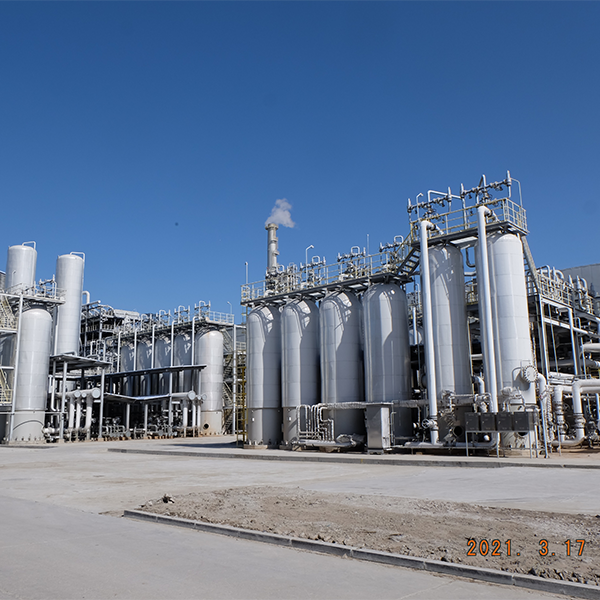 Hydrogen production from coke oven gases
 -
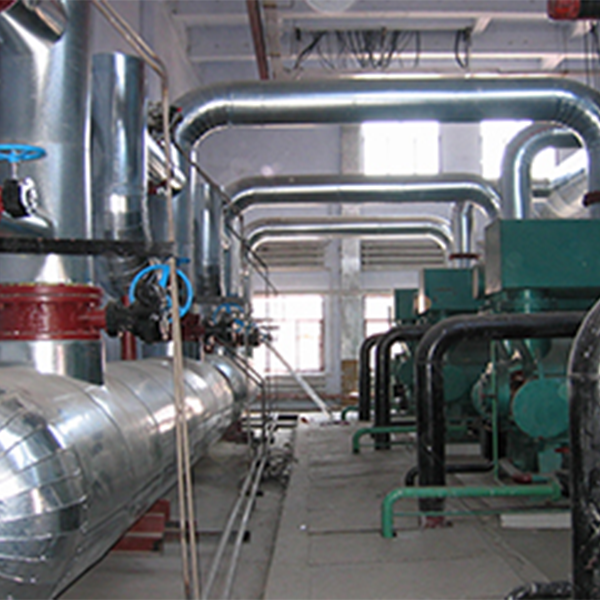 Oxygen production by pressure swing adsorption
 -
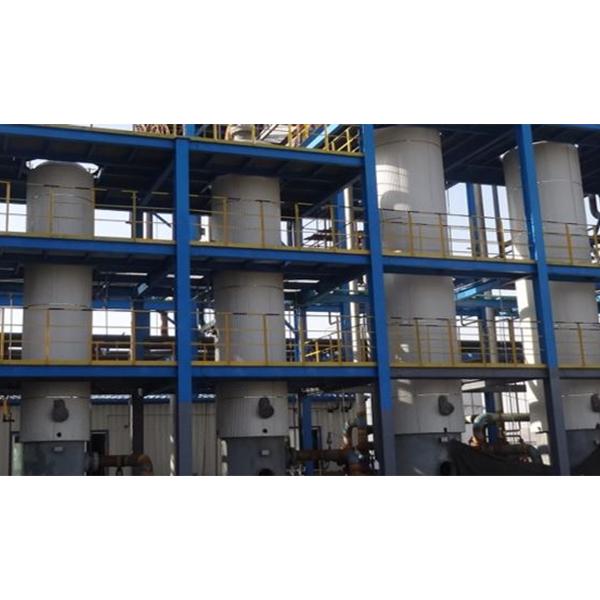 Coal gas organic sulfur fine removal technology
 -
 Battery material precursor production technology
 -
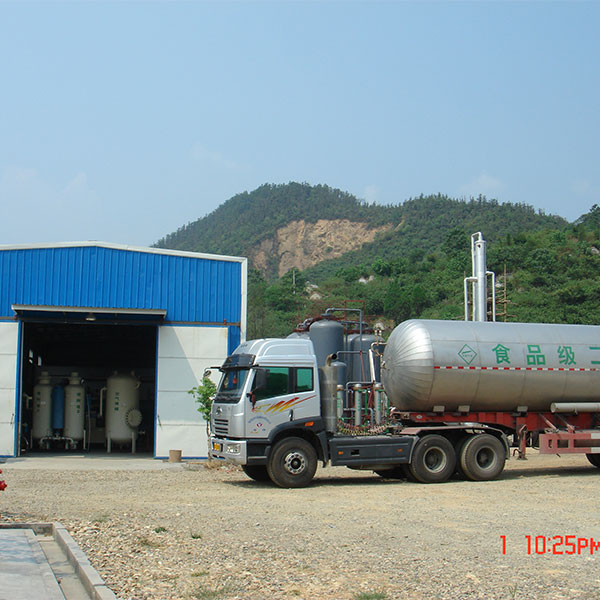 Food grade CO2 purified
 -
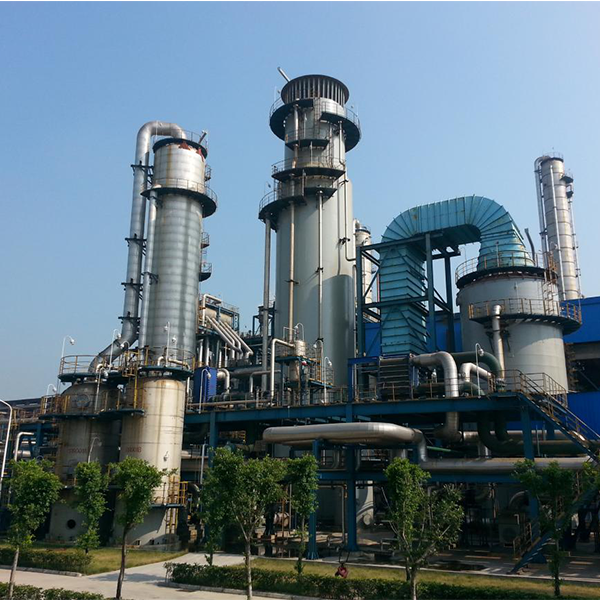 MEA-MDEA-NHD Desulfurization Technology
 -
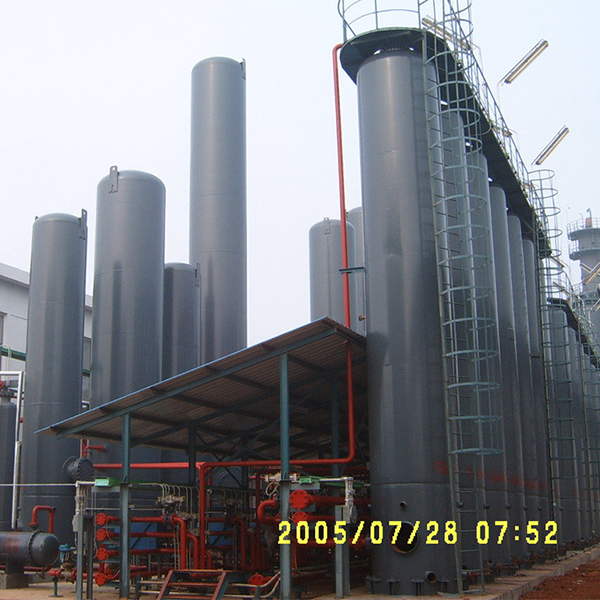 CO removal by pressure swing adsorption
Relatedsearch
Related Search- China Air Conditioner Valve Manufacturer
- water valve
- China Valve Price Suppliers
- China three way valve price
- China adsorbent price Exporter
- China Fuel Valve Exporter
- China Adsorbent Product
- China Adsorbent Substance Supplier
- China adsorbents drugs factories
- China construction of liquefied natural gas plant Exporter