

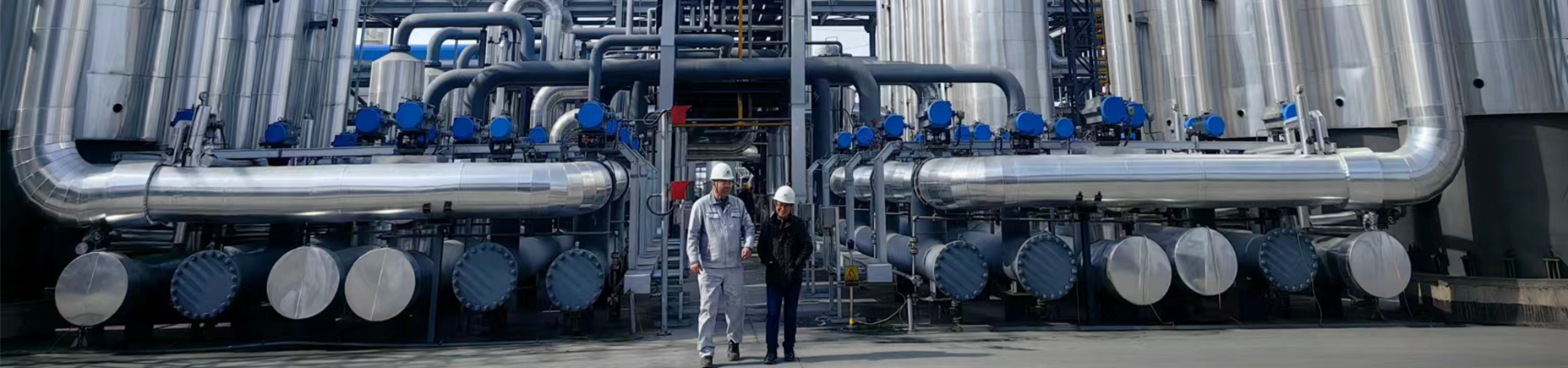
Hydrogen purification technology by pressure swing adsorption plant
Hydrogen purification technology by pressure swing adsorption (PSA) plant
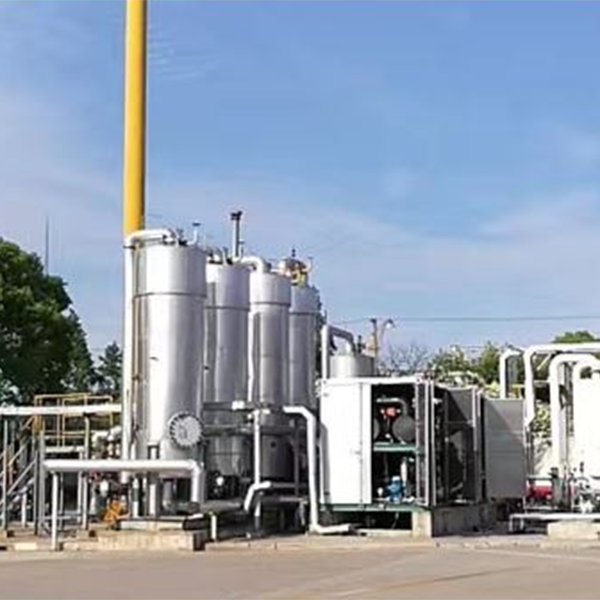
Pressure swing adsorption (PSA) hydrogen purification technology is an effective and relatively inexpensive way to produce pure hydrogen from gas mixtures containing it in lower concentrations. Imagine how you can extract a gem from a pile of sand - this is about the same thing, but with hydrogen. This technology is used in various industries, from fuel production to metallurgy.
Operating principle of PSA hydrogen purification plant
The basis of PSA technology is the use of special adsorbents that selectively absorb certain gases. Inside the installation there are containers (adsorbers) filled with this material. Hydrogen, together with other gases, such as nitrogen or carbon dioxide, passes through the adsorbers. The adsorbent captures unwanted gases while the hydrogen passes on. Then the pressure in the adsorber changes - it decreases, and the trapped gases are released. So, in turn, in different adsorbers, the process of absorption and release of gases occurs, purifying hydrogen. This cycle is repeated, which ensures a pure product. You can imagine how the pump “sucks in”? impurities, then “pushes out” their. The process resembles a conveyor belt for hydrogen purification.
Advantages and disadvantages of PSA technology
This technology has a number of advantages. Firstly, it is relatively easy to operate and maintain. Secondly, it allows the production of high-purity hydrogen, which is important for many applications. Third, PSA installations can be scaled from small laboratory installations to large industrial plants. However, there are also disadvantages. PSA does not always provide the highest degree of purification compared to other methods. And one more thing - the process requires a certain energy consumption to change the pressure in the adsorbers. But in general, this is a fairly economical and acceptable approach for many hydrogen purification tasks.
Applications of Hydrogen Purification Plant
PSA hydrogen purification plants are used in a wide variety of industries. For example, in fuel cells, where high-purity hydrogen is needed. Or in the chemical industry for various syntheses, where impurities can negatively affect the process. In metallurgy, such purification is necessary to obtain special metals. In general, where pure hydrogen is required, PSA technology is typically used. Thus, the technology plays a significant role in providing clean hydrogen for various industrial needs.
Correspondingproducts
Related Products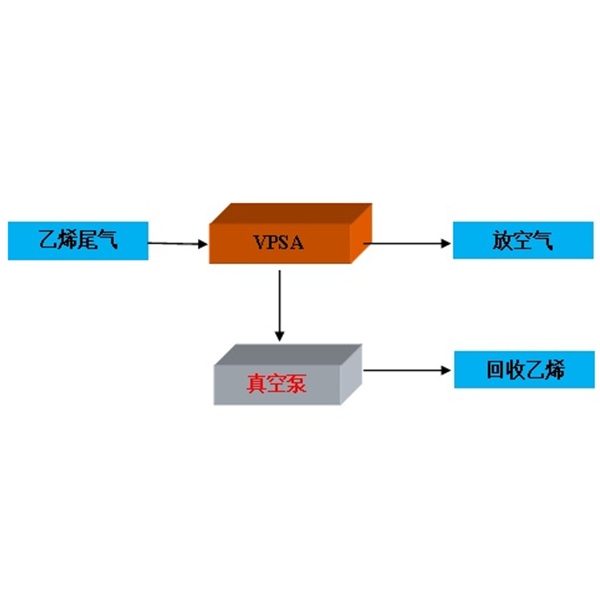
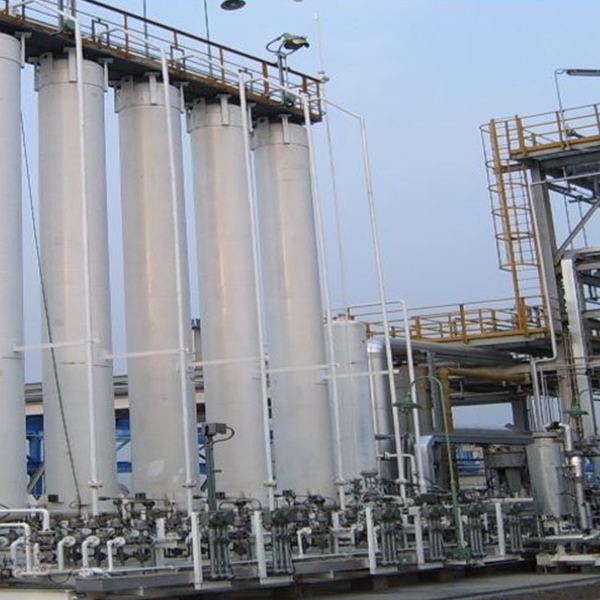

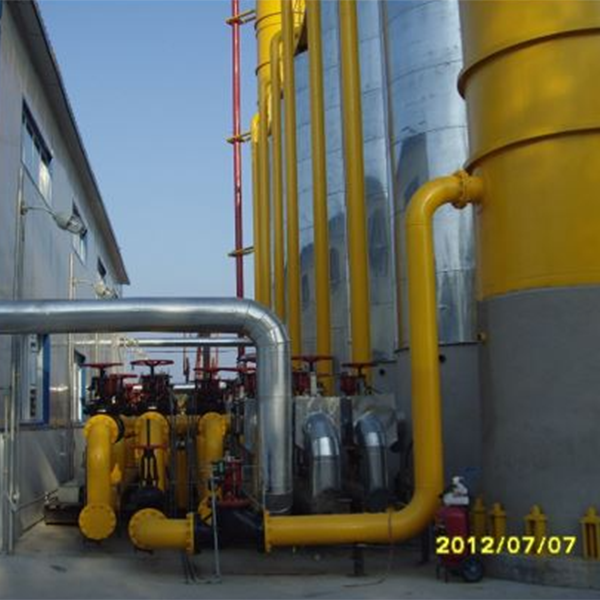
Best Sellingproducts
Best Selling Products-
 Oxygen production by pressure swing adsorption
 -
 Valve
Valve -
 Hydrogen production by splitting methanol
 -
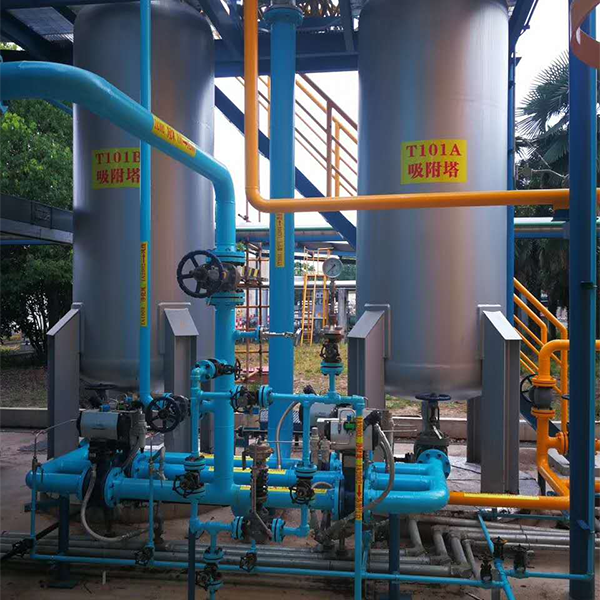 Nitrogen production by pressure swing adsorption
 -
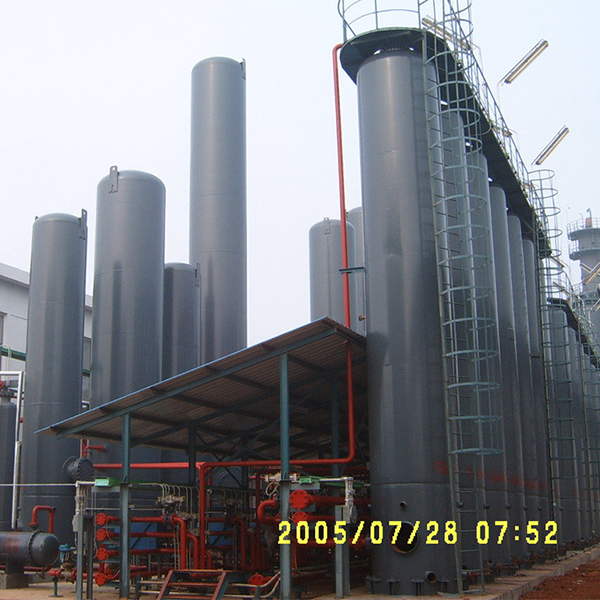 CO removal by pressure swing adsorption
 -
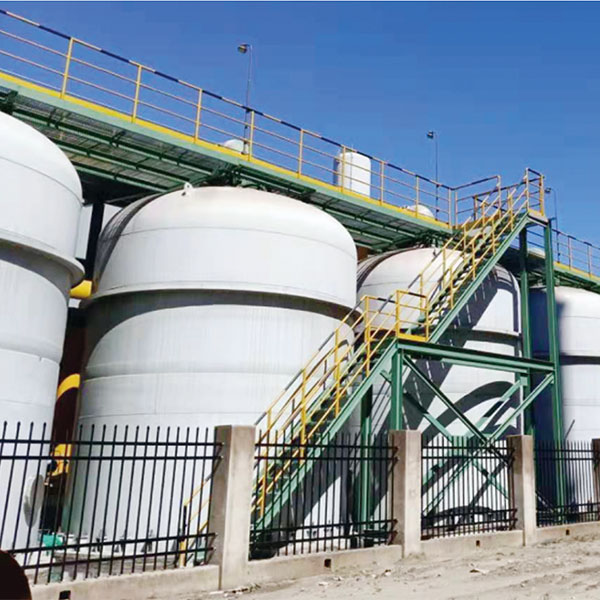 Flue gas CO2 recovery technology
 -
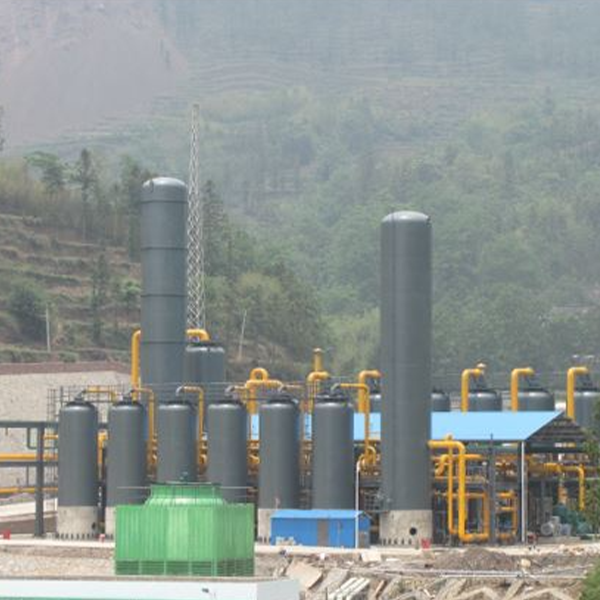 Methane extraction technology - biogas
 -
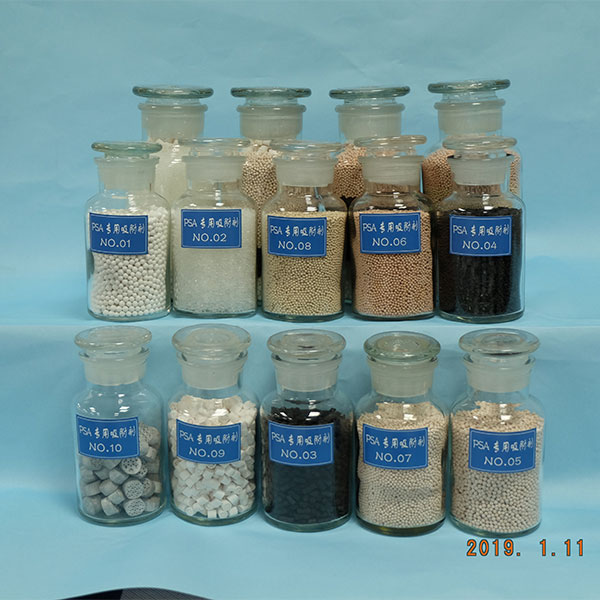 absorbent
 -
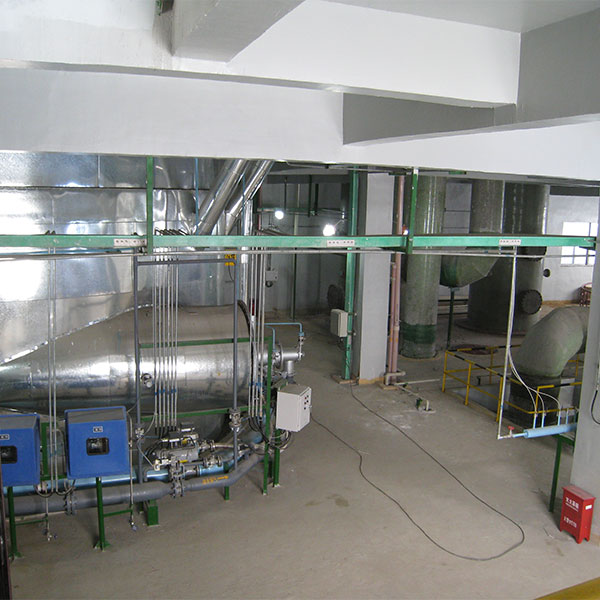 Special acid regeneration equipment
 -
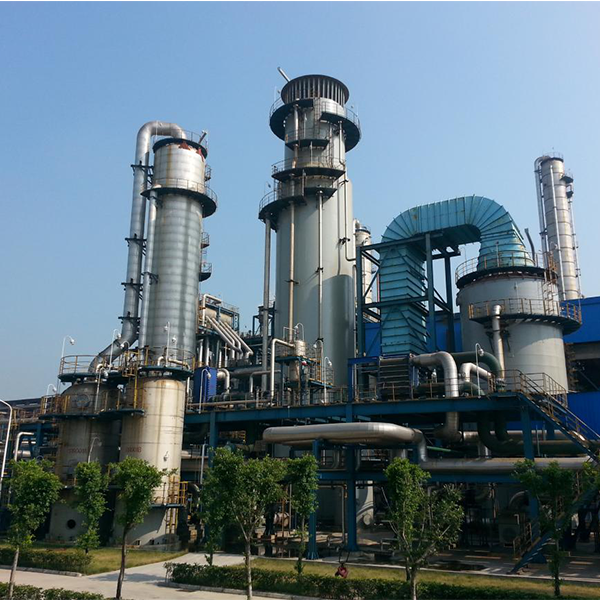 MEA-MDEA-NHD Desulfurization Technology
 -
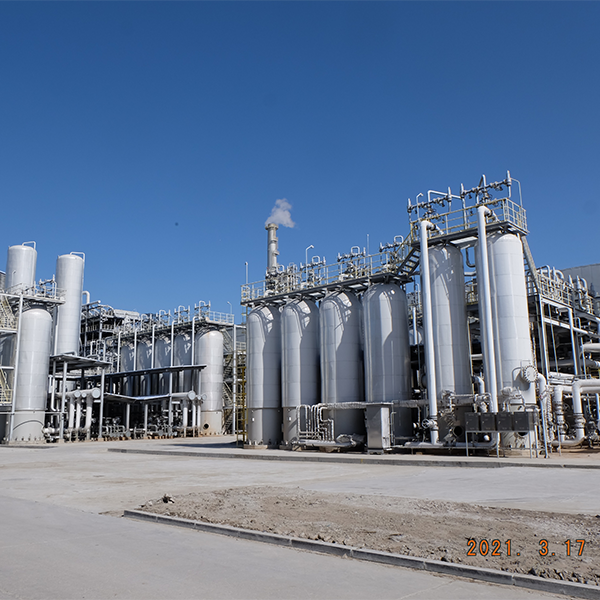 Hydrogen production from coke oven gases
 -
 VOC tail gas disposal
Relatedsearch
Related Search- China injector valve factory
- zeolite adsorbent manufacturer
- Nitrogen production by pressure swing adsorption manufacturer
- China Russian Natural Gas Liquefaction Technology Manufacturer
- MEA/MDEA/NHD Desulfurization Technology
- natural gas liquefaction process
- China water valve product
- China NHD CO2 Desulfurization and Removal Technology Manufacturers
- China VOC Tail Gas Recycling Manufacturers
- China catalyst adsorbent Manufacturer