


MEA/MDEA/NHD Desulfurization Technology
MEA/MDEA/NHD Desulfurization Technology
Desulfurization technologies are an important part of the natural gas purification process. Sulfides contained in gas can cause irreparable harm to equipment and the environment. Therefore, their removal is a critical task. Among modern methods, a group of technologies using organic solvents, such as MEA (ethylenediamine), MDEA (methylenediamine) and NHD (diisopropylamine), stands out. These solvents essentially trap sulfur compounds, extracting them from the gas.
### Operating principle of solvents
The operation of these technologies is based on the chemical interaction between sulfur compounds (mainly hydrogen sulfide) and organic solvents. These solvents absorb hydrogen sulfide, forming compounds that are then removed from solution. Different solvents (MEA, MDEA, NHD) have their own characteristics that affect the efficiency of desulfurization. For example, MEA is easier to use but has lower effectiveness, while MDEA is more effective but more difficult to use. NHD is the most modern technology with high efficiency and relatively low reagent consumption.
### Selecting the optimal solvent
The choice between MEA, MDEA and NHD depends on specific conditions. Factors that determine the best option include: the concentration of hydrogen sulfide in the gas, process pressure and temperature, and economic considerations. For example, in situations with high concentrations of hydrogen sulfide or when operating in harsh temperature conditions, MDEA or NHD may be a better choice, providing higher efficiency. In simpler cases, MEA can be a completely sufficient and cost-effective solution. Professional specialists select the optimal technology, taking into account all these factors, in order to achieve maximum efficiency and economic benefits.
### Environmental benefits
It is important to understand that modern desulfurization methods using these solvents are relatively environmentally friendly. Once the hydrogen sulfide is absorbed, the solvent is recovered and the hydrogen sulfide is either burned or used as a feedstock to produce other chemicals. This helps reduce emissions of sulfur dioxide gases into the atmosphere and minimizes the negative impact on the environment, which is very important for preserving the environment. Thus, these technologies make it possible to achieve a high level of gas purification and, at the same time, take care of the environment.
Correspondingproducts
Related Products

Best Sellingproducts
Best Selling Products-
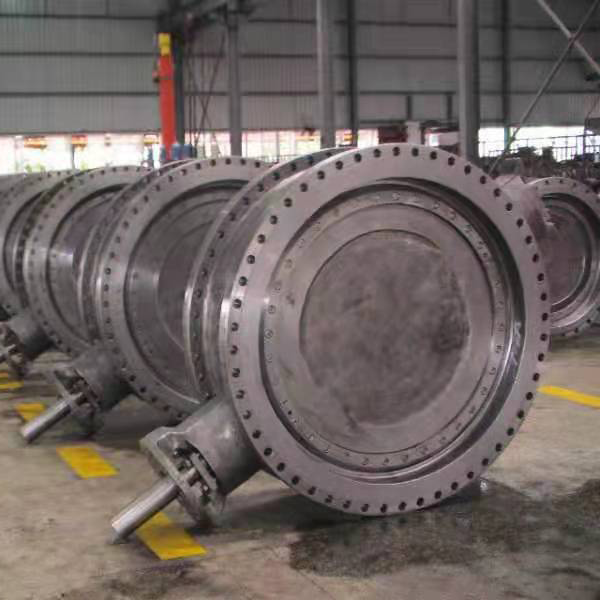 Valve
Valve -
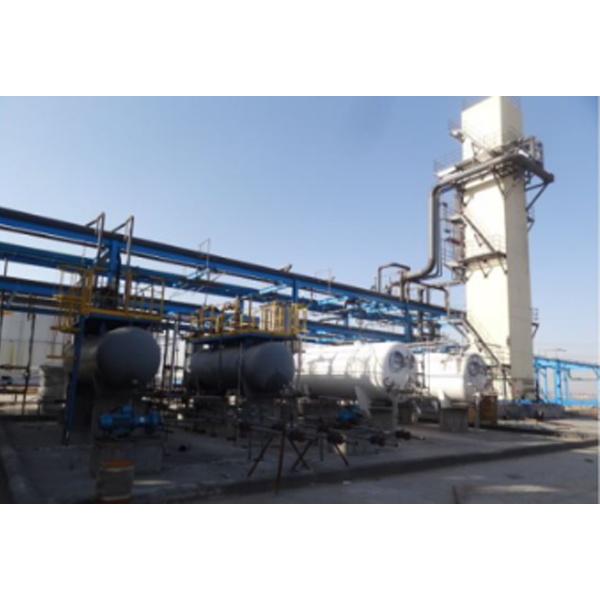 Liquefaction of natural gas
 -
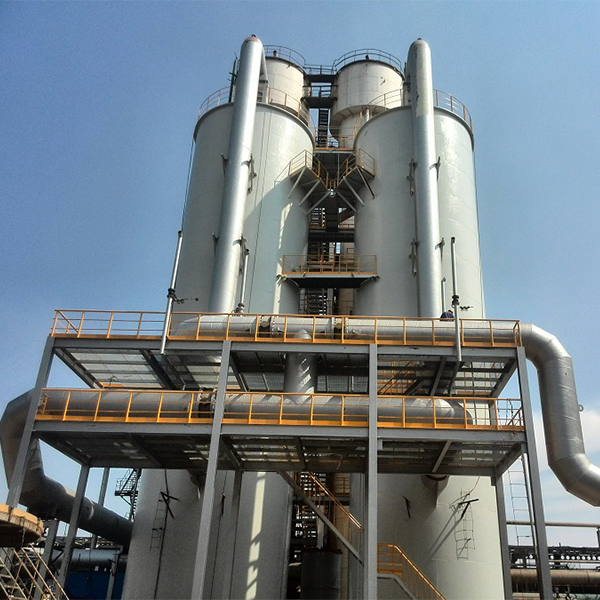 Desulfurization technology using the redox wet method
 -
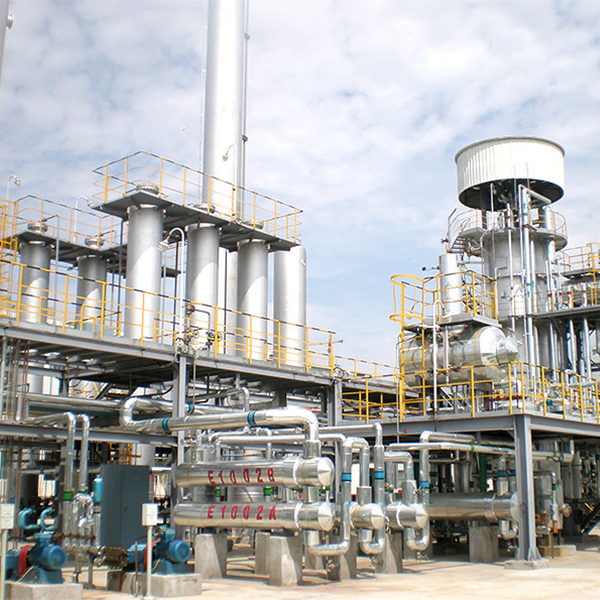 Hydrogen production by conversion of light hydrocarbons with steam
 -
 VOC tail gas disposal
 -
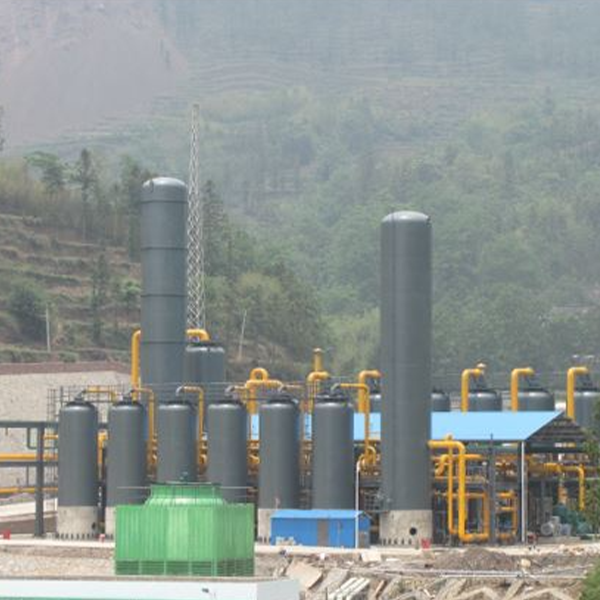 Methane extraction technology - biogas
 -
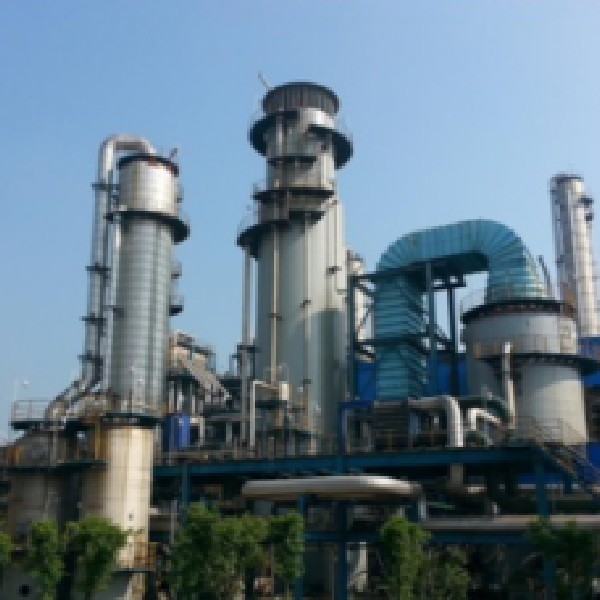 MPS decarbonization technology
 -
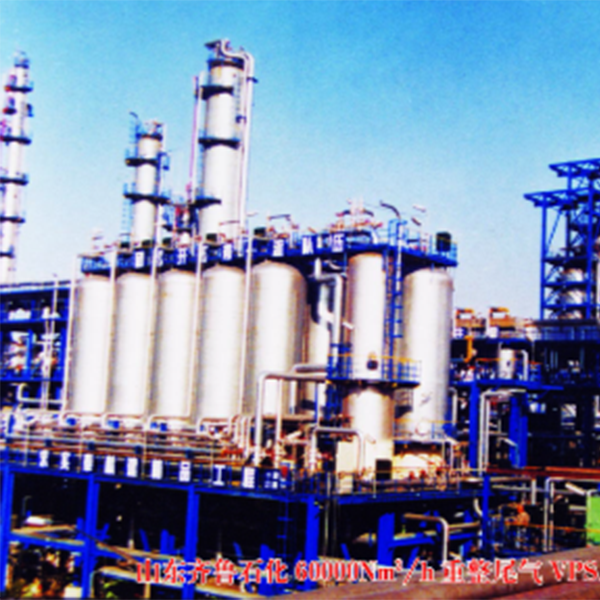 Hydrogen purification technology by pressure swing adsorption
 -
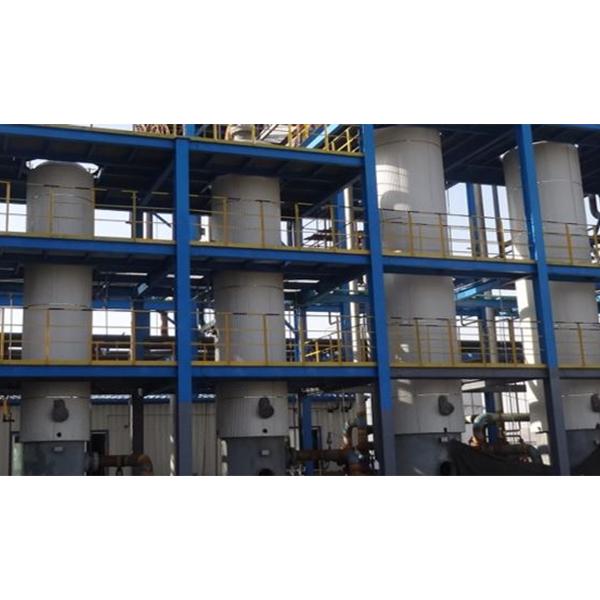 Coal gas organic sulfur fine removal technology
 -
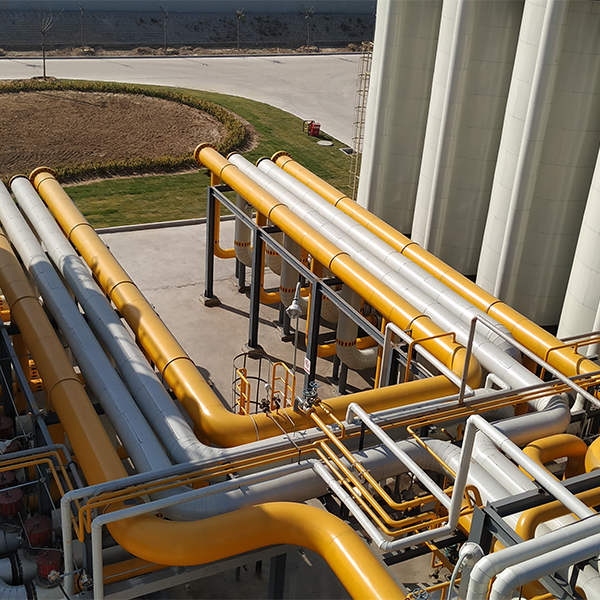 Coke gas purification technology
 -
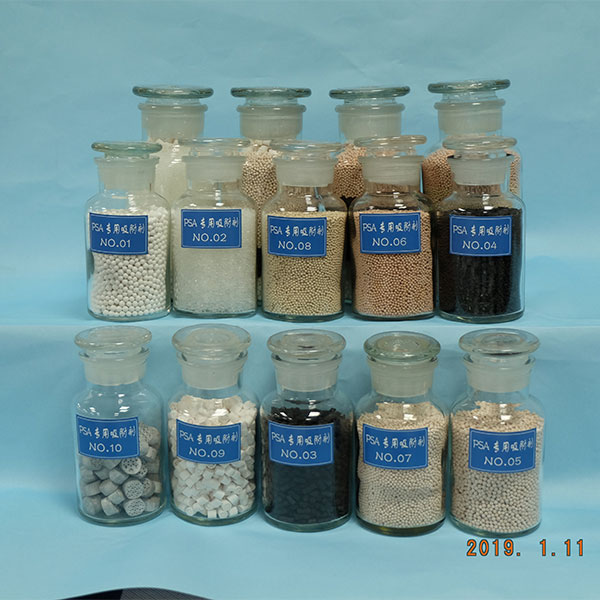 absorbent
 -
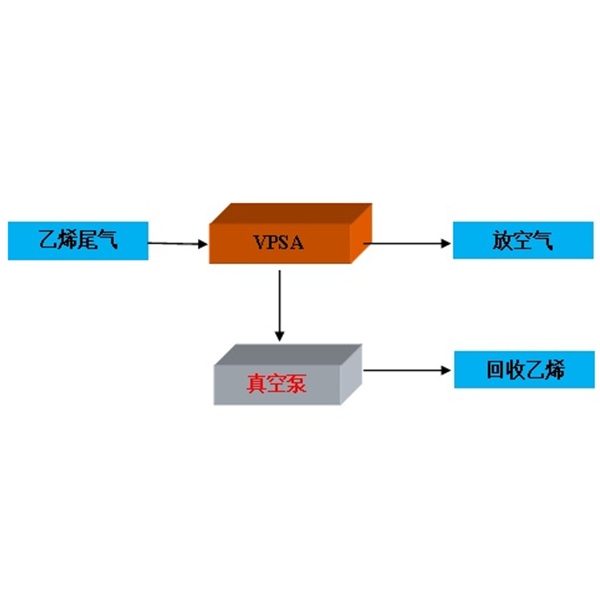 Ethylene tail gas recovery
Relatedsearch
Related Search- China Domestic Natural Gas Liquefaction Suppliers
- China Desalting and Demineralization Unit Equipment and Special Resin Factory
- China sorbent adsorbent products
- China Natural Gas Liquefaction Equipment Supplier
- China Pressure Swing Adsorption Hydrogen Purification Technology Supplier
- China mycotoxin adsorbent products
- China liquefied natural gas plant exporters
- MEA/MDEA/NHD Desulfurization Technology
- China pressure liquefied natural gas exporters
- China check valve factory