

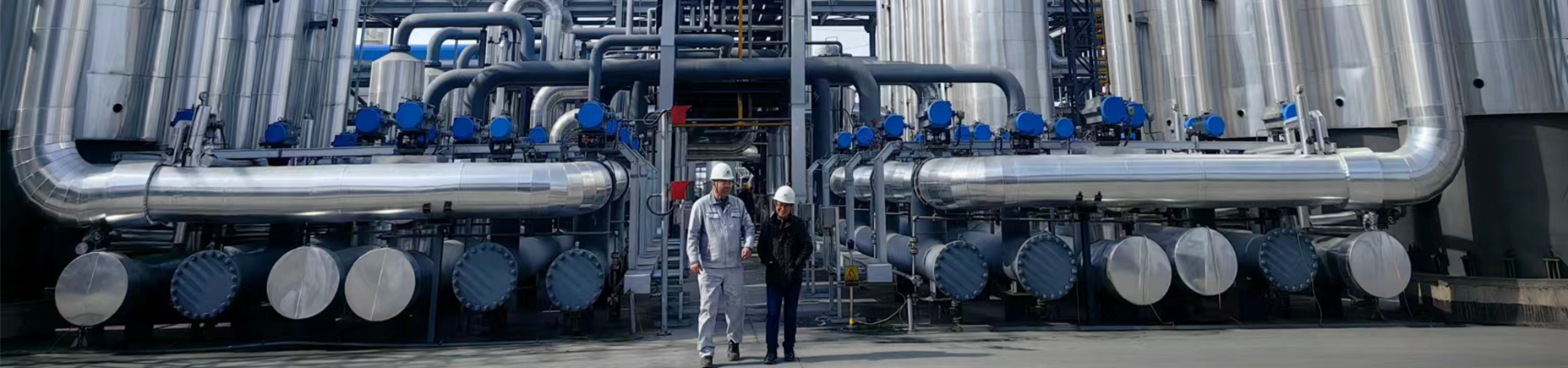
natural gas liquefaction process
Natural gas liquefaction process
Natural gas is a valuable and in-demand resource used for heating, cooking and energy production. However, in order for it to be conveniently transported over long distances, it must be liquefied. Think about regular air: you can't just take it and put it in a truck. And natural gas, in its gaseous state, takes up a lot of space. Liquefaction is like packing a gas into a compact liquid.
Stages of natural gas liquefaction
The liquefaction of natural gas (LNG) process is a complex but understandable technology. First of all, the gas is cleaned of impurities. Imagine that you are preparing tea, but there is dirt in it. It’s the same with gas - it is necessary to remove all unnecessary substances. After purification, the gas is cooled to very low temperatures. This is equivalent to freezing water to turn it into ice. For cooling, special refrigeration units are used that operate based on the principles of physics. The process requires a huge amount of energy, but as a result the gas turns into a liquid state. This is liquefied natural gas (LNG).
Advantages of liquefied natural gas
The resulting LNG has a number of advantages. Firstly, it takes up significantly less space compared to gas in its gaseous state. This allows it to be conveniently transported by sea tankers and other vehicles over vast distances. This is extremely important for countries that do not have their own natural gas reserves or are located far from large fields. In addition, liquid gas is much safer to store and transport than its gaseous counterpart, since in liquid form it is not as flammable. This significantly reduces risks.
Practical application of natural gas liquefaction process
Liquefied natural gas (LNG) is widely used throughout the world. It is used to produce electricity, heat homes, and, of course, industrial use. In essence, liquefied natural gas is a modern fuel that allows you to produce energy in a more efficient and convenient way than other types of fuel, such as coal or fuel oil. Using advanced technologies, humanity can not only save resources, but also reduce the harmful impact on the environment.
Correspondingproducts
Related Products
Best Sellingproducts
Best Selling Products-
 MPS decarbonization technology
 -
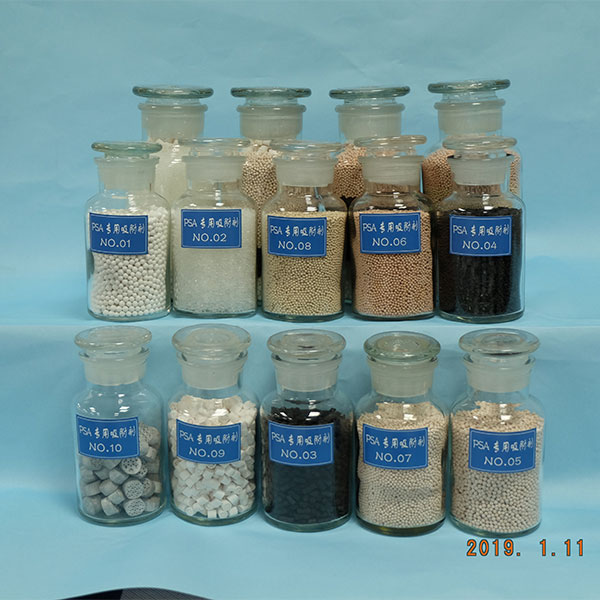 absorbent
 -
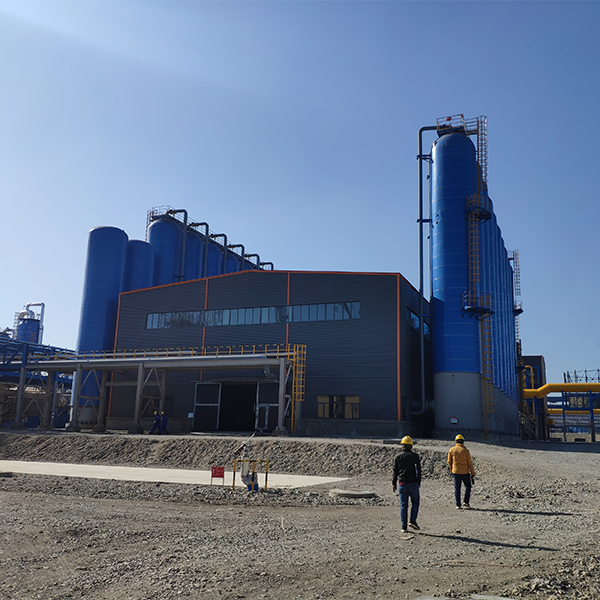 Hydrogen production by coal gasification
 -
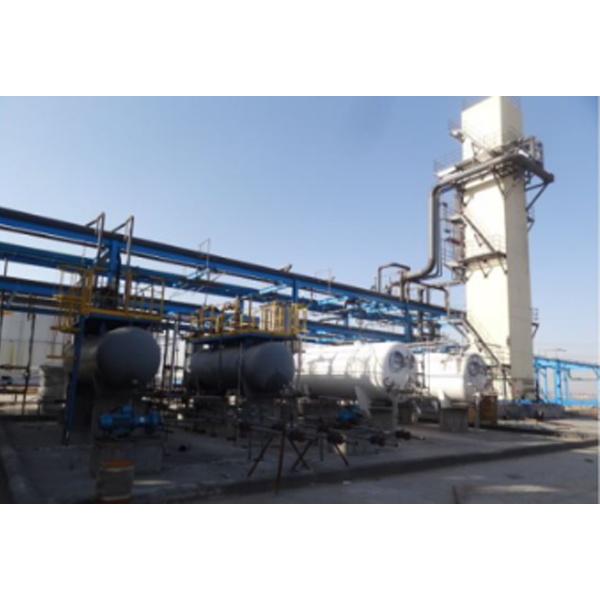 Liquefaction of natural gas
 -
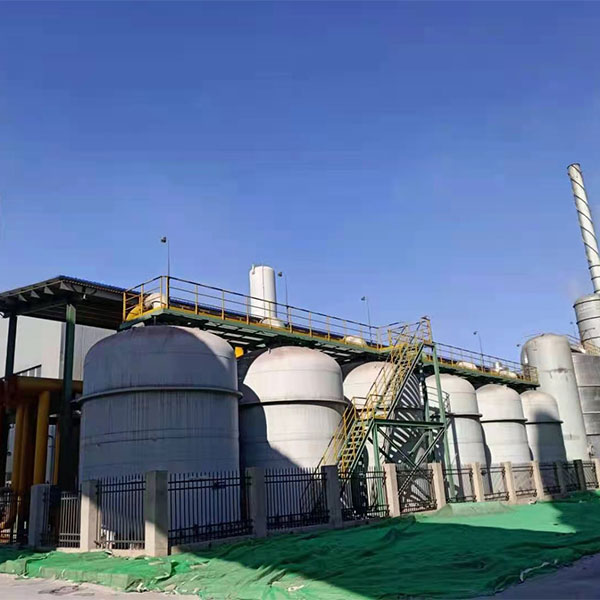 CO2 removal by pressure swing adsorption
 -
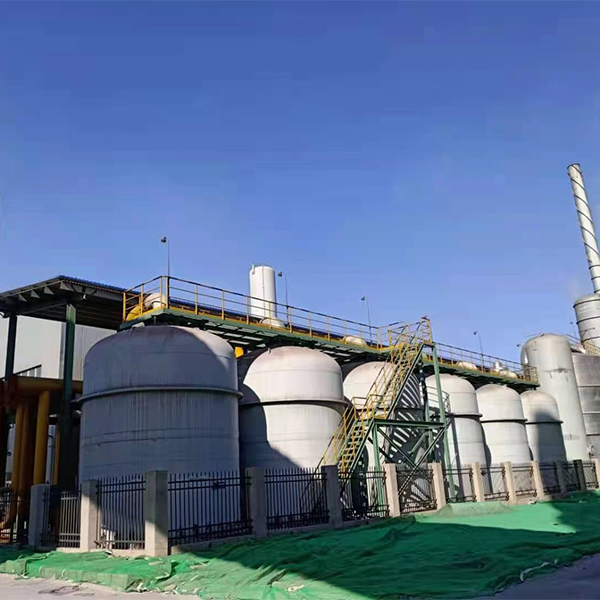 Oxygen purification and utilization
 -
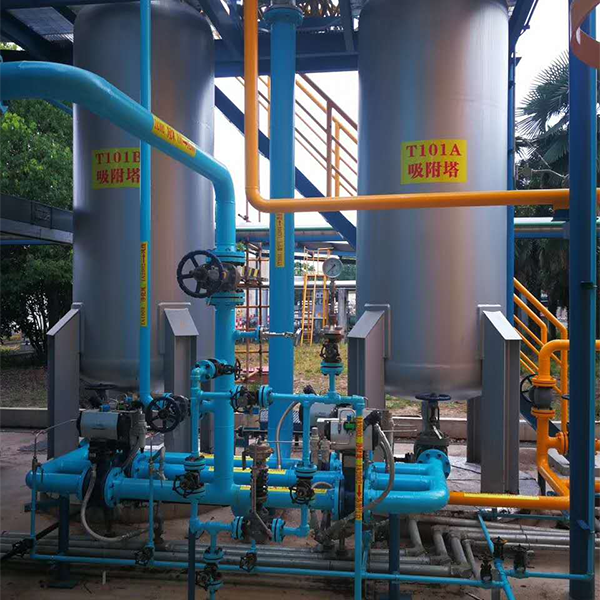 Nitrogen production by pressure swing adsorption
 -
 Hydrogen purification technology by pressure swing adsorption
 -
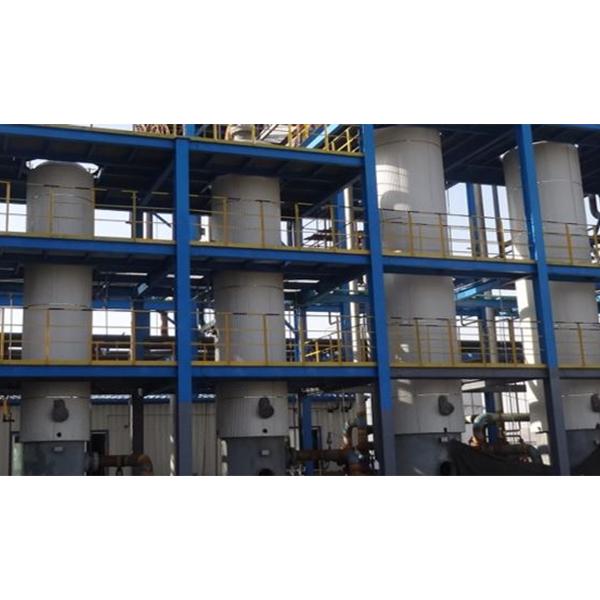 Coal gas organic sulfur fine removal technology
 -
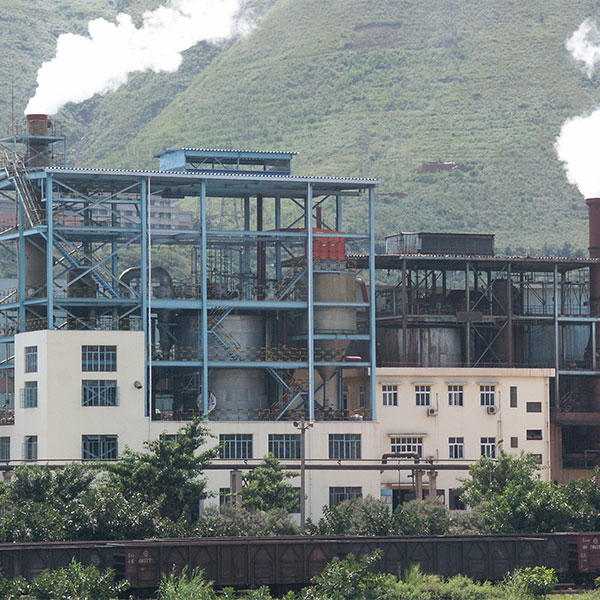 Waste acid regeneration
 -
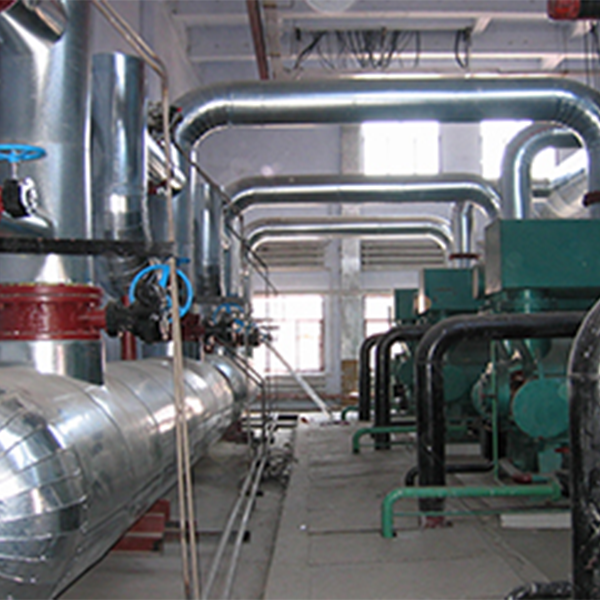 Oxygen production by pressure swing adsorption
 -
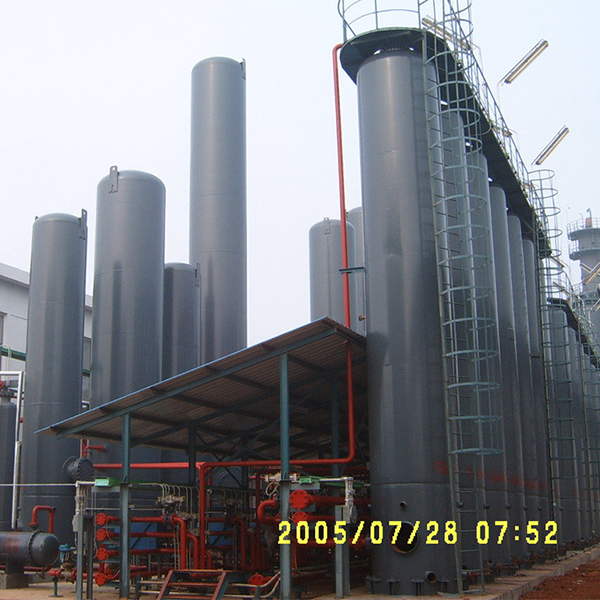 CO removal by pressure swing adsorption
Relatedsearch
Related Search- Technology for the production of food CO2 wholesale
- China mycotoxin adsorbent exporters
- China Hydrogen purification technology by pressure swing adsorption factories
- China MEA/MDEA/NHD Desulfurization Technology Suppliers
- natural gas liquefaction equipment
- CO2 removal technology using the wet method plant
- China valve price exporters
- desiccant desiccant
- China Renault valves Manufacturers
- China Special Acid Regeneration Equipment Exporters