


natural gas liquefaction equipment
Natural gas liquefaction: equipment and processes
Natural gas is an important source of energy, and its use is constantly growing in different parts of the world. However, transporting gas in a gaseous state through long pipelines is quite complex and expensive. This is why liquefied natural gas (LNG) plays a key role in its global supply.
How does natural gas liquefaction work?
The liquefaction process is the cooling of natural gas to very low temperatures, around -162°C. Under such extreme conditions, the gas turns into a liquid, occupying a much smaller volume. Imagine a balloon filled with helium. If you cool the helium enough, it will become liquid and take up much less space. Likewise, liquefied natural gas is much easier to transport over long distances, such as on huge tankers by sea. For this, specialized equipment is used.
Required equipment for liquefaction
The heart of the liquefaction process is the cryogenic equipment. These are very complex and specialized installations that require high precision and reliability. These include compressors that compress the gas, refrigeration systems for cooling, special heat exchangers for extracting heat, and tanks for storing liquefied gas. All equipment must be able to withstand extremely low temperatures and operate continuously for long periods of time. In addition, control and automation systems play an important role, which monitor the safety and efficiency of the entire installation. Even the slightest mistakes can lead to an accident.
Benefits and Challenges of Natural Gas Liquefaction
Liquefaction of gas makes it possible to transport it over vast distances, to areas where there are no or ineffective gas pipelines. This increases access to natural gas and allows countries to grow their economies. However, the LNG process is associated with high capital costs for plant construction, as well as certain environmental issues associated with transporting and storing large volumes of cryogenic liquids. Equipment safety and reliability play a key role in this to minimize possible risks.
Correspondingproducts
Related Products
Best Sellingproducts
Best Selling Products-
 Coke gas purification technology
 -
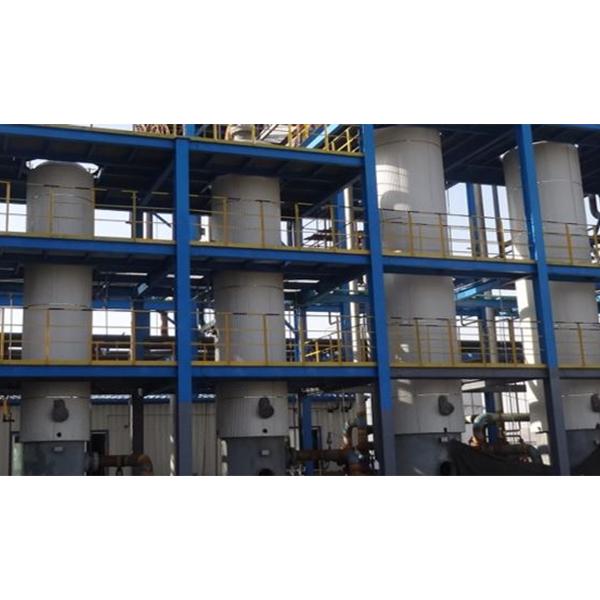 Coal gas organic sulfur fine removal technology
 -
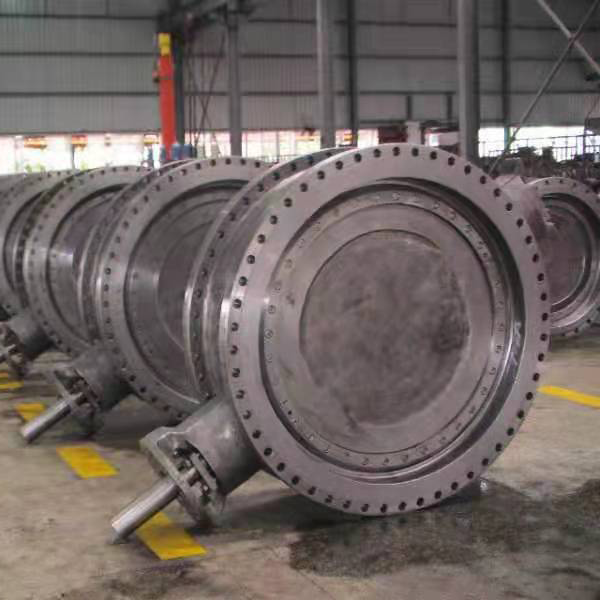 Valve
Valve -
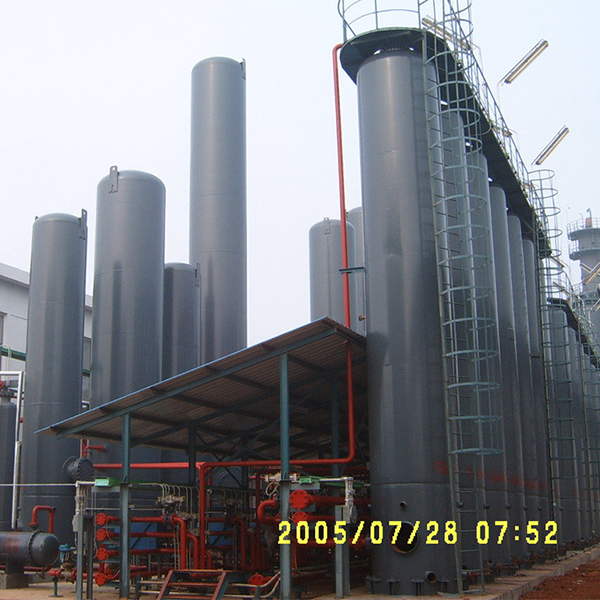 CO removal by pressure swing adsorption
 -
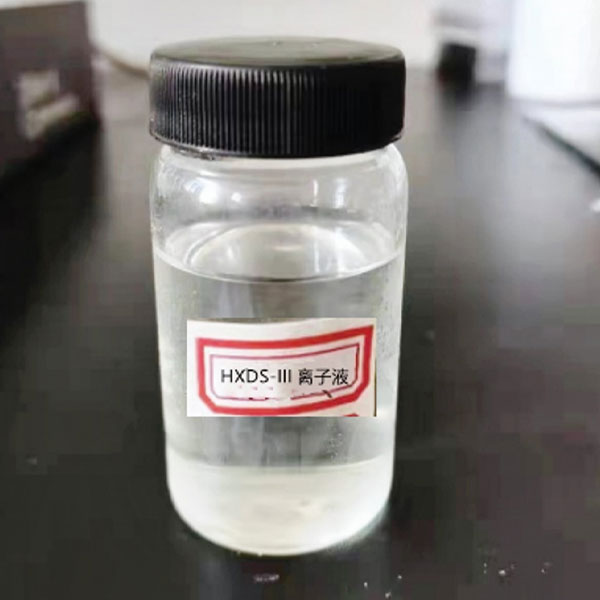 Ionic liquid desulfurizer
 -
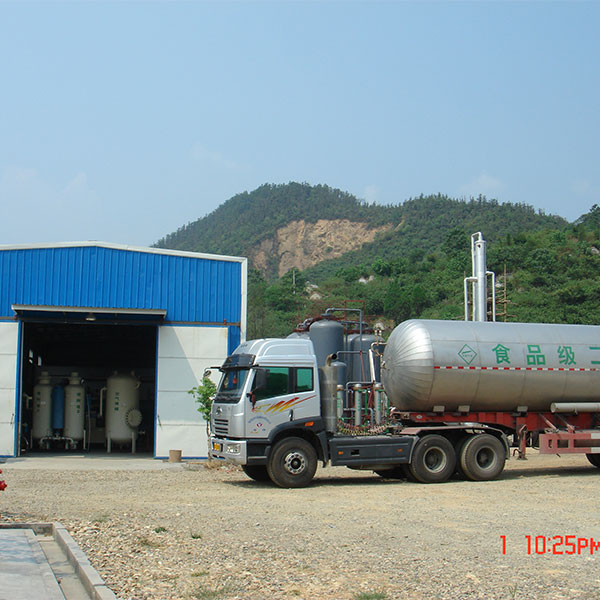 Food grade CO2 purified
 -
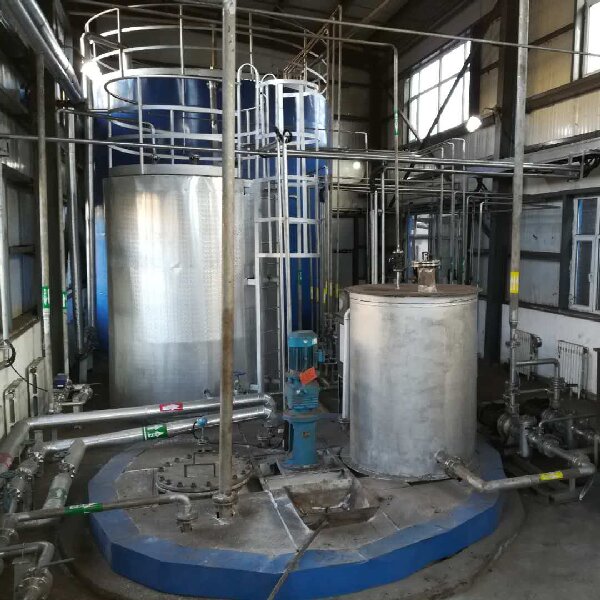 Flue gas denitrification SCR、SNC
 -
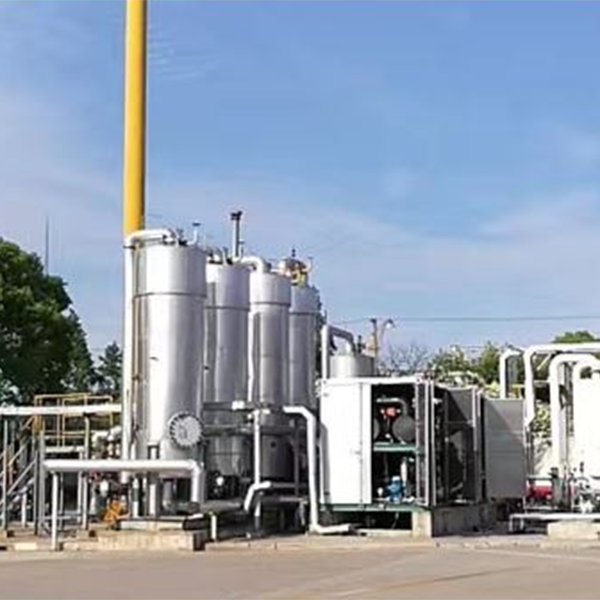 VOC tail gas disposal
 -
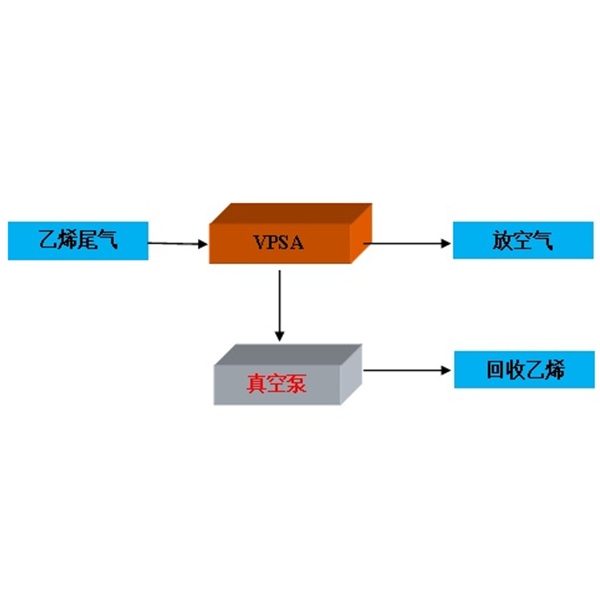 Ethylene tail gas recovery
 -
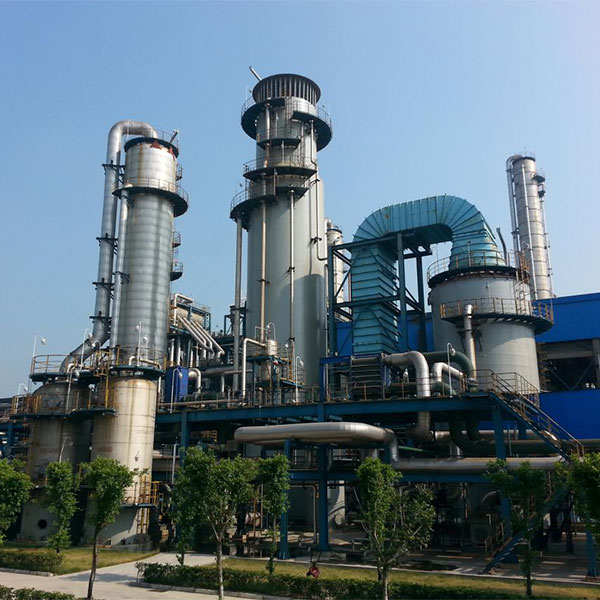 Wet CO2 removal technology
 -
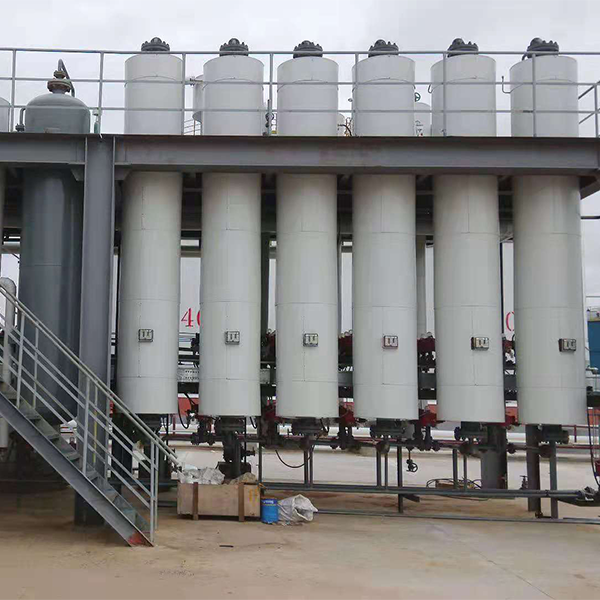 Hydrogen production by splitting methanol
 -
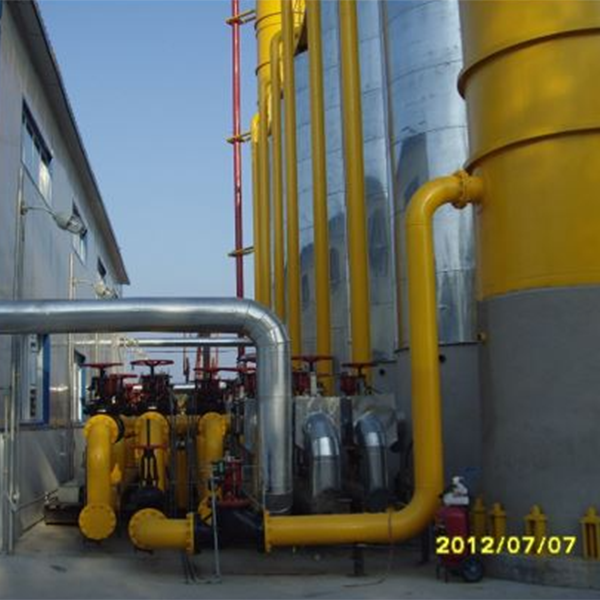 Vinyl chloride recycling technology
Relatedsearch
Related Search- China Adsorbents Activated Carbon Exporter
- China liquefied natural gas product plant
- China food adsorbent product
- China compressor valve product
- Ionic liquid desulfurizer
- Purification of technical argon
- China Valve Manufacturer
- China natural gas liquefaction process Main buyer country
- ventilation valve
- China Oxygen production by pressure swing adsorption factories