

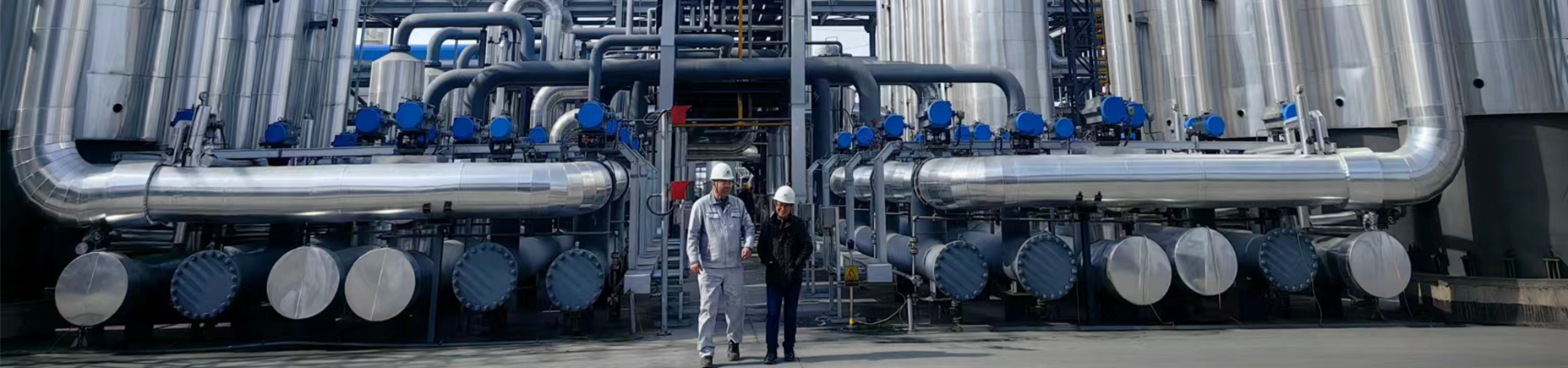
CO2 removal technology using the wet method plant
Technology for removing CO2 using the wet method at the factory
Carbon dioxide (CO2) is one of the main greenhouse gases, and its emissions pose a serious threat to the environment. Therefore, the development and implementation of technologies to remove this gas from industrial emissions is becoming an increasingly urgent task. One such method is the wet method, which, despite its complexity, has a number of advantages.
How the wet method works
The essence of the method is the absorption of CO2 by special solutions containing hydrates, carbonates or amines. These solutions, like sponges, absorb CO2 from the gas flow. Imagine air containing CO2 passing through a tank containing such a solution. CO2 molecules react with the solution and stick to it. As a result, the gas is purified and the solution is enriched with CO2. This enriched solution then goes through other stages to extract the CO2 from it and return it to the cycle. It is important to note that the process requires energy to regenerate the solution, but the cleaning efficiency is much higher than that of some other methods.
Advantages and disadvantages of technology
The wet method is highly efficient in purifying gases from CO2. This is especially important for enterprises whose emissions require a high degree of purification. In addition, this method can be adapted to different volumes and types of emissions, allowing it to be used in different plants. However, the technology requires significant capital investments to create and maintain complex equipment. There are also such issues as the cost of chemical reagents and the need for subsequent disposal or storage of captured CO2.
Prospects for use in industrial enterprises
The introduction of a wet method of CO2 removal at industrial enterprises is a way to reduce emissions of harmful substances into the atmosphere and preserve the environment. This is a contribution to the fight against global warming. At the moment, there are successful examples of using this technology at various enterprises, and work continues to improve processes. In the future, with the development of technology and the reduction in equipment costs, the wet method of CO2 removal will be increasingly used in factories, contributing to the sustainable development of industrial production.
Correspondingproducts
Related Products
Best Sellingproducts
Best Selling Products-
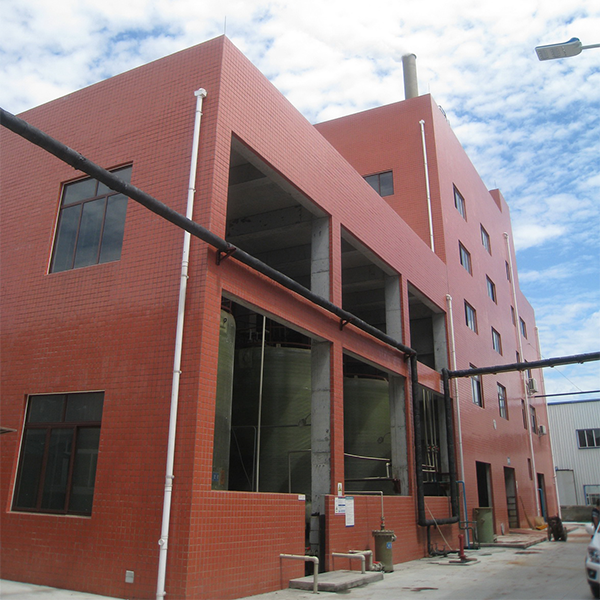 Battery material precursor production technology
 -
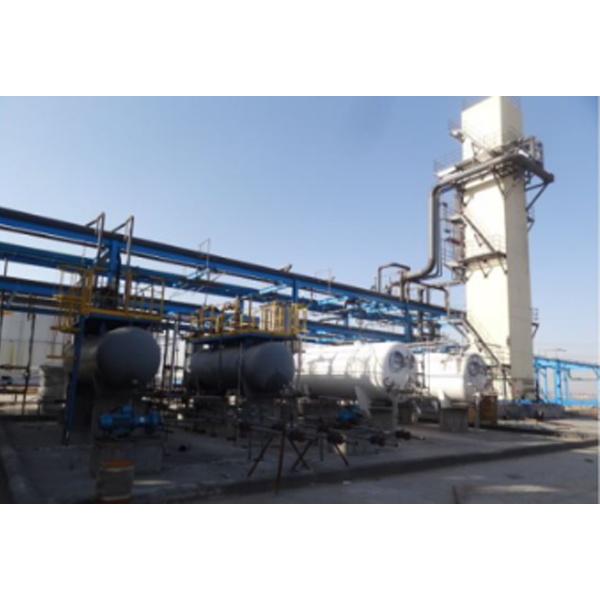 Liquefaction of natural gas
 -
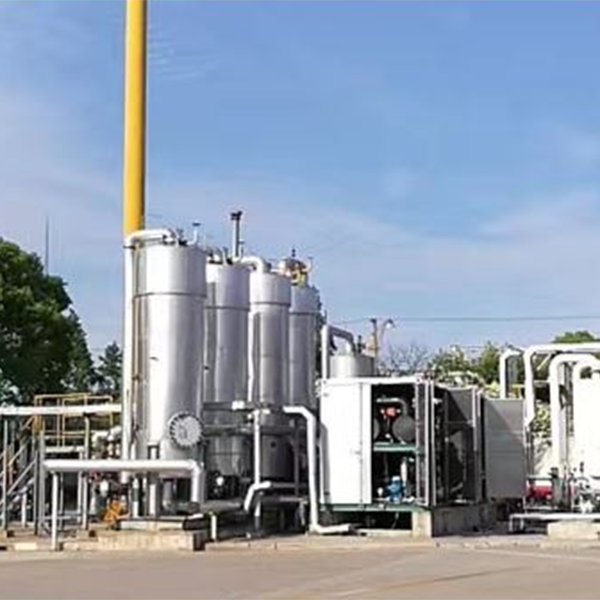 VOC tail gas disposal
 -
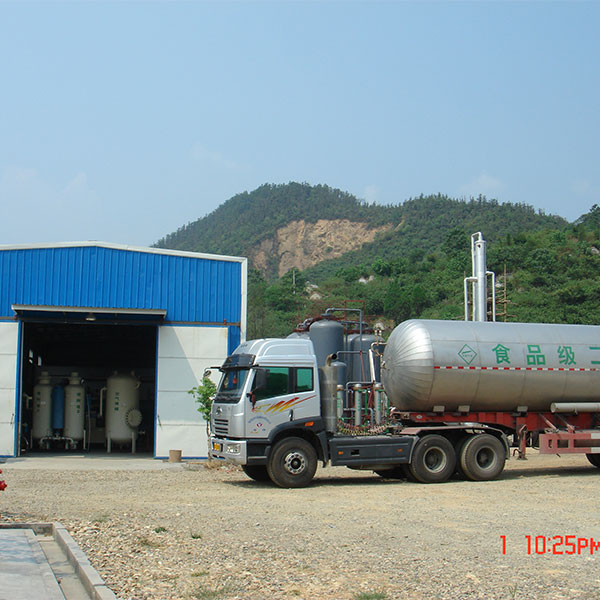 Food grade CO2 purified
 -
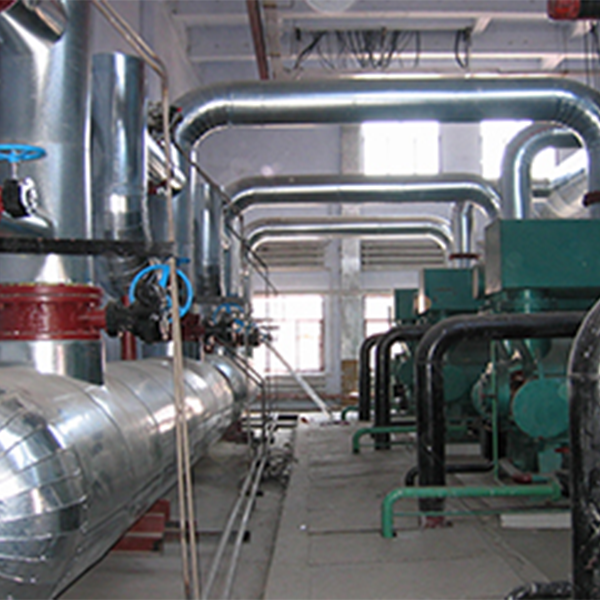 Oxygen production by pressure swing adsorption
 -
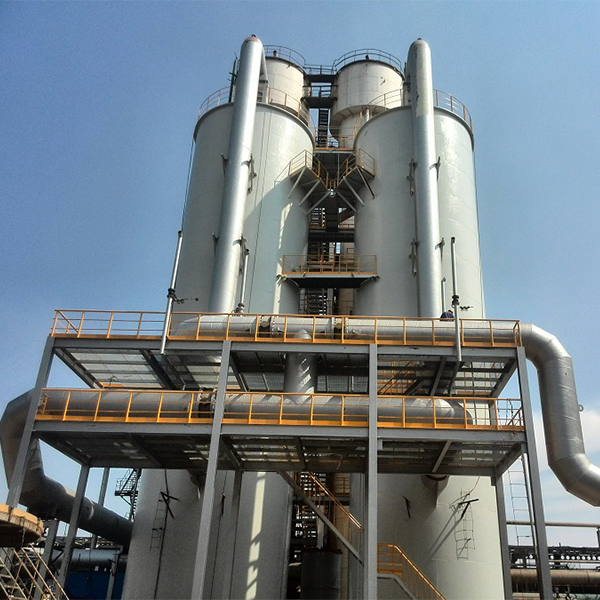 Desulfurization technology using the redox wet method
 -
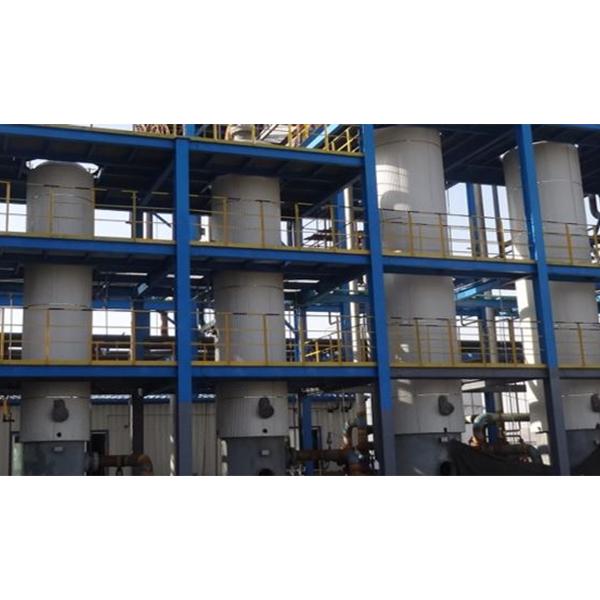 Coal gas organic sulfur fine removal technology
 -
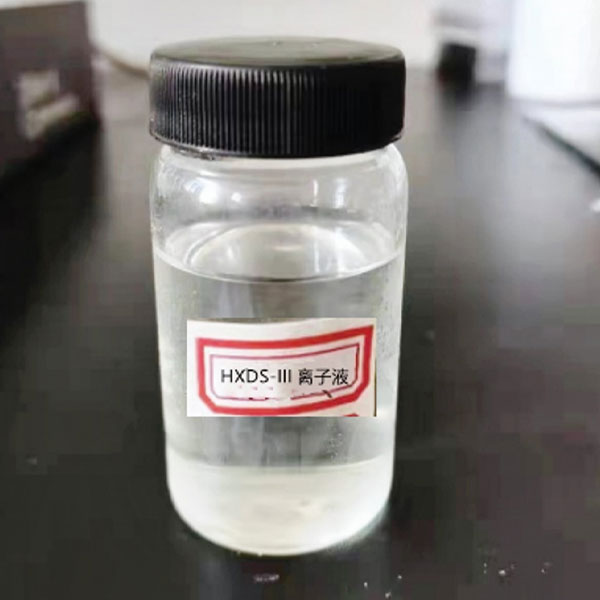 Ionic liquid desulfurizer
 -
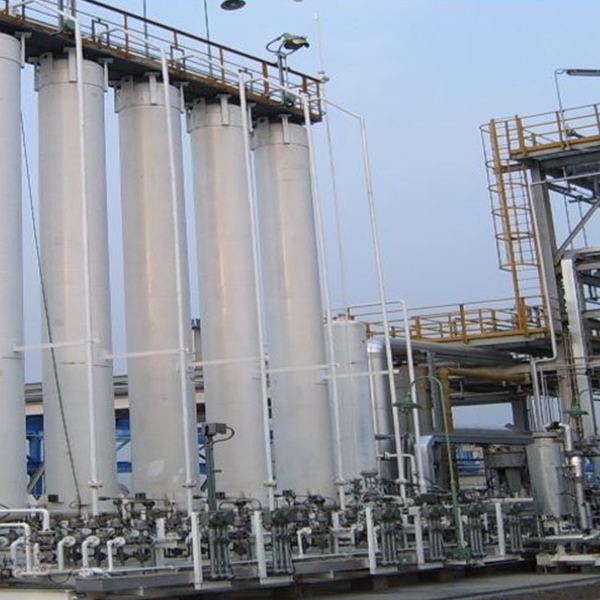 Argon purification
 -
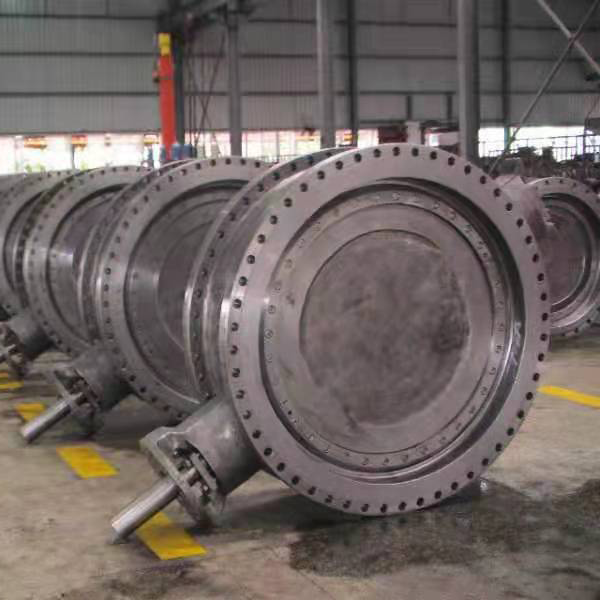 Valve
Valve -
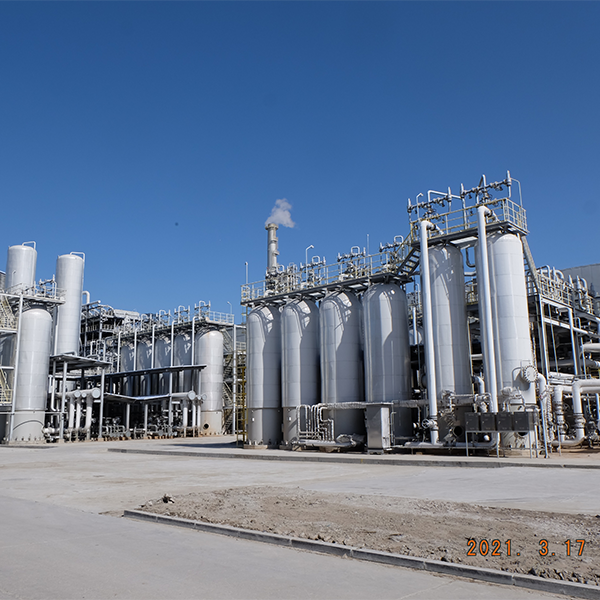 Hydrogen production from coke oven gases
 -
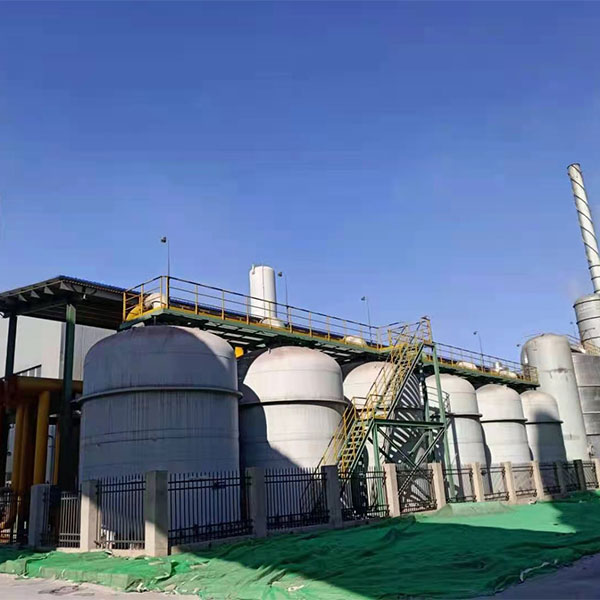 CO2 removal by pressure swing adsorption
Relatedsearch
Related Search- China adsorbents for poisoning Manufacturers
- China check valve factories
- China Flue Gas Denitrification SCR、SNC Exporter
- China Kamaz Valve Supplier
- China adsorbents preparations Manufacturer
- China adsorbents examples Manufacturers
- China zeolite adsorbent products
- China Solenoid Valve Manufacturer
- China Valve Supplier
- natural gas liquefaction equipment