

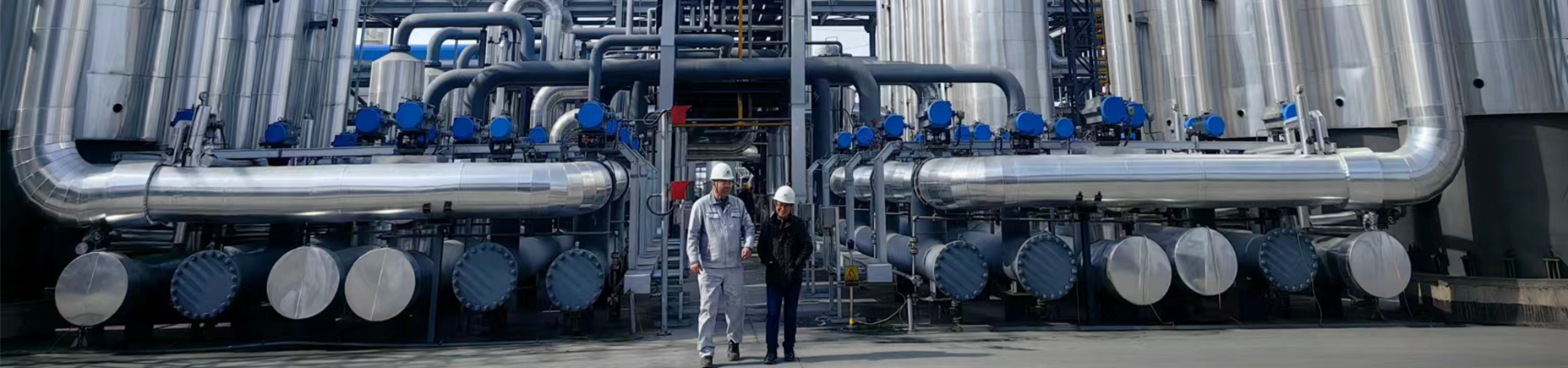
CO2 removal by pressure swing adsorption manufacturer
CO2 removal by pressure swing adsorption: manufacturer
Carbon dioxide (CO2) is one of the main culprits of the greenhouse effect. Its removal from the atmosphere is one of the key tasks of our time. One promising method is pressure swing adsorption. Imagine a sponge that can absorb CO2 and then, when conditions change, release it back, but in a controlled form. This is exactly how this method works.
How the system works
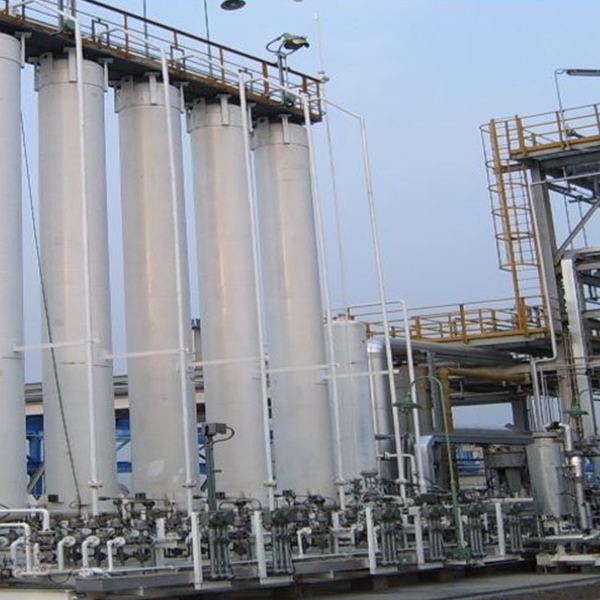
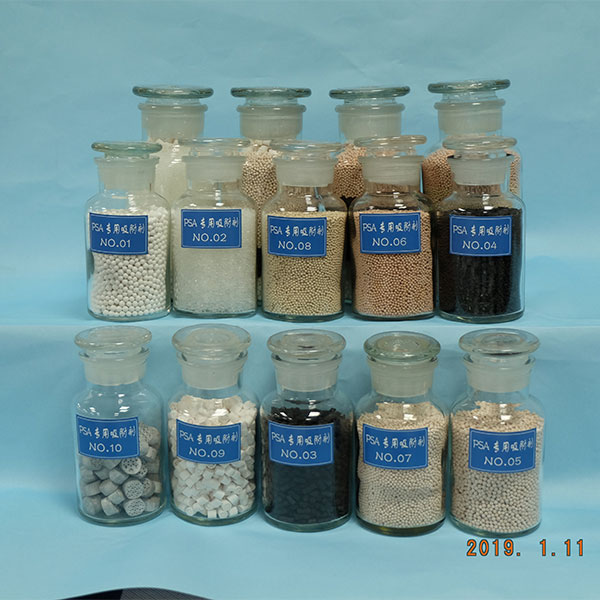
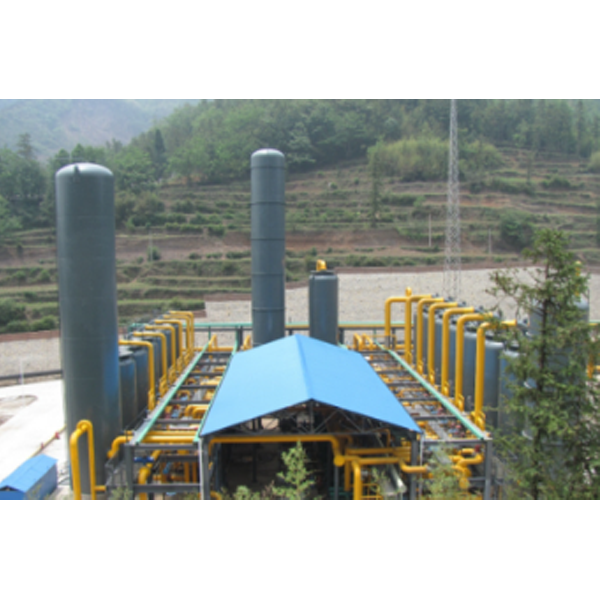
The system, based on pressure swing adsorption, uses a special material - an adsorbent, which binds CO2 very well. During the operating cycle, the pressure in the system changes. At high pressure, CO2 is effectively adsorbed (absorbed) by the adsorbent. After this, the pressure is reduced, and CO2, freed from the adsorbent, is collected in a separate container. This cycle repeats and carbon dioxide is gradually separated from other gases. It is important to note that adsorbents are selected specifically for effective CO2 capture, and at the same time their resource is quite long.
Advantages of the method
The main advantage is economic efficiency. Compared to other methods, CO2 removal by pressure swing adsorption can be significantly cheaper. In addition, the technology is relatively simple to implement, which means it can be quickly implemented on an industrial scale. Another advantage is the ability to capture CO2 from various sources, be it emissions from industrial enterprises or gas streams containing CO2. This makes the technology universal and applicable in a wide variety of areas.
Prospects and challenges
Despite all the advantages, developers and manufacturers also face certain challenges. First, it is necessary to constantly improve adsorbents so that their efficiency and durability are even higher. Secondly, the search for new, cheaper and environmentally friendly materials for the manufacture of adsorbents is important. The third challenge is optimizing the process so that CO2 removal is as fast and efficient as possible. The development of this method has enormous potential to reduce CO2 emissions and combat global warming. In the future, this could become a key technology for solving climate problems.
Correspondingproducts
Related Products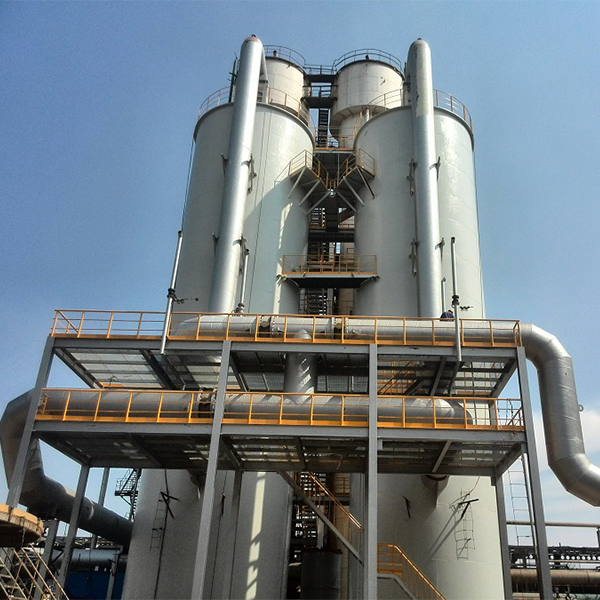
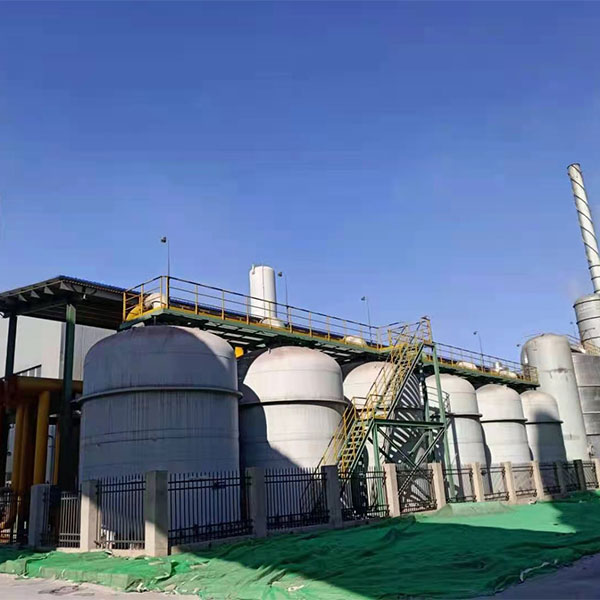
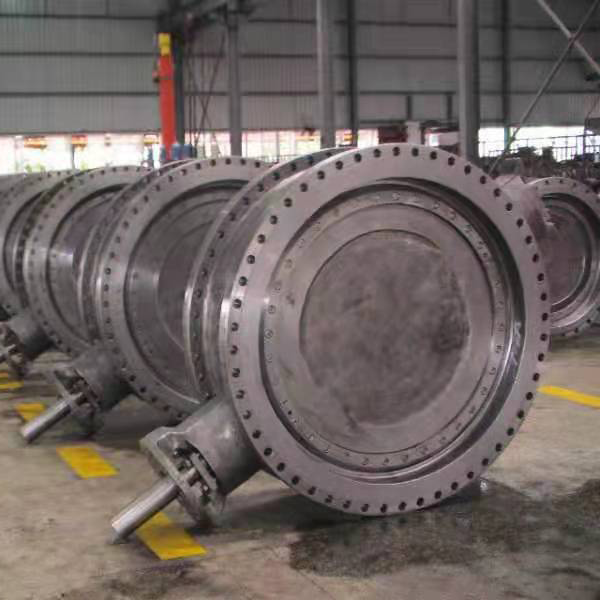
Best Sellingproducts
Best Selling Products-
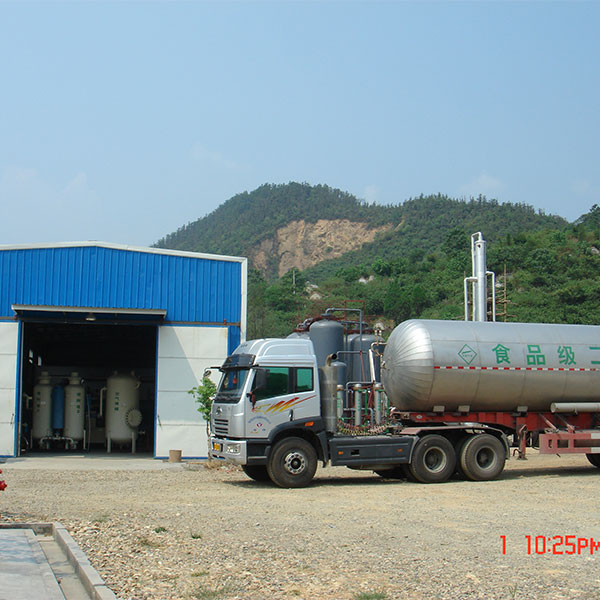 Food grade CO2 purified
 -
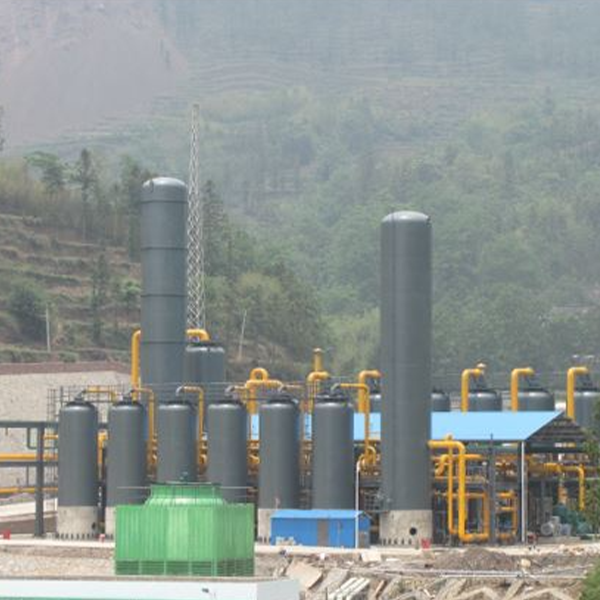 Methane extraction technology - biogas
 -
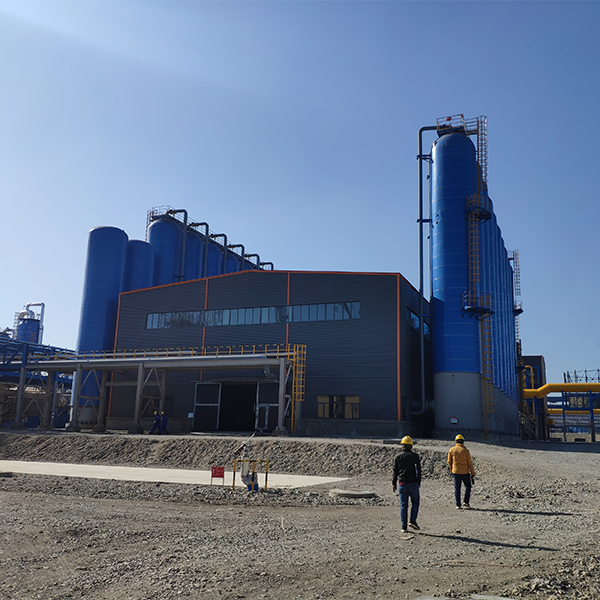 Hydrogen production by coal gasification
 -
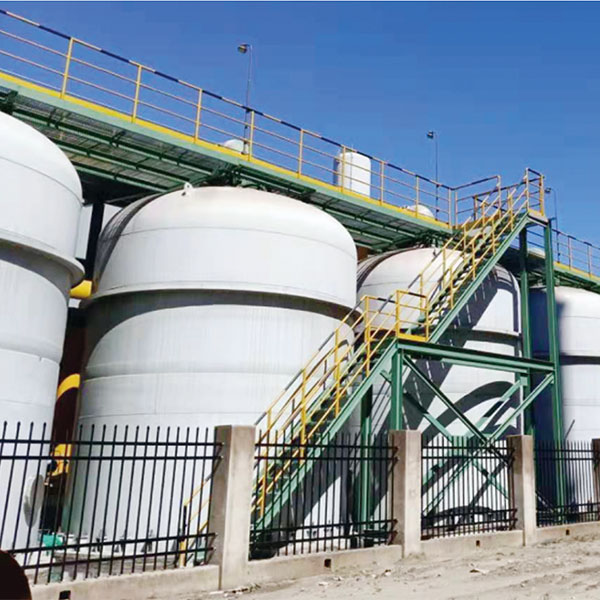 Flue gas CO2 recovery technology
 -
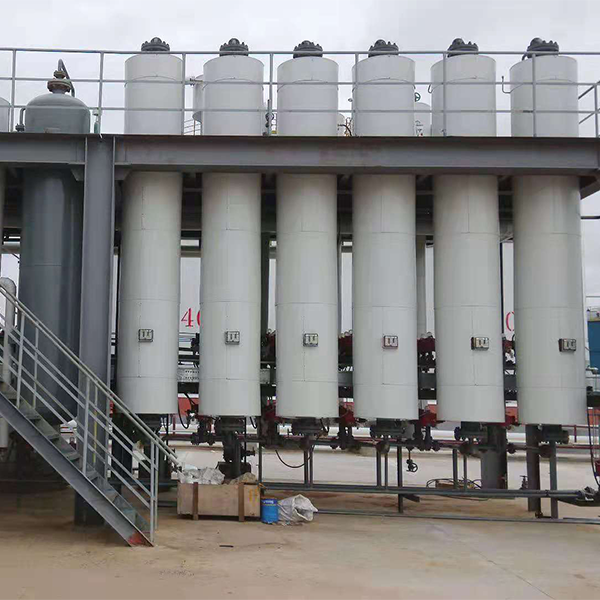 Hydrogen production by splitting methanol
 -
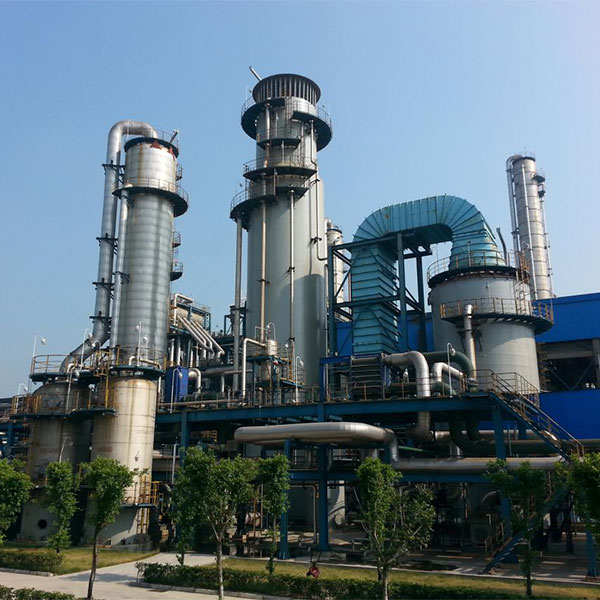 Wet CO2 removal technology
 -
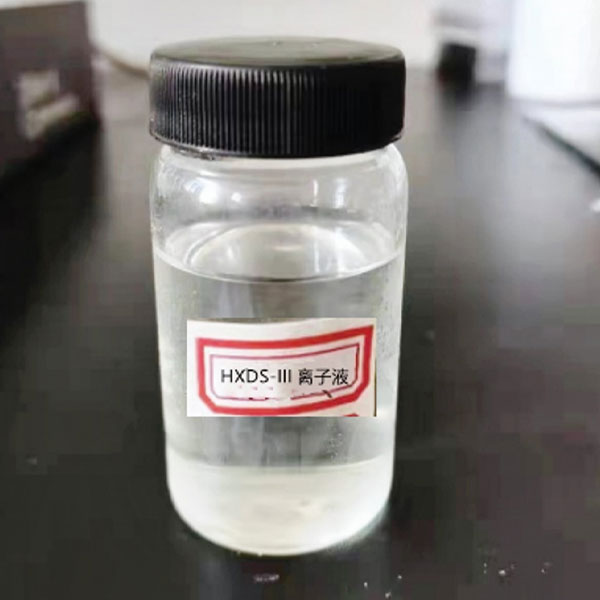 Ionic liquid desulfurizer
 -
 Unit desalting and demineralization equipment and special resin
 -
 Technology of desulfurization and CO2 removal using NHD method
 -
 Liquefaction of natural gas
 -
 Ionic liquid desulfurization technology
 -
 Flue gas desulfurization technology using ammonia
Relatedsearch
Related Search- China Natural Gas Liquefaction Exporter
- China natural gas liquefaction equipment products
- China Pressure Swing Adsorption Hydrogen Purification Technology Manufacturer
- China pressure valve factories
- China food production technology CO2 product
- China valve sensor factory
- activated carbon adsorbents in China
- water valve
- Technology for extracting methane from coal seams
- China adsorbents for poisoning price