

crankcase valve
Crankcase valve: the little hero of your engine
The crankcase valve is a small but important element in the engine crankcase ventilation system. Think of the engine as a powerful but restless beast. As it operates, it produces oil vapors and gases that, if not controlled, can cause problems. This is where the crankcase valve comes in - the unsung hero that catches these vapors and directs them back into the engine, preventing unpleasant consequences.
How does it work?
A crankcase valve is essentially a valve that opens and closes based on crankcase pressure. When crankcase pressure increases (for example, when the engine is running), the valve opens and releases excess oil vapor and gases into the intake system. When pressure drops, the valve closes, preventing valuable oil from leaking. This cyclical opening and closing ensures stable engine operation, reduces emissions and extends the life of your iron friend.
Why is the crankcase valve important?
Without a crankcase valve, harmful oil vapors and gases would accumulate in the crankcase, leading to a number of problems. First, it could potentially cause the engine to overheat. Secondly, so-called oil haze or oil gases accumulate in the crankcase. These gases negatively affect engine performance and, ultimately, fuel consumption. And finally, they can contribute to environmental pollution. So, the crankcase valve is not just a part, but an important element that ensures the correct operation of the engine and takes care of the environment.
Crankcase valve problems
If the crankcase valve fails, the engine intake system is filled with oil vapor, which affects power and fuel consumption. You may feel the engine running rough or smell oil. If you notice these signs, be sure to contact a qualified professional for diagnosis and repair. Checking your crankcase valve at the first sign of trouble will help you avoid more serious damage and keep your vehicle healthy.
Correspondingproducts
Related Products
Best Sellingproducts
Best Selling Products-
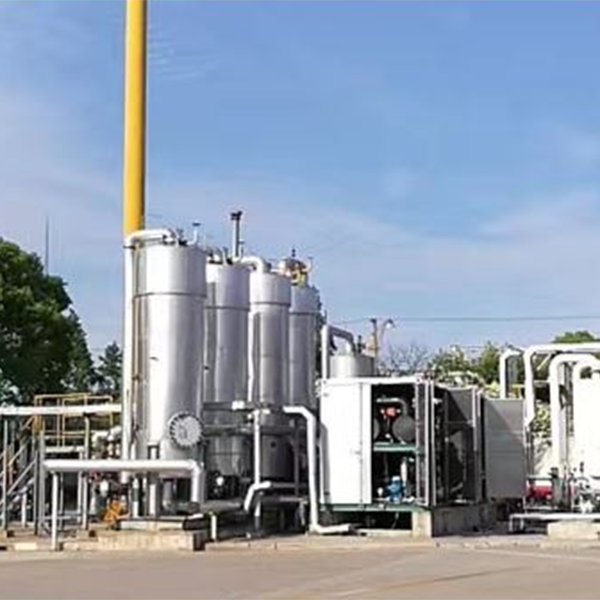 VOC tail gas disposal
 -
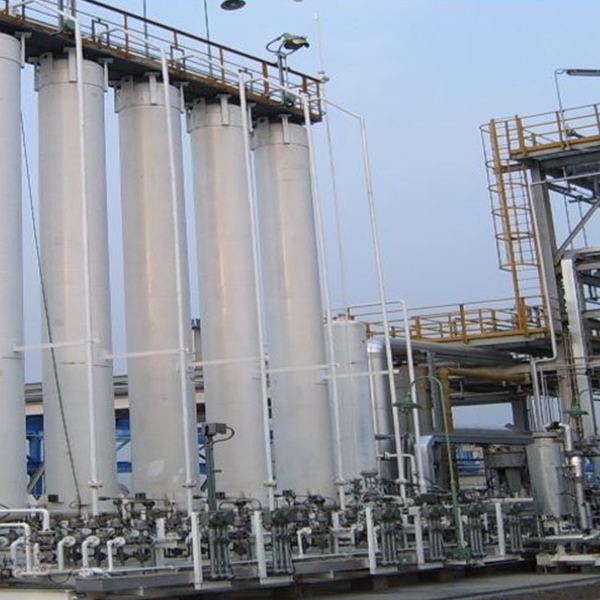 Argon purification
 -
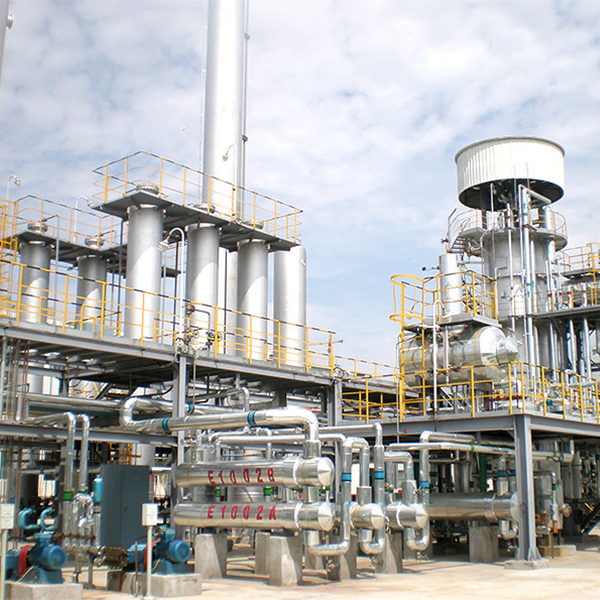 Hydrogen production by conversion of light hydrocarbons with steam
 -
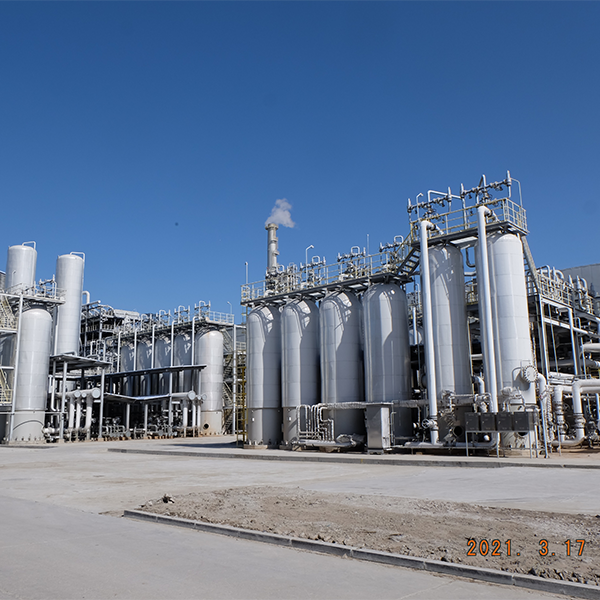 Hydrogen production from coke oven gases
 -
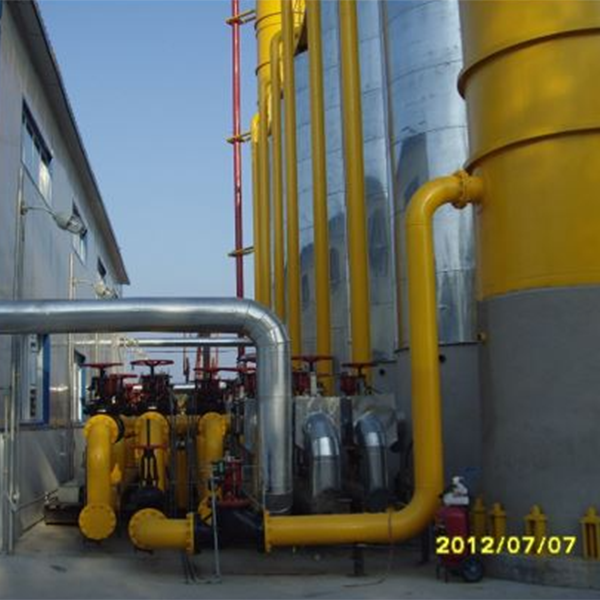 Vinyl chloride recycling technology
 -
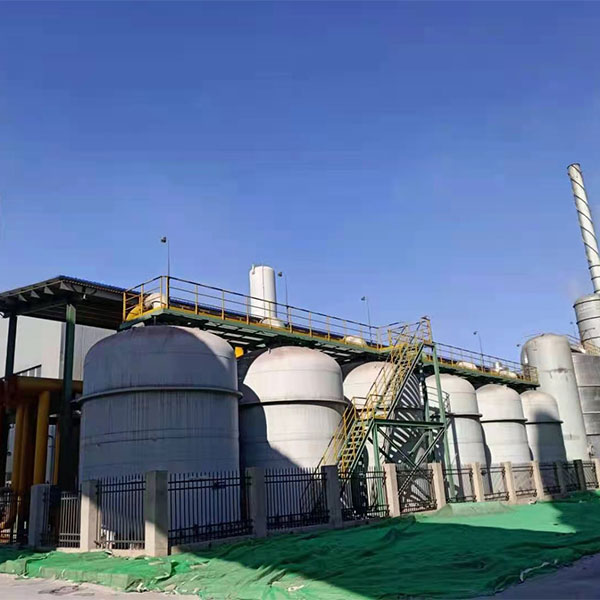 CO2 removal by pressure swing adsorption
 -
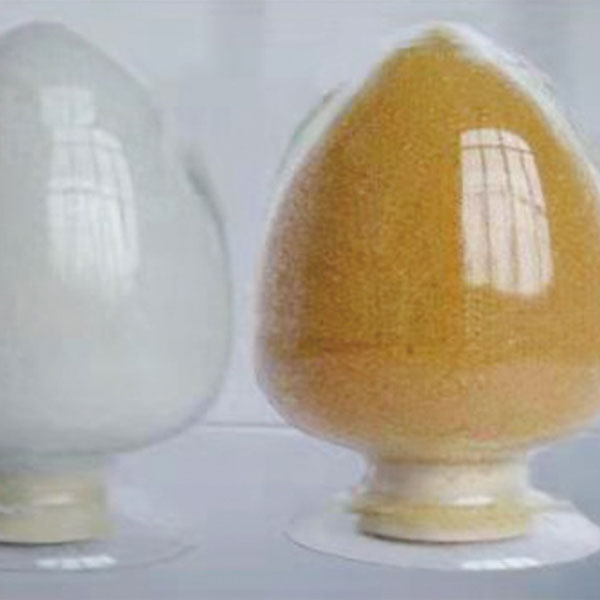 Unit desalting and demineralization equipment and special resin
 -
 Special acid regeneration equipment
 -
 MPS decarbonization technology
 -
 Oxygen purification and utilization
 -
 CO removal by pressure swing adsorption
 -
 Methane extraction technology - biogas
Relatedsearch
Related Search- China adsorbent application exporters
- China Valve Product
- China Air Adsorbents Suppliers
- China solenoid valve product
- China methods of natural gas liquefaction product
- China Solenoid Valve Supplier
- Wet CO2 removal technology in China
- China Desalting and Demineralization Unit Equipment and Special Resin Manufacturer
- China adsorbent tablets Manufacturer
- China natural gas liquefaction equipment products