

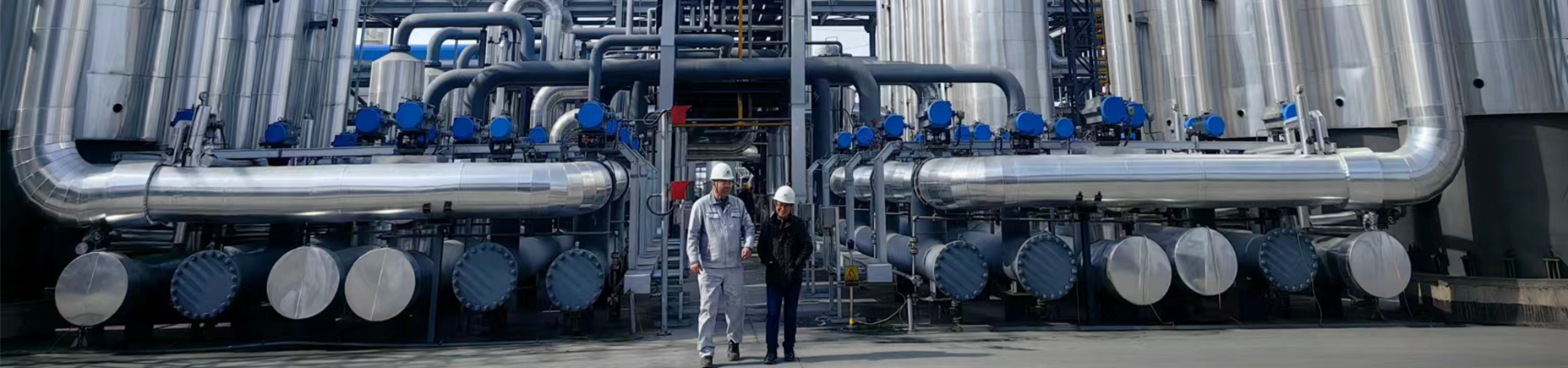
Flue gas denitrification SCR、SNC
Flue gas denitrification SCR, SNC
Denitrification is the process of removing nitrogen oxides (NOx) from flue gases. This technology plays an important role in the fight against air pollution. It is becoming increasingly relevant, especially in industrial areas, where emissions from enterprises can significantly affect the environment. Two popular technologies for flue gas denitrification are SCR (Selective Catalytic Reduction) and SNC (Selective Non-Catalytic Reduction). Let's figure out how they work.
Working principle of SCR
SCR uses a catalytic converter that reacts with ammonia (NH?) to convert nitrogen oxides into harmless nitrogen (N?) and water vapor (H?O). Think of the catalyst as a magical factory for processing harmful substances. It speeds up the chemical reaction, allowing it to occur at lower temperatures, making the process efficient and economical. An important point is the correct dosage of ammonia so as not to exceed the permissible limits.
Operating principle of SNC
SNC is essentially the same principle, but without the catalyst. Instead, a liquid reducing agent (eg urea) is used which reacts with nitrogen oxides directly in the smoke stream. This is a little more complicated than SCR because the reaction can occur under different conditions. However, the advantages of SNC are the absence of a catalyst and, as a result, a longer service life of the system.
Advantages and Disadvantages
Both technologies are effective in reducing NOx emissions, but have their own characteristics. SCR is more common and time-tested, requires more complex control, but provides stable results. SNC, although requiring more precise tuning, has lower operating costs, but may be less effective in special conditions. The choice between SCR and SNC depends on specific conditions - type of fuel, amount of emissions and other factors. Environmentally responsible production is the key to a healthy future for us all, and denitrification is an important part of this journey. Scientists and engineers are constantly improving these technologies to make them even more efficient and environmentally friendly.
Correspondingproducts
Related Products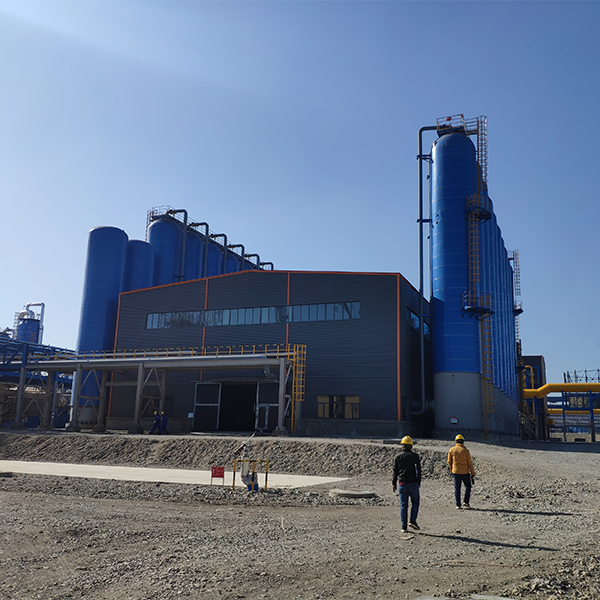
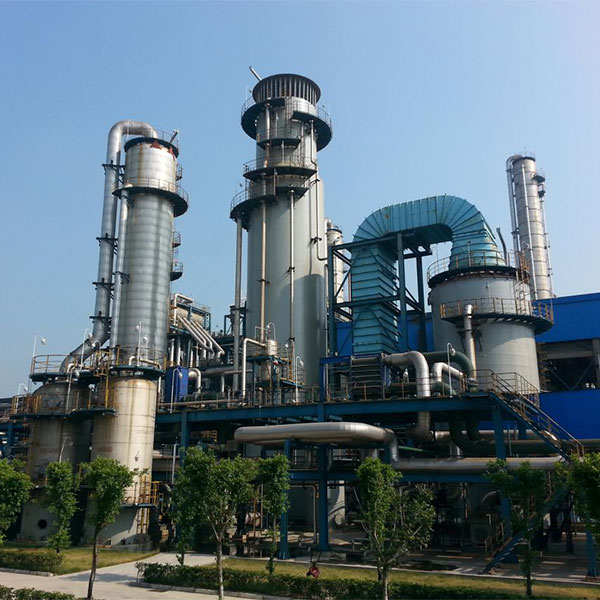
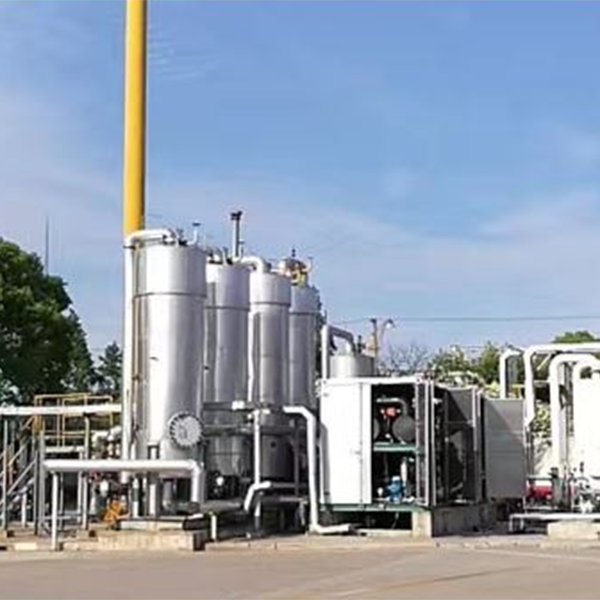
Best Sellingproducts
Best Selling Products-
 Hydrogen production by splitting methanol
 -
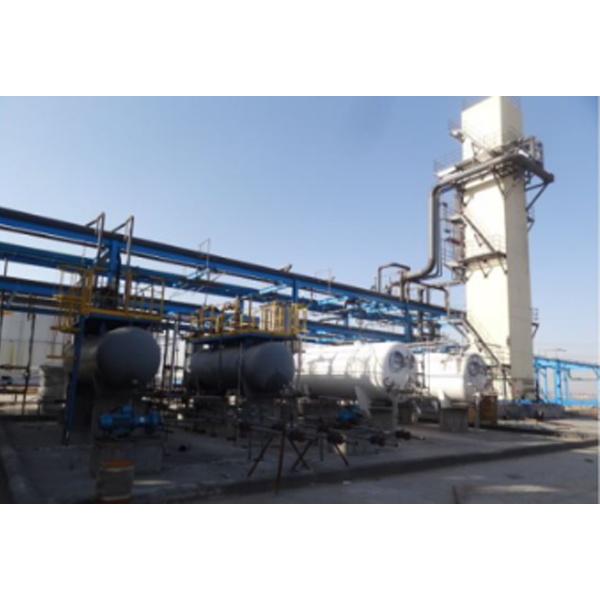 Liquefaction of natural gas
 -
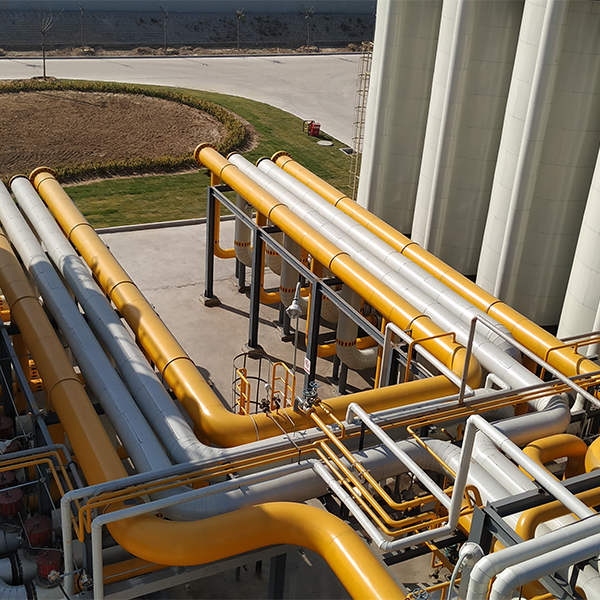 Coke gas purification technology
 -
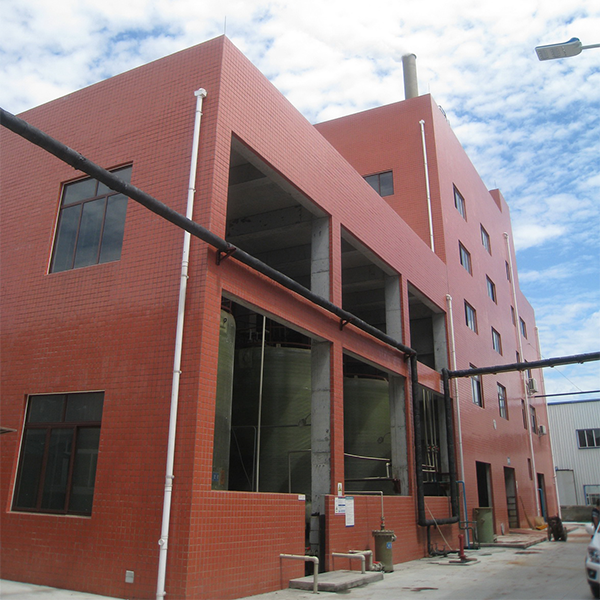 Battery material precursor production technology
 -
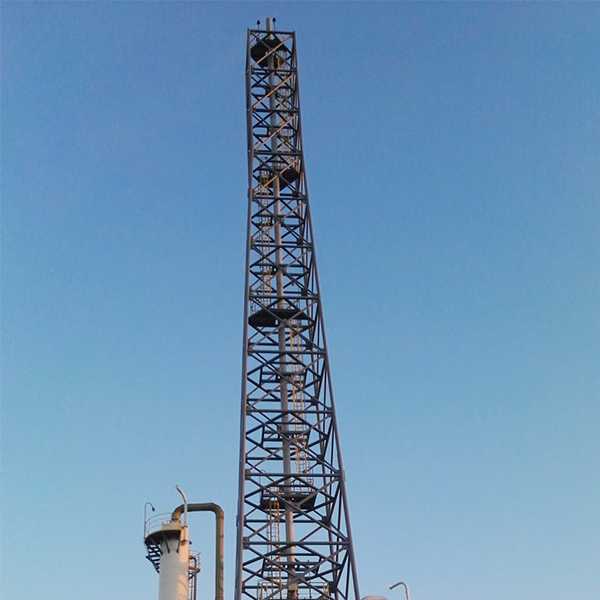 Technology of desulfurization and CO2 removal using NHD method
 -
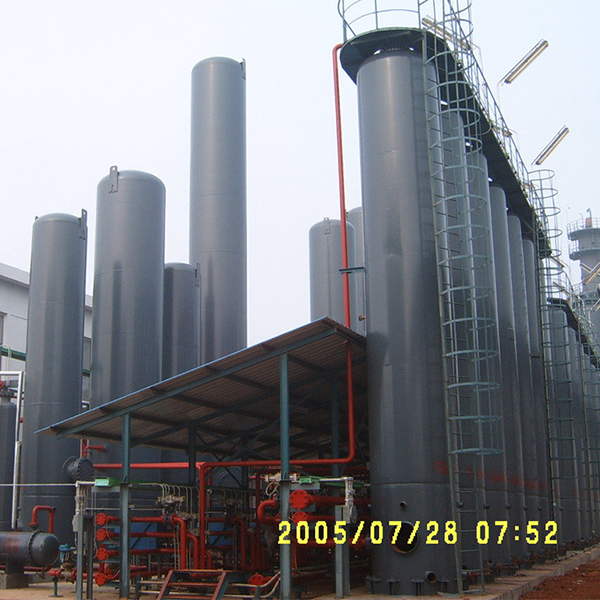 CO removal by pressure swing adsorption
 -
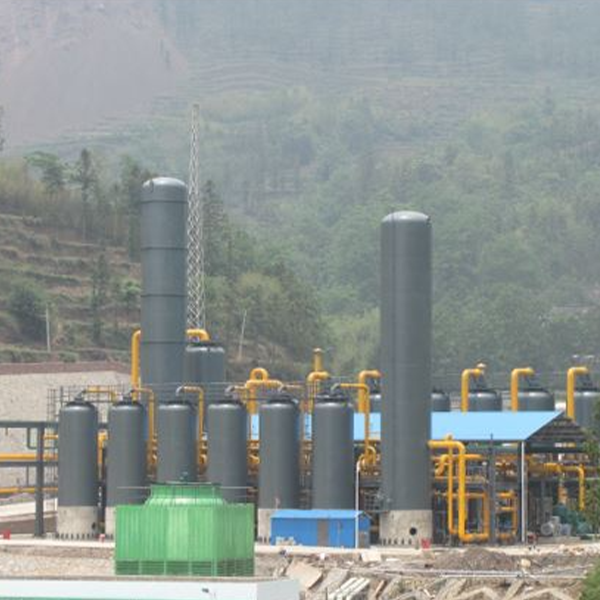 Methane extraction technology - biogas
 -
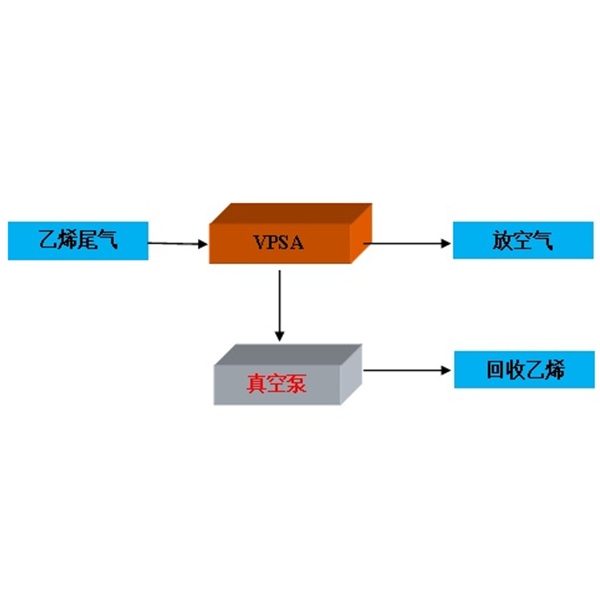 Ethylene tail gas recovery
 -
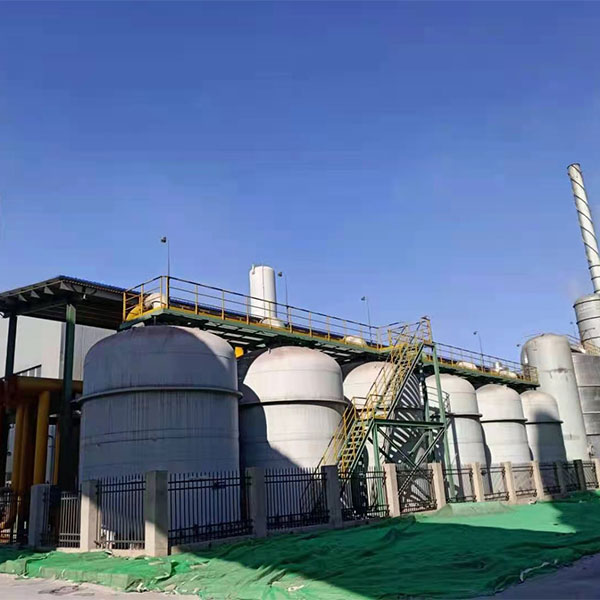 CO2 removal by pressure swing adsorption
 -
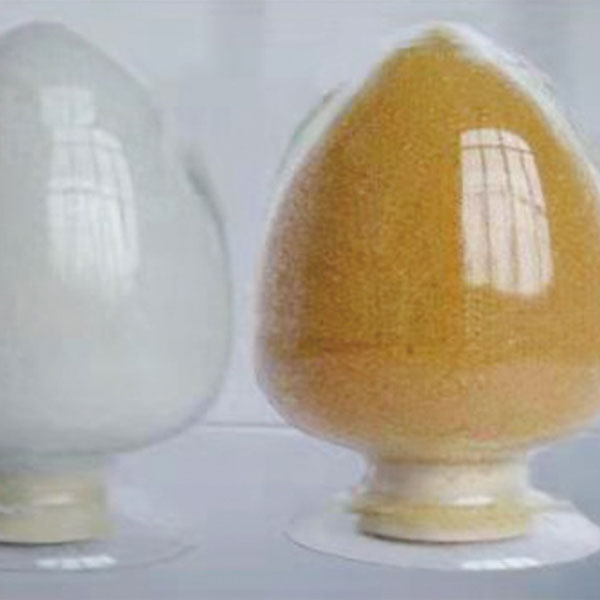 Unit desalting and demineralization equipment and special resin
 -
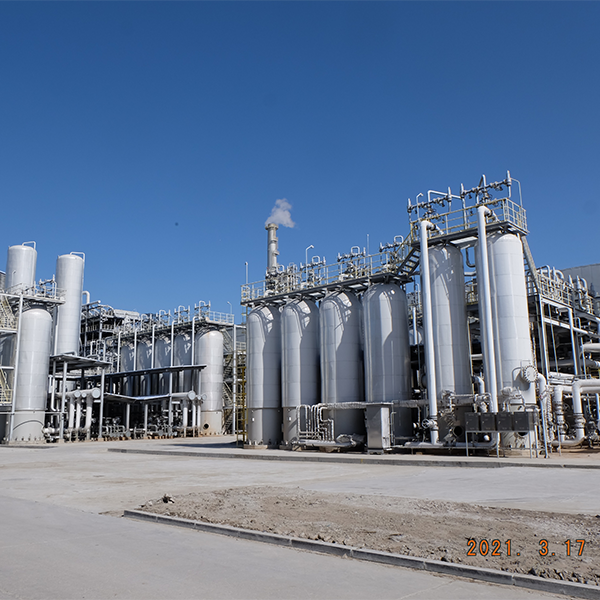 Hydrogen production from coke oven gases
 -
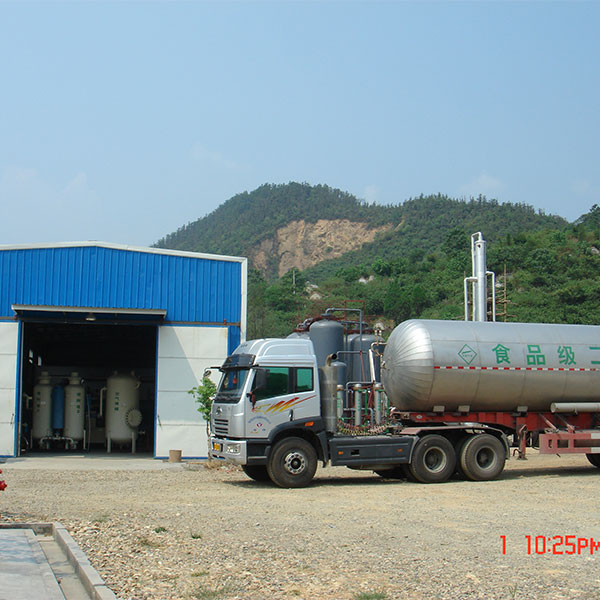 Food grade CO2 purified
Relatedsearch
Related Search- China Vinyl chloride recycling technology products
- Food CO2 production technology manufacturer
- China adsorbents drugs price
- China liquefied natural gas what is it called Manufacturers
- adsorbent application supplier
- China Name Adsorbents Supplier
- adsorbents drugs list of the best
- China Liquefied natural gas Main buyer country
- China three way valve product
- China Mycotoxin Adsorbent Supplier