

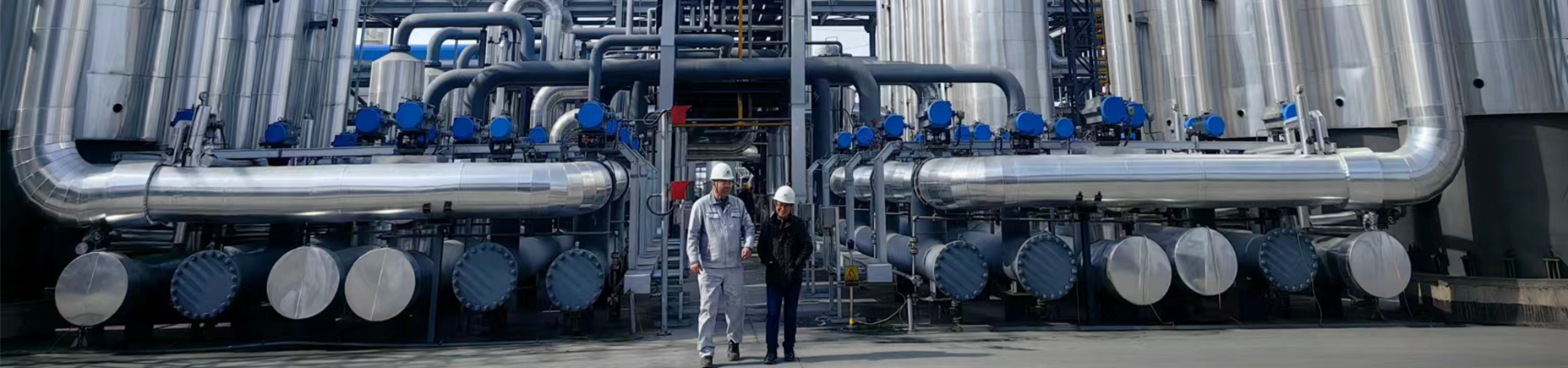
Food CO2 production technology manufacturer
Food CO2 production technology: manufacturer
Food grade CO2, an essential gas used in the food industry, is nothing more than carbon dioxide that has been specially prepared for safe use in food. It plays an important role in imparting certain characteristics to foods, from freshness and texture to flavor profile. But where does it come from? How is this unnoticed but important participant at our table born? Let's figure it out.
Raw materials and main production stages
The production of food-grade CO2 is a process based on scrupulous compliance with sanitary standards and quality standards. It all starts with the selection of reliable raw materials. These can be various types of natural raw materials, for example, carbonated mineral waters or waste from various production processes. Then, through chemical or physical methods, carbon dioxide is released. It is important to note that the purification process is extremely important to ensure that the final product is free of impurities. The gas then goes through a series of stages where it is cleaned, dried and tested to ensure it meets all safety standards.
The role of the manufacturer in quality assurance
High-quality food-grade CO2 is the key to the success of any product that uses it. The manufacturer plays a key role in this. He is responsible for ensuring that the final product is as pure and safe as possible. Modern technologies allow manufacturers to strictly control every stage of production, from the selection of raw materials to the packaging of the finished gas. Quality certificates and strict checks for compliance with standards are integral attributes of a competent manufacturer. Consumer confidence in the quality of the product directly depends on the responsible and professional attitude of the manufacturer. Only then can it be guaranteed that the gas is suitable for contact with food.
Application in the food industry
Food CO2 is used incredibly widely. It creates carbonated drinks, is used to stabilize the structure of various products, create a special atmosphere during storage, improve the texture of dough and even provide a longer shelf life. Unbeknownst to the consumer, food-grade CO2 plays a critical role in maintaining the freshness and quality of many products, from fruit juices to bread and confectionery. Thanks to the efforts of manufacturers, we can enjoy tasty and safe products that affect our health and comfort every day.
Correspondingproducts
Related Products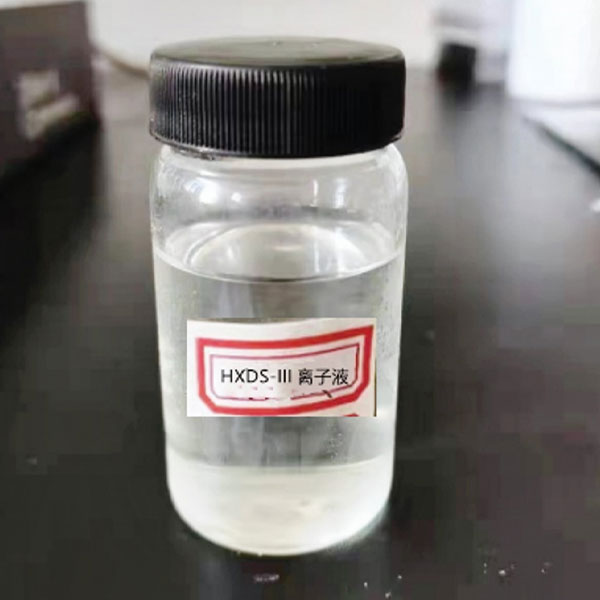
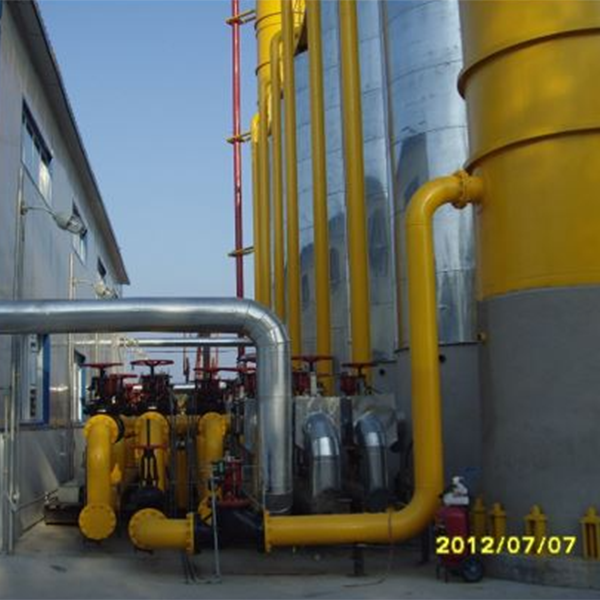
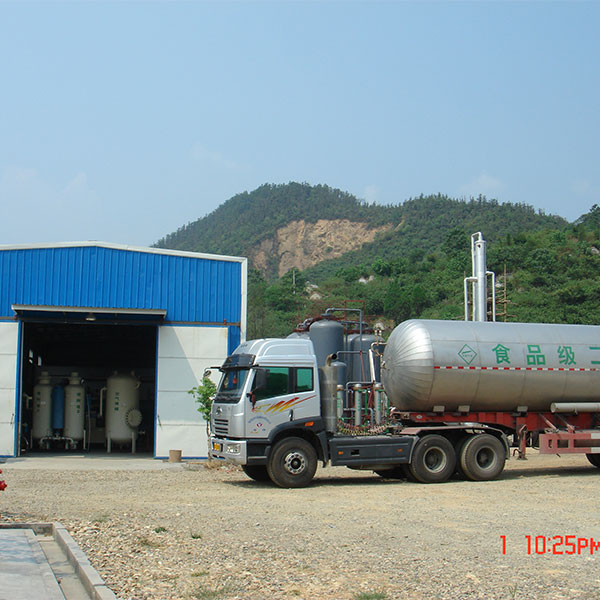
Best Sellingproducts
Best Selling Products-
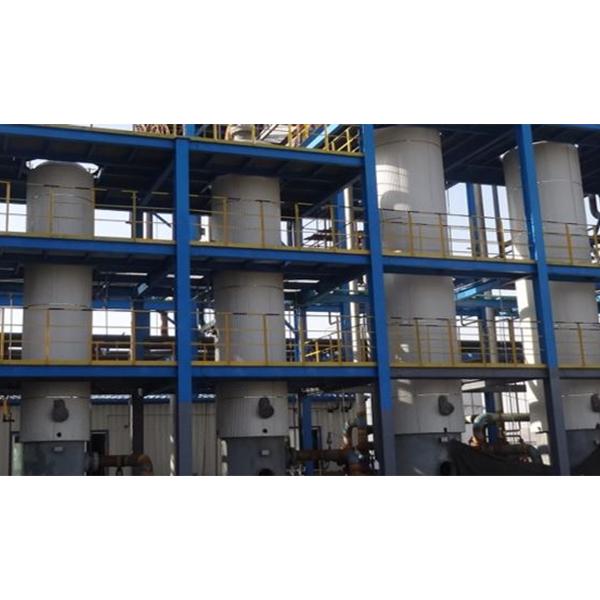 Coal gas organic sulfur fine removal technology
 -
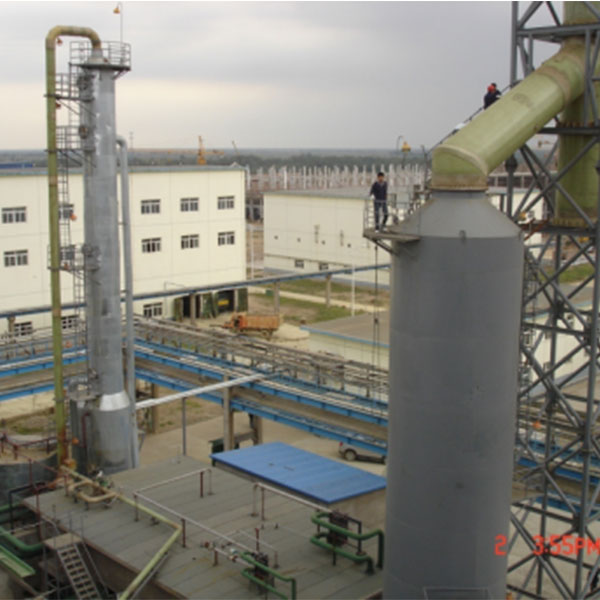 Ionic liquid desulfurization technology
 -
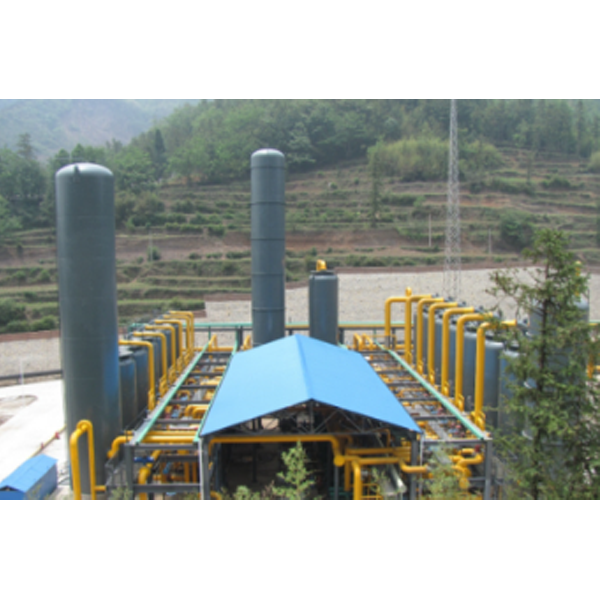 Methane extraction technology – coalbed methane
 -
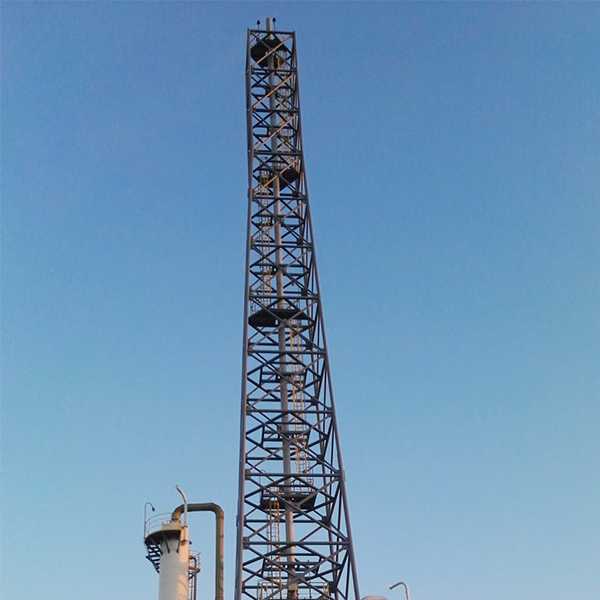 Technology of desulfurization and CO2 removal using NHD method
 -
 Desulfurization technology using the redox wet method
 -
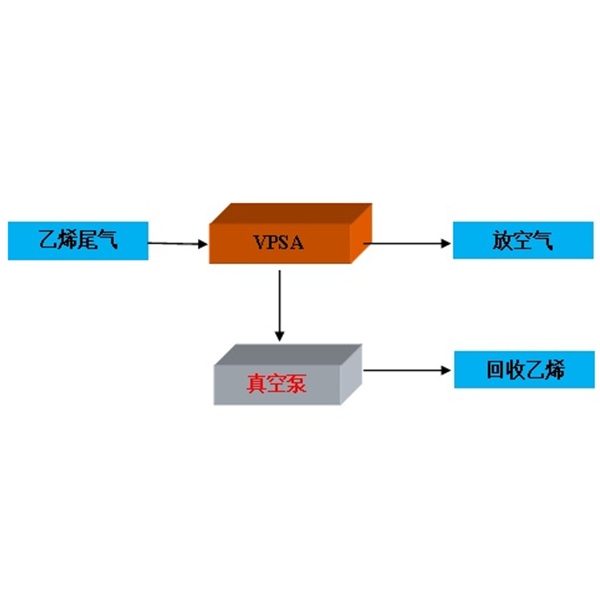 Ethylene tail gas recovery
 -
 Hydrogen purification technology by pressure swing adsorption
 -
 Hydrogen production by conversion of light hydrocarbons with steam
 -
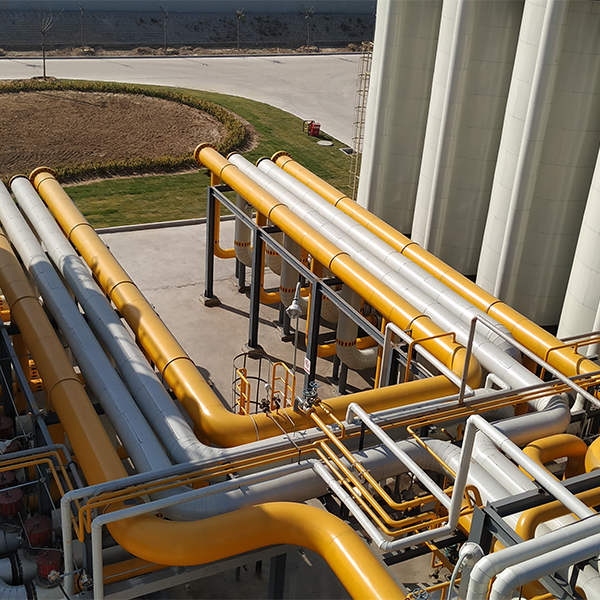 Coke gas purification technology
 -
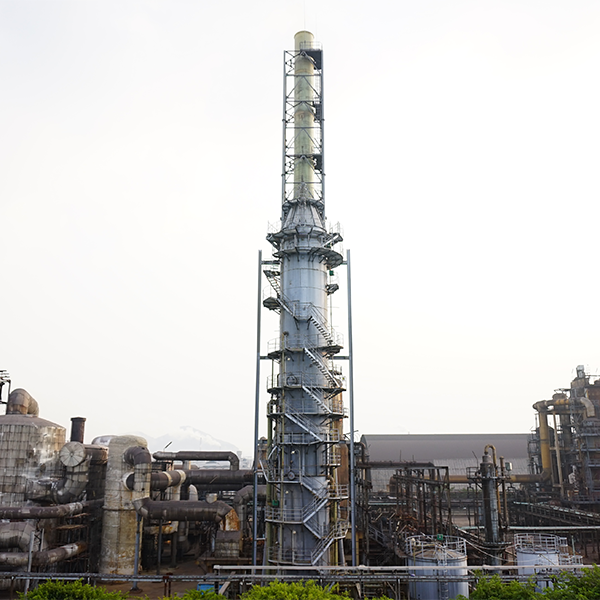 Flue gas desulfurization technology using ammonia
 -
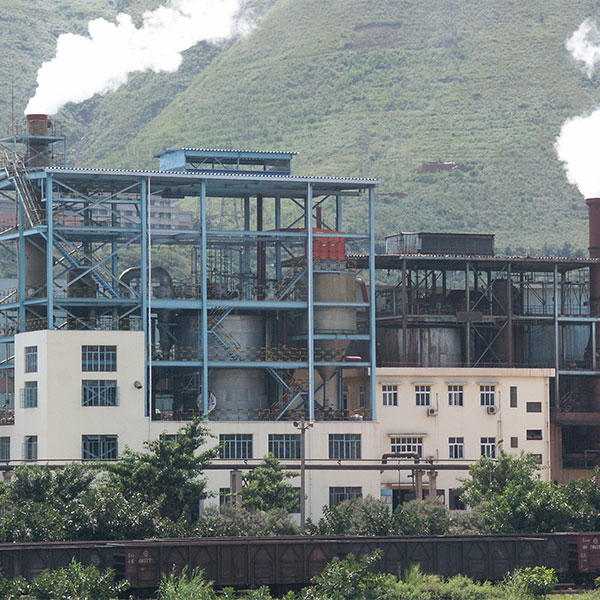 Waste acid regeneration
 -
 Battery material precursor production technology
Relatedsearch
Related Search- China ventilation valve exporters
- China adsorbents drugs list of best Supplier
- China Ammonia Flue Gas Desulphurization Technology Products
- China Ionic Liquid Desulfurization Technology Exporter
- China Air Adsorbents Exporter
- Hydrogen purification technology by pressure swing adsorption in China
- China substance adsorbent products
- China Pressure Swing Adsorption Nitrogen Production Plants
- China Gas Valve Manufacturers
- China food adsorbent factory