

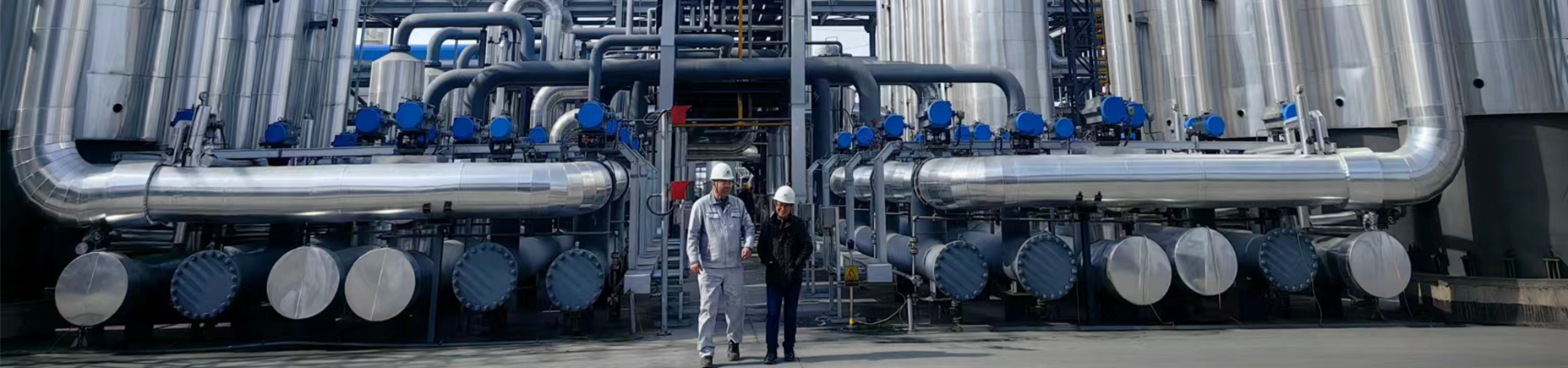
liquefying natural gas at home
Liquefying natural gas at home
Natural gas is a convenient and relatively inexpensive source of energy. But to use it in everyday life, it must be liquefied. However, attempting to liquefy natural gas at home is dangerous and highly discouraged. This is due to the physical properties of the gas and the need to use special equipment.
Why is this dangerous?
Natural gas is a mixture of light gases, mainly methane. To liquefy it, a very low temperature is required (about -162°C). Achieving such a temperature at home is almost impossible. Even if it were possible to obtain the necessary equipment, the effects of low temperatures on metal structures, direct contact with liquid gas, as well as the possibility of leaks, can lead to emergency situations. Any mistake can result in an explosion or poisoning.
Why shouldn't you experiment?
In addition to the obvious risks to life and health, liquefying natural gas at home is a complex process that requires deep knowledge of physics, chemistry and technology. The necessary equipment is very expensive, and its use requires precise adherence to technological processes. Unprofessional intervention can lead to breakdown, emergency release of energy, as well as environmental pollution. Instead of experimenting on your own, it is better to turn to proven energy sources or gas supply specialists.
Alternatives to home liquefaction
If you want to use natural gas, the best option would be to use it in liquefied form, in special cylinders. If necessary, contact qualified professionals who will provide safe and reliable access to natural gas in your area. Remember, safety comes first. You should not put yourself and others at risk for the sake of an experiment.
Correspondingproducts
Related Products
Best Sellingproducts
Best Selling Products-
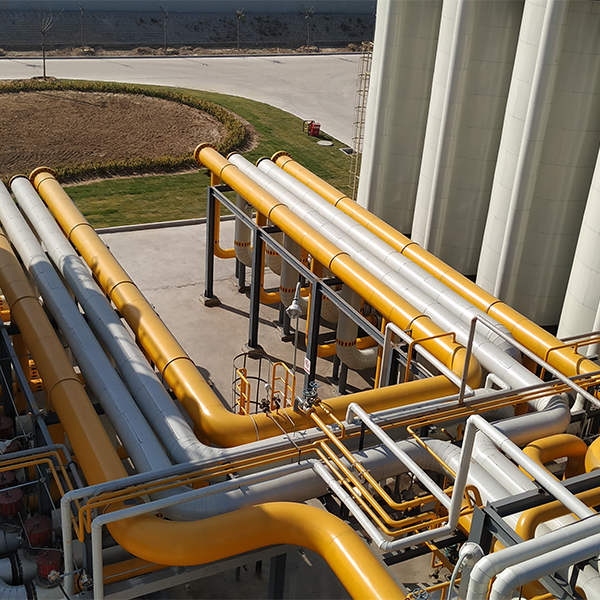 Coke gas purification technology
 -
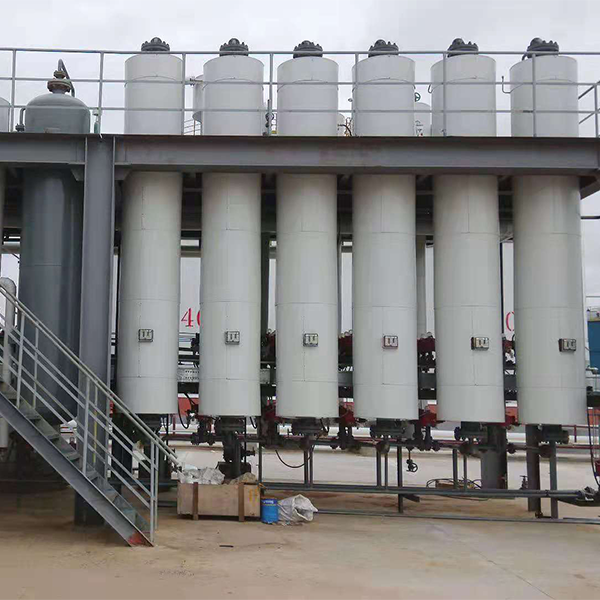 Hydrogen production by splitting methanol
 -
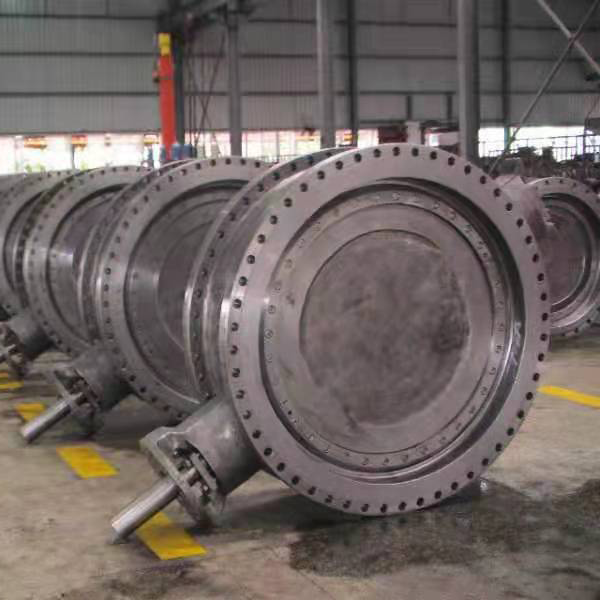 Valve
Valve -
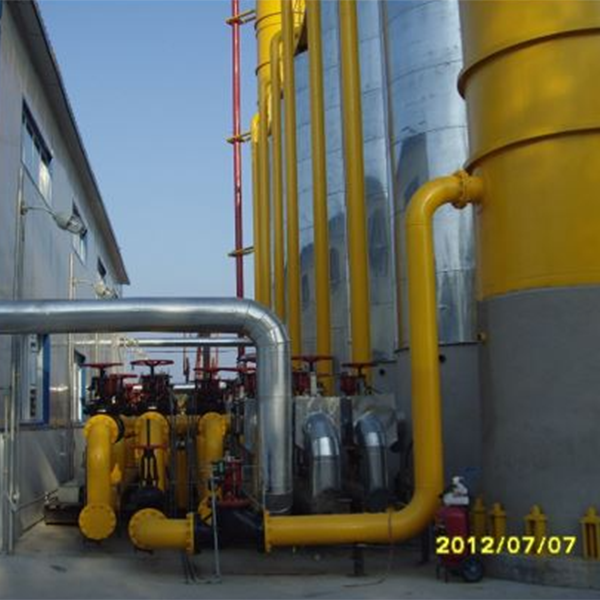 Vinyl chloride recycling technology
 -
 Hydrogen purification technology by pressure swing adsorption
 -
 Flue gas desulfurization technology using ammonia
 -
 Nitrogen production by pressure swing adsorption
 -
 Special acid regeneration equipment
 -
 MPS decarbonization technology
 -
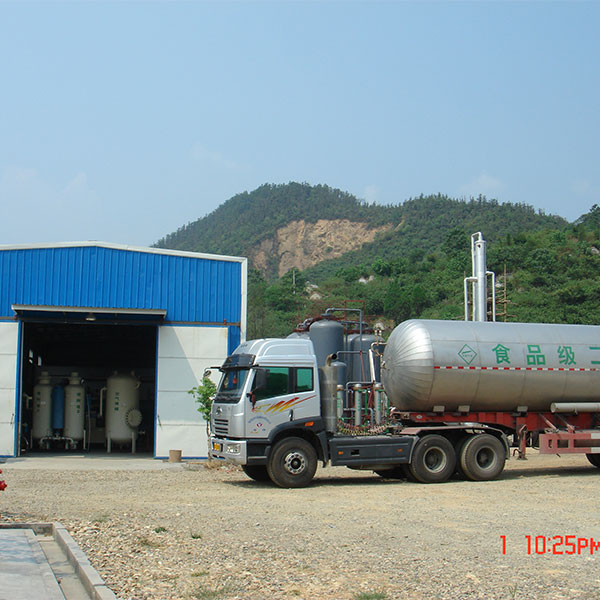 Food grade CO2 purified
 -
 Technology of desulfurization and CO2 removal using NHD method
 -
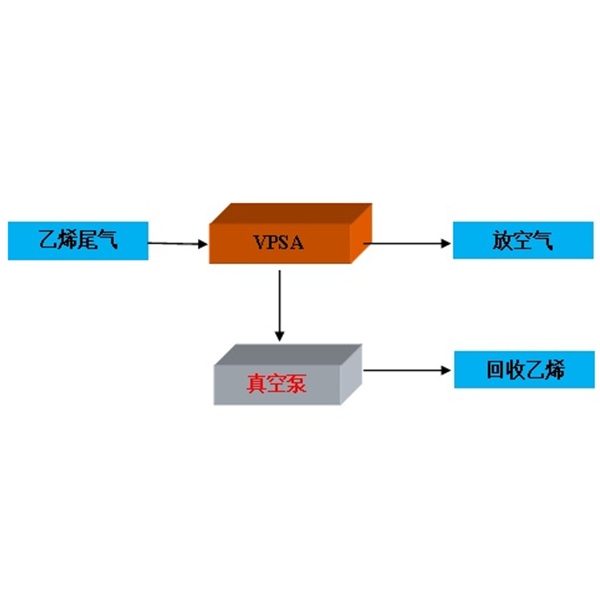 Ethylene tail gas recovery
Relatedsearch
Related Search- China CO2 Removal by Pressure Swing Adsorption Exporter
- China adsorbents preparations list of the best factories
- China Desulfurization Technology MEA/MDEA/NHD factories
- CO2 removal by pressure swing adsorption manufacturer
- China Valve Products
- China Russian natural gas liquefaction technology Arctic cascade Main buyer country
- China liquefied natural gas what is the name of the product
- Adsorbent supplier
- China Natural Gas Liquefaction Unit Exporter
- natural gas liquefaction equipment