

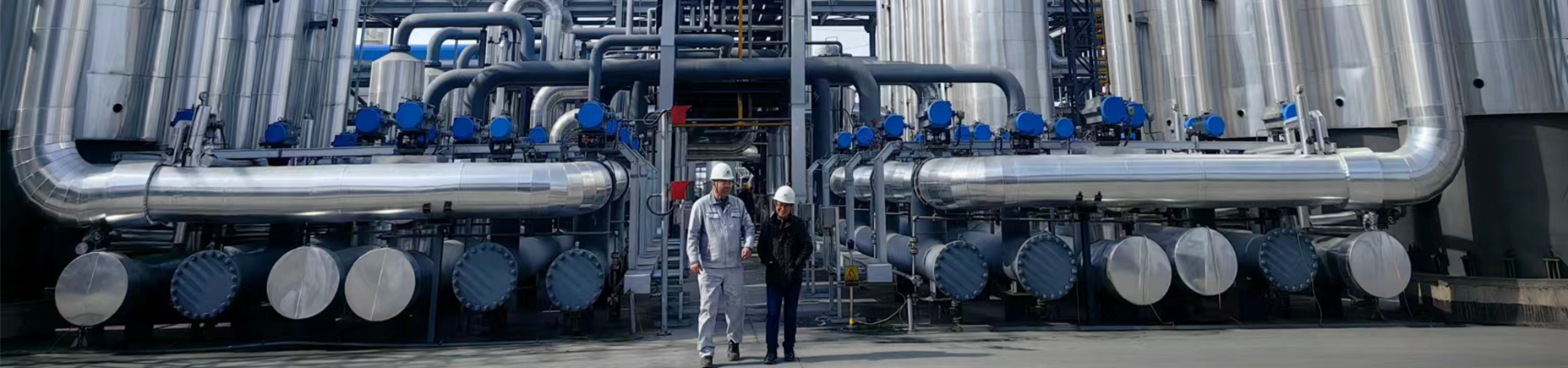
natural gas liquefaction cycle
Natural gas liquefaction cycle
Natural gas is a valuable source of energy used throughout the world. But in order for it to be efficiently transported over long distances, especially by sea, the gas must be liquefied. This process, called natural gas liquefaction (LNG), is a complex but important cycle. Let's figure out how it works.
Stages of natural gas liquefaction
The liquefaction of natural gas goes through several key stages. First, the gas is cleaned of impurities to avoid problems in the future. It's like cleaning before cooking - important for the final product. The gas is then cooled to ultra-low temperatures. Imagine a very powerful refrigerator operating at almost absolute zero! As a result, the gas turns into a liquid, which takes up much less space than the gas in its gaseous state. Thus, transportation becomes economically profitable and environmentally less expensive compared to transporting gas in a gaseous state. Finally, the liquefied gas is placed in special insulated containers called tankers and shipped around the world.
Benefits of using LNG
Transporting gas in a liquefied state has a number of advantages. Firstly, it significantly reduces transportation costs, since liquefied gas takes up less volume. Secondly, it makes transportation over long distances possible, which is very important for ensuring the energy security of countries that do not have their own gas fields. Finally, LNG is a relatively clean fuel compared to other fuels because it produces fewer harmful emissions when burned. It is this quality that makes LNG increasingly in demand and important in the energy world.
Difficulties and challenges
Despite the obvious advantages, the process of liquefying natural gas also poses some difficulties. It is necessary to use very complex technologies and special equipment to achieve ultra-low temperatures, which makes the process itself expensive. There are also environmental considerations associated with LNG production and transportation. It is also important to consider the potential risks associated with the storage and use of liquefied gas, such as leaks. But scientists and engineers are constantly working to solve these problems, which contributes to the development of more efficient and safe gas liquefaction technologies.
Correspondingproducts
Related Products
Best Sellingproducts
Best Selling Products-
 Special acid regeneration equipment
 -
 Nitrogen production by pressure swing adsorption
 -
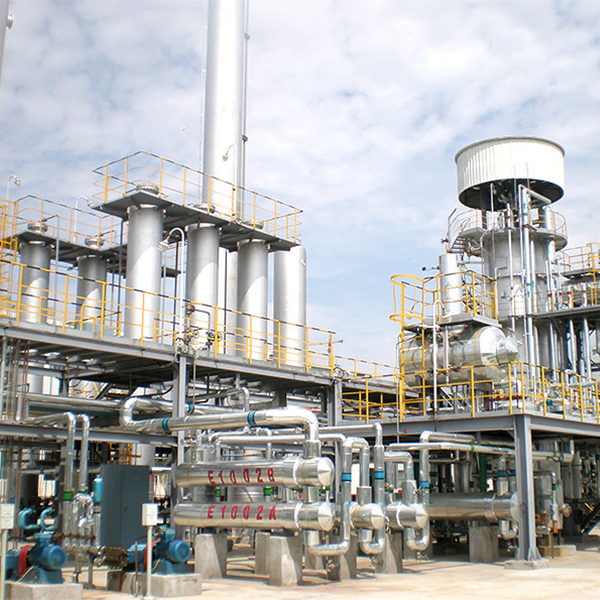 Hydrogen production by conversion of light hydrocarbons with steam
 -
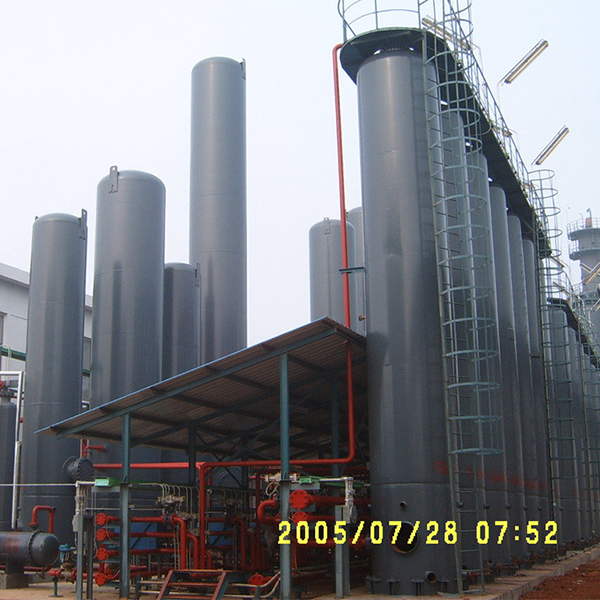 CO removal by pressure swing adsorption
 -
 Hydrogen purification technology by pressure swing adsorption
 -
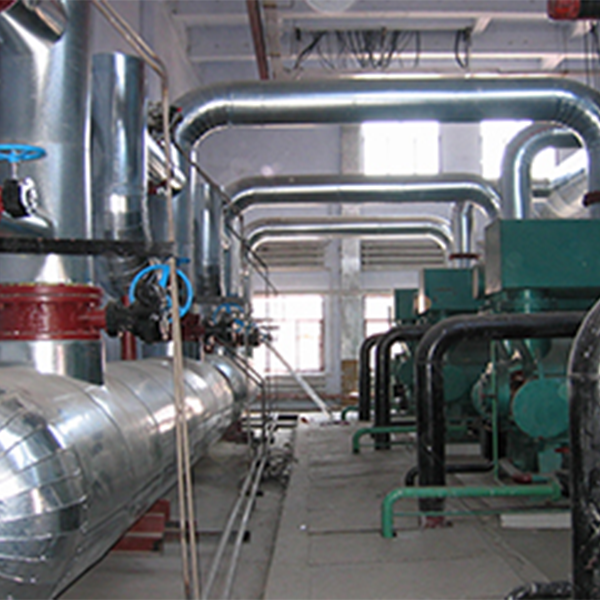 Oxygen production by pressure swing adsorption
 -
 Wet CO2 removal technology
 -
 MPS decarbonization technology
 -
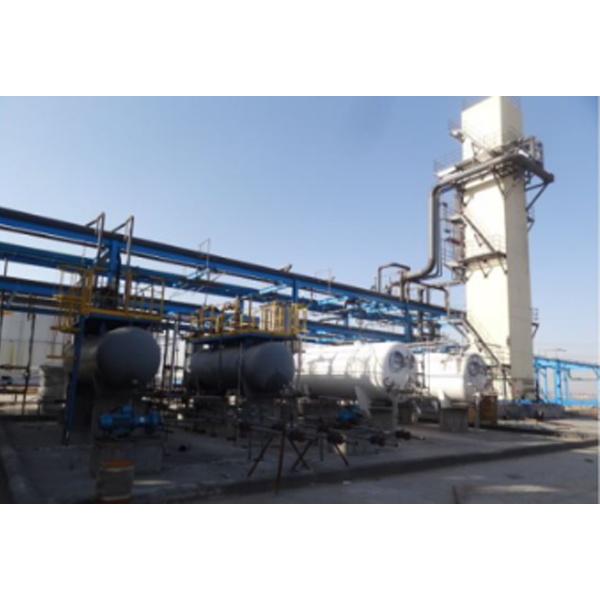 Liquefaction of natural gas
 -
 Hydrogen production from coke oven gases
 -
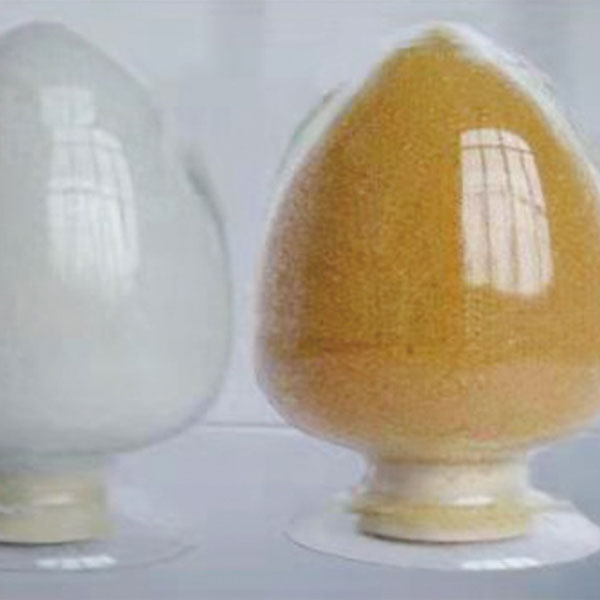 Unit desalting and demineralization equipment and special resin
 -
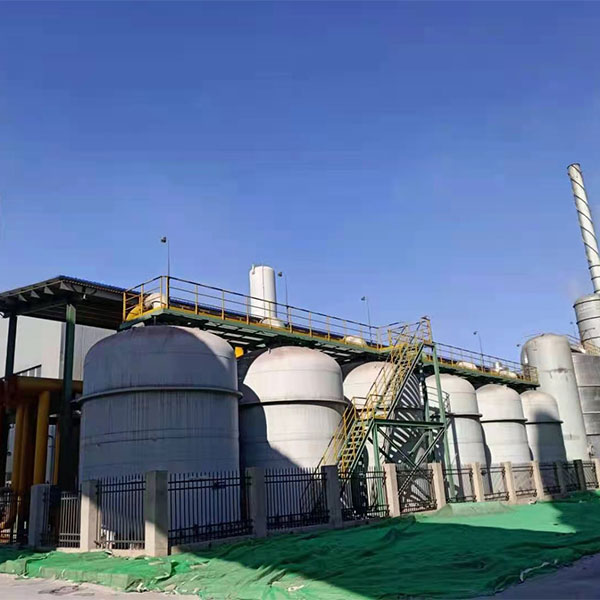 CO2 removal by pressure swing adsorption
Relatedsearch
Related Search- China Poison Adsorbents Supplier
- China Water Adsorbents Manufacturers
- China adsorbent substance Main buyer country
- China Valve Sensor Manufacturer
- China domestic natural gas liquefaction Exporter
- China control valve products
- China name of adsorbents Main country of buyer
- China fuel valve Main buyer country
- adsorbents drugs list of the best
- China food adsorbent Main buyer country