

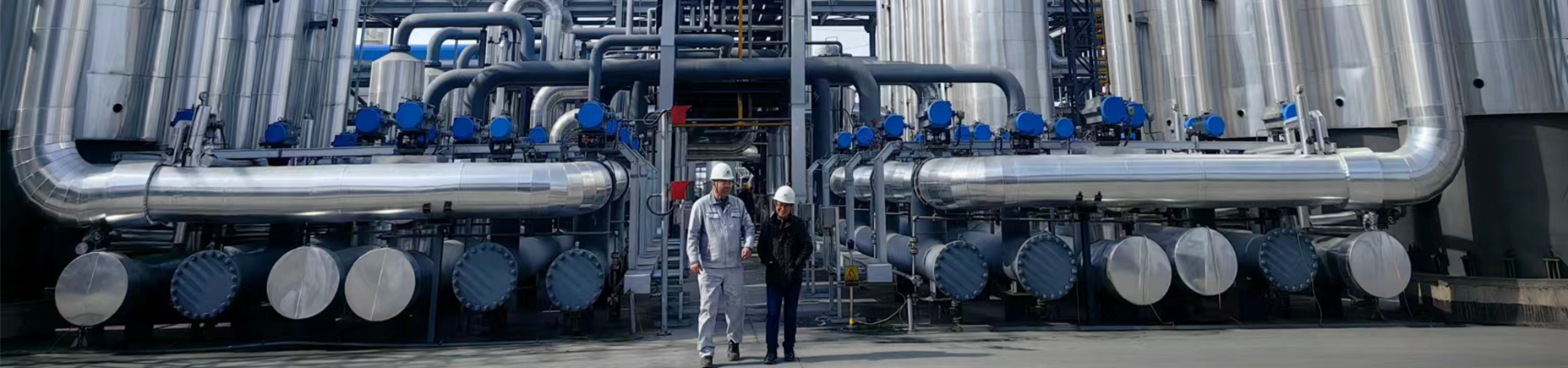
natural gas liquefaction technology name
Natural gas liquefaction technology
Natural gas is a valuable fossil fuel that is used in many aspects of our lives, from heating our homes to generating electricity. But how can this gas, which we are accustomed to think of as a gas, be converted into a liquid state? The answer lies in liquefied natural gas (LNG) technology.
How does the liquefaction process occur?
The LNG process is based on cooling natural gas to very low temperatures. Imagine trying to cool soda water to the point where it becomes ice. Natural gas, being a gas, requires significantly more cooling than regular water. For this purpose, sophisticated and efficient refrigeration systems are used. The main condition is very low temperatures, and they are achieved through several stages of cooling. The gas is first cleaned of impurities to prevent freezing and equipment damage. Then it passes through a sequence of cooling blocks, which, like a whole chain of ice generators, gradually reduce its temperature to minus 160-162 degrees Celsius. At this temperature, the gas turns into liquefied natural gas (LNG), which can now be stored and transported.
Why liquefy gas?
Gas liquefaction is not a whim, but a vital necessity. Frozen in liquid form, natural gas takes up much less space than in gaseous form. This is very important for its transportation over long distances, especially when gas pipelines are impossible or impractical. LNG is convenient to transport on specialized tankers, which makes it accessible to countries that do not have access to gas pipelines. This is especially important for emerging markets that are seeking to become energy self-sufficient.
Advantages and disadvantages of LNG
LNG technology has significant advantages: reduced transportation costs, increased volume of transported gas, flexibility in supply and access to new markets. However, LNG technology also has its disadvantages: high capital costs for creating LNG plants, complexity of transportation, storage of LNG requires special equipment and impact on the environment (although modern technologies strive to minimize these consequences).
Correspondingproducts
Related Products
Best Sellingproducts
Best Selling Products-
 Oxygen production by pressure swing adsorption
 -
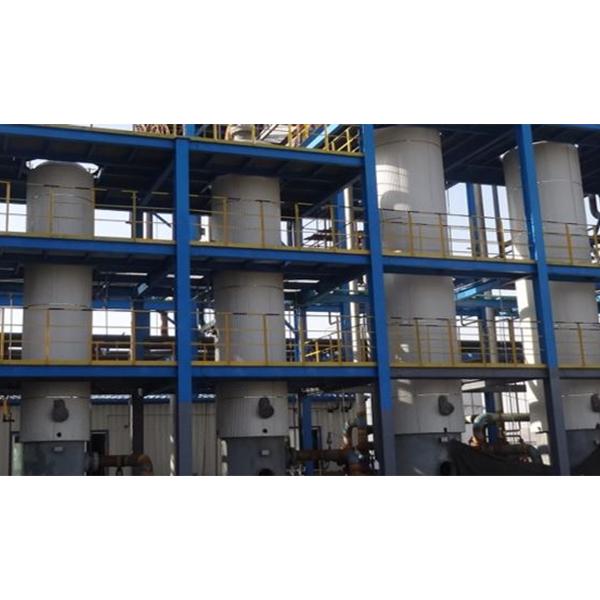 Coal gas organic sulfur fine removal technology
 -
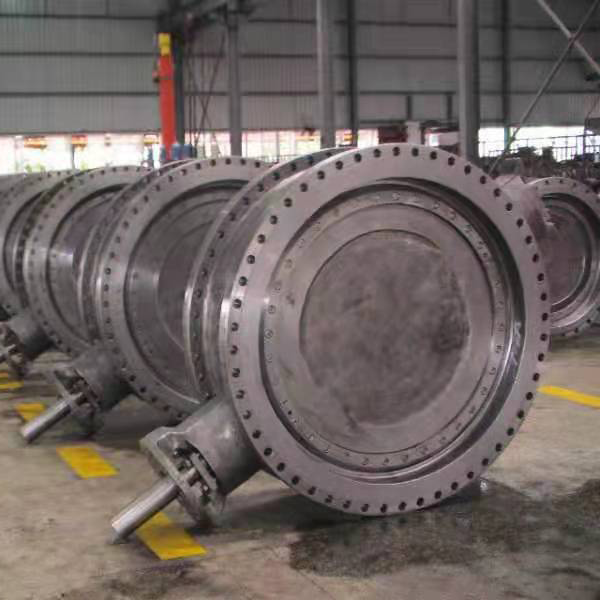 Valve
Valve -
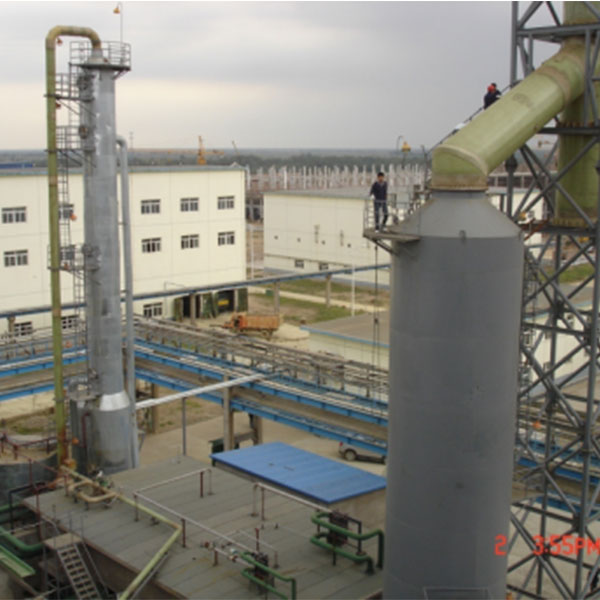 Ionic liquid desulfurization technology
 -
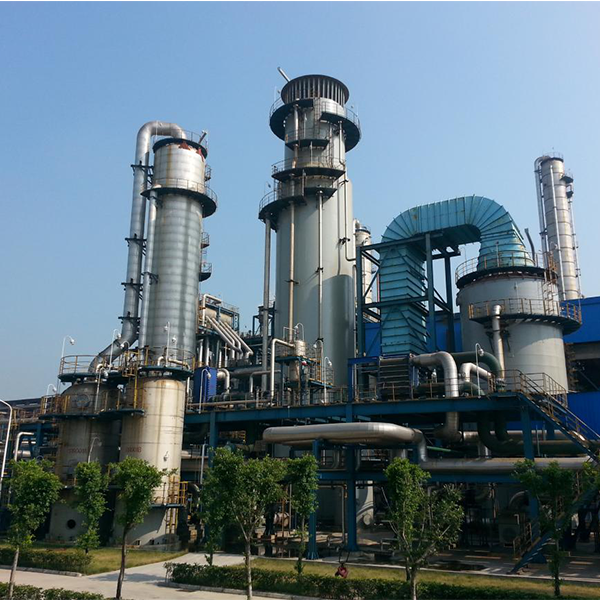 MEA-MDEA-NHD Desulfurization Technology
 -
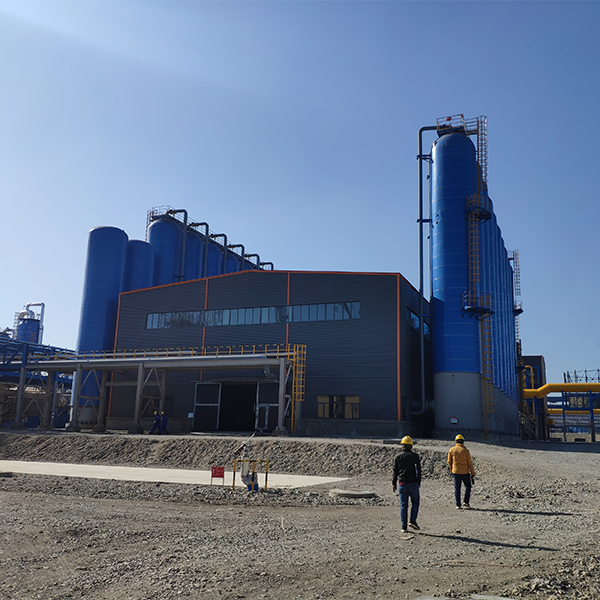 Hydrogen production by coal gasification
 -
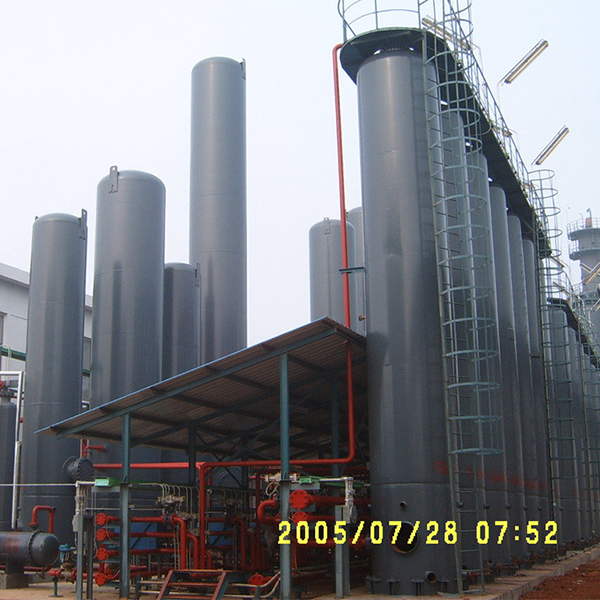 CO removal by pressure swing adsorption
 -
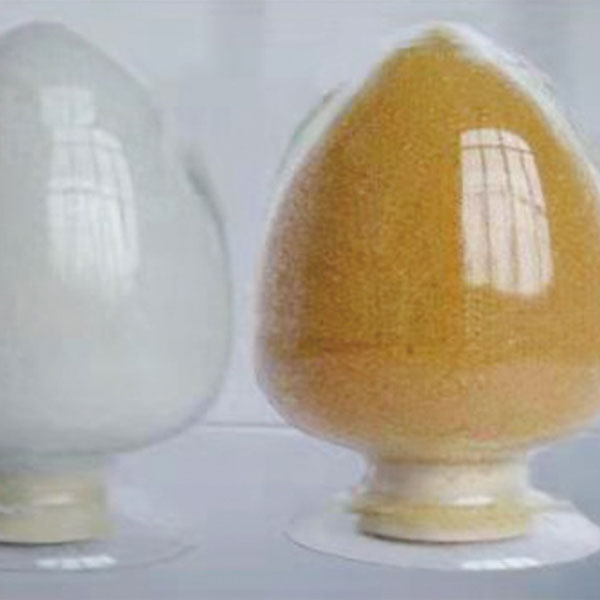 Unit desalting and demineralization equipment and special resin
 -
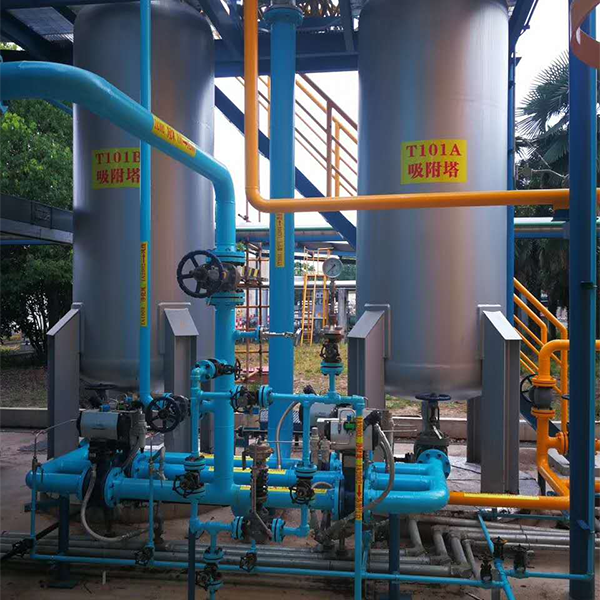 Nitrogen production by pressure swing adsorption
 -
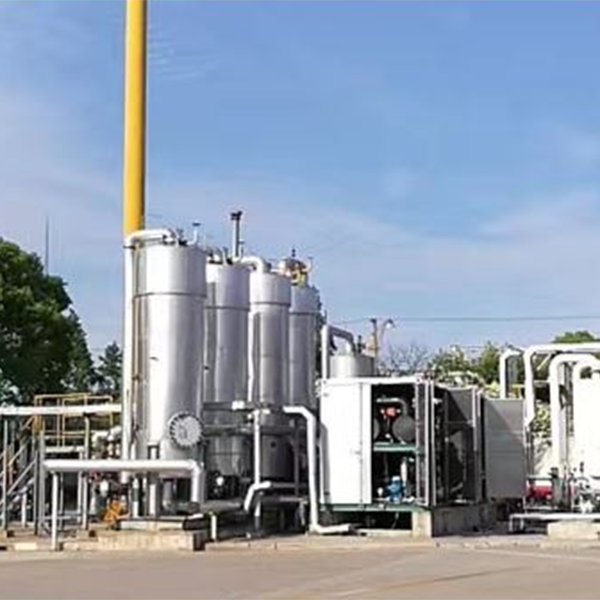 VOC tail gas disposal
 -
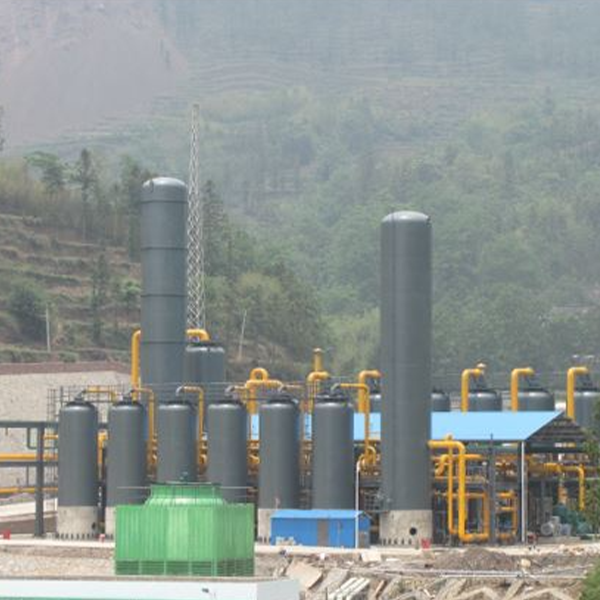 Methane extraction technology - biogas
 -
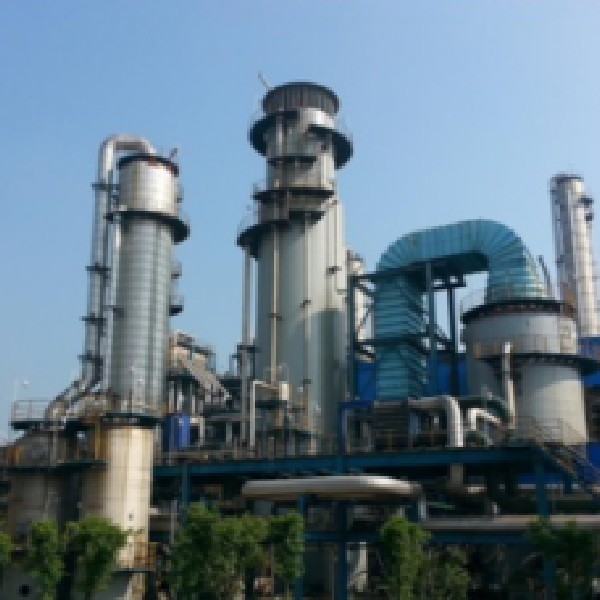 MPS decarbonization technology
Relatedsearch
Related Search- China adsorbent substance exporters
- China Name Adsorbents Manufacturer
- China adsorbents drugs products list
- China Solenoid Valve Exporter
- China gas valve price
- China adsorbents product name
- China Hydrogen purification technology by pressure swing adsorption Main buyer country
- China Liquefied Natural Gas Plant Exporter
- China three way valve exporters
- China Natural Gas Liquefaction Plant Manufacturer