

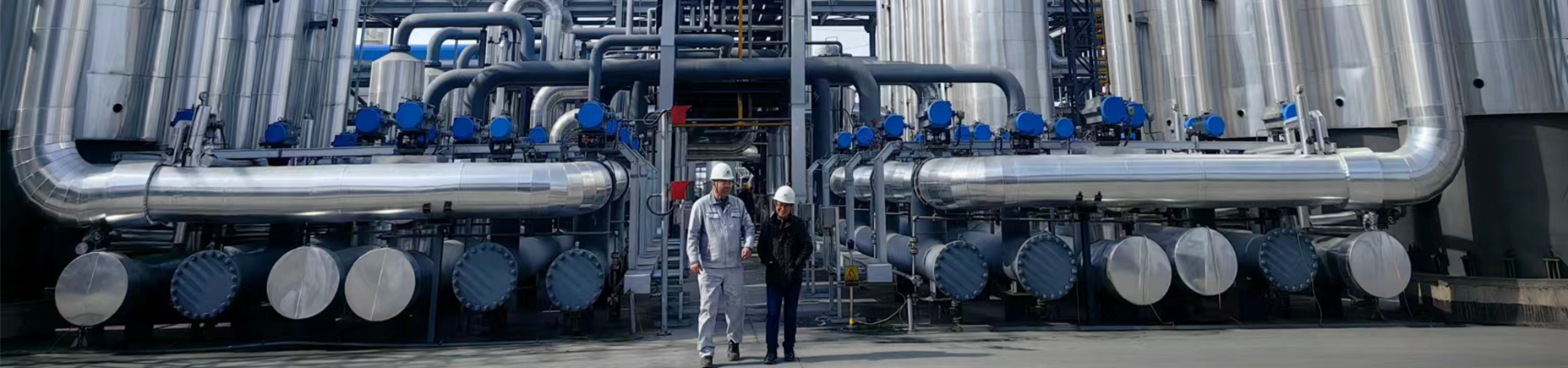
three way valve
Three way valve
A three-way valve is a device that, as if by magic, controls the flow of liquid or gas. Imagine a faucet, but with a more complex task - it doesn’t just open or close, but directs the flow in different directions. It is this ability that makes him an indispensable assistant in many technical processes.
How does a three way valve work?
The operation of a three-way valve is based on the flow switching principle. The device has three main inputs and outputs: input, output 1 and output 2. Depending on the position of the control element (most often it is a lever or an electric drive), the flow can be directed either to output 1 or output 2, or completely blocked. This is very similar to how you direct water into a sink - first one way, then the other. Instead of water - various liquids and gases, and instead of a tap - our three-way valve.
Where is a three way valve used?
The applications of three-way valves are incredibly wide. They are used in heating and ventilation systems, where they regulate the temperature by switching the flow of coolant. In refrigeration systems, to control the flow of refrigerant. They can be found in industry - for example, in automatic pressure control systems. They are also indispensable in hydraulic and pneumatic systems where precise and fast flow switching is required. In short, wherever you need to redirect liquid or gas, a three-way valve is always ready to help. Think of complex machines, robots, or even your car - in each of these devices they play an important role in ensuring correct operation.
Advantages of three-way valve:
The main advantage is precise and flexible flow control. In addition, three-way valves can ensure stable and reliable operation of complex systems. The simplicity of the design allows them to serve for a long time without any problems. All this makes three-way valves an integral part of the modern technological world, ensuring the correct operation of many processes.
Correspondingproducts
Related Products
Best Sellingproducts
Best Selling Products-
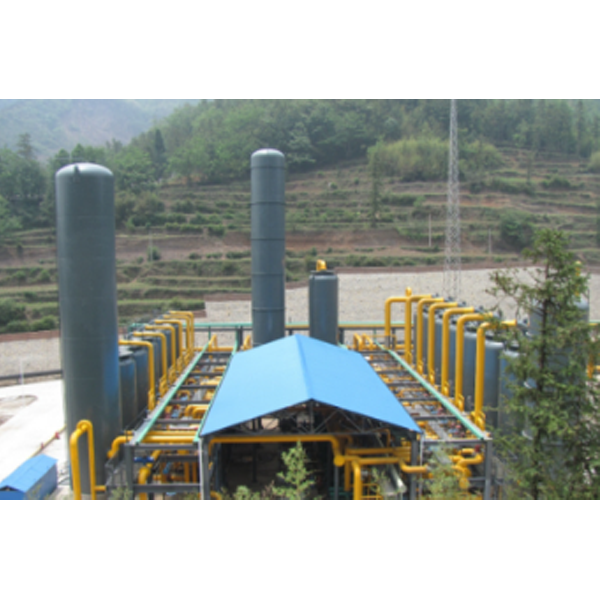 Methane extraction technology – coalbed methane
 -
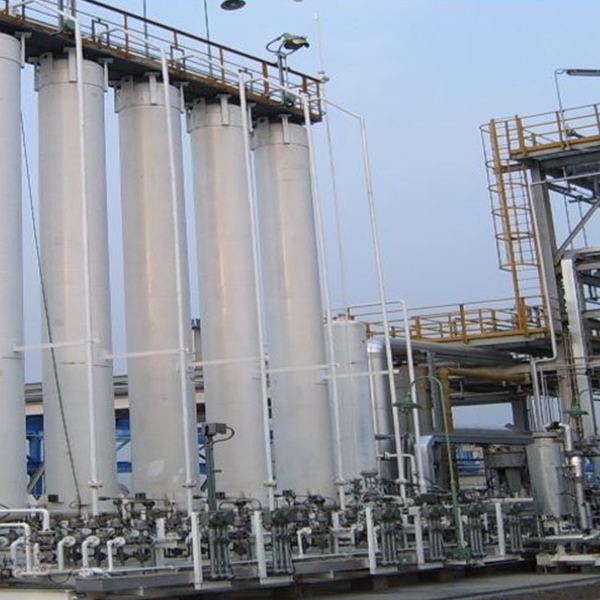 Argon purification
 -
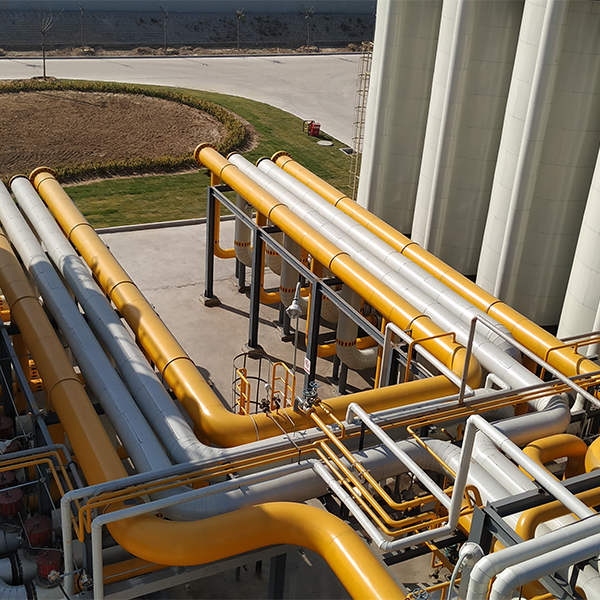 Coke gas purification technology
 -
 Oxygen production by pressure swing adsorption
 -
 Hydrogen production by splitting methanol
 -
 Flue gas CO2 recovery technology
 -
 Waste acid regeneration
 -
 Ionic liquid desulfurizer
 -
 Flue gas denitrification SCR、SNC
 -
 MEA-MDEA-NHD Desulfurization Technology
 -
 Methane extraction technology - biogas
 -
 Ionic liquid desulfurization technology
Relatedsearch
Related Search- China Natural Gas Liquefaction Plant Manufacturer
- China substance adsorbent products
- China Special Acid Regeneration Equipment Products
- China natural gas liquefaction equipment exporters
- China KAMAZ valve factories
- China Valve Products
- China substance adsorbent Manufacturer
- China Special Acid Regeneration Equipment Factories
- China adsorbents preparations list of best Exporter
- China Food CO2 production technology price