

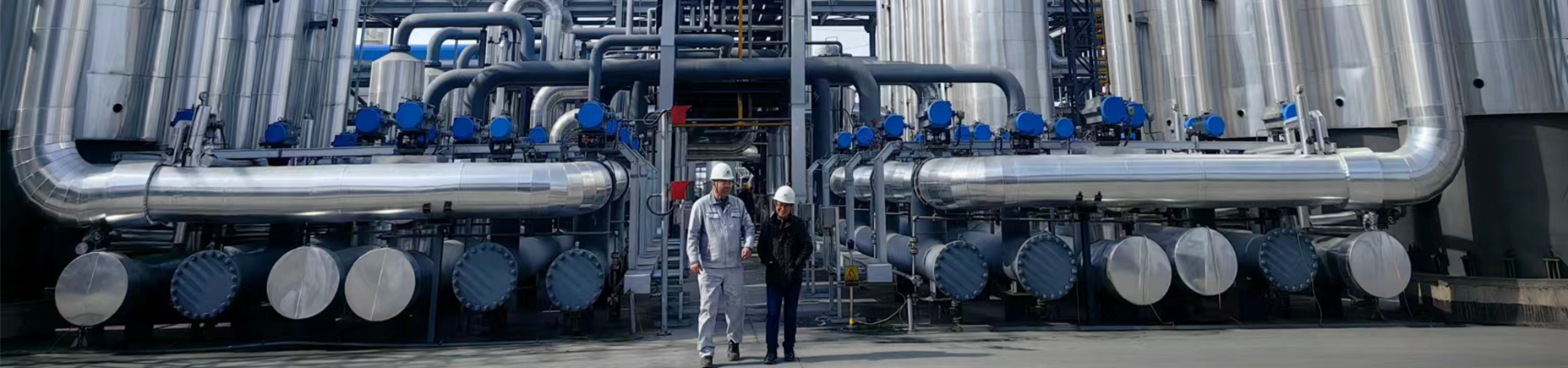
unique natural gas liquefaction technology
When they talk about “unique liquefaction technology,” many immediately imagine something revolutionary, breakthrough that will immediately change the entire industry. In fact, over the years of working with LNG projects, I have come to the conclusion that uniqueness often lies not in reinventing the wheel, but in the ability to adapt and integrate known processes to specific, sometimes very stringent conditions - the composition of raw materials, climate, logistics, economics of the project. It's more of an art of engineering than a pure science. It's about this practical, "down-to-earth" thing. uniqueness and I want to speculate.
From concept to reinforced concrete tanks: where uniqueness is born
Take, for example, the classic cascade circuit. It would seem that everything has been planned for a long time. But here's the real challenge: you need to design a plant for a small field with high nitrogen and ethane content. Standard solutions lead to huge energy costs or the need to build a separate fractionation plant. The uniqueness here lies in the modification of the cycle, possibly in hybridization with membrane or adsorption pre-separation. We at Chengdu Yizhi Technology Co. We often come across such “non-standard” ones. orders where you can’t just take a standard project from a catalog.
I remember one project for a remote area of Siberia. The main challenge was not so much the liquefaction technology as such, but how to ensure its operation at -55°C in winter and complete autonomy. We had to deeply rework the system for heat recovery and refrigerant recovery, literally “sewing up” it. redundancy and special materials resistant to cold brittleness are included in the technological scheme. It was not a breakthrough in physics, but it was a unique engineering solution for the given conditions. On the websiteyzkjhx.ruYou can find echoes of this approach - an emphasis on integrated project engineering, rather than on selling “out of the box” products. solutions.
It is in such details that the essence lies. A unique technology for liquefying natural gas often means a unique piping, a unique control and safety system, tailored for a specific case. Sometimes this leads to the creation of a new device or unit, but more often it leads to a new configuration of old, proven elements. And this, believe me, requires an equally deep understanding of the processes.
The myth of the “most effective” cycle and cost of error
In the industry, there is a kind of fetish around the efficiency of a particular cycle - mixed refrigerant (MRC), nitrogen, double mixed refrigerant. Clients often come with the request: “Give us the most effective, most modern technology?”. But the most effective one in a laboratory or at a large plant may fail at low power or when the gas composition is unstable.
We had experience when they insisted on using the same fashion cycle with “excellent” ones. declared indicators. But upon detailed modeling, it turned out that its sensitivity to pressure fluctuations in the feed gas is extremely high, and there were problems with this at the facility. We persisted, tried... The result was chronic underload, frequent stops. I had to simplify on the fly, return to a more reliable, albeit slightly less “beautiful” one. from the point of view of thermodynamics, option. This lesson was expensive, but clearly showed:unique natural gas liquefaction technologymust be first and foremost robust. Reliability and controllability are often more important than the theoretical maximum efficiency.
This is where the value of a design institute with serious capital, like Chengdu Yizhi Technology Co., Ltd., comes into play. – this is an opportunity to conduct in-depth pre-project modeling and risk analysis, not limited to paper calculations. The registered capital of 120 million yuan is not just a number, it is, among other things, the ability to have access to serious computing and engineering resources for such iterations and hypothesis testing before the hardware stage.
Integration as a key element: from gas to liquefied products
A common mistake is to treat the liquefaction line as an isolated module. In fact, its uniqueness and effectiveness are 50% determined by what comes before and after it. Gas pre-treatment – removal of CO2, mercaptans, drying. The slightest miscalculation here - and the catalysts on the liquefaction line are poisoned, or ice damages the heat exchangers.
One of the most difficult projects was related to integration. We needed to fit a liquefaction plant into an existing complex, where gas came from several wells with different compositions. The problem wasn't the process itself.natural gas liquefaction, but in creating a dynamic mixing and pre-processing system that would smooth out these fluctuations and provide a more or less stable flow at the entrance to the cryogenic circuit. We had to develop a non-standard control system based on predictive algorithms. This was the same “unique technology”, but not of liquefaction, but of ensuring its stable operation.
That is why in the description of the activities of Chengdu Yizhi Technology Co. The emphasis is placed on the status of the design institute. This implies responsibility for the entire cycle - from the technological audit of raw materials to the delivery of a finished turnkey project, where all systems work in harmony. Without this holism, any, even the most advanced, liquefaction line can become a source of constant problems and losses.
Adaptation for low and medium power: niche uniqueness
The main technology giants are designed for gigantic volumes. But today the market is increasingly moving towards distributed energy, bunkering, and the use of associated gas. Here is the field for truly interesting and unique solutions. The goal is to create a compact, mobile or modular installation that would still remain economically feasible.
While working in this segment, we experimented with different approaches to minimizing equipment. For example, using vortex tubes for pre-cooling or with special compact printed heat exchangers. Not all experiments were successful. One of the developments, which seemed promising on paper, ran into insurmountable difficulties with scaling and maintenance in the field. But even this negative experience is invaluable - it cut off an entire line of thought and focused efforts on more realistic configurations.
Such developments, although not always successful, form the very practical baggage that distinguishes a real engineer from a theorist. And, by the way, on the institute’s websiteChengdu Yizhi Technology Co.one can see that their range of interests includes both large and medium-sized projects, which indicates an understanding of the diversity of the market.
The future: unique in flexibility and digital
Where is the industry heading? I see the next wave of ?unique technologies? will be associated not with the invention of a new cycle, but with the digital transformation of existing ones. We are talking about adaptive systems that adjust operating parameters in real time to the changing composition of gas, the price of electricity, and demand for the product.
Imagine a plant that decides when to work harder and when to reduce load, based on the weather forecast (which affects energy costs) and stock market quotes. This will require deep integration of technological and information models - a digital twin in the full sense of the word. This will be for realunique technologynew generation.
For design institutes including Chengdu Yizhi Technology Co., this is both a challenge and an opportunity. A challenge because it requires new competencies. Opportunity - because the one who learns to “sew in” Incorporating this kind of intellectual flexibility into your projects from the very beginning will give you a serious competitive advantage. This is no longer just engineering, it is the creation of “living”, self-optimizing production systems. And this, perhaps, is the main vector of development: from static uniqueness inherent in the project to dynamic uniqueness, realized during the entire operation.
Ultimately, it all comes back to a simple truth: technology serves a purpose. And its uniqueness is measured not by patents, but by its ability to reliably, economically and flexibly solve specific production problems in the real, not the ideal, world. This is precisely what the practitioner’s view should be aimed at.
Correspondingproducts
Related Products
Best Sellingproducts
Best Selling Products-
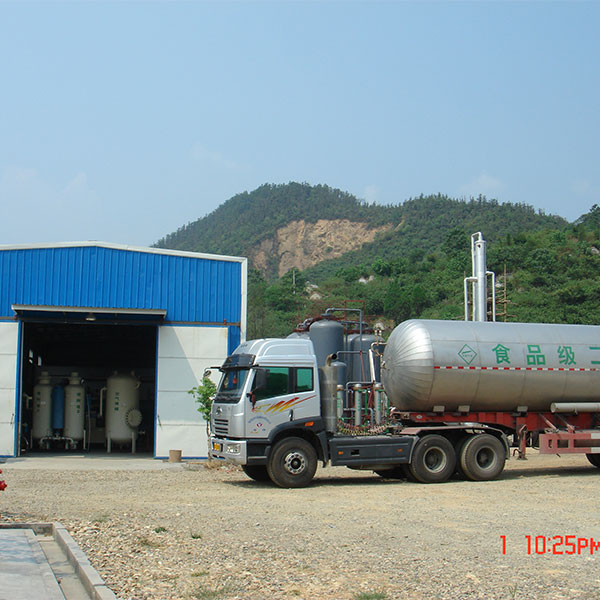 Food grade CO2 purified
 -
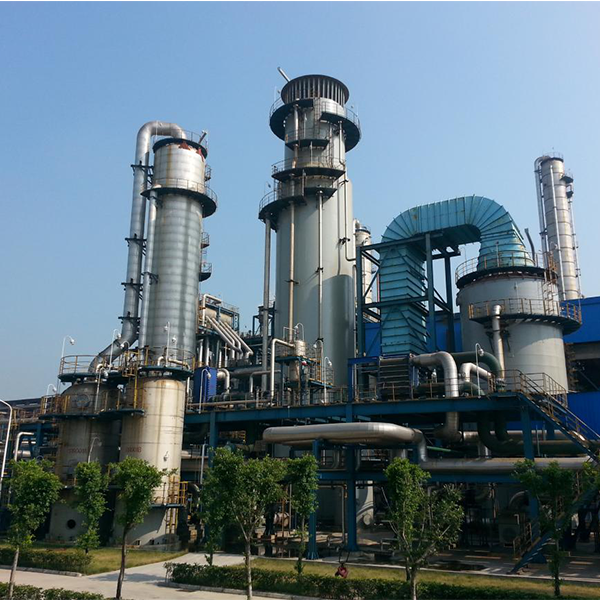 MEA-MDEA-NHD Desulfurization Technology
 -
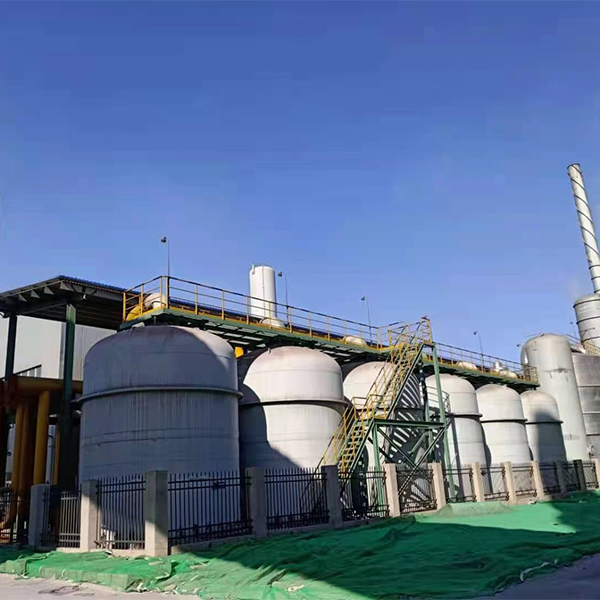 Oxygen purification and utilization
 -
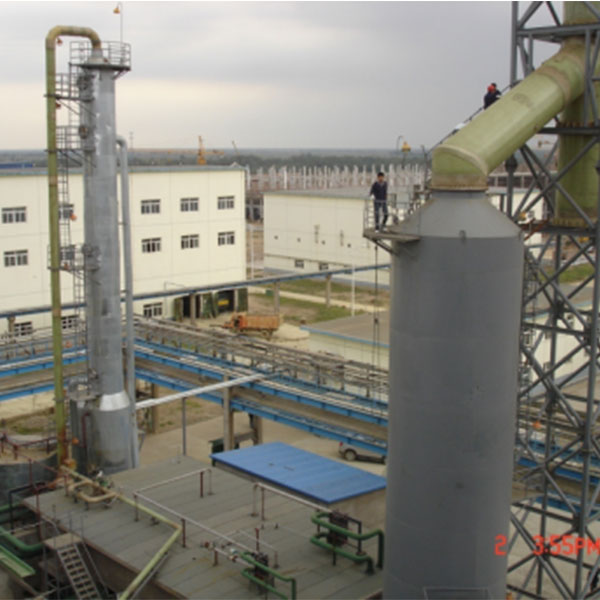 Ionic liquid desulfurization technology
 -
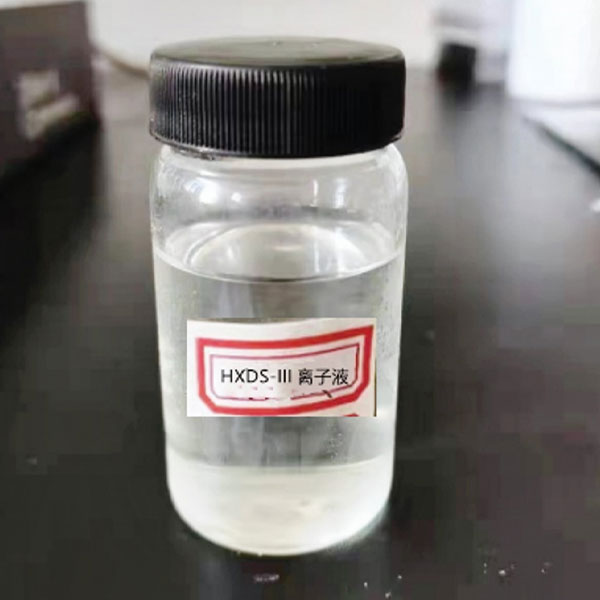 Ionic liquid desulfurizer
 -
 MPS decarbonization technology
 -
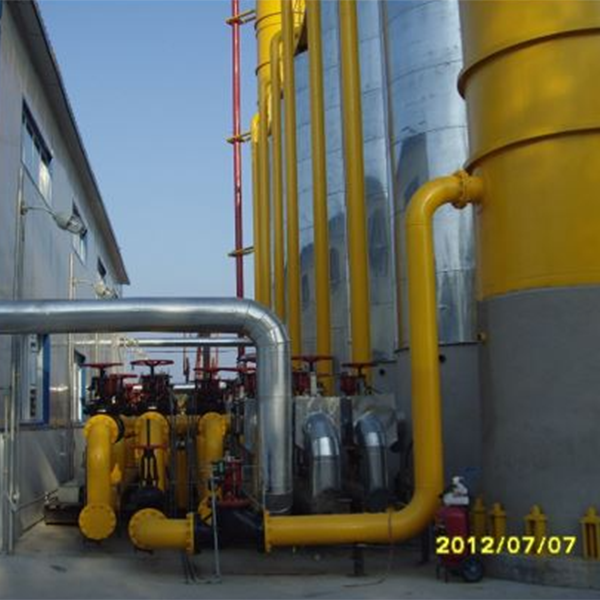 Vinyl chloride recycling technology
 -
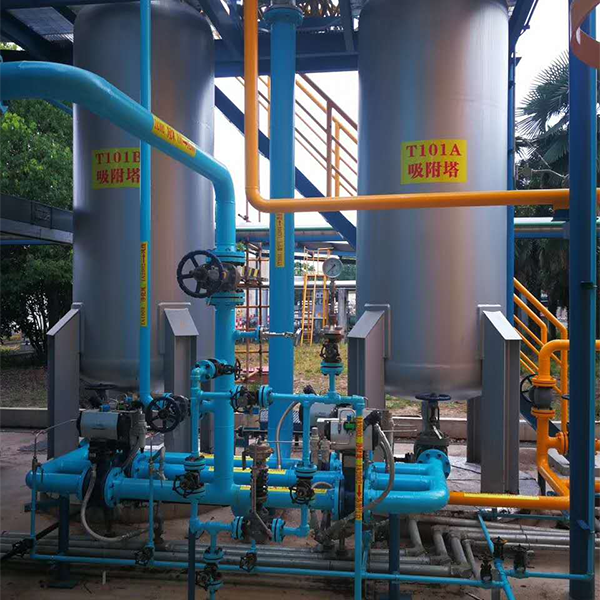 Nitrogen production by pressure swing adsorption
 -
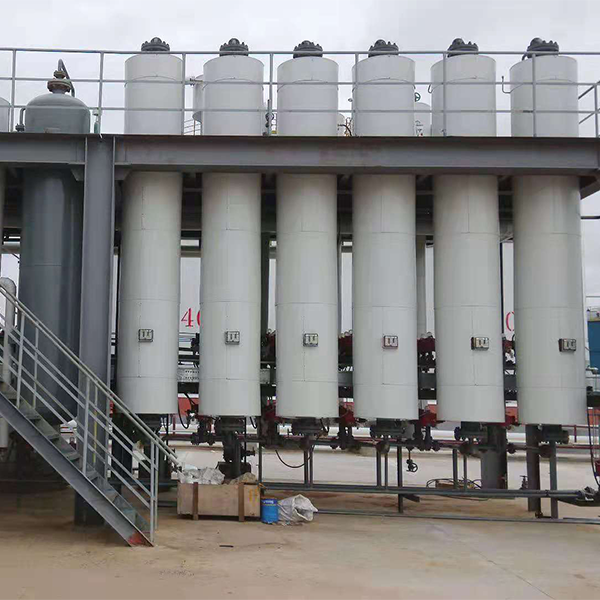 Hydrogen production by splitting methanol
 -
 Unit desalting and demineralization equipment and special resin
 -
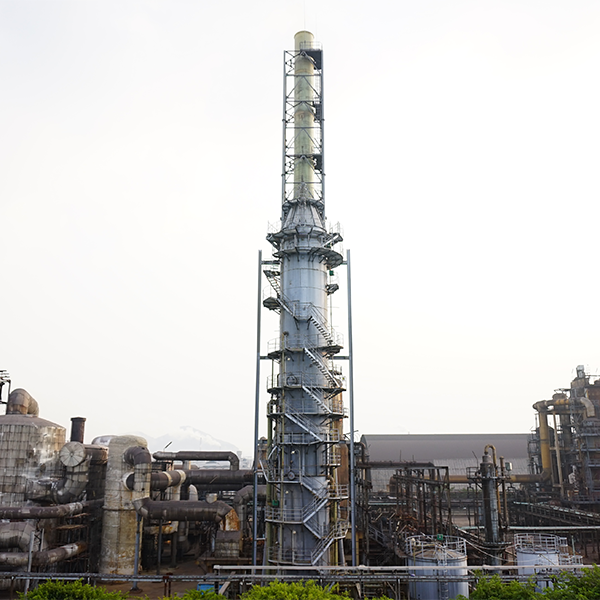 Flue gas desulfurization technology using ammonia
 -
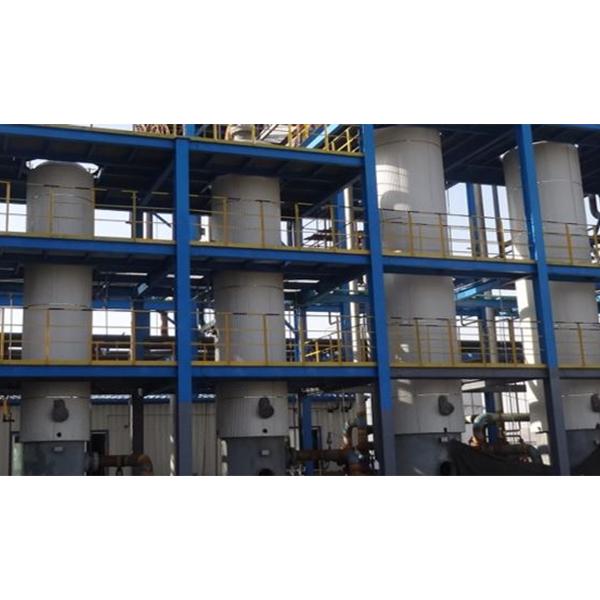 Coal gas organic sulfur fine removal technology
Relatedsearch
Related Search- China Poison Adsorbents Supplier
- China natural gas liquefaction process product
- China Mycotoxin Adsorbent Supplier
- China poisoning adsorbents exporters
- China Name Adsorbents Manufacturers
- China CO2 Removal by Pressure Swing Adsorption Manufacturer
- China O2 Removal by Pressure Swing Adsorption Suppliers
- China Catalyst Adsorbent Supplier
- China water valve products
- China adsorbents preparations list of the best factories