

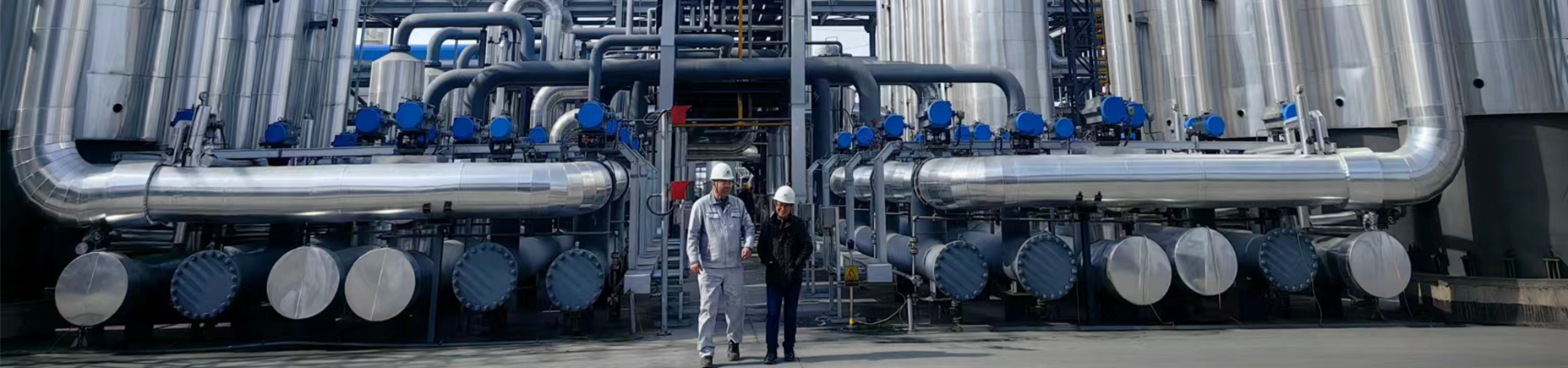
Wet CO2 removal technology
Wet CO2 removal technology
Capturing and storing carbon dioxide (CO2) is one of the key challenges of our time. This greenhouse gas is the main cause of global warming, and humanity is looking for more and more effective ways to neutralize it. One of the promising approaches is the technology of CO2 removal using the wet method. Imagine huge factories that release huge amounts of harmful gases into the atmosphere, and here is a way to catch them.
How the technology works
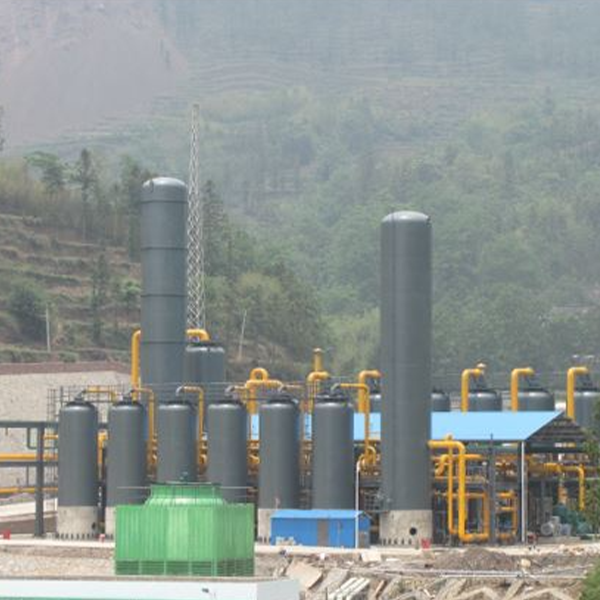
The essence of the technology is the absorption of CO2 by water or solutions containing certain chemicals. Imagine a huge container filled with water. Gases containing CO2 are passed through this container. CO2 molecules stick to the water or solution, and clean air comes out. It is important to note that different substances and materials dissolved in water allow CO2 to be captured more effectively, increasing the efficiency of the process. This is similar to how a sponge absorbs water - only instead of water, it absorbs CO2.
Advantages and disadvantages of the method
The wet method has several advantages. Firstly, it is relatively easy to implement and can be applied to existing enterprises. Secondly, it allows you to capture CO2 from various sources - from industrial emissions to exhaled air. However, there are also some difficulties. For example, using large volumes of water can be costly, and regenerating the absorbent (that is, freeing the water of CO2) can be energy-intensive. Additionally, some of the chemicals used in the process may pose potential environmental hazards if not disposed of properly.
Development prospects and future of technology
Researchers are constantly working to improve the efficiency and cost-effectiveness of the wet method. New, more efficient CO2 absorbers are being developed that require less energy for regeneration. A search is also underway for ways to recycle waste solutions and absorbed CO2. In the future, perhaps the use of technologies for processing captured CO2 to produce useful materials will become a new direction of development. Using this method could allow humanity to more effectively combat global warming and reduce greenhouse gas emissions. And this is really very important for preserving our planet.
Correspondingproducts
Related Products
Best Sellingproducts
Best Selling Products-
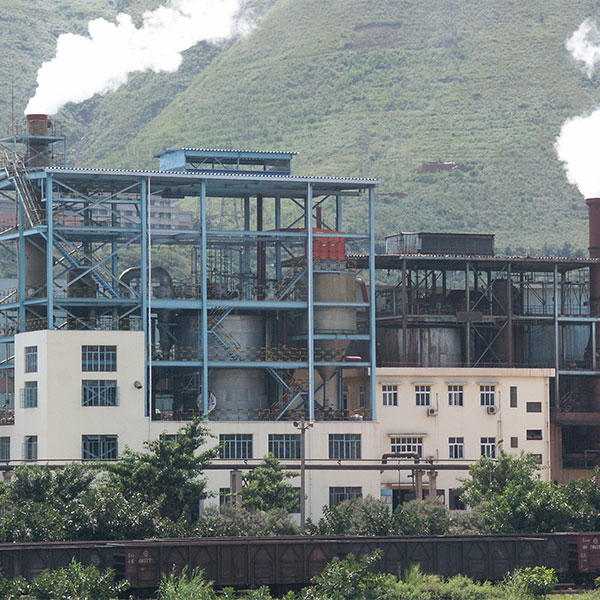 Waste acid regeneration
 -
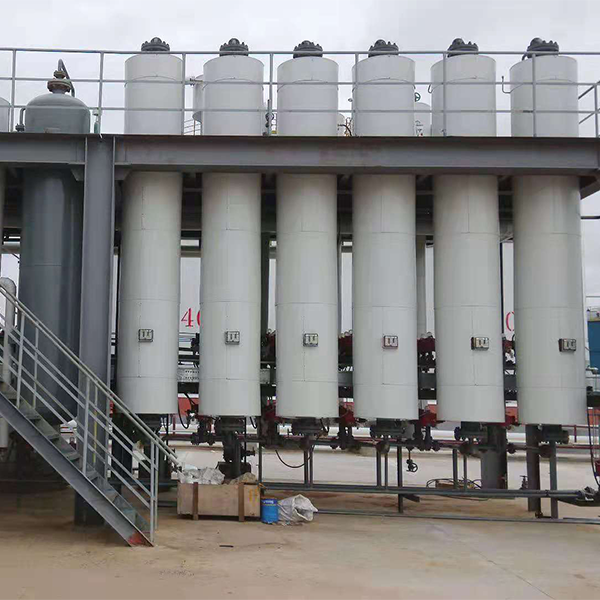 Hydrogen production by splitting methanol
 -
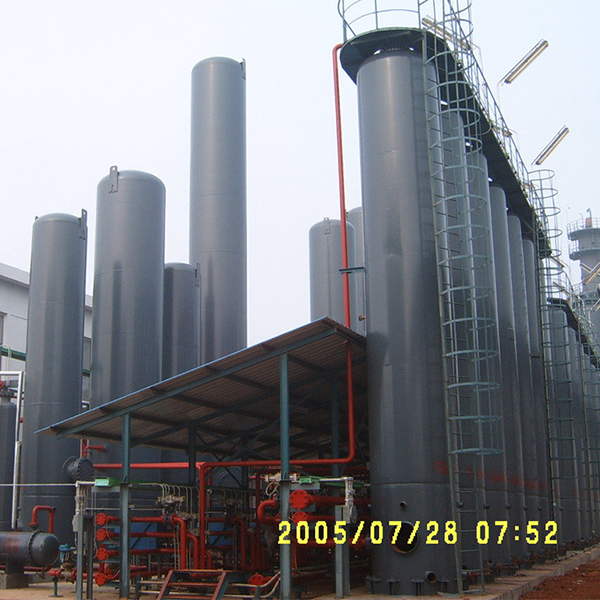 CO removal by pressure swing adsorption
 -
 Oxygen production by pressure swing adsorption
 -
 Hydrogen purification technology by pressure swing adsorption
 -
 Liquefaction of natural gas
 -
 MEA-MDEA-NHD Desulfurization Technology
 -
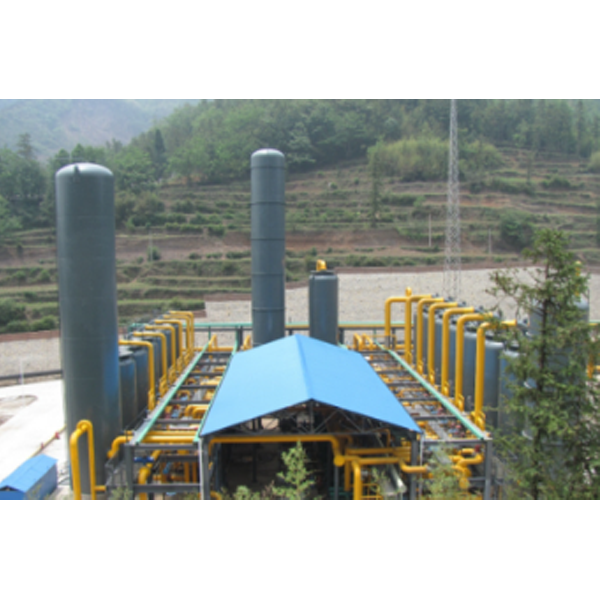 Methane extraction technology – coalbed methane
 -
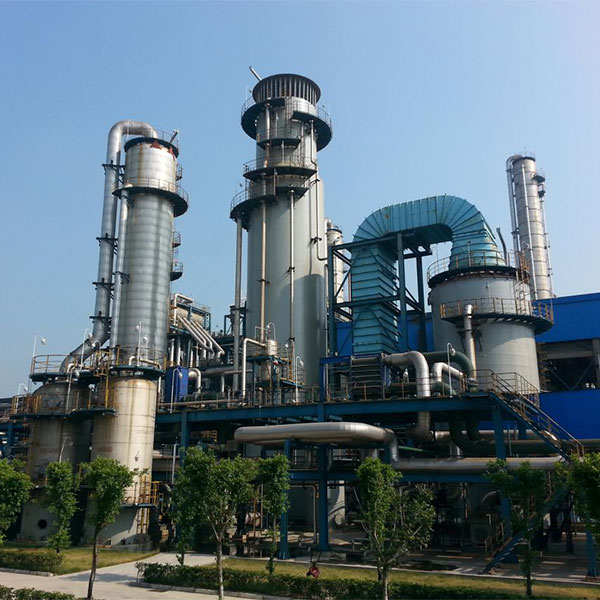 Wet CO2 removal technology
 -
 Ionic liquid desulfurizer
 -
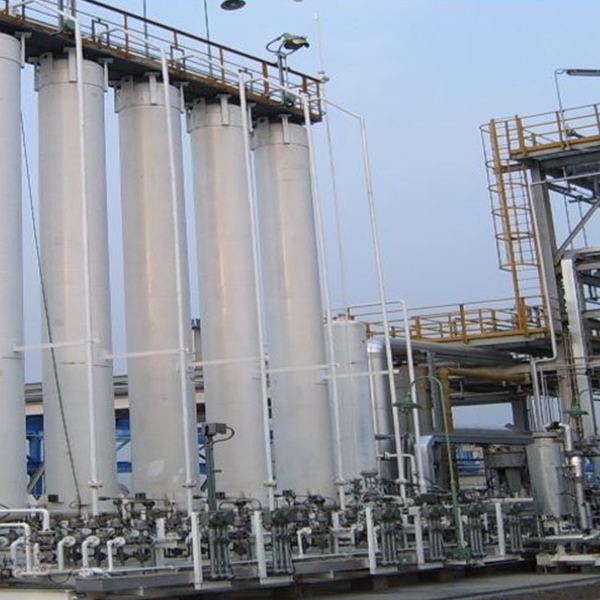 Argon purification
 -
 Methane extraction technology - biogas
Relatedsearch
Related Search- China fuel valve factory
- China natural gas liquefaction technology plants
- China safety valve factory
- natural gas liquefaction process
- China three way valve product
- CO2 removal by pressure swing adsorption plant
- China Waste Acid Regeneration Manufacturer
- Wet CO2 removal technology
- China Injector Valve Suppliers
- Wholesale production of oxygen by pressure swing adsorption