


CO2 removal by pressure swing adsorption plant
CO2 removal by pressure swing adsorption: plant
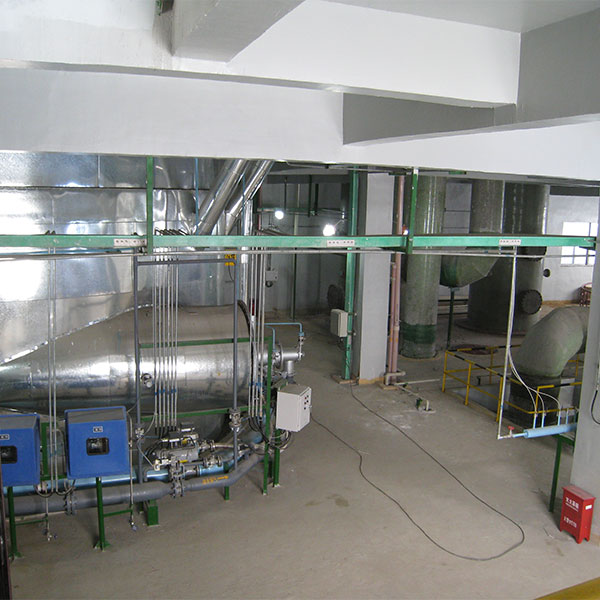
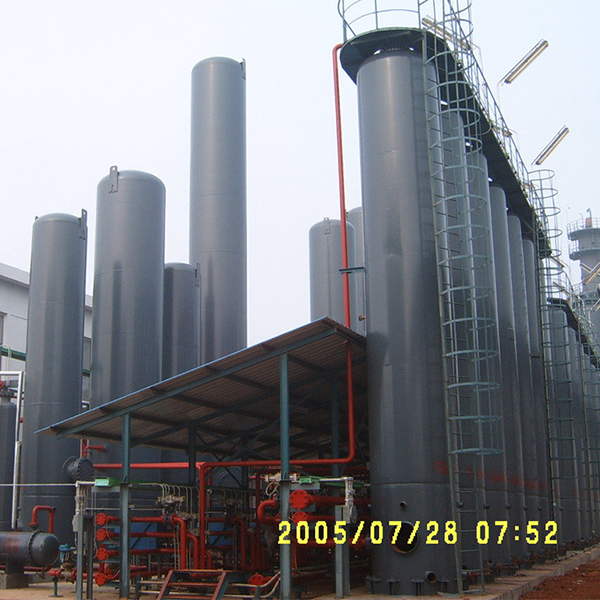
A carbon dioxide (CO2) capture plant using pressure swing adsorption is a modern technological solution to combat the greenhouse effect. Imagine a huge vacuum cleaner that pumps out CO2 from the emissions of industrial plants or power plants. Here's how it works.
Working principle:
The process is based on adsorption - the ability of certain materials (adsorbents) to absorb CO2 from a gaseous mixture. In this case, special materials are used that love CO2 very well. The key point is working at variable pressure. At the plant, the pressure in the systems changes cyclically. At the moment of high pressure, CO2 is intensively absorbed by the adsorbent. The pressure is then reduced and the absorbed CO2 is released, ready for further use or storage. This is very similar to the filtration process, but instead of dirt, we remove harmful gases. The cyclical nature of processes ensures efficiency and repeatability of work.
Advantages of the technology:
Such plants have high CO2 capture efficiency. They are also more economical in the long run than some other technologies because they do not require much energy for cooling. This approach allows CO2 to be used for useful purposes, such as producing chemicals or improving soil fertility. Developed control and automation systems at the plant contribute to process stability and reliability. This allows you to achieve optimal results without human intervention.
Challenges and prospects:
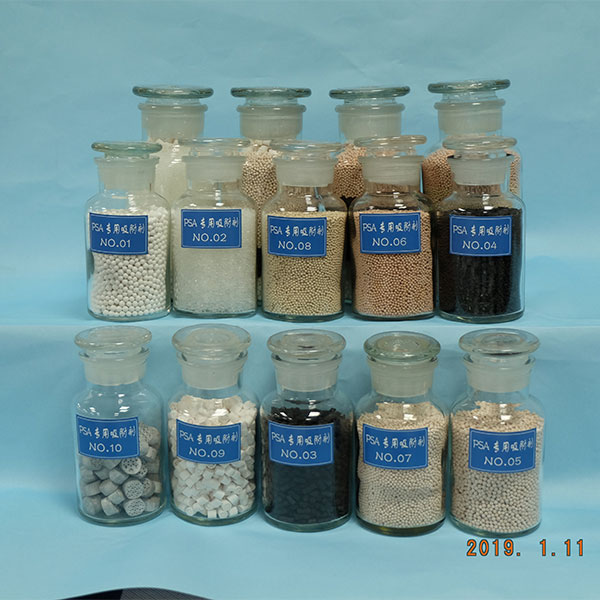
Despite the benefits, there are also some challenges. One of them is to select a suitable adsorbent that will effectively absorb CO2 under variable pressure and at the same time be strong and durable. Further research is also needed to improve the efficiency and reduce the cost of the process. However, as technology advances and awareness of the importance of combating climate change grows, CO2 capture plants using pressure swing adsorption are becoming an increasingly important tool for a sustainable future. In the future, they may become key elements in the fight against climate change.
Correspondingproducts
Related Products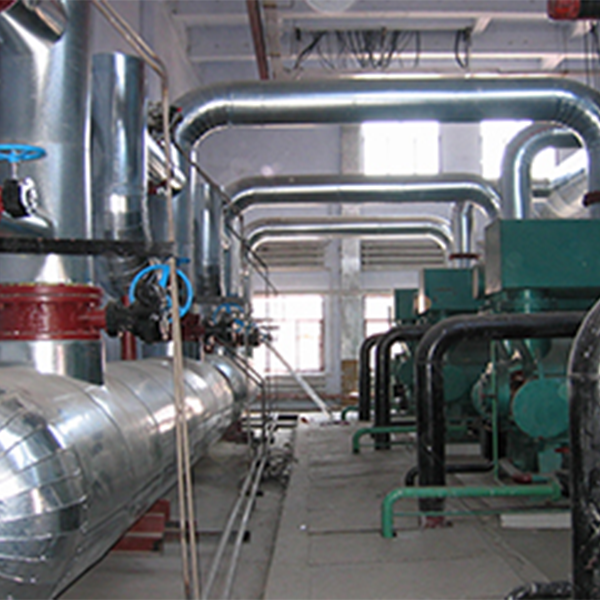
Best Sellingproducts
Best Selling Products-
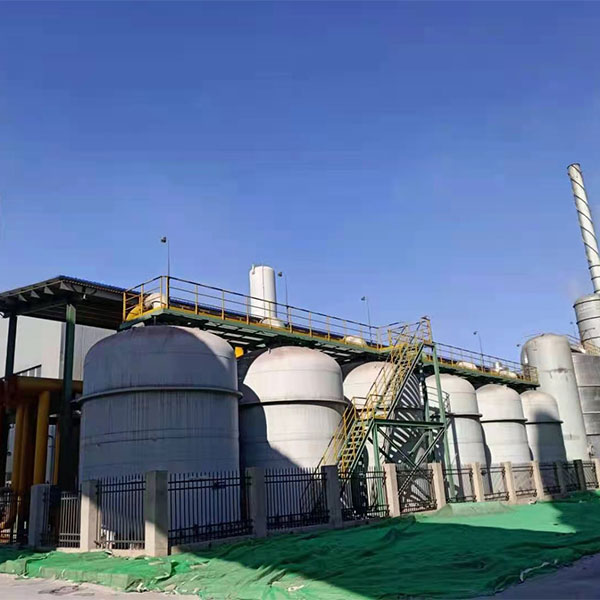 CO2 removal by pressure swing adsorption
 -
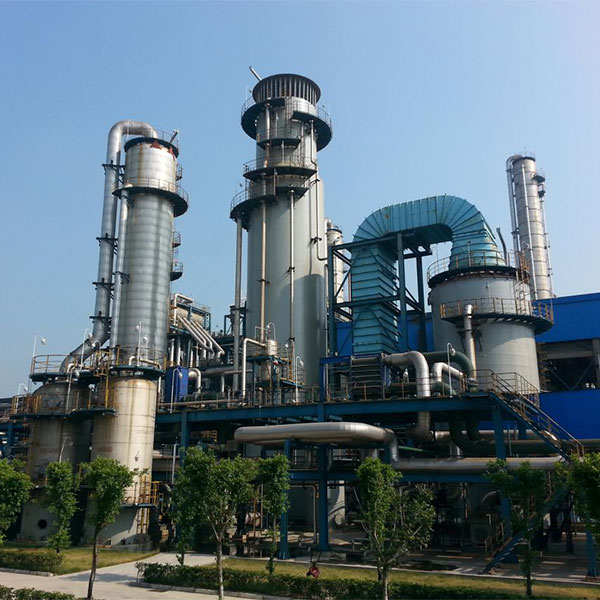 Wet CO2 removal technology
 -
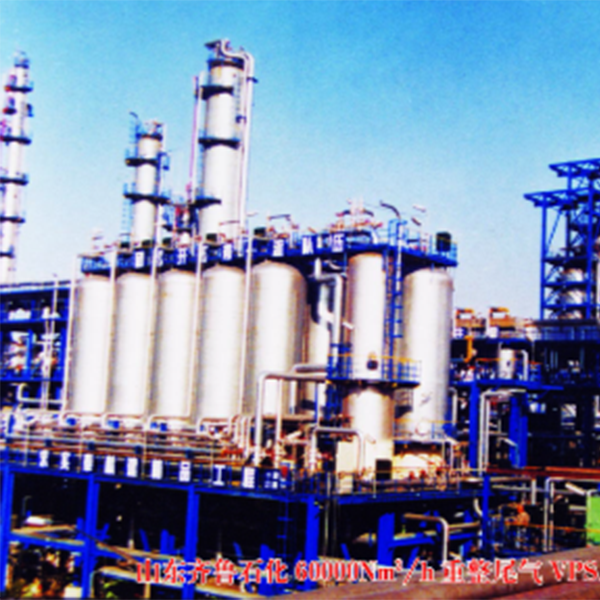 Hydrogen purification technology by pressure swing adsorption
 -
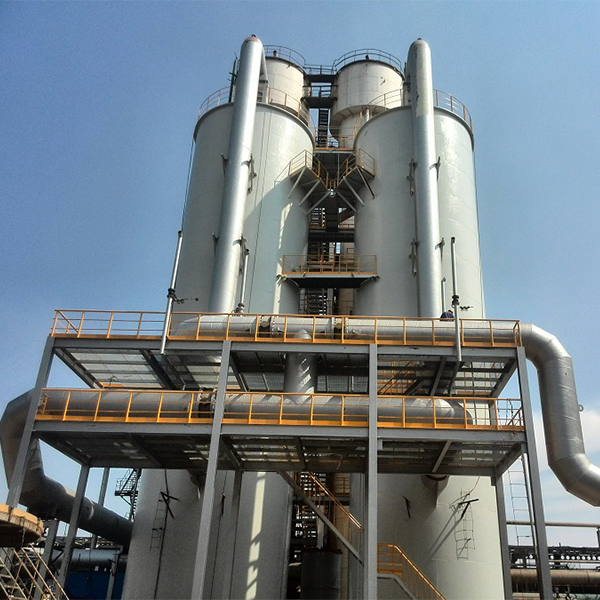 Desulfurization technology using the redox wet method
 -
 Argon purification
 -
 Battery material precursor production technology
 -
 Methane extraction technology - biogas
 -
 MPS decarbonization technology
 -
 Coke gas purification technology
 -
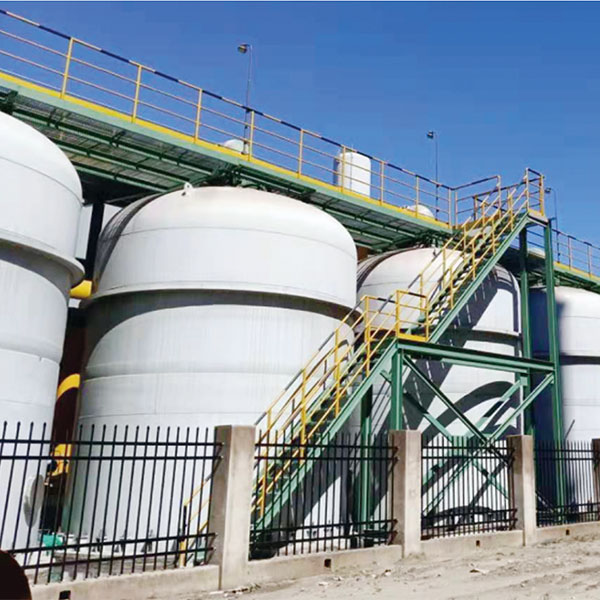 Flue gas CO2 recovery technology
 -
 Liquefaction of natural gas
 -
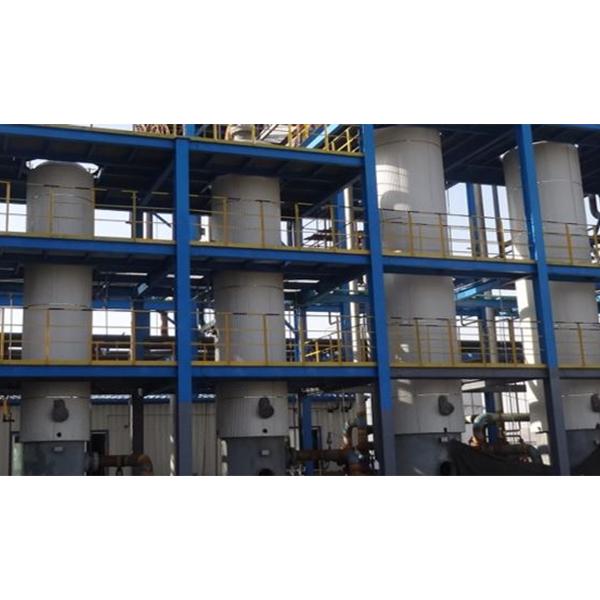 Coal gas organic sulfur fine removal technology
Relatedsearch
Related Search- China MEA/MDEA/NHD Desulfurization Technology Suppliers
- Waste acid regeneration plant
- China adsorbents examples Exporter
- Cast Iron Butterfly Valve
- China safety valve factories
- adsorbent tablets wholesale
- China desiccant desiccant price
- cleaning technical argon
- China food adsorbent factory
- China adsorbent application products