

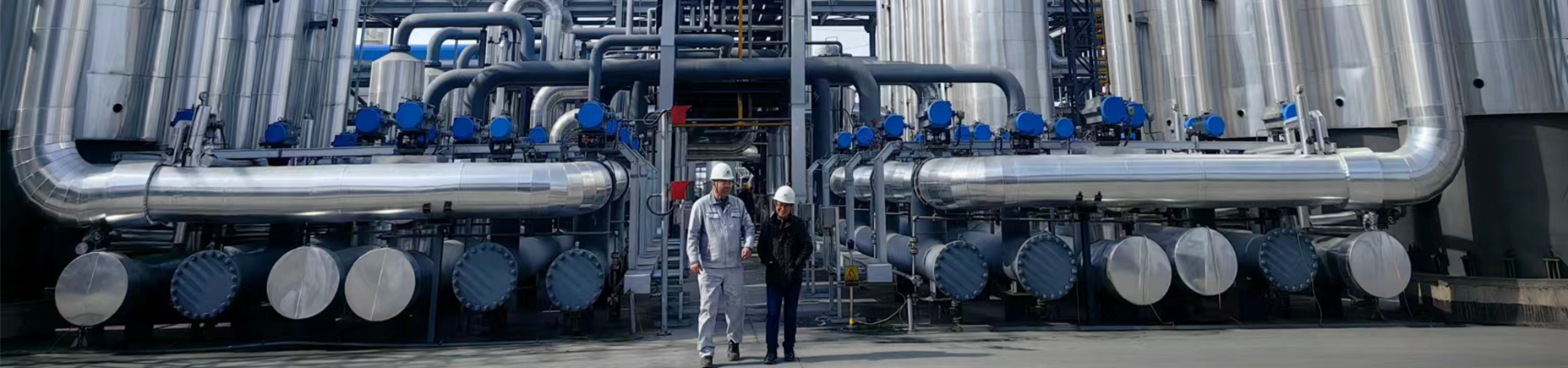
cleaning technical argon
Purification of technical argon
Technical argon, used in various industries, is an inert gas that, as a rule, does not interact with other substances. But many applications require argon of very high purity, free of impurities that could negatively affect the process. This cleaning process, in fact, is a very important part of working with argon, because the quality of the final product depends on it. Imagine a workshop where you need to obtain the perfect metal alloy - the purity of the argon plays a key role in the success of the work.
Argon purification methods
There are several ways to clean argon from impurities. One of the most common is the use of special absorption columns, which seem to filter the gas, trapping harmful components. Other methods include the use of distillation columns, where argon is separated from impurities due to differences in boiling point. Membrane technologies are also sometimes used, where argon passes through semi-permeable membranes, allowing it to pass through while impurities remain outside the system. Each method has its advantages and disadvantages, and the choice depends on the specific requirements for argon purity and volume.
Argon purity value
Why is it so important to remove impurities? The fact is that even small amounts of other gases (for example, oxygen or nitrogen) can significantly affect the process for which argon is used. When welding, for example, the presence of oxygen can lead to oxidation of the metal, which deteriorates the quality of the weld. In metallurgy, argon is needed to create an inert atmosphere, and impurities can disrupt this inertness, leading to undesirable chemical reactions. In general, the purer the argon, the higher the quality of the final product. This is similar to how you need pure flour to make a cake - if there are impurities in it, then the finished product will be of poor quality.
Conclusion
Purification of technical argon is a necessary step in working with this gas in various industries. Various purification methods make it possible to obtain argon with the required purity, which significantly improves product quality and increases the efficiency of technological processes. The choice of method depends on the specific needs, but the end goal is always the same - to obtain the maximum purity of argon to achieve the best results.
Correspondingproducts
Related Products
Best Sellingproducts
Best Selling Products-
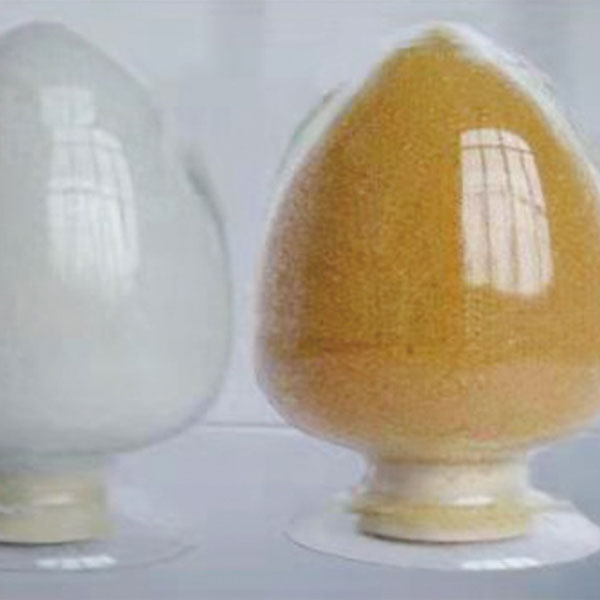 Unit desalting and demineralization equipment and special resin
 -
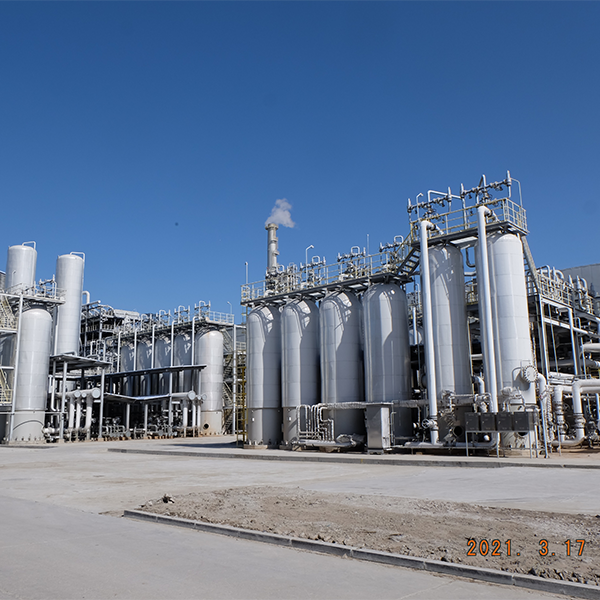 Hydrogen production from coke oven gases
 -
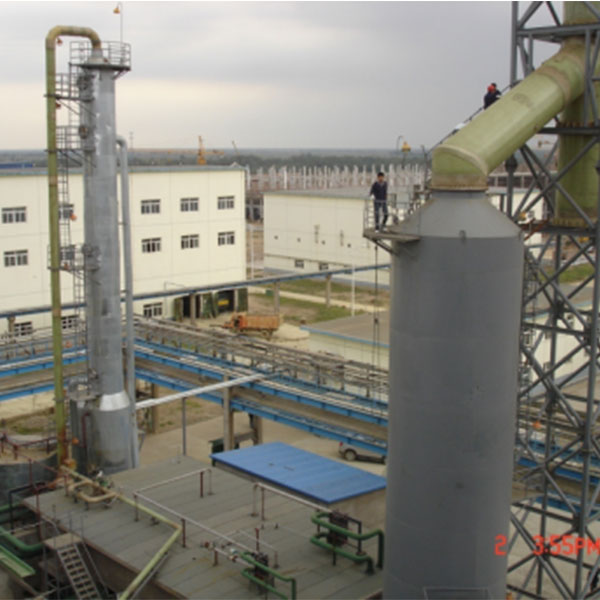 Ionic liquid desulfurization technology
 -
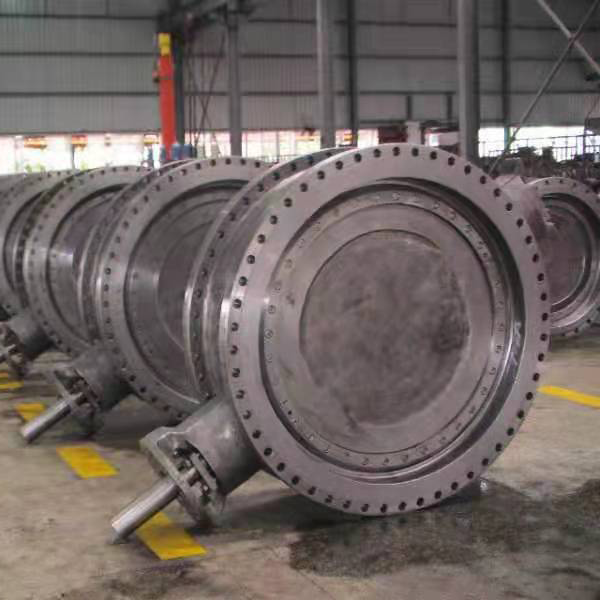 Valve
Valve -
 Oxygen purification and utilization
 -
 Flue gas denitrification SCR、SNC
 -
 Liquefaction of natural gas
 -
 Argon purification
 -
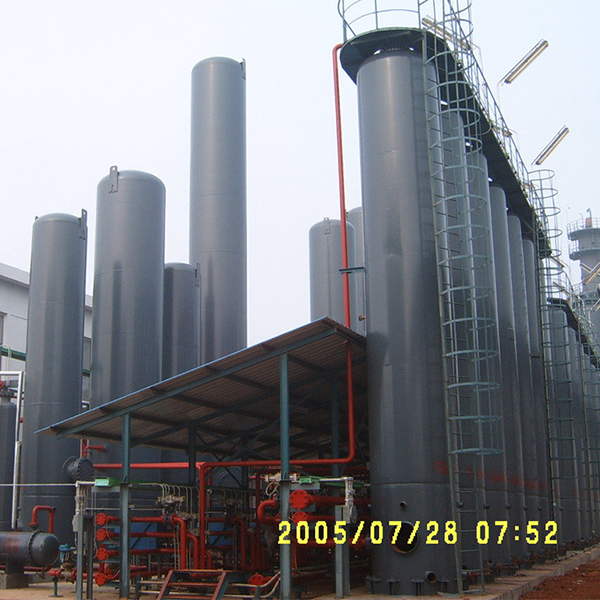 CO removal by pressure swing adsorption
 -
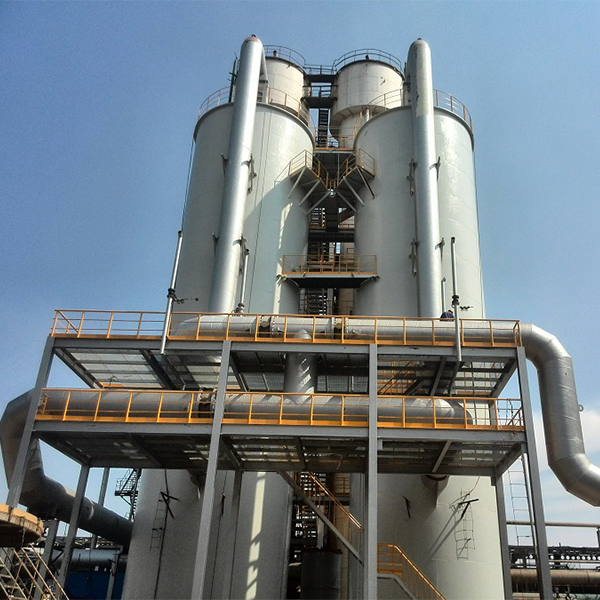 Desulfurization technology using the redox wet method
 -
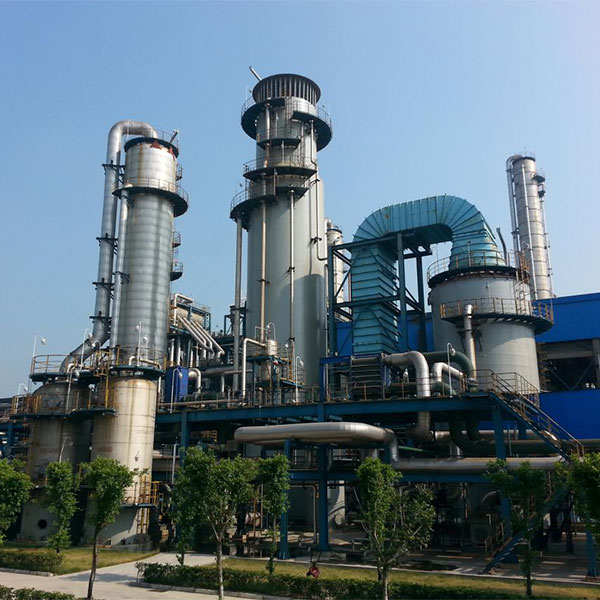 Wet CO2 removal technology
 -
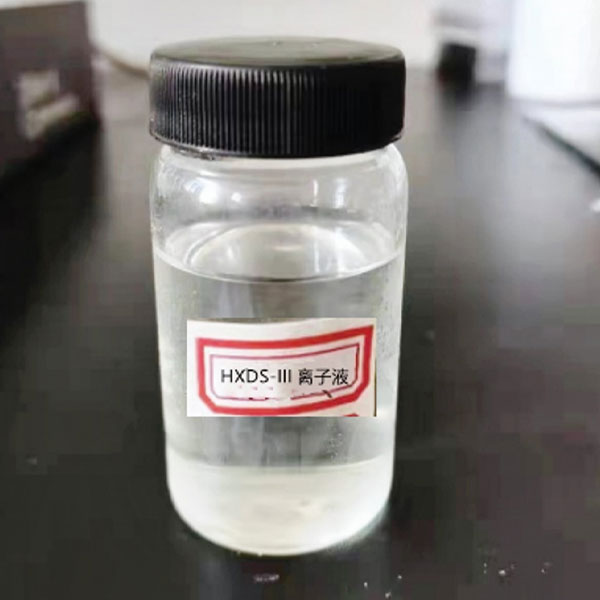 Ionic liquid desulfurizer
Relatedsearch
Related Search- China Ionic Liquid Desulfurizer Products
- China construction of a liquefied natural gas plant Main buyer country
- China Injector Valve Manufacturer
- China adsorbents preparations list of the best products
- China adsorbent price products
- China mycotoxin adsorbent factory
- China three way valve Manufacturer
- adsorbents preparations list of the best manufacturers
- China Flue Gas CO2 Recovery Technology Manufacturers
- China Vinyl chloride recycling technology Manufacturer