

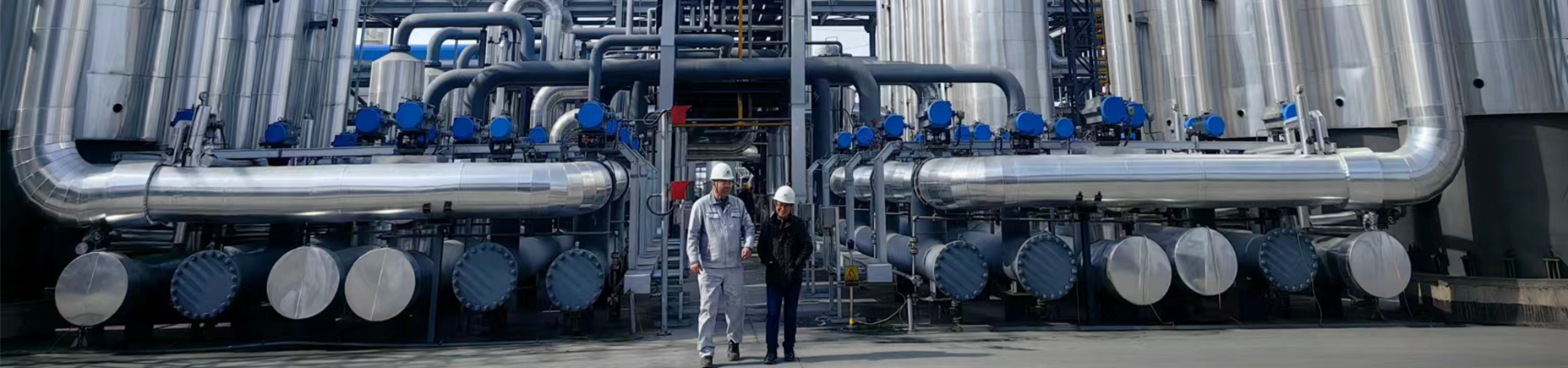
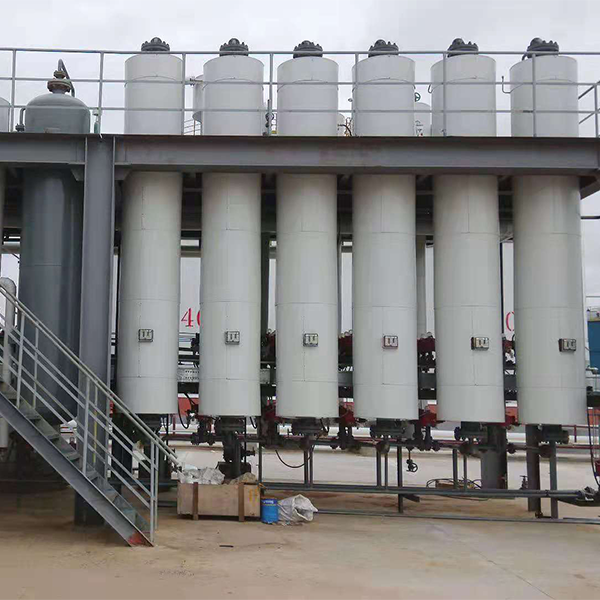
Waste acid regeneration plant
Waste acid regeneration plant
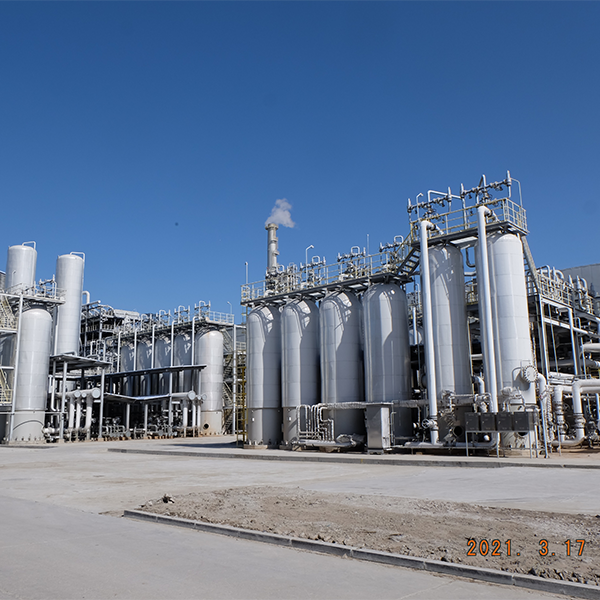
A waste acid recovery plant is essentially a facility that brings back to life chemicals that would otherwise be useless waste. Imagine that you are using a valuable solvent, but it gradually ?wears out? and loses its properties. This solvent is an acid. Regeneration factories, like magical workshops, restore it, returning it to its original strength and ability to work.
How does this happen?
The regeneration process is a complex chemical dance. Spent acid, containing various impurities and reaction products, goes through several stages of purification. This may include neutralizing excess acidity, removing contaminants, and separating beneficial components. Essentially, chemists and engineers take the acid apart into its component parts, purify them, and then put them back together into the desired form. This process not only saves resources, but also significantly reduces the negative impact on the environment.
Economic and environmental benefits
Regeneration of waste acid is of great importance for enterprises. It significantly reduces the cost of purchasing new acid, which has a positive effect on the plant’s budget. In addition, the volume of waste that can pollute the environment is reduced. In this way, regeneration promotes the responsible and sustainable operation of companies, demonstrating concern for the environment and the economy. This is an example of how technological progress goes hand in hand with conservation of nature.
The future of regeneration
As technology develops, waste acid regeneration processes are becoming more efficient and environmentally friendly. The development of new cleaning methods, new types of filters and more accurate analytical methods help save resources and reduce the negative impact on the environment. We can be confident that the future of regeneration lies in technological responsibility and sustainable development, where economic benefits go hand in hand with caring for our planet.
Correspondingproducts
Related Products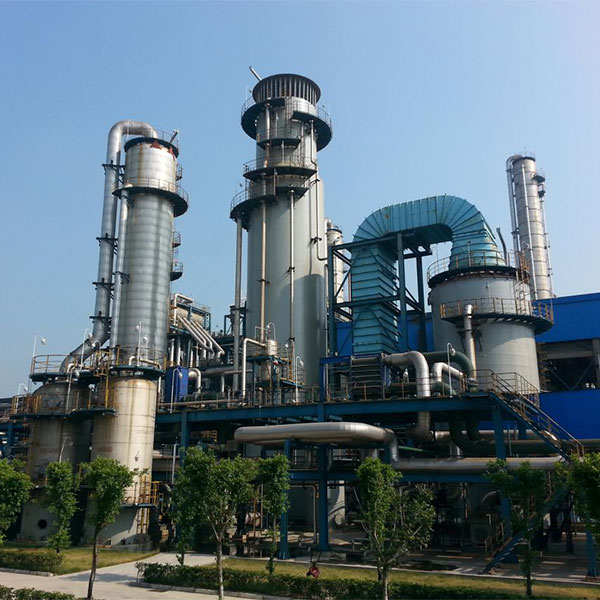
Best Sellingproducts
Best Selling Products-
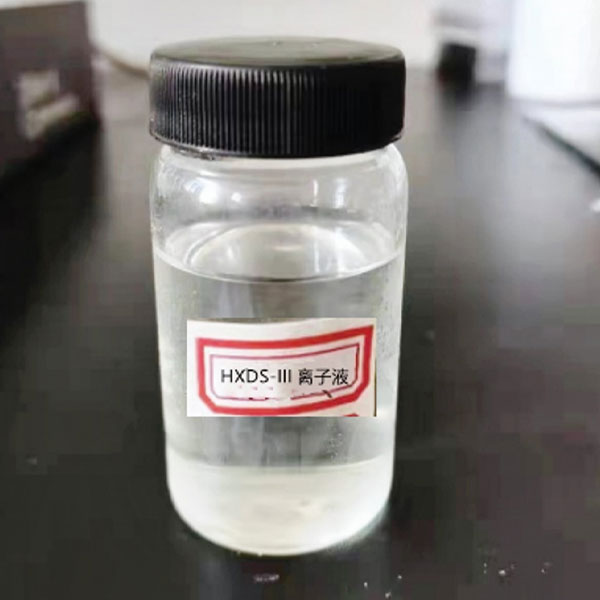 Ionic liquid desulfurizer
 -
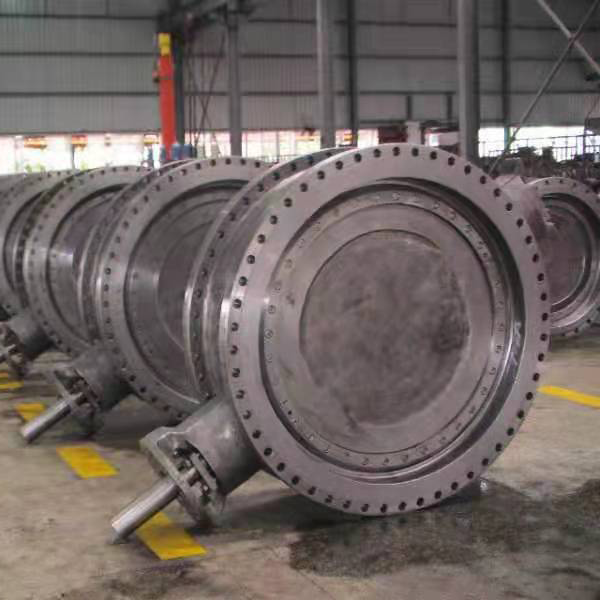 Valve
Valve -
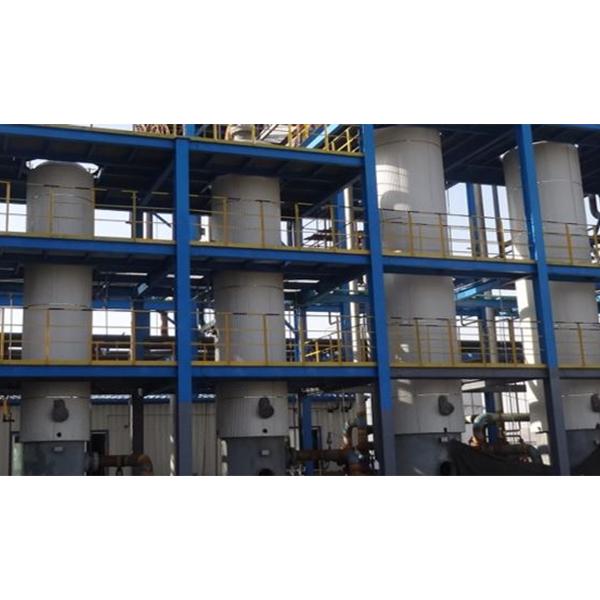 Coal gas organic sulfur fine removal technology
 -
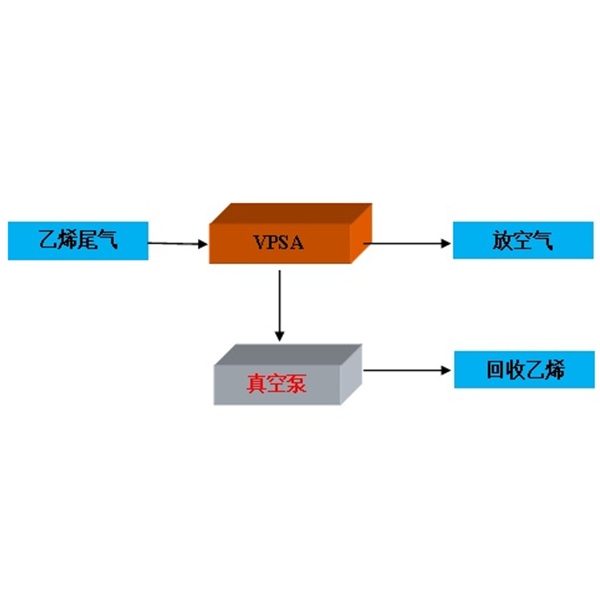 Ethylene tail gas recovery
 -
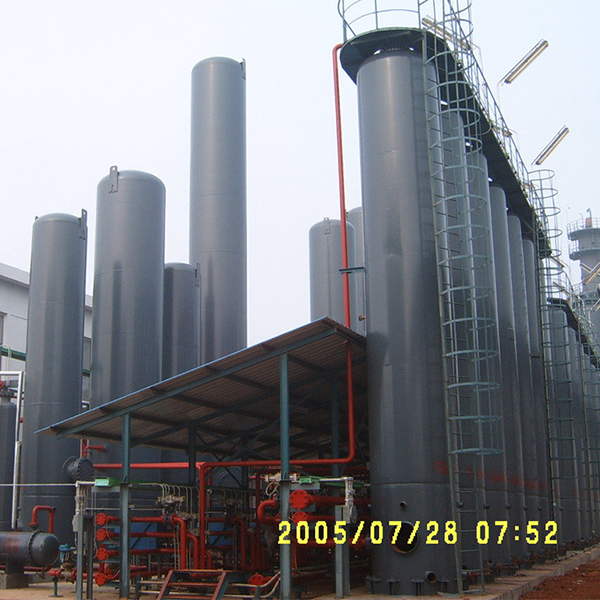 CO removal by pressure swing adsorption
 -
 Liquefaction of natural gas
 -
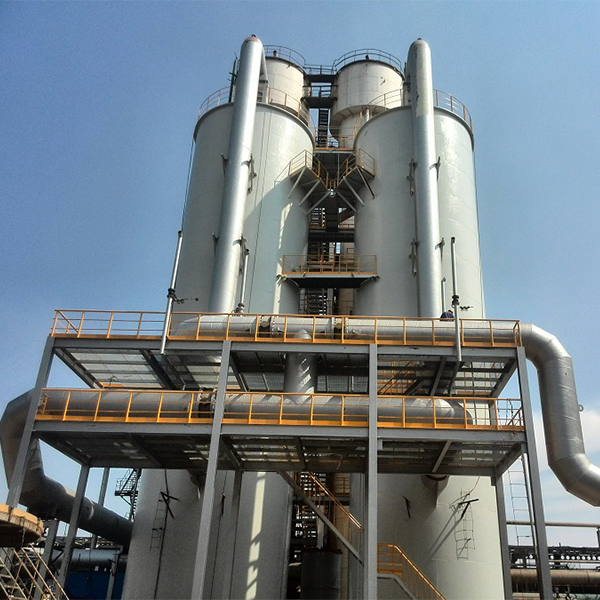 Desulfurization technology using the redox wet method
 -
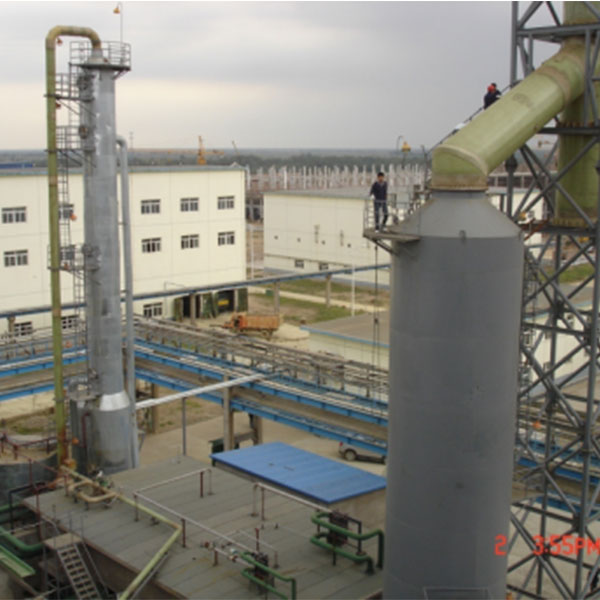 Ionic liquid desulfurization technology
 -
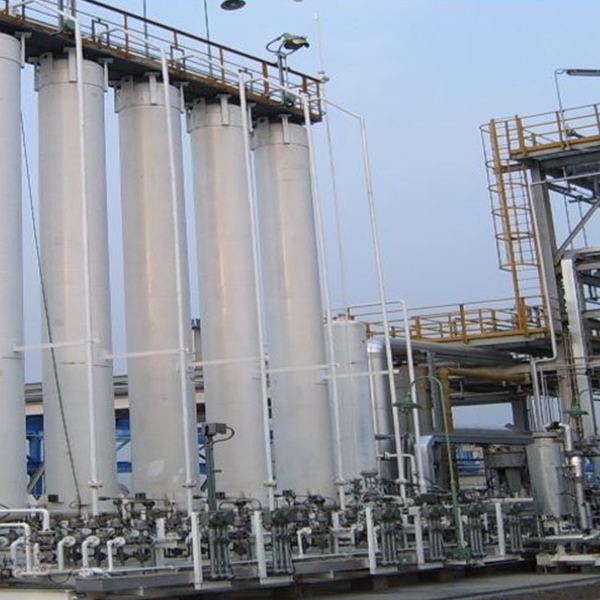 Argon purification
 -
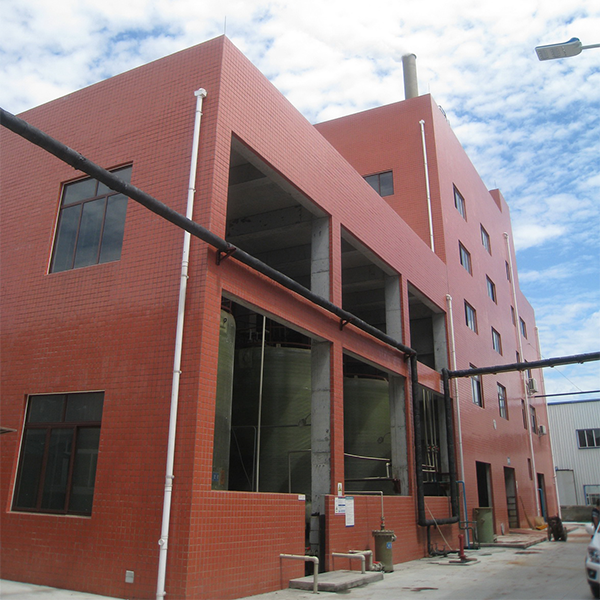 Battery material precursor production technology
 -
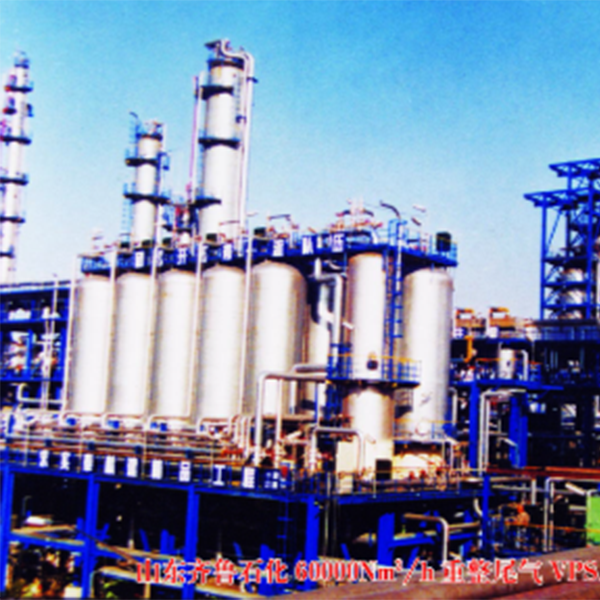 Hydrogen purification technology by pressure swing adsorption
 -
 Hydrogen production by splitting methanol
Relatedsearch
Related Search- China adsorbents preparations list of best Exporter
- Adsorbent plant
- China Technology of desulfurization and removal of CO2 by NHD method Exporter
- adsorbents drugs plant
- desiccant dehumidifier in China
- China Vinyl chloride recycling technology Main buyer country
- China Desalting and Demineralization Unit Equipment and Special Resin Main Buyer Country
- China Natural Gas Liquefaction Technology Manufacturers
- China food adsorbent Main buyer country
- China Natural Gas Liquefaction Pressure Suppliers