


What is the name of Russian technology for liquefying natural gas?
What is the name of Russian natural gas liquefaction technology?
Russian technology for liquefying natural gas, used at many large gas enterprises, is known as gas liquefaction technology. Although this name is quite simple, behind it there is a complex and important process that allows natural gas to be transported over long distances in liquefied form to minimize the volume of gas transported and energy consumption.
History and operating principles
The process of liquefying natural gas is based on physical laws. Natural gas, which consists primarily of methane, is cooled to very low temperatures, turning it into a liquid. This is achieved through multi-stage cooling and compression. The technology is based on special cryogenic installations that are highly accurate and efficient. Russian experts in this field have developed and improved many technologies, making the production and transportation of natural gas more economically profitable and safer.
Advantages and disadvantages of technology
The use of gas liquefaction technology has many advantages. Firstly, it allows natural gas to be efficiently transported over vast distances. Liquefied gas takes up significantly less space than gas in its gaseous state, which makes it economical for maritime transport. Secondly, liquefied gas can be stored in special tanks, which allows for stability of supplies in the regions and seasonal needs. However, gas liquefaction technology is not without its drawbacks. Its implementation requires a powerful and complex infrastructure, and the operation of such installations requires high professional knowledge and qualifications of personnel. Also, gas liquefaction has some carbon footprint associated with the energy costs of the process itself.
Future of technology
In the future, natural gas liquefaction technology will certainly develop and improve. Scientists and engineers are working to make the process more efficient, economical and environmentally friendly. This is important not only for a stable energy supply, but also for minimizing the negative impact on the environment. Developments are aimed at reducing energy costs and increasing efficiency. New levels of sophistication will allow liquefied natural gas to be produced and transported more safely and efficiently.
Correspondingproducts
Related Products


Best Sellingproducts
Best Selling Products-
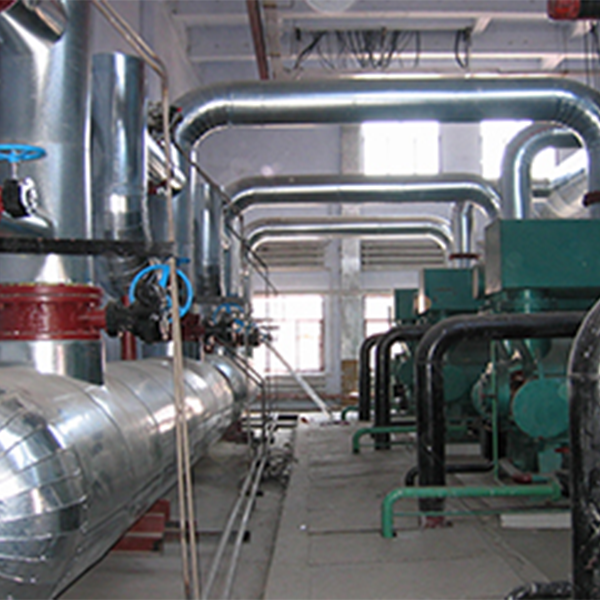 Oxygen production by pressure swing adsorption
 -
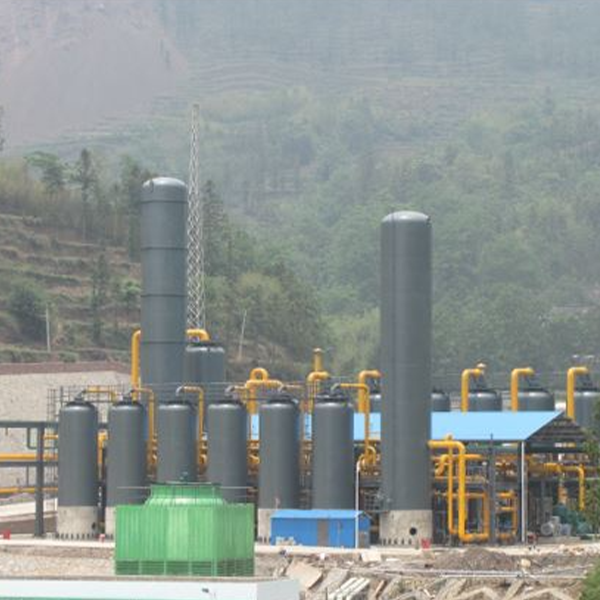 Methane extraction technology - biogas
 -
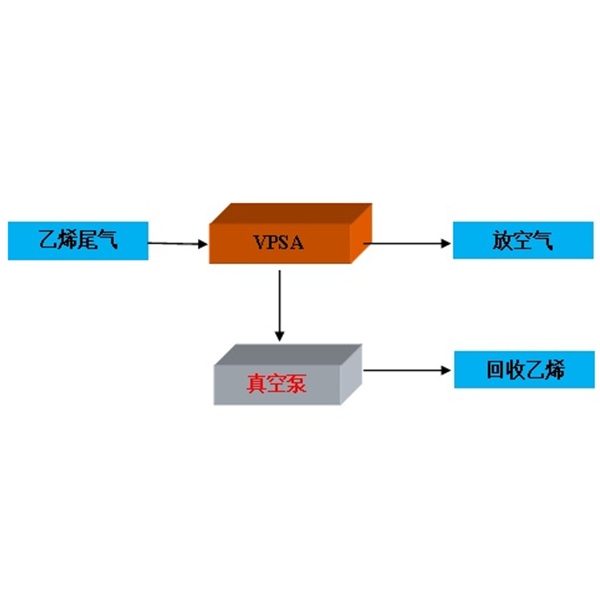 Ethylene tail gas recovery
 -
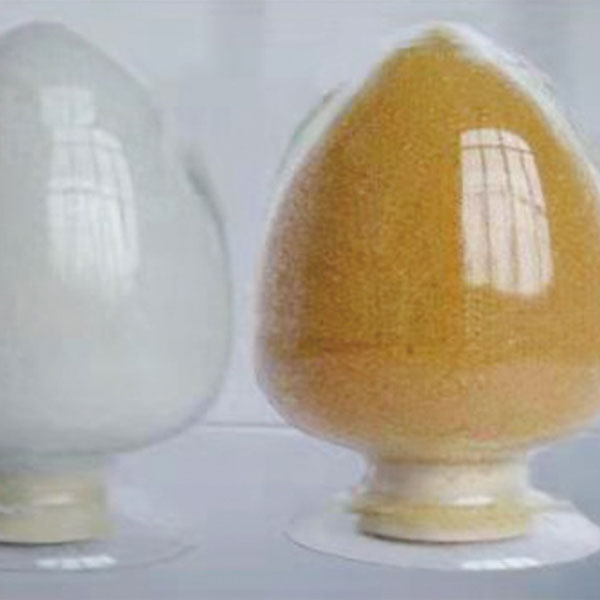 Unit desalting and demineralization equipment and special resin
 -
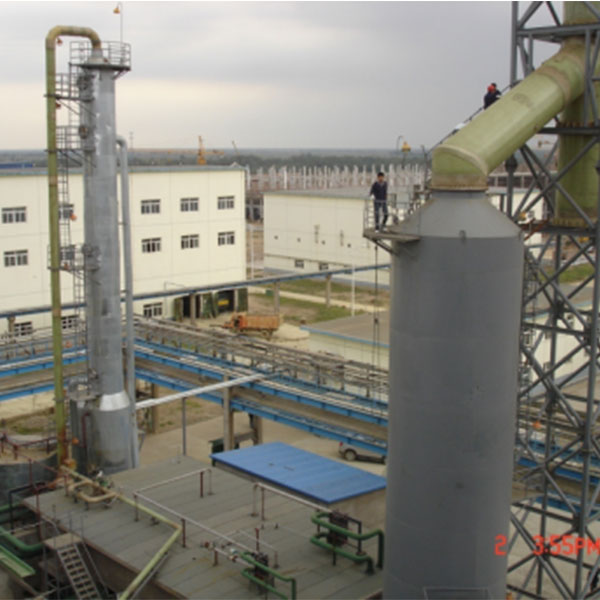 Ionic liquid desulfurization technology
 -
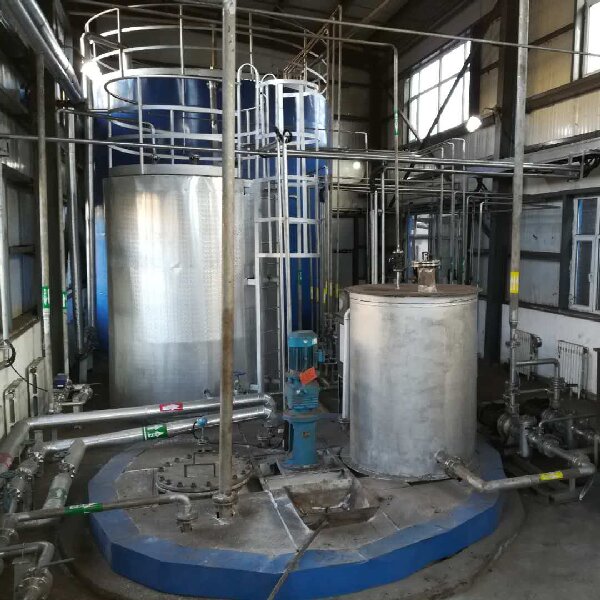 Flue gas denitrification SCR、SNC
 -
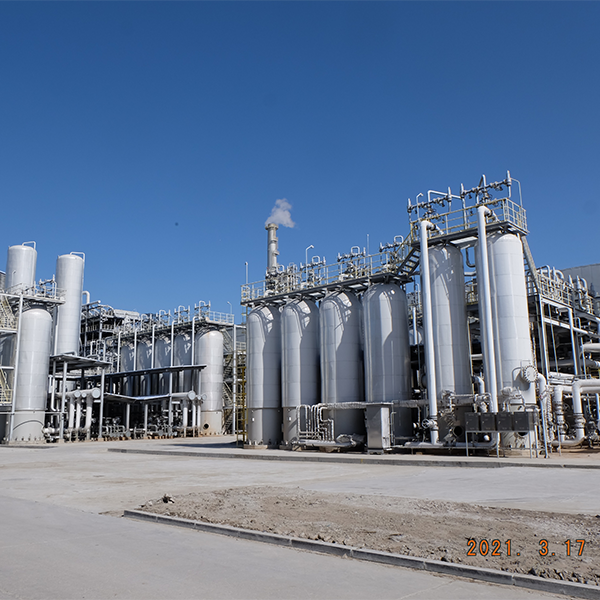 Hydrogen production from coke oven gases
 -
 VOC tail gas disposal
 -
 Coke gas purification technology
 -
 MPS decarbonization technology
 -
 Oxygen purification and utilization
 -
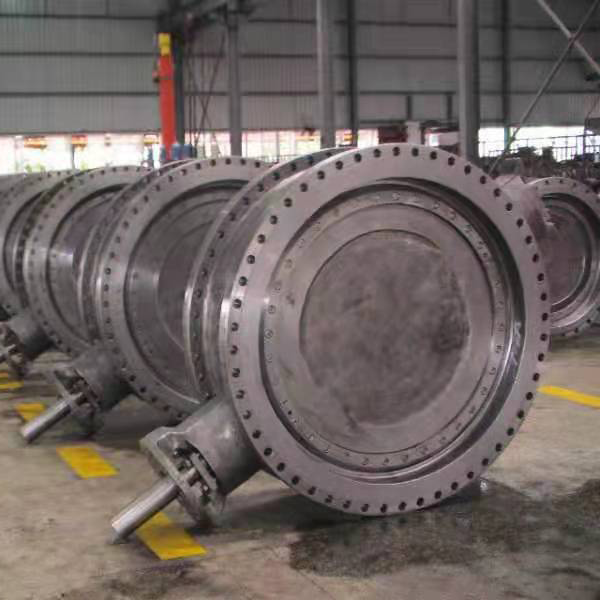 Valve
Valve
Relatedsearch
Related Search- List of the best adsorbent preparations
- adsorbents drugs list factory
- China Valve Sensor Manufacturer
- China crankcase valve Main buyer country
- China natural gas liquefaction plant scheme
- China water valve factory
- China fuel valve products
- China Natural Gas Liquefaction Unit Manufacturer
- Waste acid regeneration manufacturer
- Reverse butterfly valve