

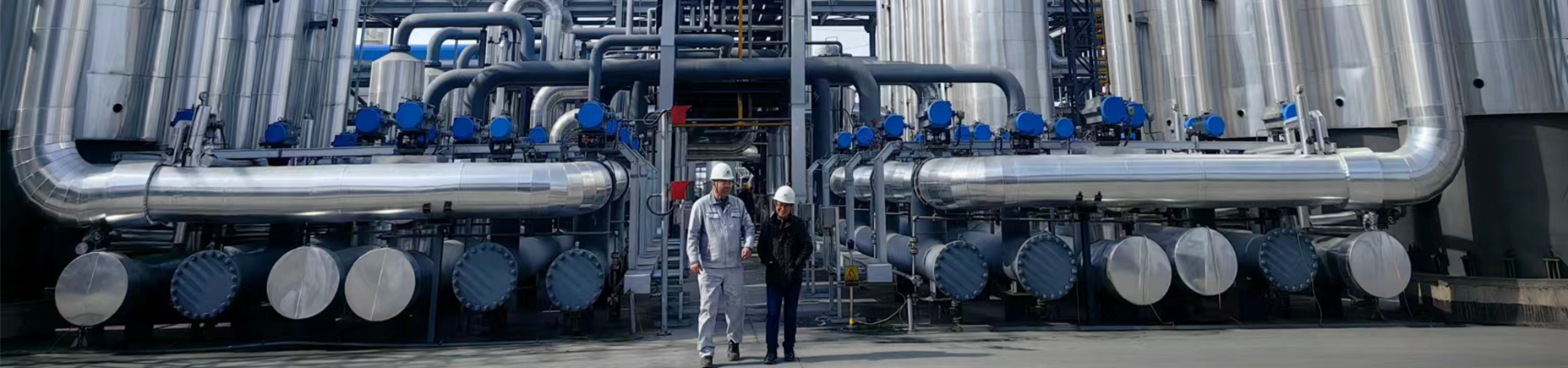
Waste acid regeneration manufacturer
Waste acid regeneration: manufacturer
The production of many substances, especially in the chemical industry, cannot be accomplished without the use of acids. But what to do with spent acid when it is no longer needed? The answer is regeneration. This is a process that restores the original properties of the acid, making it suitable for reuse. As a result, this not only saves resources, but also significantly reduces the negative impact on the environment. Imagine a closed cycle where waste materials are transformed into new ones, ready for use!
How does regeneration occur?
Regeneration methods depend on the type of spent acid and the specific conditions. It is based on a chemical process that allows the original acid to be restored. For example, spent sulfuric acid can be purified by separating water. And sometimes regeneration requires special equipment and chemical reagents. It is important to note that regeneration is not simply filtering or washing. This is a complex chemical process that requires precise adherence to technology and special knowledge.
Economic and environmental benefits
Regeneration of spent acid is a significant step towards saving resources. Reusing acid significantly reduces the cost of purchasing new raw materials. In addition, regeneration helps reduce waste volumes. The product obtained as a result of regeneration can have almost identical properties to the primary acid. This allows companies to save money and preserve the environment by reducing the need to extract new resources and reduce emissions into the atmosphere. Simply put, regeneration is a beneficial and environmentally responsible practice.
Manufacturers of acid regeneration
There are companies specializing in the regeneration of waste acids. They have the necessary equipment, qualified specialists and technological processes. The choice of a specific manufacturer should be based on the characteristics of the spent acid, the required amount of regeneration and, of course, financial capabilities. These companies provide comprehensive support, from spent acid analysis to subsequent quality control of the reclaimed product. Ultimately, cooperation with reliable regeneration manufacturers is the key to sustainable production development.
Correspondingproducts
Related Products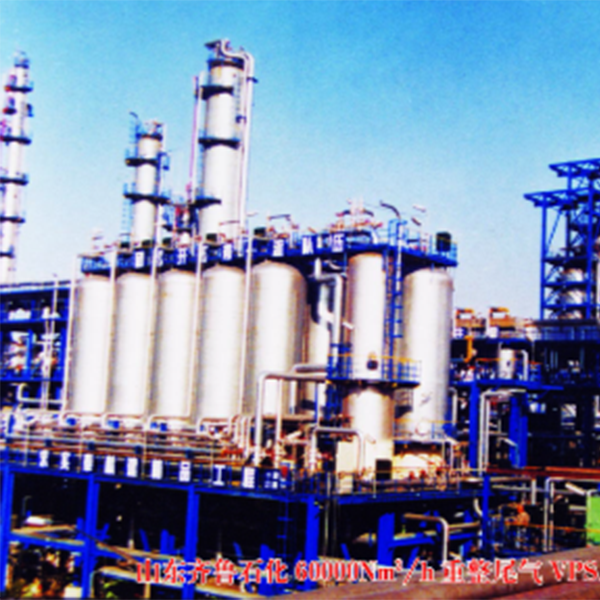
Best Sellingproducts
Best Selling Products-
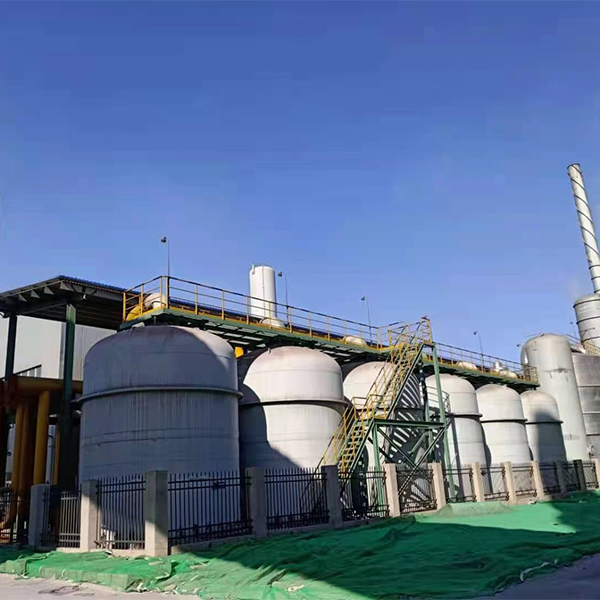 Oxygen purification and utilization
 -
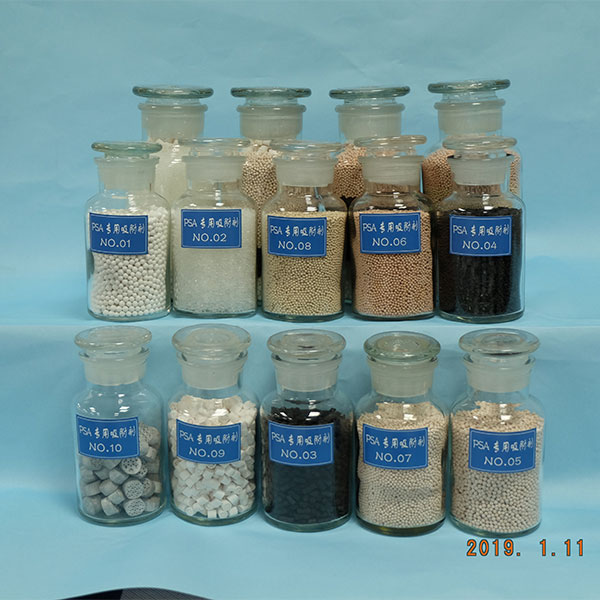 absorbent
 -
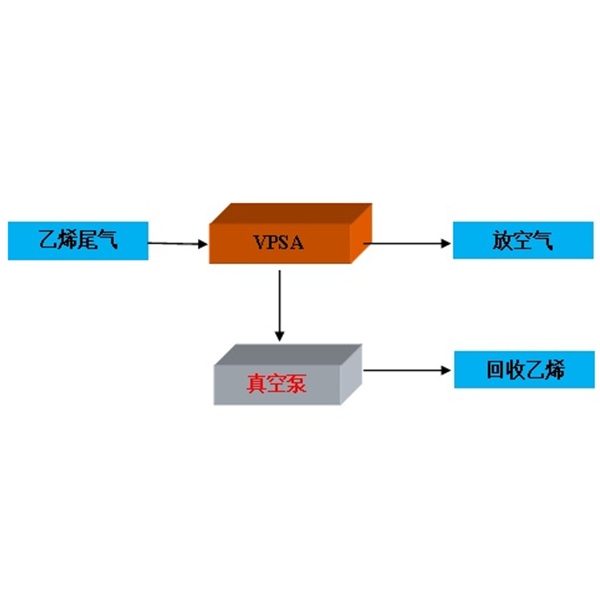 Ethylene tail gas recovery
 -
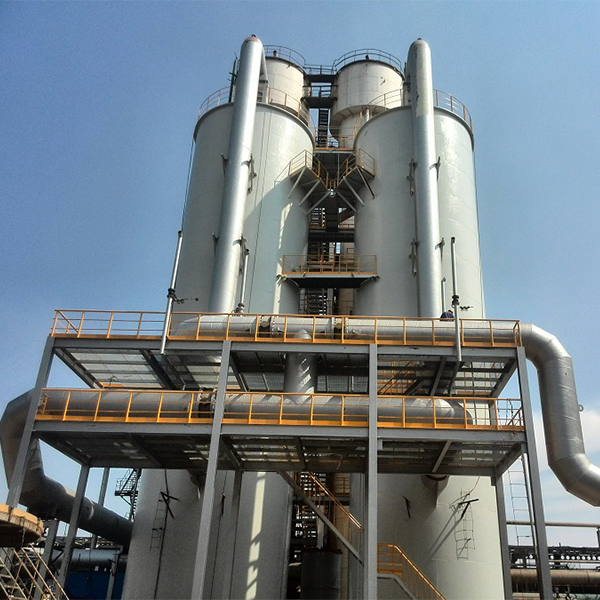 Desulfurization technology using the redox wet method
 -
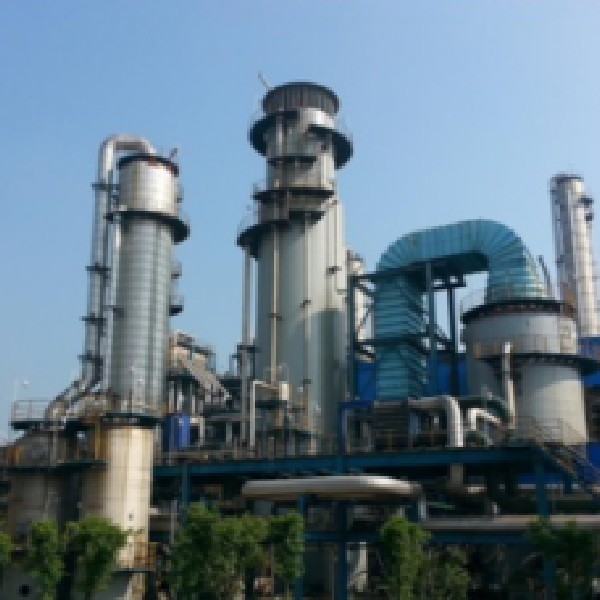 MPS decarbonization technology
 -
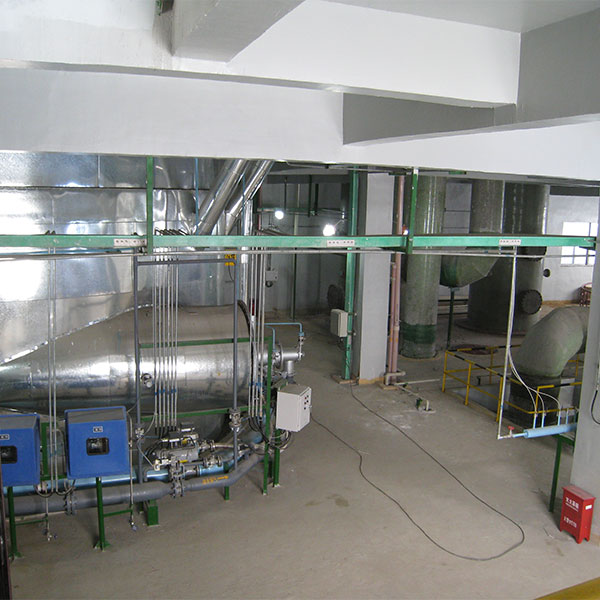 Special acid regeneration equipment
 -
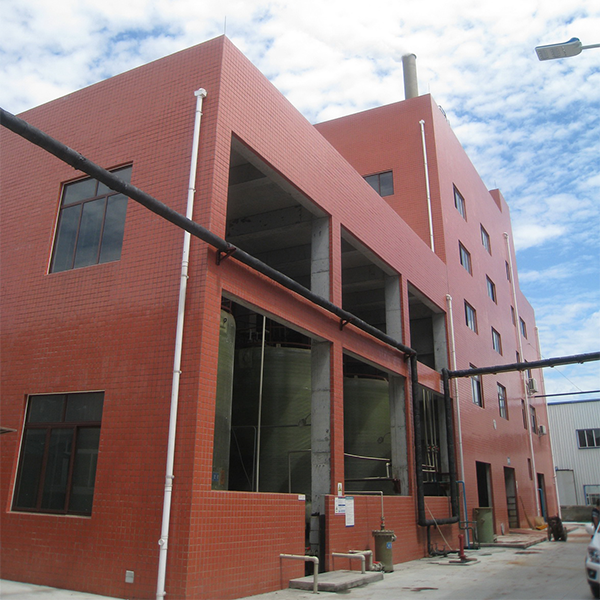 Battery material precursor production technology
 -
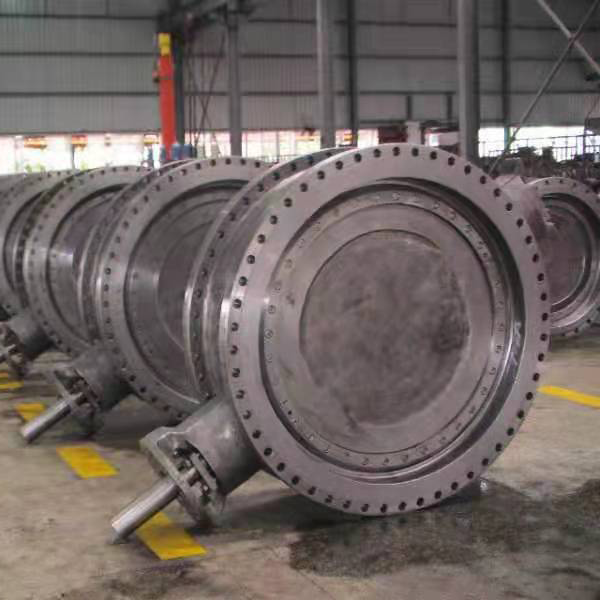 Valve
Valve -
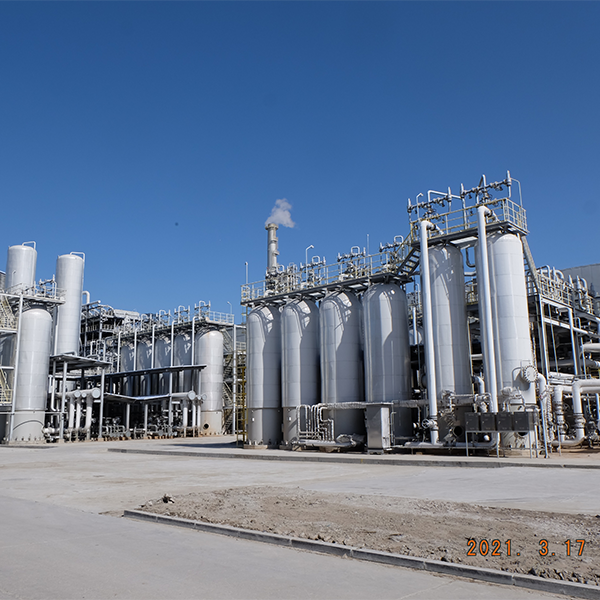 Hydrogen production from coke oven gases
 -
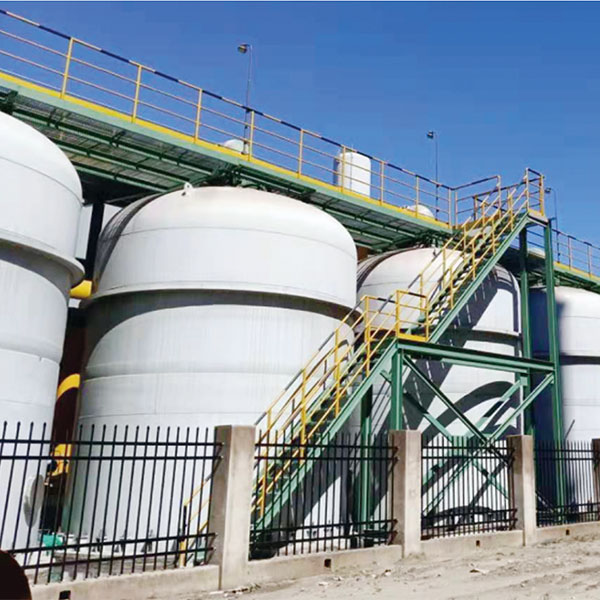 Flue gas CO2 recovery technology
 -
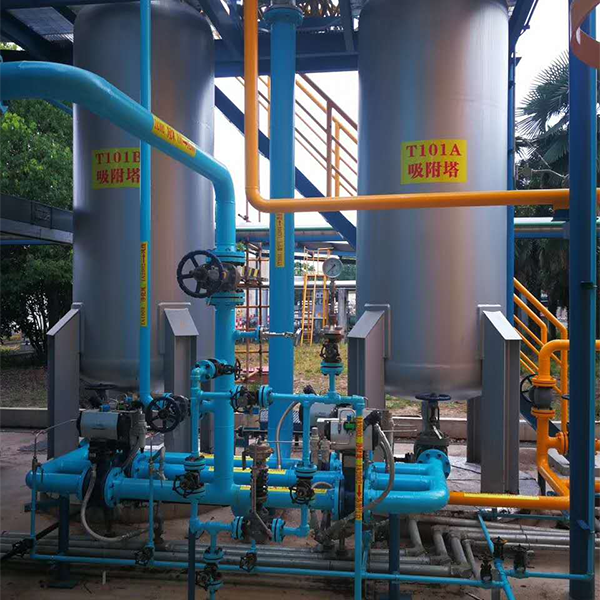 Nitrogen production by pressure swing adsorption
 -
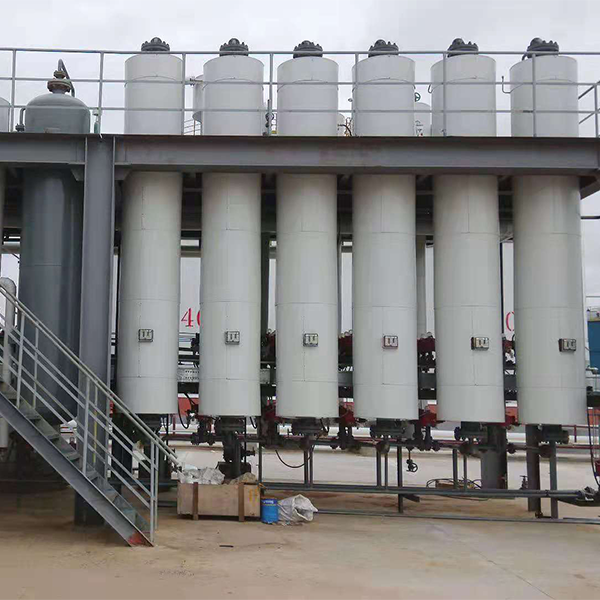 Hydrogen production by splitting methanol
Relatedsearch
Related Search- China safety valve Main buyer country
- China Compressor Valve Suppliers
- China adsorbents list Main buyer country
- China buy valve product
- China pressure liquefied natural gas products
- adsorbents for poisoning
- China Waste Acid Recovery Exporter
- China check valve price
- China Special Acid Regeneration Equipment Manufacturers
- China Kamaz valve exporters