

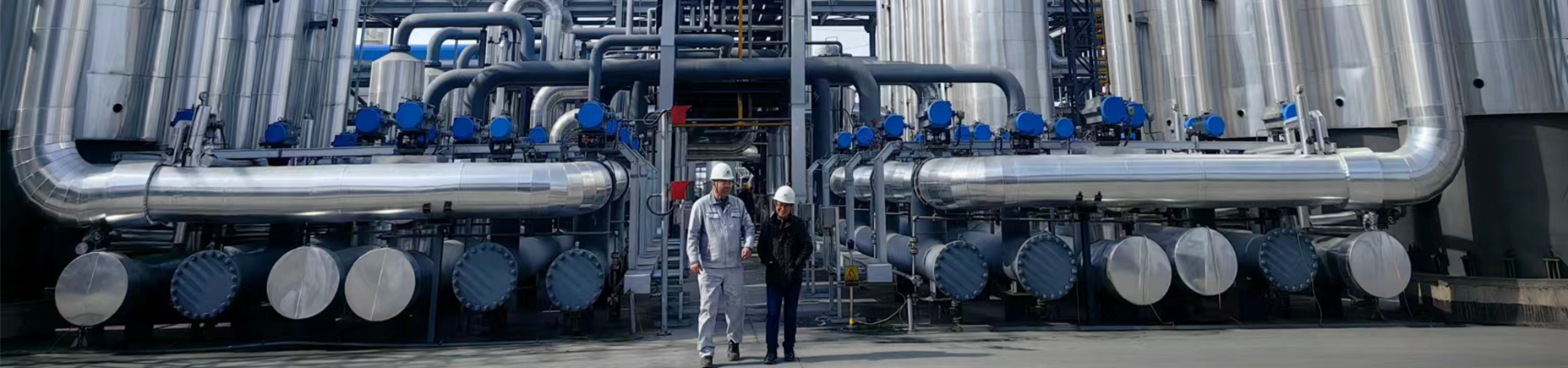
adsorbents for poisoning supplier
Adsorbents for poisoning: provider of hope
Poisoning is a situation that requires a quick and effective response. In such cases, adsorbents can play an important role in helping the body deal with toxins. They act as a kind of sponges, absorbing harmful substances and removing them from the body. But, as with any medical means, it is important to understand that adsorbents are only part of comprehensive care, and you should not make decisions on your own.
Types of adsorbents and their action
There are several types of adsorbents, each with its own characteristics. Activated carbon is one of the most famous and widely used. Its porous structure allows it to effectively bind and retain toxins. Other adsorbents, such as Polysorb, also show good results in binding harmful substances. It is important to understand that the effectiveness of the adsorbent depends not only on its type, but also on the dosage, time of administration and other factors.
How adsorbents work inside the body
Adsorbents are absorbed in the digestive tract. There they create a kind of trap for toxins, preventing their further absorption into the blood. After binding the toxins, the adsorbent along with them is removed from the body naturally. This means that adsorbents are not a magic pill that eliminates toxins instantly, but they help reduce their impact on the body and speed up the elimination process.
When and how to use adsorbents
It is important to remember that adsorbents are not a panacea. If you suspect poisoning, you should immediately consult a doctor. Self-medication can be dangerous, and incorrect use of adsorbents can be harmful. The doctor will determine the most suitable adsorbent option, its dosage and give recommendations for further actions. Only a qualified medical professional can assess a person's condition and prescribe the correct treatment. Adsorbents should be taken strictly according to the instructions and under the supervision of a specialist. Remember to ask your doctor or pharmacist for advice, especially when dealing with children or people with specific medical conditions.
Correspondingproducts
Related Products
Best Sellingproducts
Best Selling Products-
 Hydrogen production by coal gasification
 -
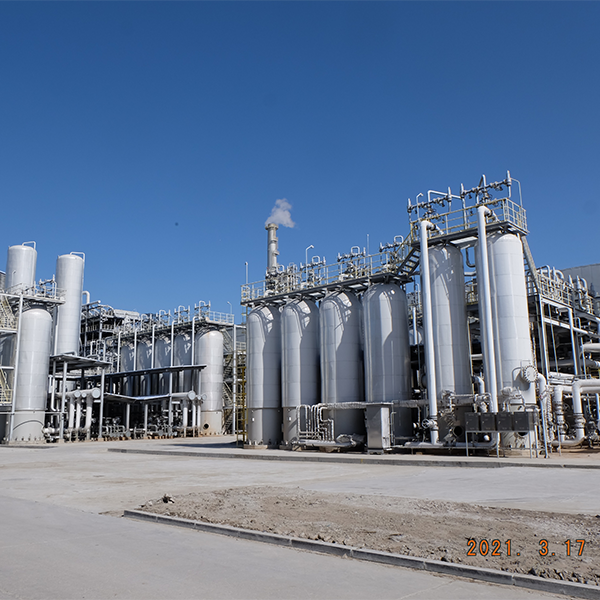 Hydrogen production from coke oven gases
 -
 Hydrogen purification technology by pressure swing adsorption
 -
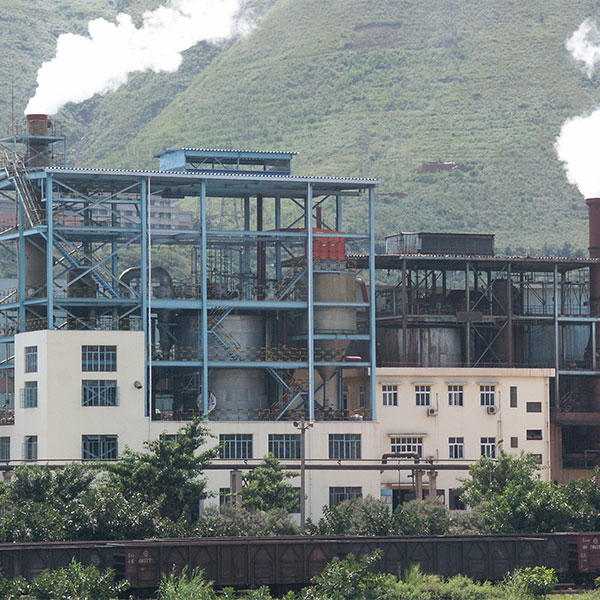 Waste acid regeneration
 -
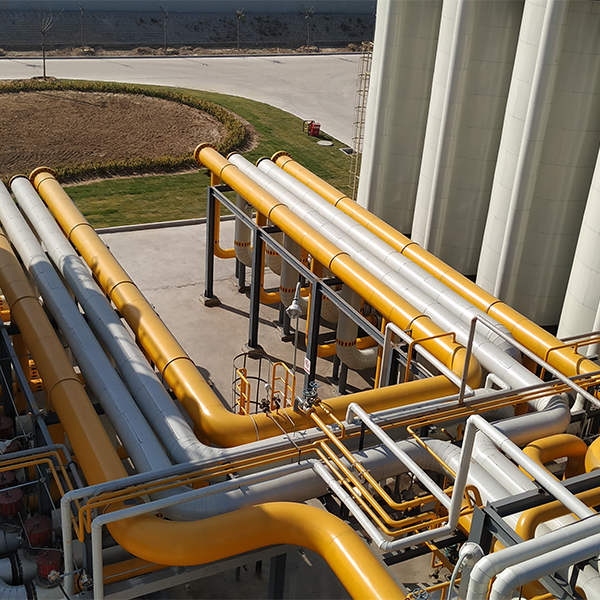 Coke gas purification technology
 -
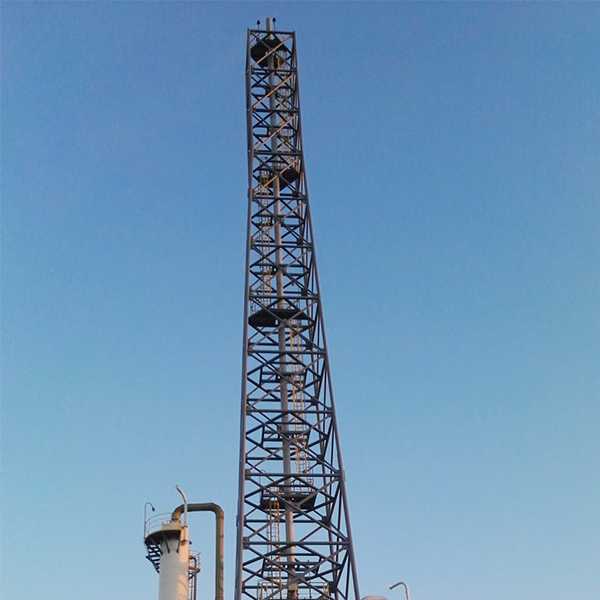 Technology of desulfurization and CO2 removal using NHD method
 -
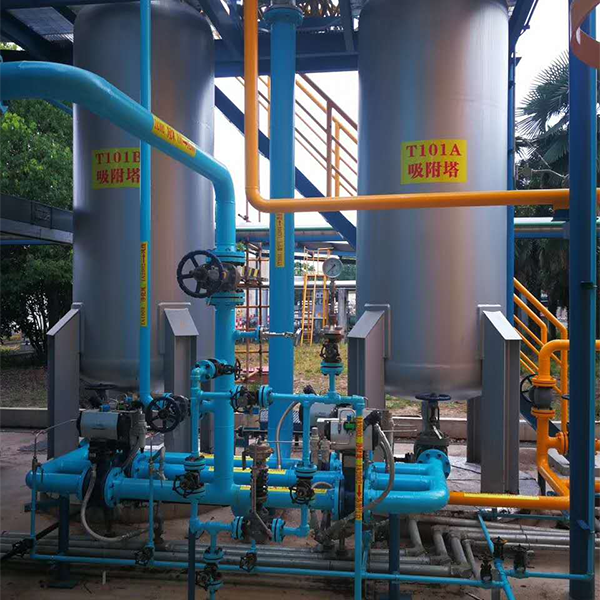 Nitrogen production by pressure swing adsorption
 -
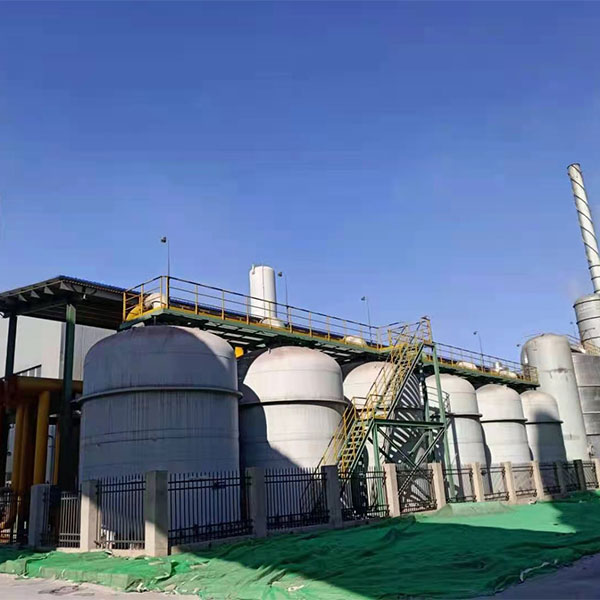 CO2 removal by pressure swing adsorption
 -
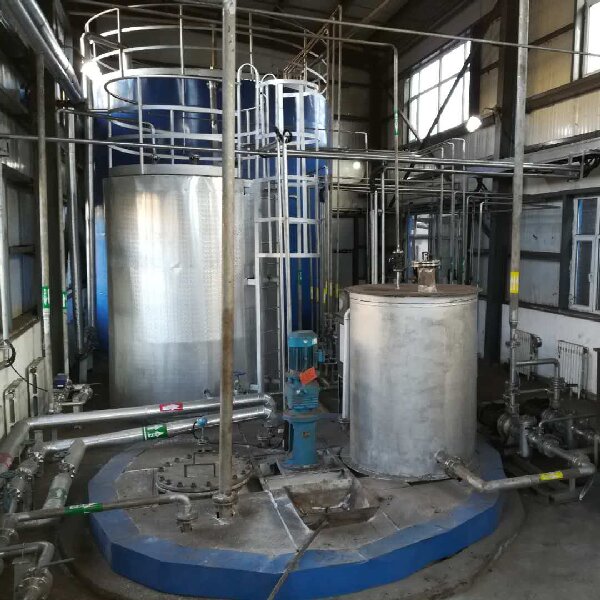 Flue gas denitrification SCR、SNC
 -
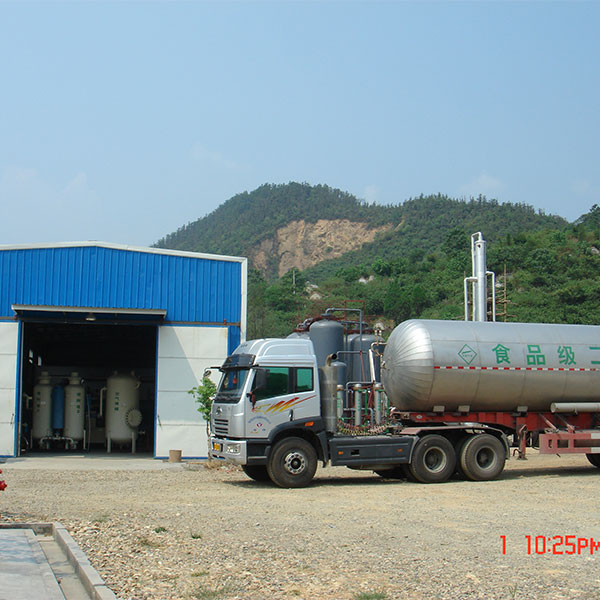 Food grade CO2 purified
 -
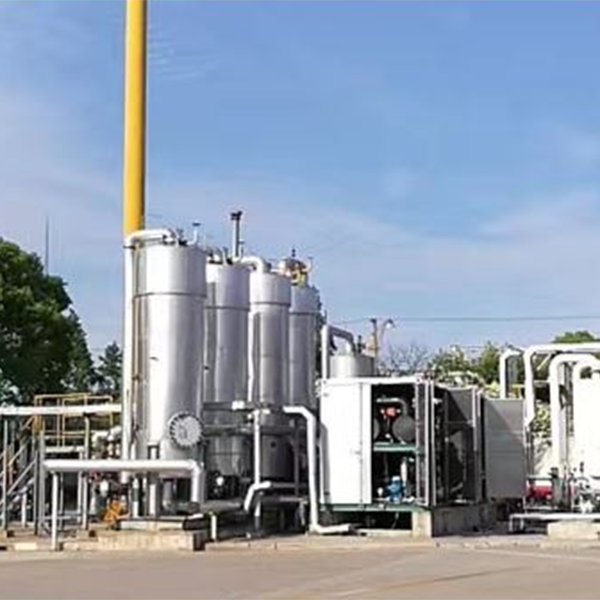 VOC tail gas disposal
 -
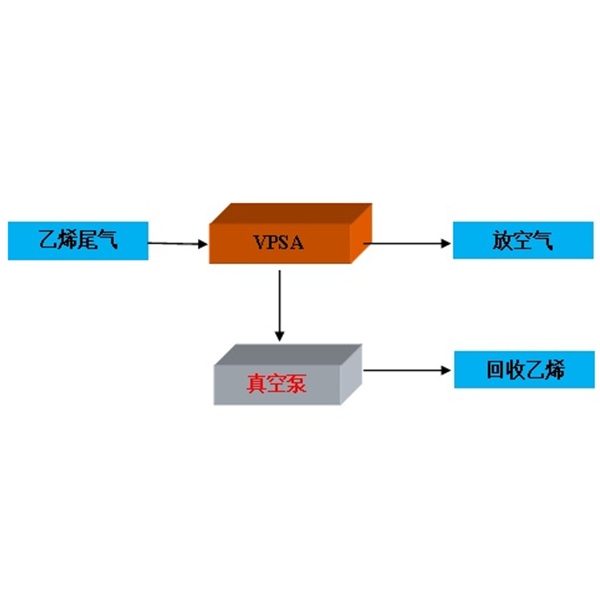 Ethylene tail gas recovery
Relatedsearch
Related Search- adsorbents for poisoning supplier
- China Gas Valve Supplier
- China liquefied natural gas what are the plants called?
- China adsorbents list Main buyer country
- China Desiccant Desiccant Manufacturer
- China Water Adsorbents Exporter
- China Natural Gas Liquefaction Process Manufacturers
- Wet CO2 removal technology in China
- China Adsorbents Suppliers List
- China adsorbent tablets exporters