


adsorbent gas plant
Adsorbent gas plant
An adsorbent gas plant is an enterprise specializing in the production of substances capable of retaining other substances on their surface. These substances are called adsorbents, and they play an important role in the purification and separation of gases. Imagine that you want to extract pure oxygen from the air. The plant that produces the adsorbent produces a special material that, like a sponge, attracts unnecessary gases, leaving the oxygen clean. As a result, such plants are needed to create clean air for use in various industries.
How do adsorbents work?
The mechanism of action of adsorbents is quite interesting. Imagine tiny pores and pits on the surface of a substance. These microscopic depressions attract gas molecules, holding them on the surface. Different gases attract with different strengths, and this property allows gases to be separated from each other. Thus, an adsorbent designed to extract carbon dioxide may not attract oxygen as strongly. This principle underlies many technological processes related to gas purification.
Application of adsorbents in a gas plant
Adsorbents are used in a variety of industries. In gas plants, for example, they are used to purify natural gas from impurities such as hydrogen sulfide and carbon dioxide. This is important because these contaminants can be hazardous to health and may damage equipment. In addition, adsorbent materials are used to separate valuable components from gases - for example, extracting krypton or xenon from air. This produces clean, concentrated gases, which is important for a variety of industrial and scientific applications, from medicine to electronics. Thus, the production of adsorbents is an important step in creating clean and safe gas. This process is very important for the life of modern society.
Correspondingproducts
Related Products
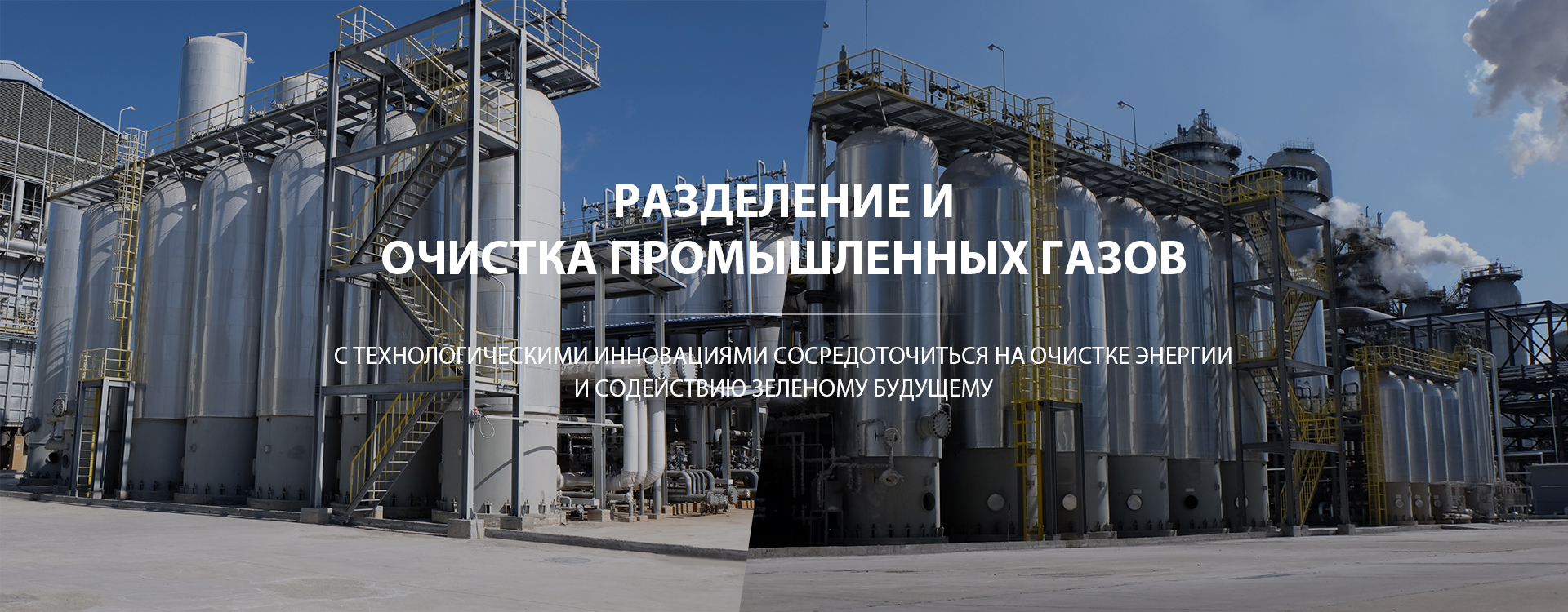
Best Sellingproducts
Best Selling Products-
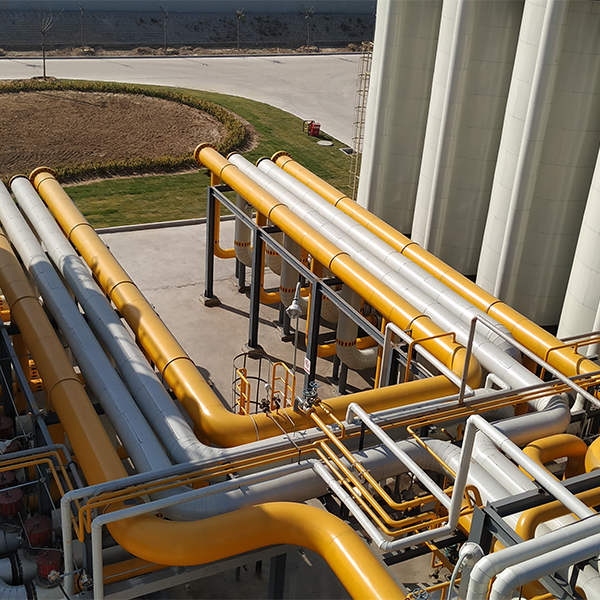 Coke gas purification technology
 -
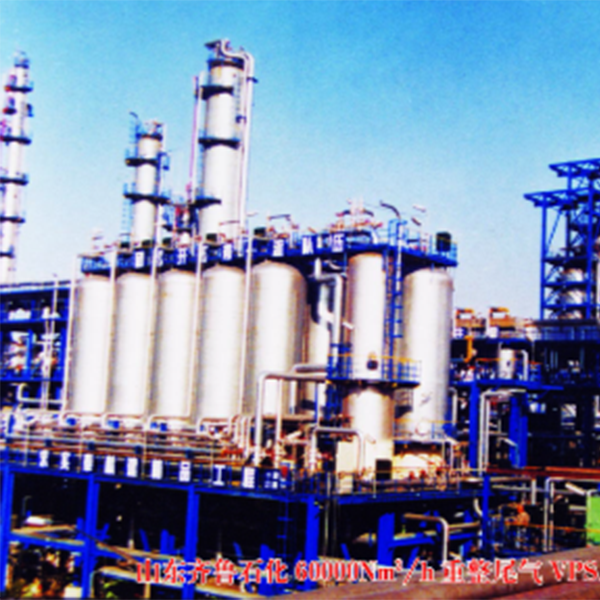 Hydrogen purification technology by pressure swing adsorption
 -
 Battery material precursor production technology
 -
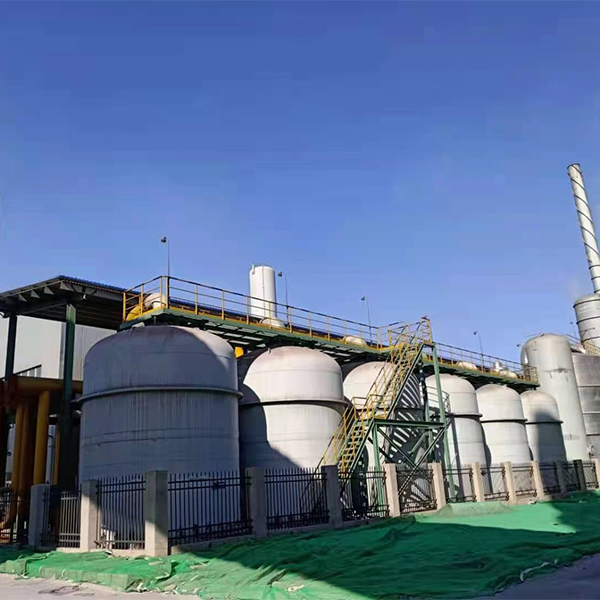 Oxygen purification and utilization
 -
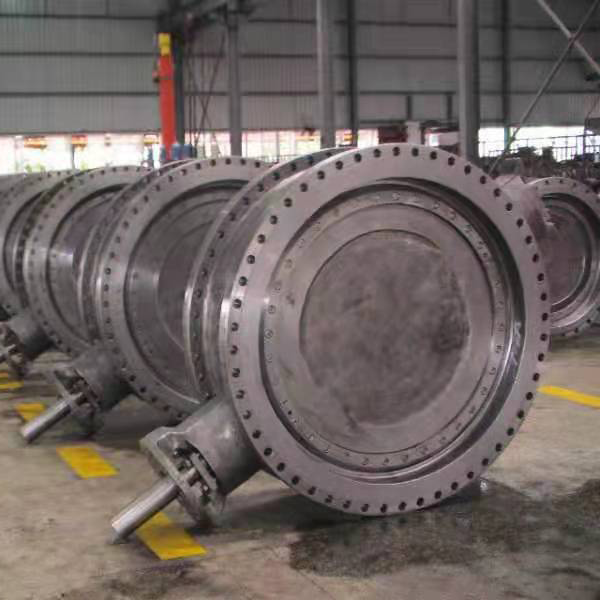 Valve
Valve -
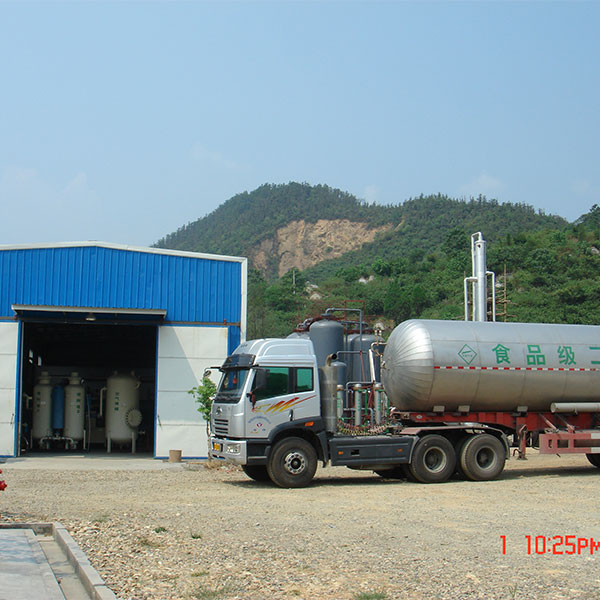 Food grade CO2 purified
 -
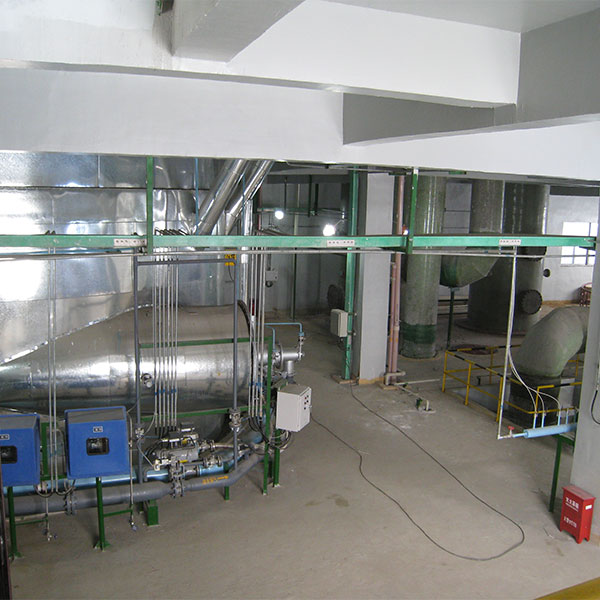 Special acid regeneration equipment
 -
 Unit desalting and demineralization equipment and special resin
 -
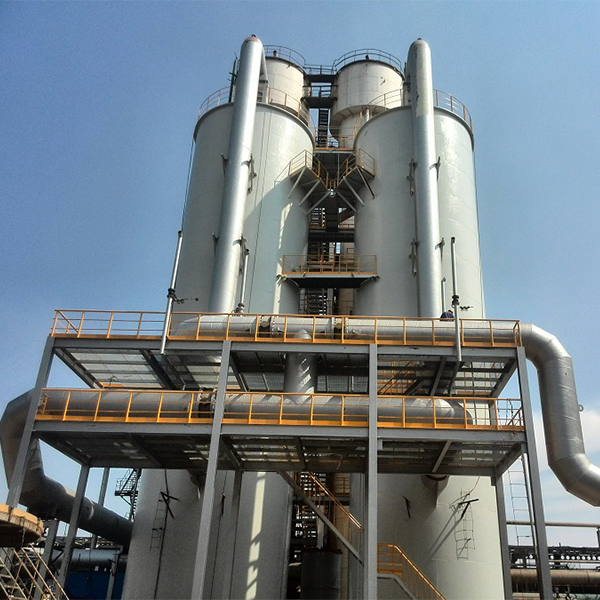 Desulfurization technology using the redox wet method
 -
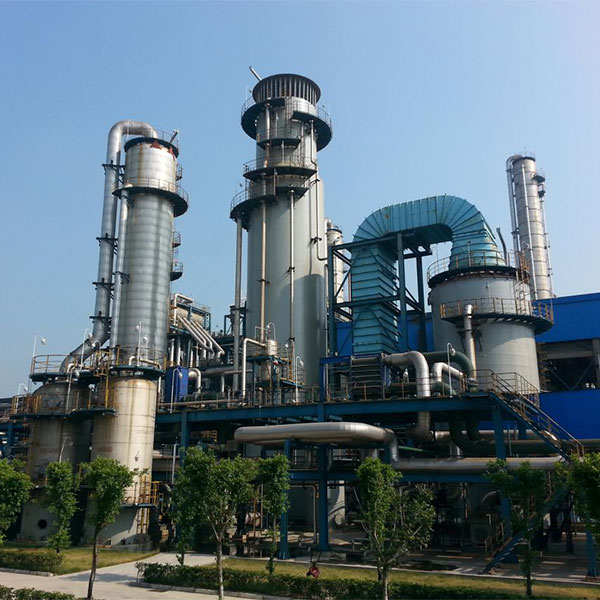 Wet CO2 removal technology
 -
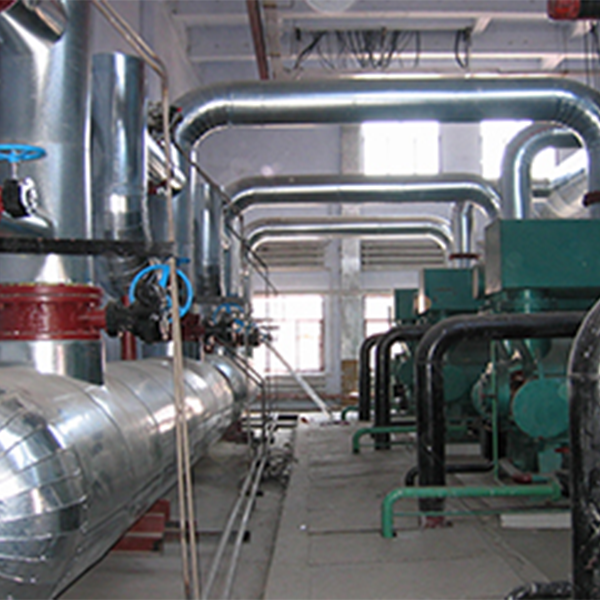 Oxygen production by pressure swing adsorption
 -
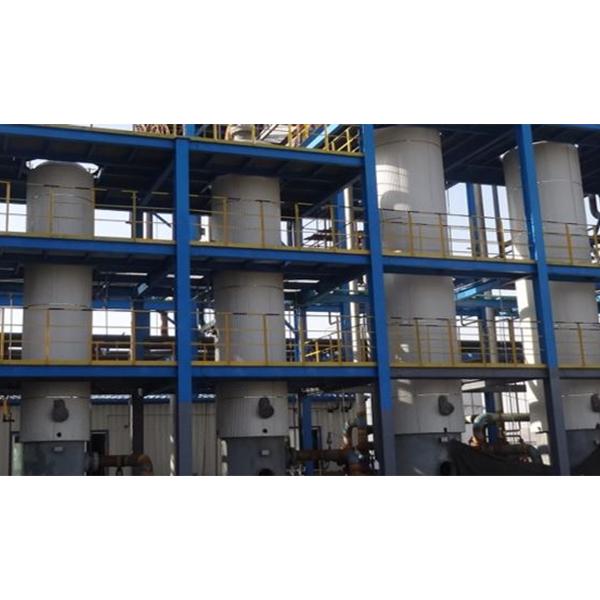 Coal gas organic sulfur fine removal technology
Relatedsearch
Related Search- China Nitrogen production by pressure swing adsorption Main buyer country
- China natural gas liquefaction pressure plant
- China Natural Gas Liquefaction Pressure Main Buyer Country
- Oxygen production by pressure swing adsorption manufacturer
- China substance adsorbent factory
- China liquefied natural gas technology products
- China liquefied natural gas scheme price
- China Russian liquefied natural gas technology Main buyer country
- China adsorbents for poisoning price
- China natural gas liquefaction plant plant