


China Russian liquefied natural gas technology Main buyer country
China: Russian liquefied natural gas technology is the main buyer country
Russian natural gas is an energy resource that plays an important role in the global economy. A significant part of the produced gas is used for the needs of European and Asian countries. However, in recent years, China has become one of the largest consumers of Russian liquefied natural gas (LNG), and this trend looks set to continue. This is driven by China's growing energy needs, as well as ideas of economic gain and favorable commercial agreements.
Advantages of cooperation for Russia and China
For Russia, exporting LNG to China opens up new markets and allows it to diversify its energy policy, which is important given the geopolitical situation. China, in turn, gains access to a large volume of high-quality Russian natural gas, which can cover part of its needs and ensure the stability of its energy supply. Mutual benefit and the desire for mutually beneficial relations is a powerful impetus for the further development of this cooperation.
Technological aspects and logistics
The process of production and transportation of Russian LNG is based on modern technologies for liquefying, storing and transporting gas by sea. Specialized terminals are being built that are capable of pumping and processing large volumes of gas, as well as modern gas pipelines for delivery to shipping ports. This process requires complex logistics coordination between Russian suppliers and Chinese buyers to ensure a smooth flow of supplies. An important element here is established transport links.
The future of energy partnerships
LNG supplies to China are expected to increase in the coming years. This is due not only to the growing needs of the Chinese economy, but also to the constant improvement of technologies that increase the efficiency of production and transportation. Strengthening economic ties between Russia and China, as well as the stability of political relations between the countries, ensure long-term and promising mutually beneficial relations. Ultimately, this contributes to the development of not only the energy industry, but also the entire global energy market.
Correspondingproducts
Related Products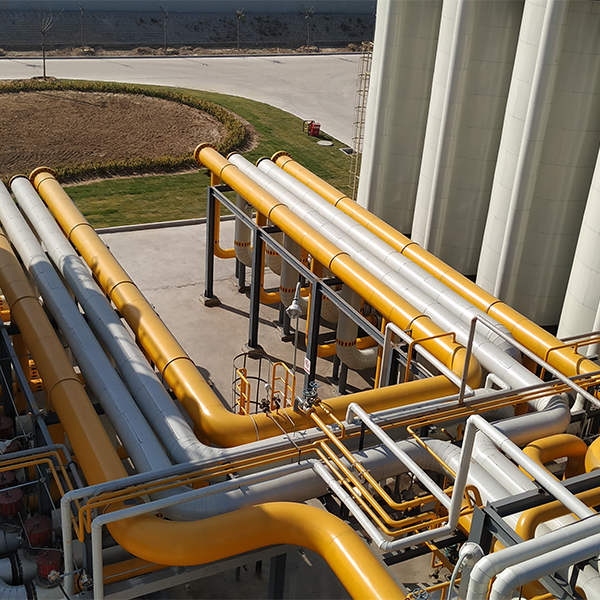
Best Sellingproducts
Best Selling Products-
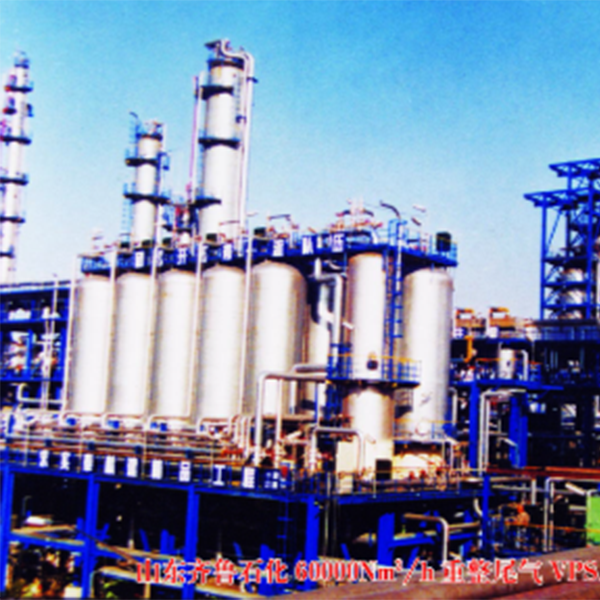 Hydrogen purification technology by pressure swing adsorption
 -
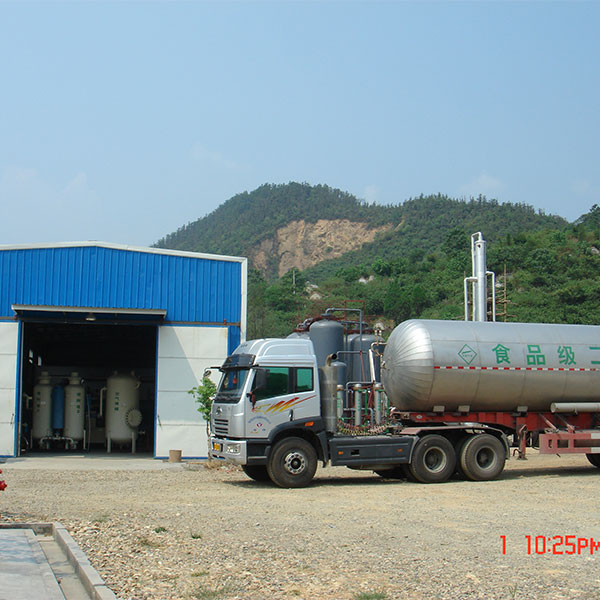 Food grade CO2 purified
 -
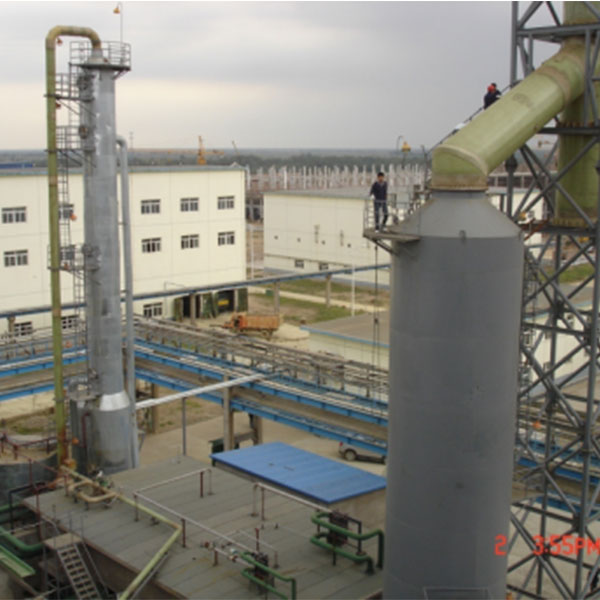 Ionic liquid desulfurization technology
 -
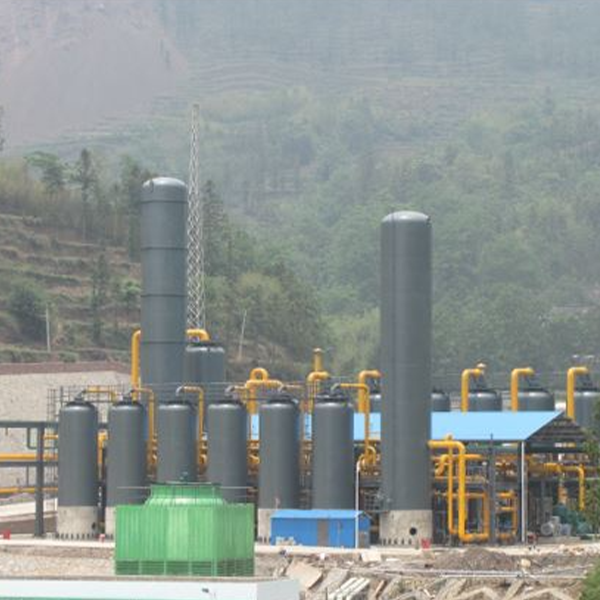 Methane extraction technology - biogas
 -
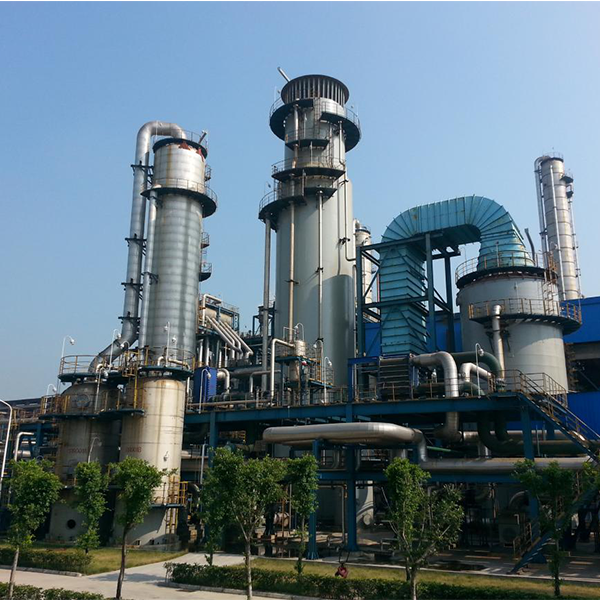 MEA-MDEA-NHD Desulfurization Technology
 -
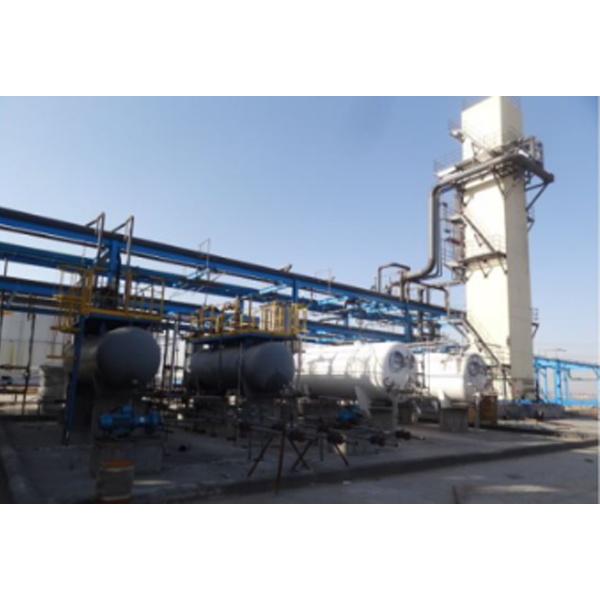 Liquefaction of natural gas
 -
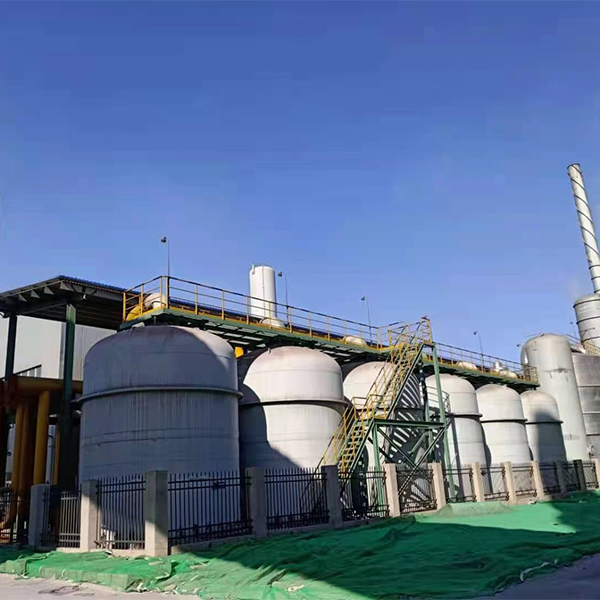 Oxygen purification and utilization
 -
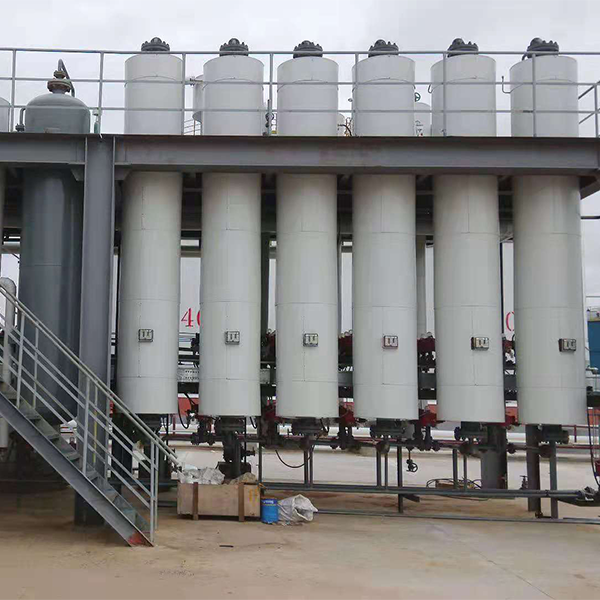 Hydrogen production by splitting methanol
 -
 MPS decarbonization technology
 -
 Methane extraction technology – coalbed methane
 -
 Coal gas organic sulfur fine removal technology
 -
 Hydrogen production by coal gasification
Relatedsearch
Related Search- China desiccant desiccant price
- natural gas liquefaction technology in detail
- China natural gas liquefaction plant plant
- China Valve Manufacturers
- China adsorbent application factory
- China Desulfurization Technology MEA/MDEA/NHD Products
- China CO2 desulfurization and removal technology using NHD method Main buyer country
- substance adsorbent plant
- China best adsorbent factories
- Renault valves