


natural gas liquefaction technology in detail
Natural gas liquefaction technology: in detail
Natural gas is an important source of energy for the entire world. However, in order for it to be transported over long distances and stored, it must be liquefied. It is a complex but important technology that allows us to access natural gas almost anywhere in the world. Let's figure out how this happens.
How does liquefaction occur?
The process of liquefying natural gas is based on a physical principle: gas can be turned into a liquid by cooling it to very low temperatures. Imagine ordinary water that turns into ice when it freezes. Gas liquefaction is a similar, but much more complex process. Natural gas is first purified of impurities, making it purer, and then cooled to a temperature of around -162°C. At this extreme temperature, the gas turns into a liquid state, taking up much less space than in a gaseous state. This compressed liquid is easier to transport over long distances, such as on ships.
Advantages of liquefied natural gas (LNG)
Liquefied natural gas, or LNG, has many benefits. It allows large volumes of natural gas to be transported economically over long distances, overcoming geographic and political barriers. This promotes energy independence for various countries that can import LNG. Due to the compactness of LNG, it can be stored in special tanks, ensuring an uninterrupted supply of energy at any time. In addition, LNG is a relatively clean energy source that produces fewer harmful emissions than some other fuels.
Challenges and the future
Despite its advantages, natural gas liquefaction technology also has its difficulties. Creating and maintaining such low temperatures is expensive. The environmental footprint associated with LNG production and transportation must also be taken into account, although modern technologies strive to minimize the negative impact on the environment. New technologies and developments are being developed to improve the efficiency and safety of the liquefaction process, as well as the disposal of potential waste. The future of LNG is closely linked to the development of technology and changes in the energy strategy of various countries.
Correspondingproducts
Related Products
Best Sellingproducts
Best Selling Products-
 VOC tail gas disposal
 -
 Wet CO2 removal technology
 -
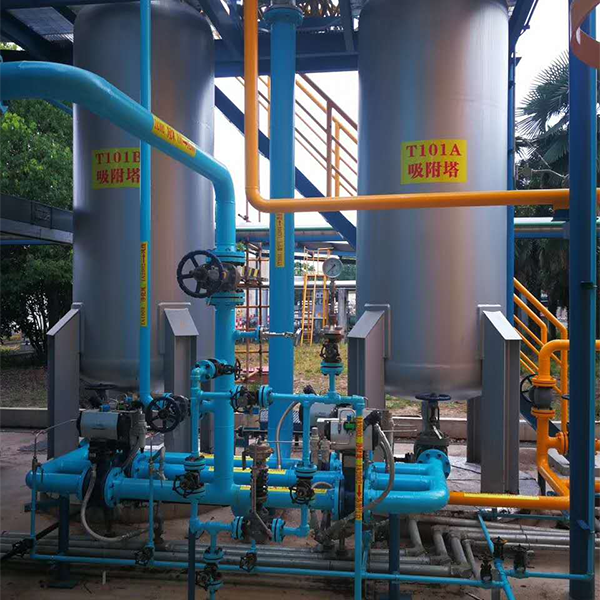 Nitrogen production by pressure swing adsorption
 -
 Methane extraction technology – coalbed methane
 -
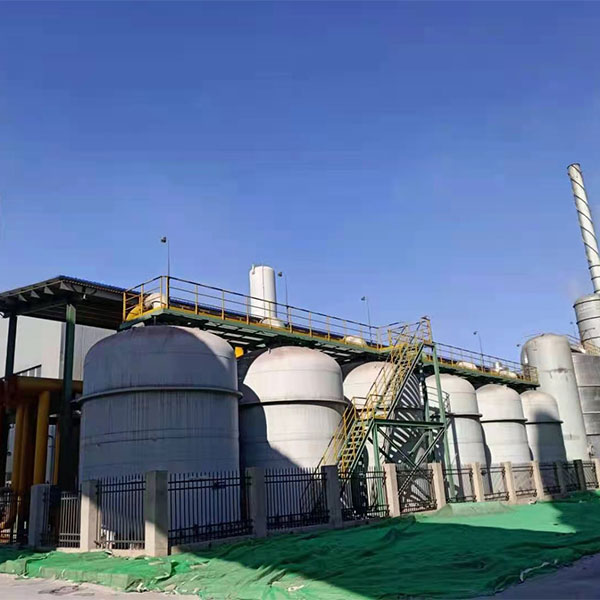 CO2 removal by pressure swing adsorption
 -
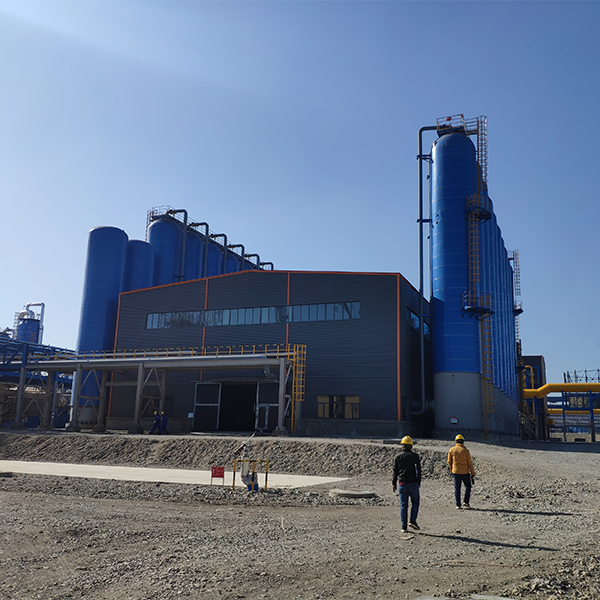 Hydrogen production by coal gasification
 -
 MPS decarbonization technology
 -
 Valve
Valve -
 Flue gas desulfurization technology using ammonia
 -
 Food grade CO2 purified
 -
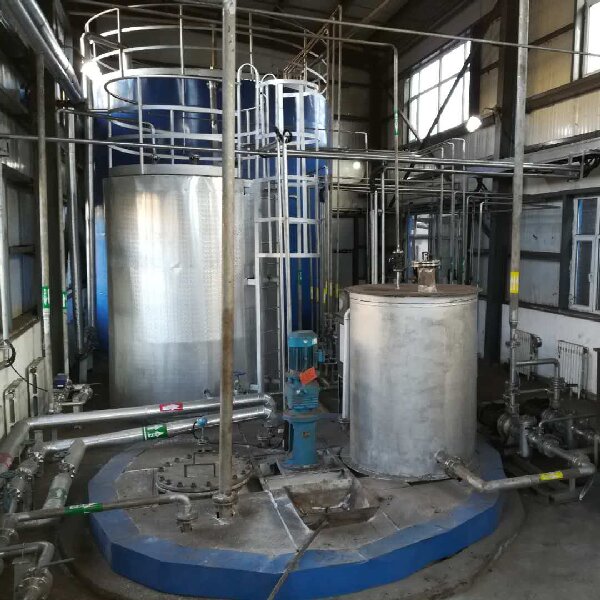 Flue gas denitrification SCR、SNC
 -
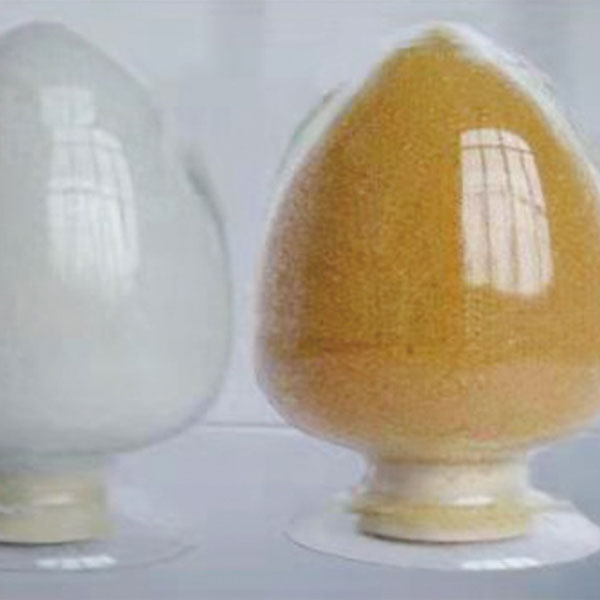 Unit desalting and demineralization equipment and special resin
Relatedsearch
Related Search- China Catalyst Adsorbent Suppliers
- adsorbent gas supplier
- China water valve Main buyer country
- air adsorbents manufacturer
- China Desulfurization Technology MEA/MDEA/NHD Exporters
- China CO2 Removal by Pressure Swing Adsorption Manufacturers
- China Adsorbent Substance Exporter
- China natural adsorbent factory
- China Kamaz Valve Supplier
- China Vinyl chloride recycling technology exporters