


China natural adsorbent factory
China - natural adsorbent plant
Chinese enterprises involved in the production of natural adsorbents play an important role in the modern world. They offer a wide range of products that can effectively purify a variety of media, from water to air. This process, simplified, is similar to how spongy tissue absorbs dirt. Natural materials used in production are, as a rule, minerals and clays, which have a unique ability to retain harmful substances on their surface.
Variety of natural adsorbents
A wide range of natural adsorbents meet different needs. From industrial wastewater purification to household air purification, each type of adsorbent is selected for a specific task. For example, some of them do an excellent job of removing heavy metals, others - with organic contaminants. The choice depends on what exactly needs to be cleaned. It's like choosing the right tool for a certain job.
Advantages of using natural adsorbents
The use of natural adsorbents has a number of advantages. Firstly, it is an environmentally friendly approach. Unlike some synthetic materials, natural adsorbents do not contain harmful chemicals and do not harm the environment. Secondly, they are often more affordable. For example, materials extracted from local resources can significantly reduce the cost of the cleaning process. Finally, natural adsorbents are often highly effective. Their ability to retain a variety of pollutants is comparable to, and sometimes superior to, the efficiency of modern technologies.
Development prospects
In the future, with growing awareness of the importance of environmental safety and quality of life, the demand for natural adsorbents will only increase. Modern enterprises are actively researching new types of natural materials and developing new methods for their processing, which contributes to the constant improvement of cleaning technologies. This will solve environmental problems and provide a better quality of life for people. After all, a clean future is a future in which nature and man live in harmony.
Correspondingproducts
Related Products
Best Sellingproducts
Best Selling Products-
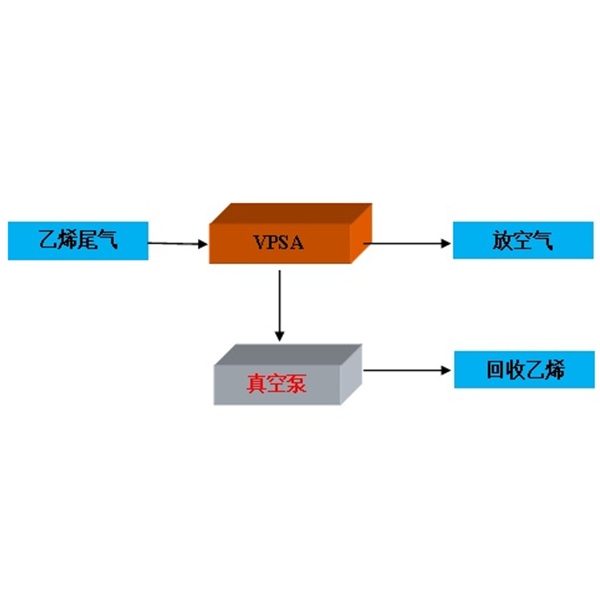 Ethylene tail gas recovery
 -
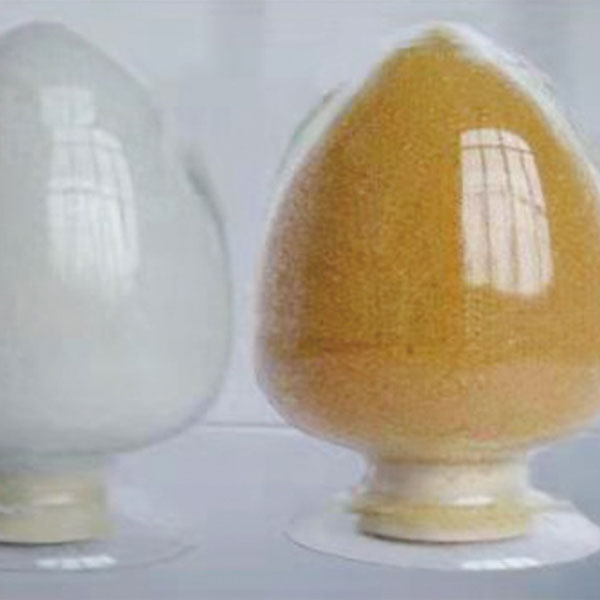 Unit desalting and demineralization equipment and special resin
 -
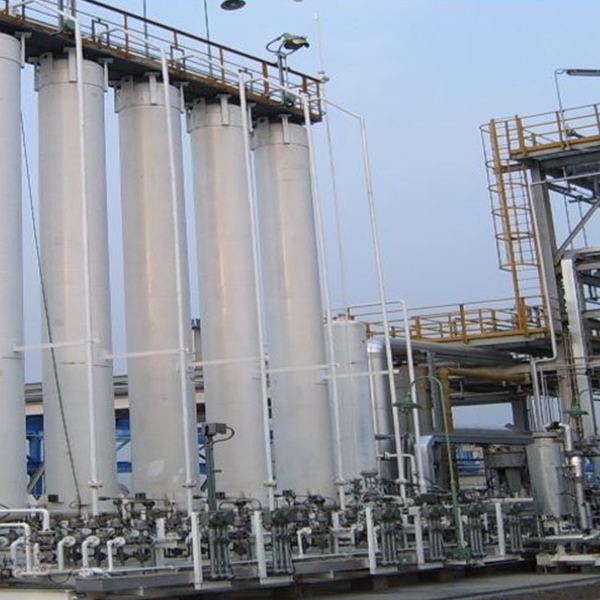 Argon purification
 -
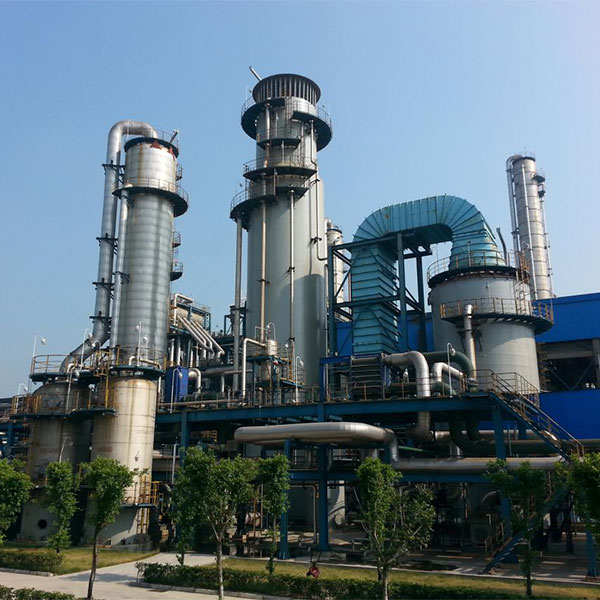 Wet CO2 removal technology
 -
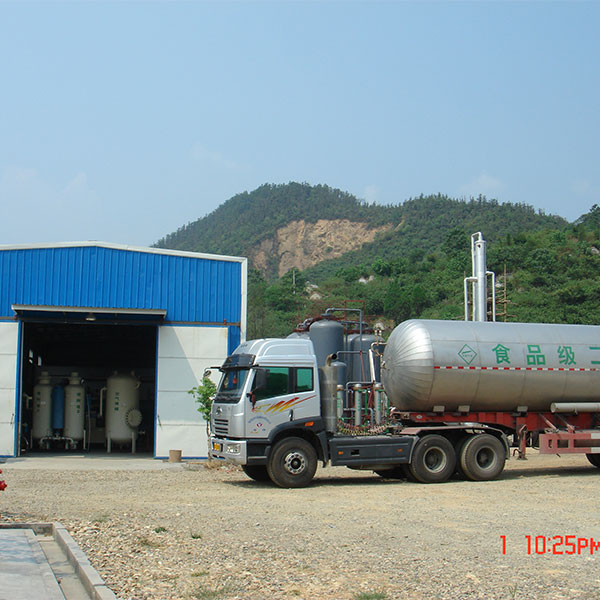 Food grade CO2 purified
 -
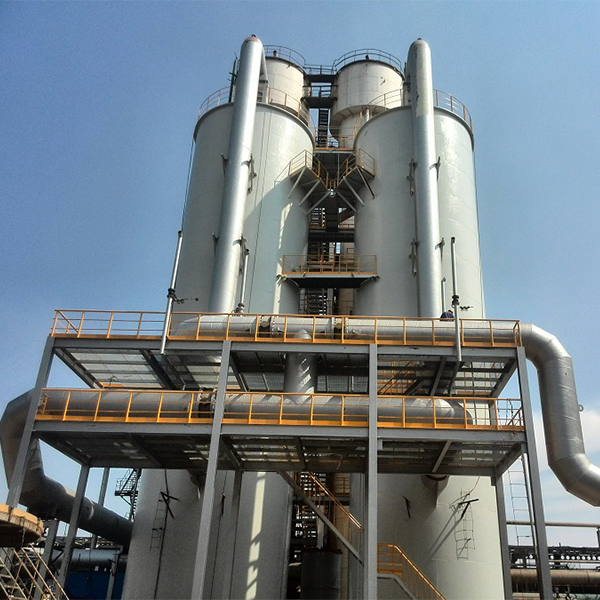 Desulfurization technology using the redox wet method
 -
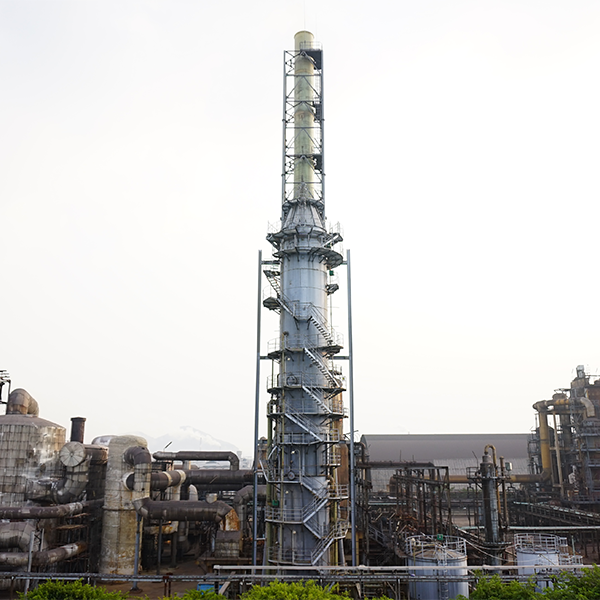 Flue gas desulfurization technology using ammonia
 -
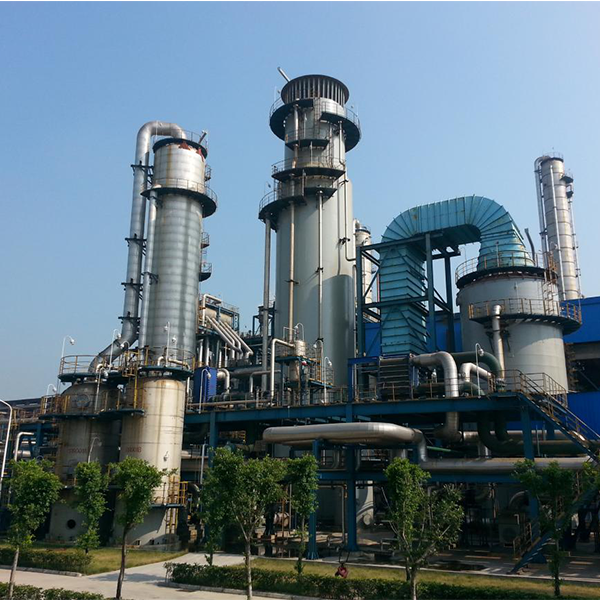 MEA-MDEA-NHD Desulfurization Technology
 -
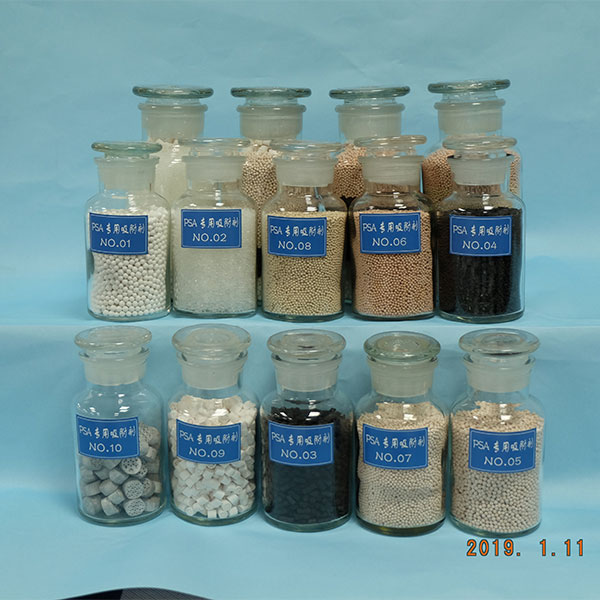 absorbent
 -
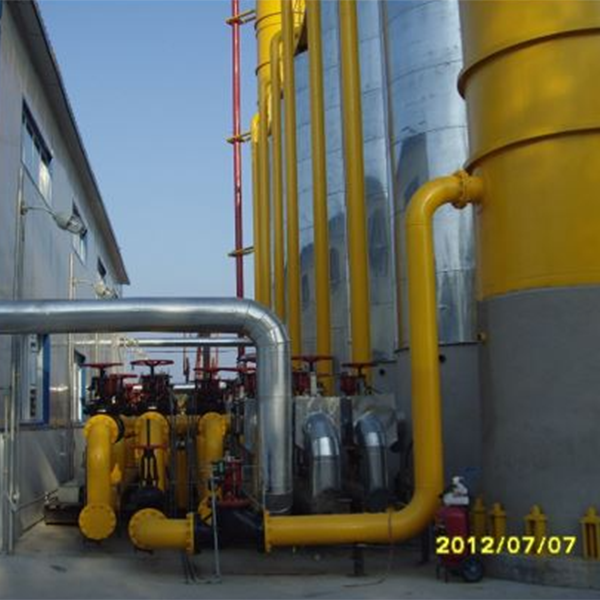 Vinyl chloride recycling technology
 -
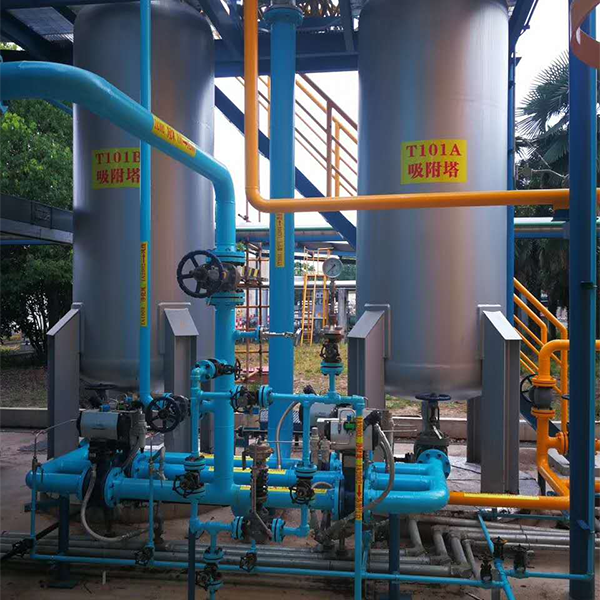 Nitrogen production by pressure swing adsorption
 -
 Battery material precursor production technology
Relatedsearch
Related Search- China liquefied natural gas what is the name of the main buyer country
- China Domestic Natural Gas Liquefaction Suppliers
- China injector valve price
- China CO2 removal by pressure swing adsorption factories
- China buy valve Supplier
- Flue gas denitrification SCR、SNC plant
- natural gas liquefaction conditions
- China coal adsorbent factories
- China coal adsorbent products
- Methane extraction technology - biogas