


natural gas liquefaction conditions
Conditions for natural gas liquefaction
Natural gas used as fuel exists in a gaseous state. In order to transport it over long distances or store it in convenient containers, it must be liquefied. This process, called liquefied natural gas (LNG), is a necessary procedure for conveniently and efficiently handling this important resource. Liquefaction is not just cooling, it is an entire technological task that requires certain conditions.
Critical parameters:
In order for a gas to transform into a liquid state, its temperature must be reduced significantly below normal. Temperature and pressure play a key role. Natural gas consists of various components such as methane, ethane and propane. Each gas has its own boiling point, and to liquefy the entire mixture, you need to reach the lowest boiling point, which is characteristic of the coldest component. To liquefy natural gas, the temperature must be well below -162 °C. At the same time, sufficient pressure is necessary to maintain the liquid state. Thus, pressure and temperature are closely related: lower temperatures require more pressure. Special refrigeration units using various refrigerants ensure the achievement and maintenance of such low temperatures.
Technological process:
The liquefaction process is a multi-step process. Natural gas is first purified to remove impurities because they can affect the efficiency of the process and equipment. Then the gas is cooled in several stages, using special equipment. As a result, the gas turns from a gaseous state into a liquid, which is then stored in special cryogenic tanks at low temperatures and pressure. The technology is not simple, but it makes it possible to successfully transport natural gas in liquid form over long distances. It is important to ensure operational safety at every stage, including during cooling, storage and subsequent transportation of LNG.
Economic and environmental aspects:
The liquefaction of natural gas, although requiring significant capital investment, is of great economic importance. Transporting LNG is much more profitable than gas pipelines, especially over long distances. At the same time, liquefying natural gas saves space and energy, since the liquid form takes up significantly less space. This is also important for economic development. From an environmental perspective, natural gas liquefaction can help reduce greenhouse gas emissions if it replaces other fuels. The environmental component is very important in modern trends. At the same time, LNG helps reduce emissions and mitigate environmental impacts.
Correspondingproducts
Related Products
Best Sellingproducts
Best Selling Products-
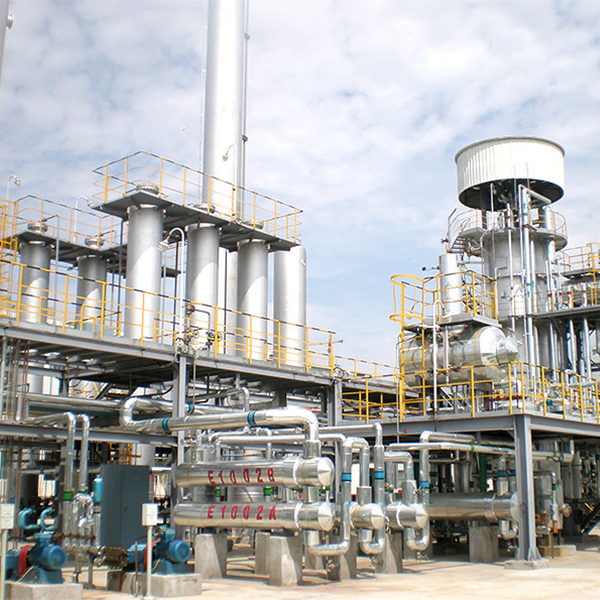 Hydrogen production by conversion of light hydrocarbons with steam
 -
 MPS decarbonization technology
 -
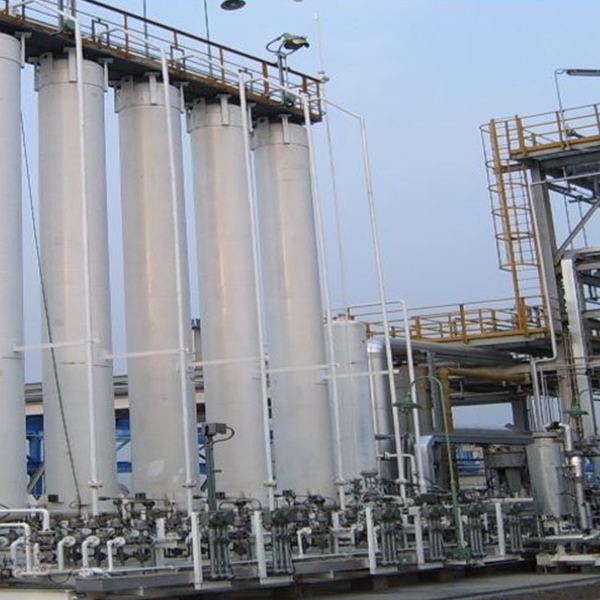 Argon purification
 -
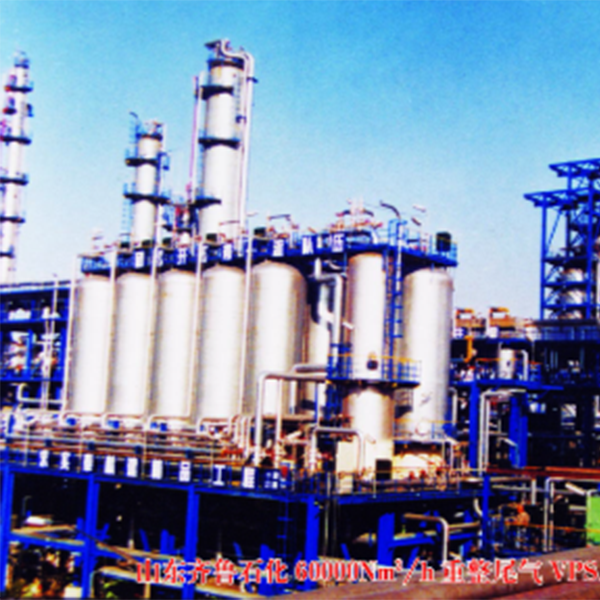 Hydrogen purification technology by pressure swing adsorption
 -
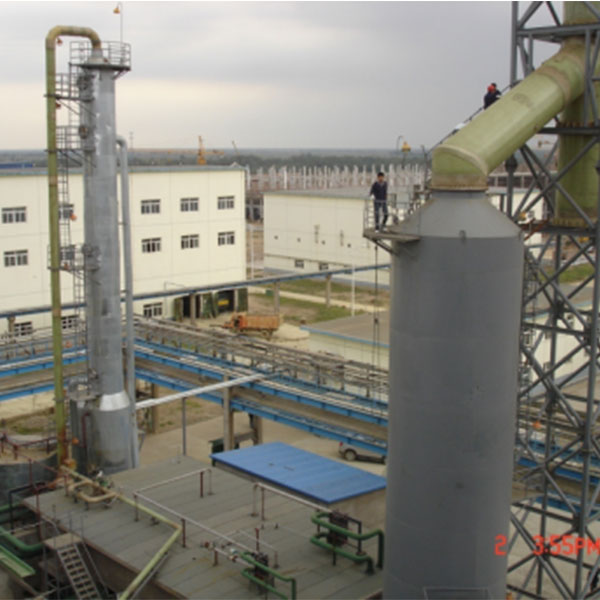 Ionic liquid desulfurization technology
 -
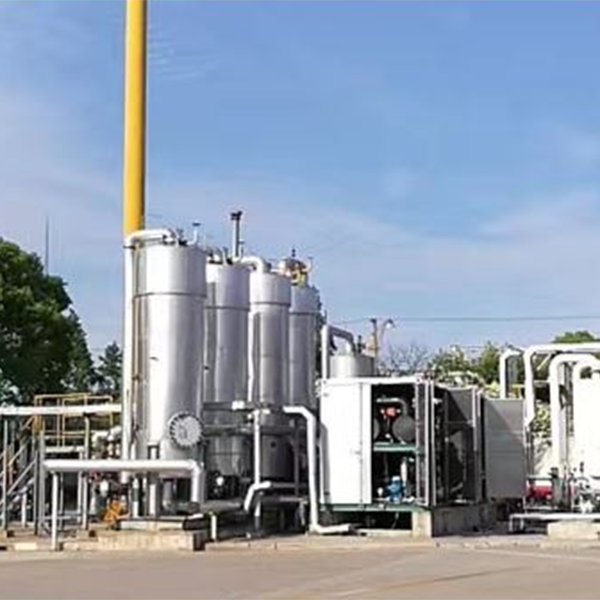 VOC tail gas disposal
 -
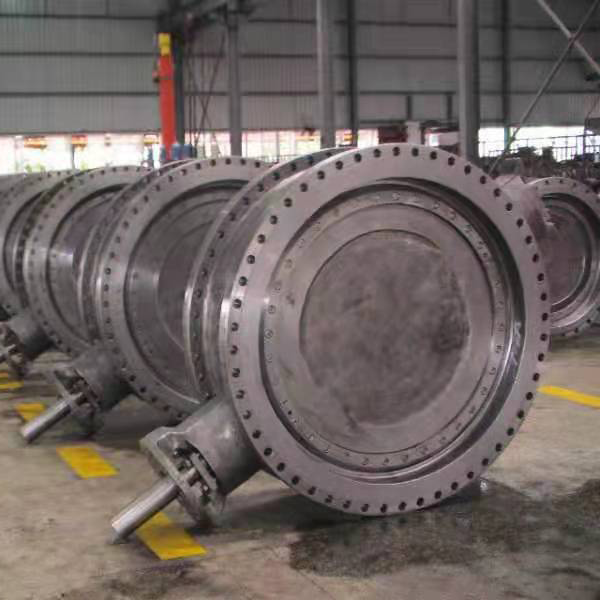 Valve
Valve -
 Technology of desulfurization and CO2 removal using NHD method
 -
 Nitrogen production by pressure swing adsorption
 -
 Desulfurization technology using the redox wet method
 -
 Flue gas desulfurization technology using ammonia
 -
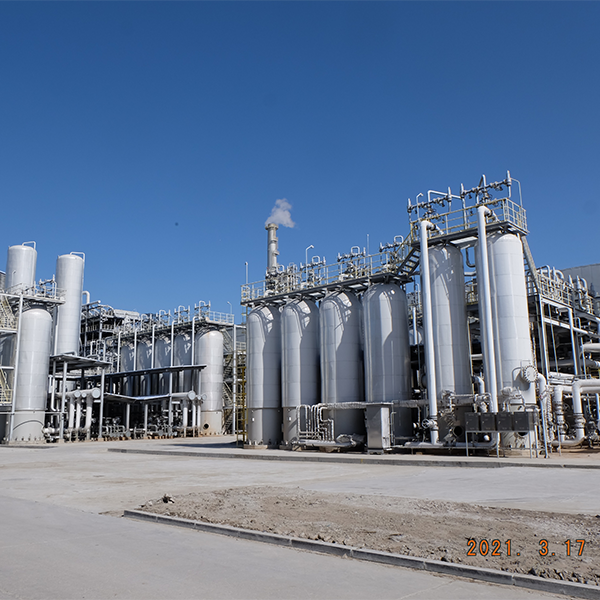 Hydrogen production from coke oven gases
Relatedsearch
Related Search- Argon purification
- China Oxygen Production by Pressure Swing Adsorption Suppliers
- China domestic natural gas liquefaction Exporter
- China Natural Gas Liquefaction Methods Manufacturers
- China water valve products
- adsorbents activated carbon
- China CO2 Removal by Pressure Swing Adsorption Suppliers
- China Waste Acid Reclamation Factory
- China natural gas liquefaction process plants
- China valve years product