


Flue gas denitrification SCR、SNC plant
Flue gas denitrification SCR/SNC plant
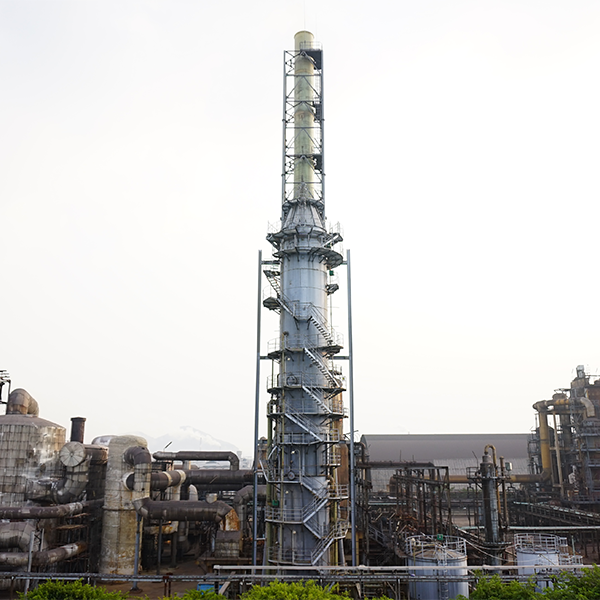
Denitrification is the process of removing excess nitrogen from industrial waste gases. This process is critical to protecting the environment because nitrogen in exhaust gases, especially in the form of nitrogen oxides (NOx), is a greenhouse gas that can negatively impact human health and the ecosystem. Modern plants, such as SCR (Selective Catalytic Reduction) and SNC (Selective Non-Catalytic Reduction) plants, use different methods to achieve this result.
Operating principle of SCR/SNC technologies
SCR technologies use catalysts that speed up the reaction between nitrogen oxides and ammonia (or other reactants). As a result of this reaction, nitrogen oxides are converted into harmless nitrogen and water. SNC technologies, in turn, carry out the process without the use of a catalyst, directly affecting nitrogen oxides. Both technologies are aimed at one thing – reducing the level of harmful emissions into the atmosphere. The choice of technology depends on the specifics of production and many technical parameters.
Advantages and disadvantages of denitrification technologies
SCR and SNC technologies have their advantages and disadvantages. SCR technologies are generally more effective at removing nitrogen oxides, but require more complex equipment and can be sensitive to the quality of the reagents. SNC technologies, in turn, may be easier to maintain, but their performance may depend on a number of factors, for example, the temperature of the exhaust gases. Economic factors are also important: installation costs and maintenance costs vary for each technology. Ultimately, choosing the optimal technology is a trade-off between efficiency, reliability and cost.
Impact on the environment and human health
The successful application of denitrification technologies is a direct contribution to improving air quality and reducing environmental damage. Reducing NOx levels helps prevent acid rain, protects forest ecosystems and reduces the risk of air pollution-related illnesses in humans. Therefore, the introduction of these technologies in industrial enterprises is not just a technical task, but also a measure to protect our common future.
Correspondingproducts
Related Products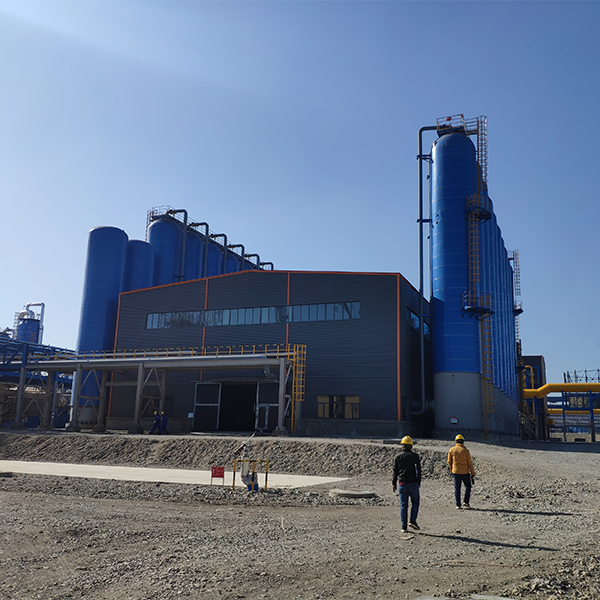
Best Sellingproducts
Best Selling Products-
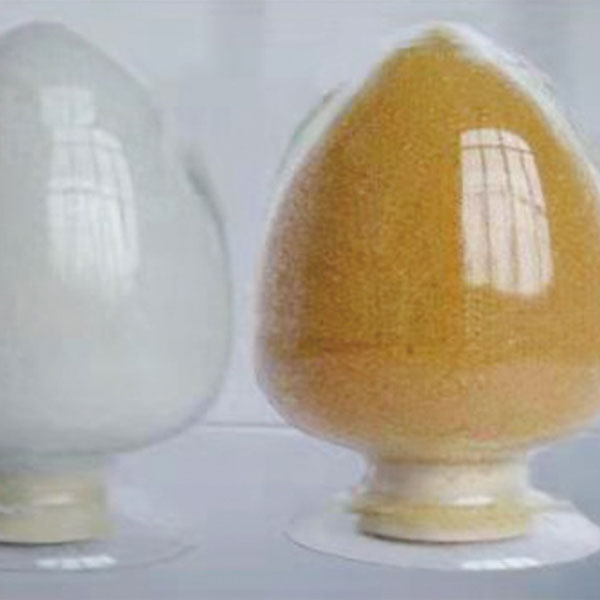 Unit desalting and demineralization equipment and special resin
 -
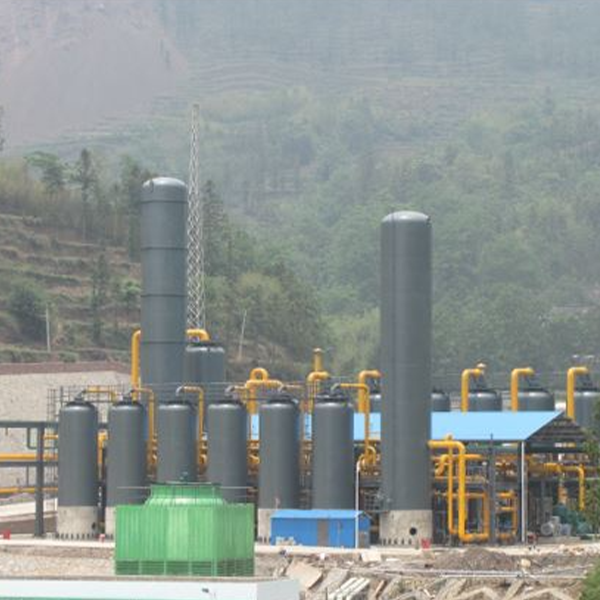 Methane extraction technology - biogas
 -
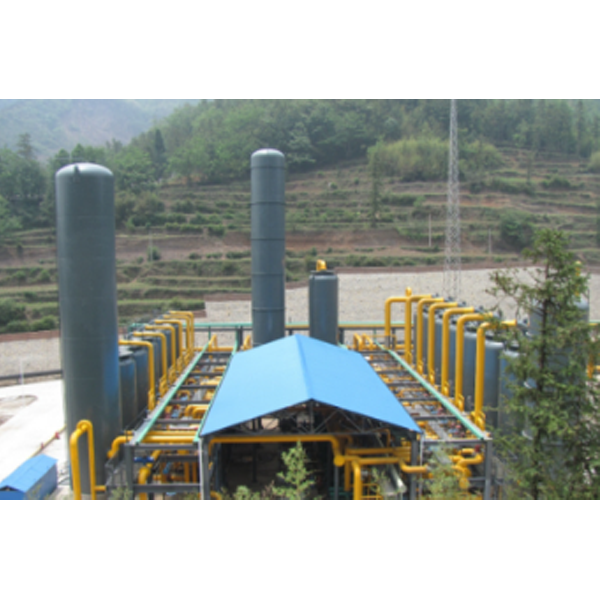 Methane extraction technology – coalbed methane
 -
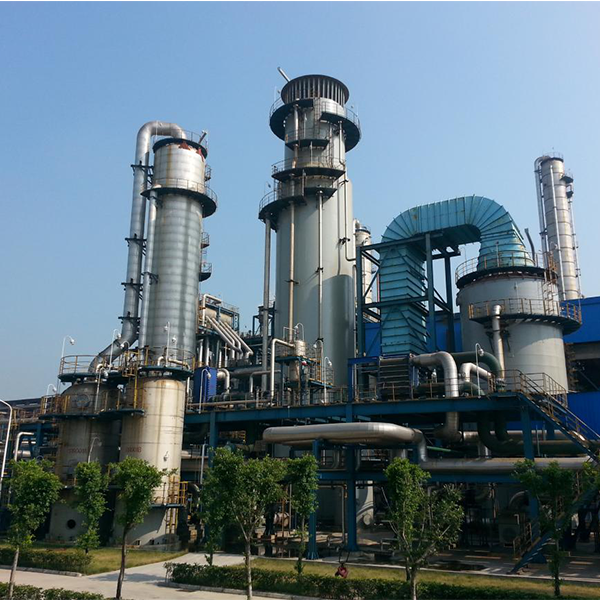 MEA-MDEA-NHD Desulfurization Technology
 -
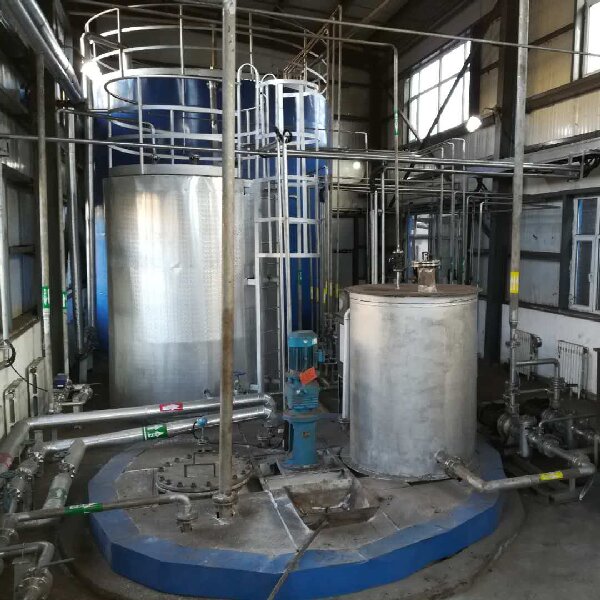 Flue gas denitrification SCR、SNC
 -
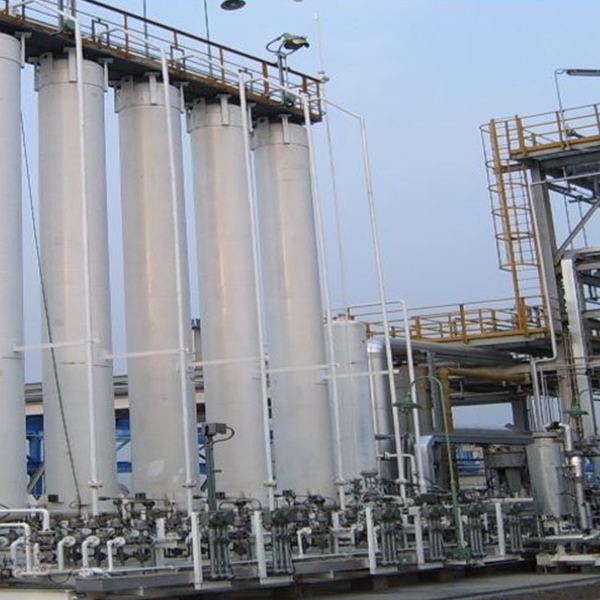 Argon purification
 -
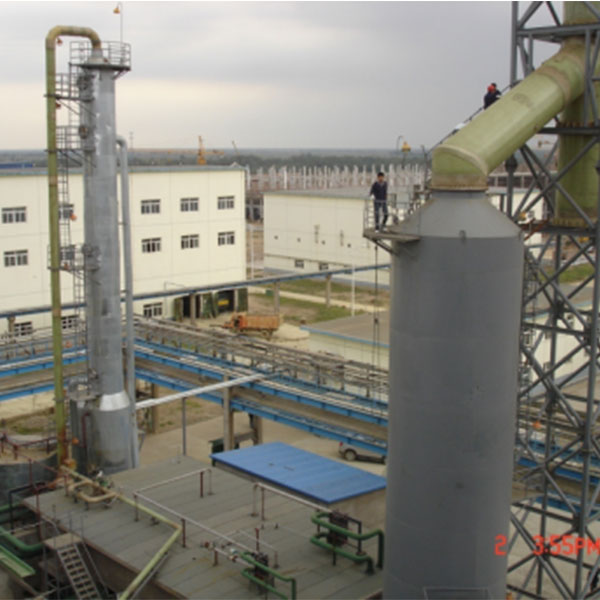 Ionic liquid desulfurization technology
 -
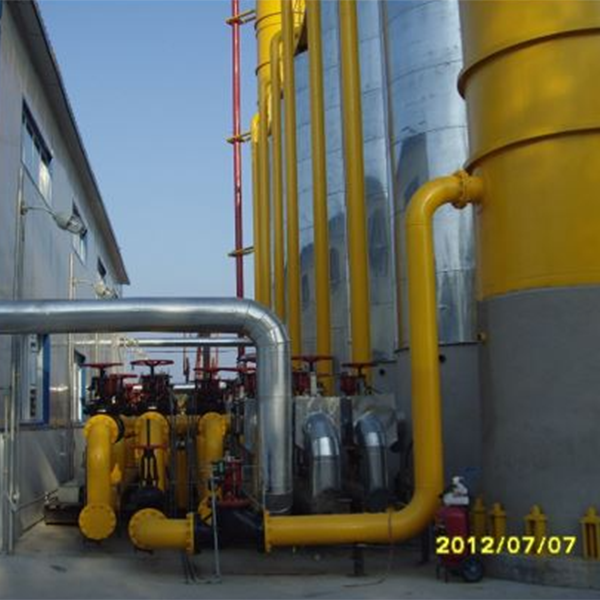 Vinyl chloride recycling technology
 -
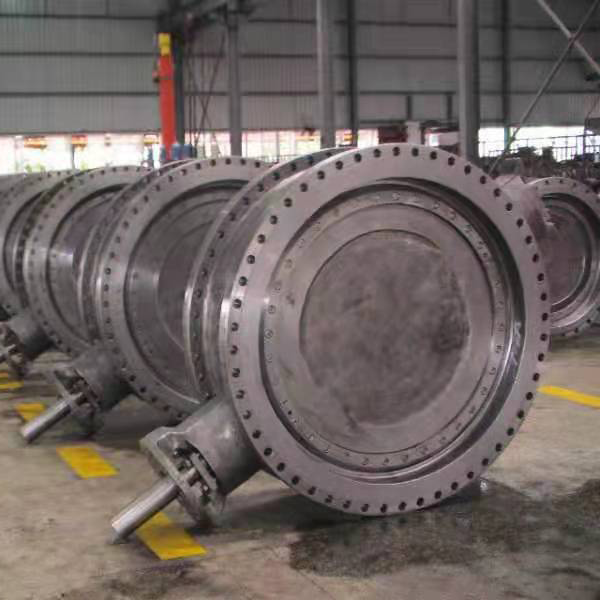 Valve
Valve -
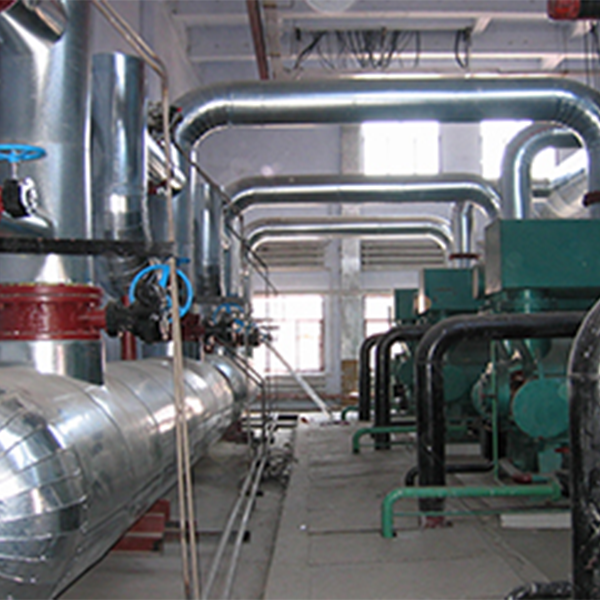 Oxygen production by pressure swing adsorption
 -
 Ethylene tail gas recovery
 -
 Hydrogen production from coke oven gases
Relatedsearch
Related Search- Technology for extracting methane from coal seams
- ventilation valve
- China Desulfurization Technology MEA/MDEA/NHD Exporters
- China substance adsorbent Manufacturer
- gas adsorbent
- China Adsorbents Preparations Exporter
- China Desiccant Desiccant Suppliers
- China Ionic Liquid Desulfurization Technology Exporter
- China Desulfurization Technology MEA/MDEA/NHD Exporter
- adsorbents drugs supplier