

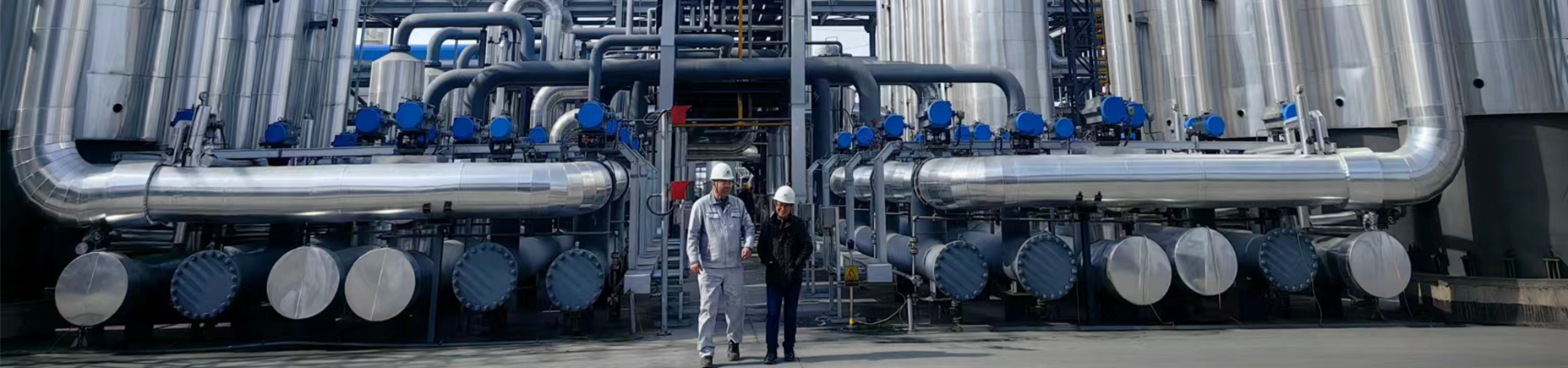
Methane extraction technology - biogas
Methane extraction technology - biogas
Biogas is a fuel made from organic waste such as manure, food waste, or even sewage. Imagine that we can squeeze energy out of waste, turning it into clean, environmentally friendly and in demand gas. This is exactly what biogas technology does.
What happens during the biogas production process?
In special plants called biogas plants, organic waste is subjected to anaerobic digestion. This is a process in which bacteria, living without oxygen, digest waste. This digestion produces gases, mainly methane and carbon dioxide. Methane, this valuable gas, is the very biogas that can be used as fuel. This process is quite simple, but requires a certain environment and control over conditions.
The benefits of biogas for the environment and us.
Why is biogas so important? Firstly, it significantly reduces environmental pollution. Instead of burying waste that produces harmful gases, we recycle it into useful fuel. This helps reduce emissions of greenhouse gases such as methane into the atmosphere. In addition, the use of biogas reduces dependence on fossil fuels, making our energy more sustainable and environmentally friendly.
Application of biogas in practice.
Biogas can be used for a variety of purposes: heating homes, generating electricity, cooking, and fueling vehicles. Imagine a farm that uses manure for energy, or a restaurant that converts food waste into clean energy. Biogas technology is a powerful tool for creating a sustainable and green future, allowing us to make smarter use of available resources. This is a future in which we pollute the planet less and our waste becomes a source of energy.
Correspondingproducts
Related Products
Best Sellingproducts
Best Selling Products-
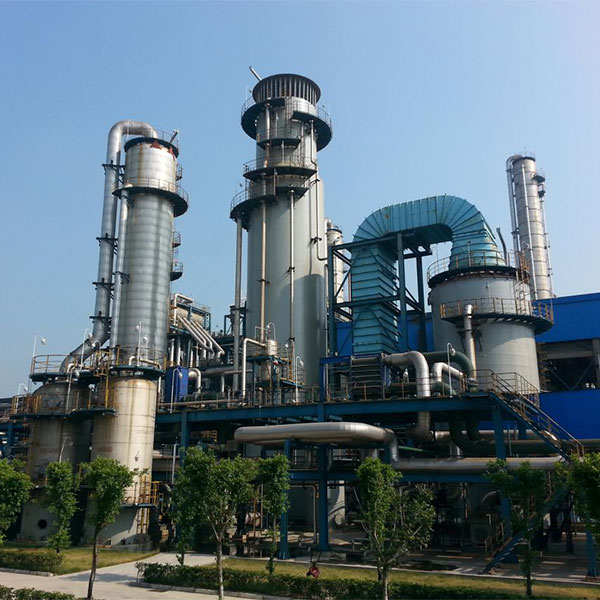 Wet CO2 removal technology
 -
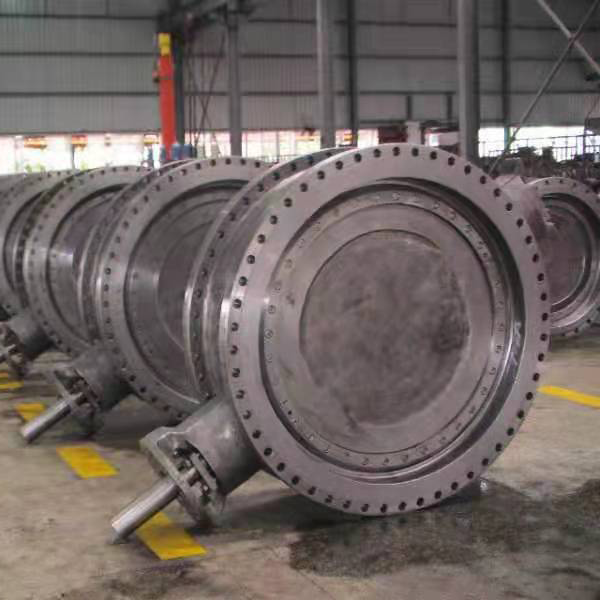 Valve
Valve -
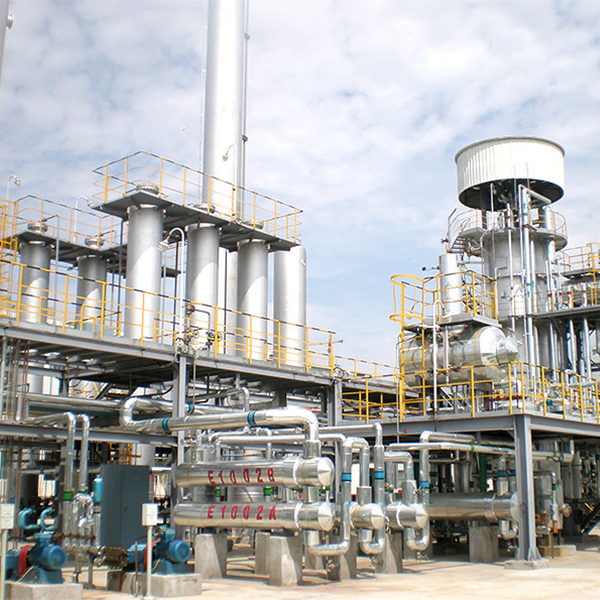 Hydrogen production by conversion of light hydrocarbons with steam
 -
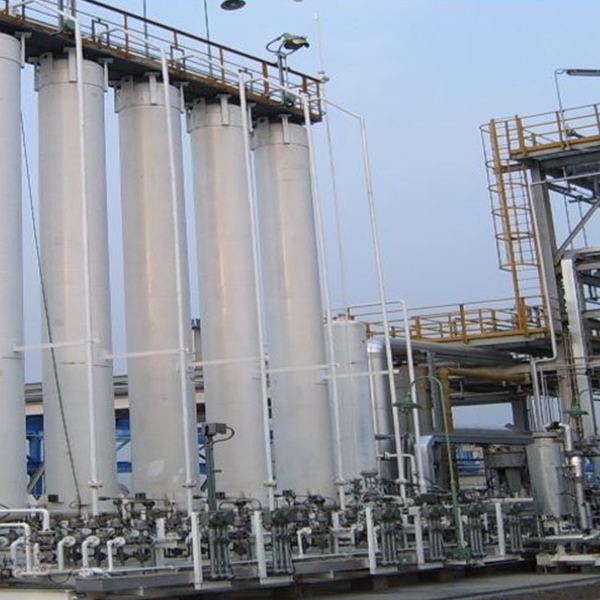 Argon purification
 -
 Methane extraction technology – coalbed methane
 -
 Hydrogen purification technology by pressure swing adsorption
 -
 Hydrogen production from coke oven gases
 -
 Special acid regeneration equipment
 -
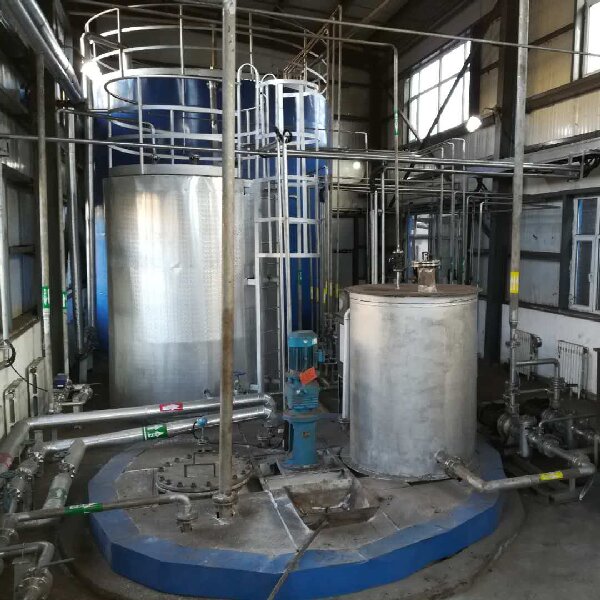 Flue gas denitrification SCR、SNC
 -
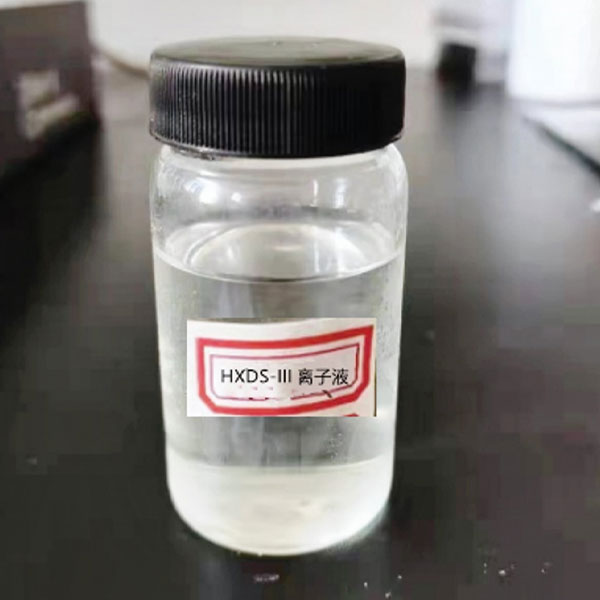 Ionic liquid desulfurizer
 -
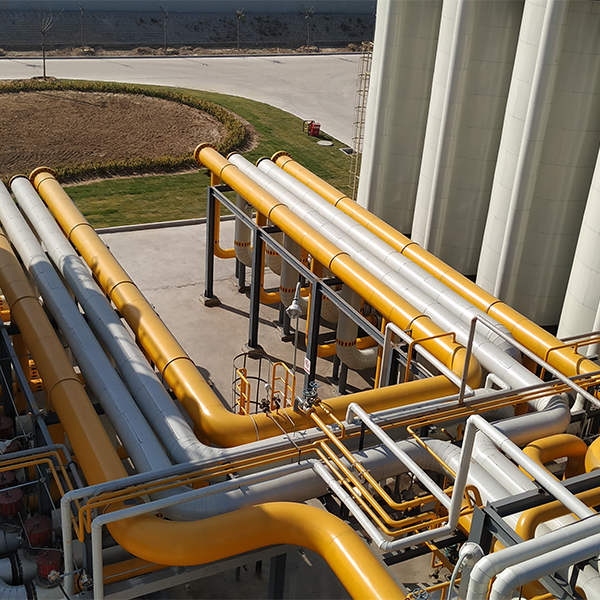 Coke gas purification technology
 -
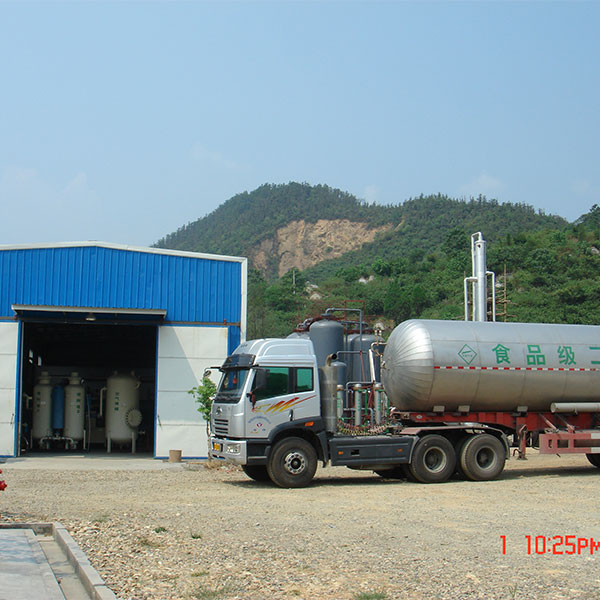 Food grade CO2 purified
Relatedsearch
Related Search- China desiccant desiccant exporters
- China water valve factory
- China Poison Adsorbents Suppliers
- China Russian natural gas liquefaction technology products
- China adsorbent application exporters
- China Air Conditioner Valve Exporter
- China Water Adsorbents Supplier
- What is the name of natural gas liquefaction technology?
- China Flue Gas Denitrification SCR、SNC product
- China Liquefaction of natural gas plants