

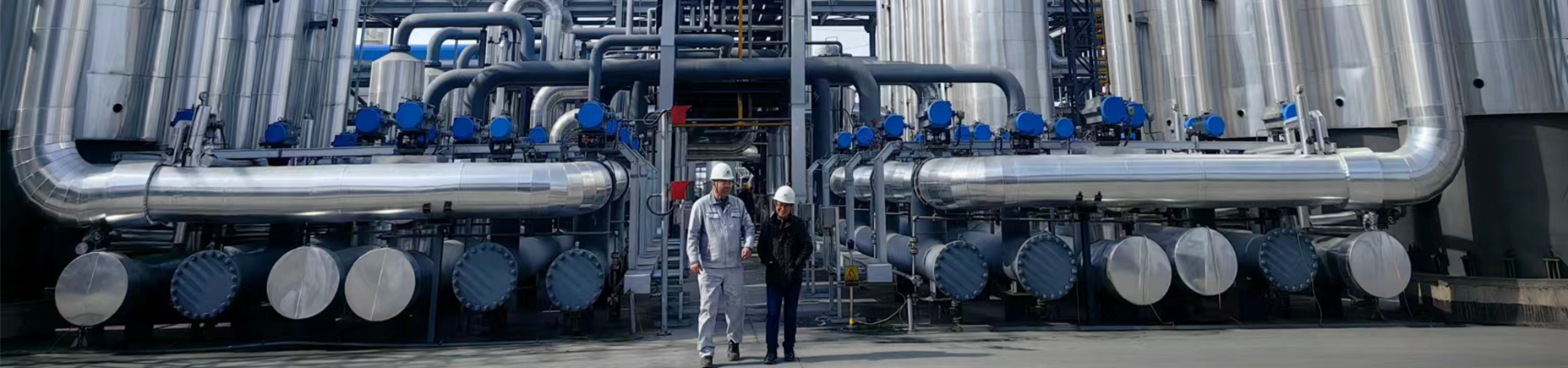
What is the name of natural gas liquefaction technology?
What is the name of liquefied natural gas technology?
Natural gas liquefaction technology, or liquefied natural gas (LNG), is a complex but efficient way to transport natural gas over long distances. Imagine how we pour water into an ice mold - it’s about the same thing, only instead of water there’s natural gas, and instead of ice there’s liquefied gas. Why is this necessary? Because natural gas is the fuel we use to heat our homes, run our factories, and produce electricity. Sometimes gas fields are located far from consumers, and transporting it in gaseous form is too expensive and difficult.
How does this happen?
The liquefaction process involves cooling natural gas to extremely low temperatures - approximately minus 162 degrees Celsius. At this temperature, the gas turns into a liquid, occupying a much smaller volume. This allows it to be stored and transported in special tankers much more efficiently than in a gaseous state. This process requires special equipment that operates like a large refrigeration unit using various stages of cooling and filtration. It is important to note that natural gas is purified of impurities before being liquefied, as some substances can damage equipment.
Advantages and Disadvantages
Liquefied natural gas has many benefits. Firstly, it takes up much less space during transportation, which reduces costs. Secondly, this type of fuel is less harmful to the environment than other types of fuel, such as coal. Thirdly, it is a very powerful source of energy, capable of supplying large cities and industrial enterprises. However, the liquefaction process is an expensive process that requires large capital investments, and storing LNG also requires special, expensive storage facilities. It is also worth remembering that LNG delivery is a rather complex logistics process that requires special tankers and ports.
Correspondingproducts
Related Products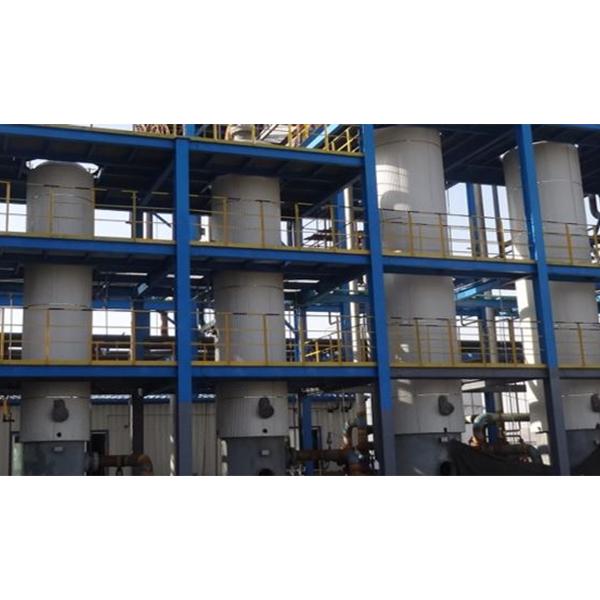
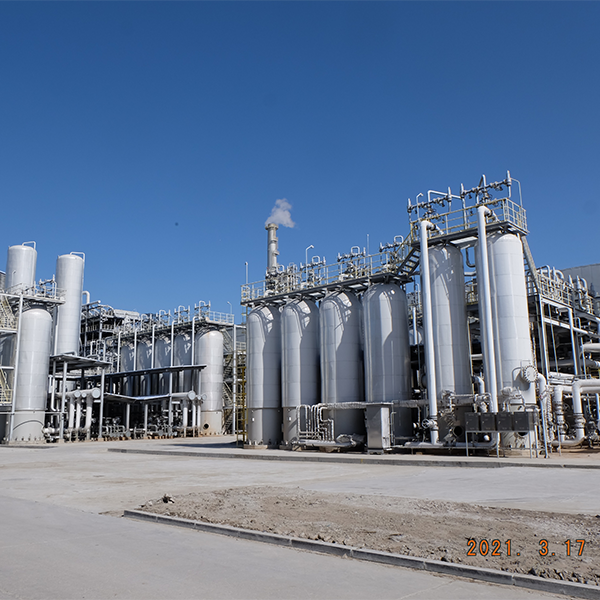
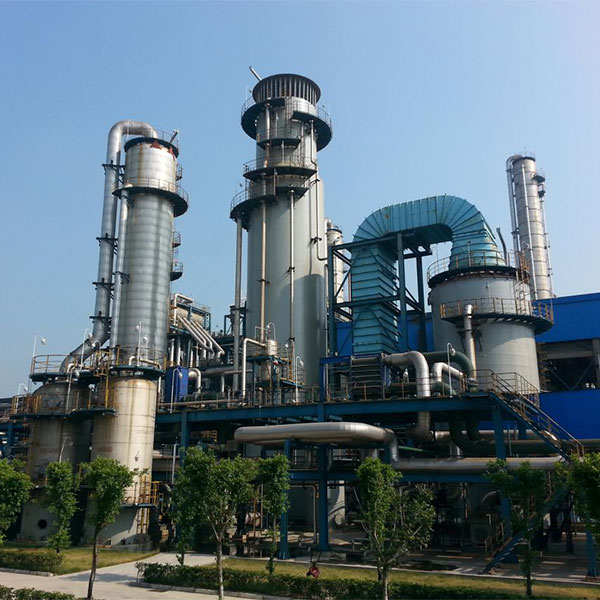
Best Sellingproducts
Best Selling Products-
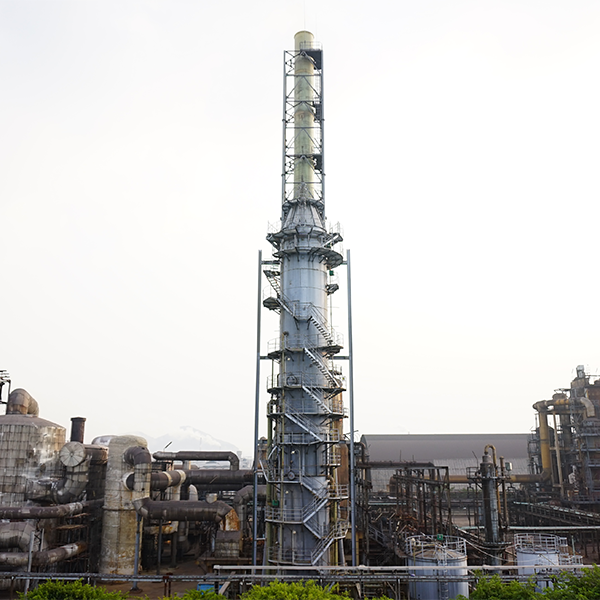 Flue gas desulfurization technology using ammonia
 -
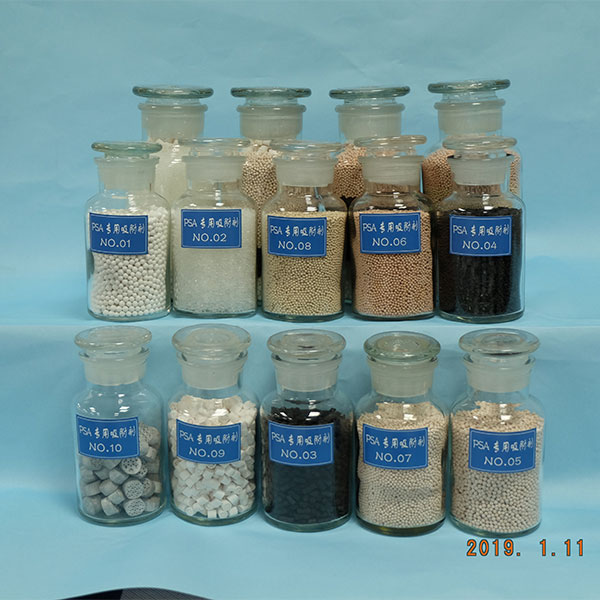 absorbent
 -
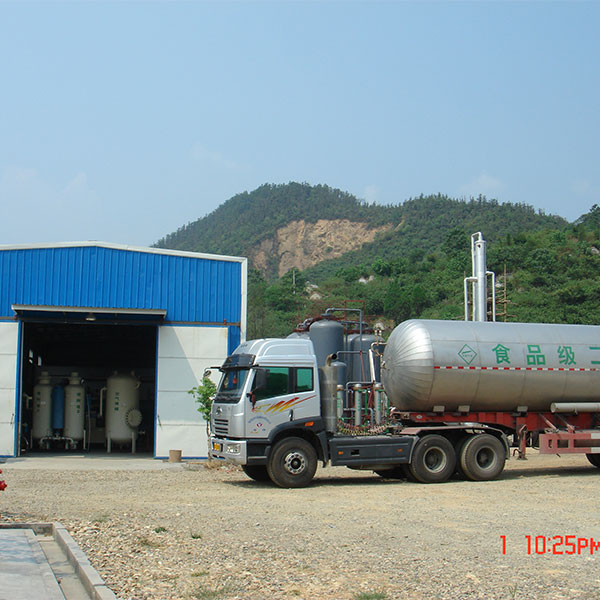 Food grade CO2 purified
 -
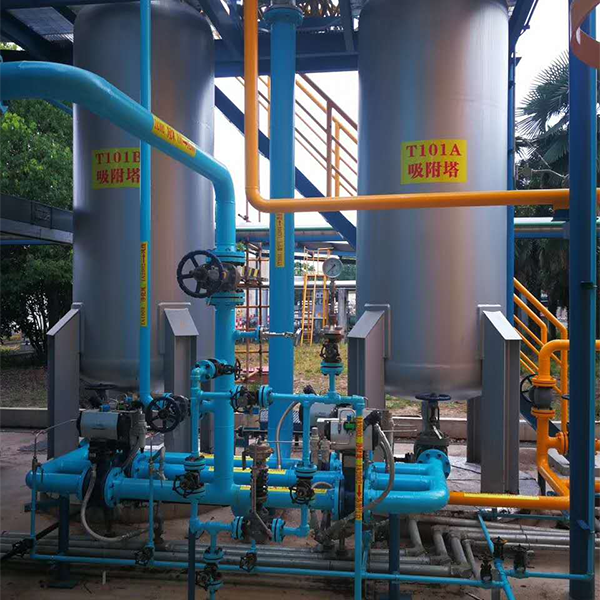 Nitrogen production by pressure swing adsorption
 -
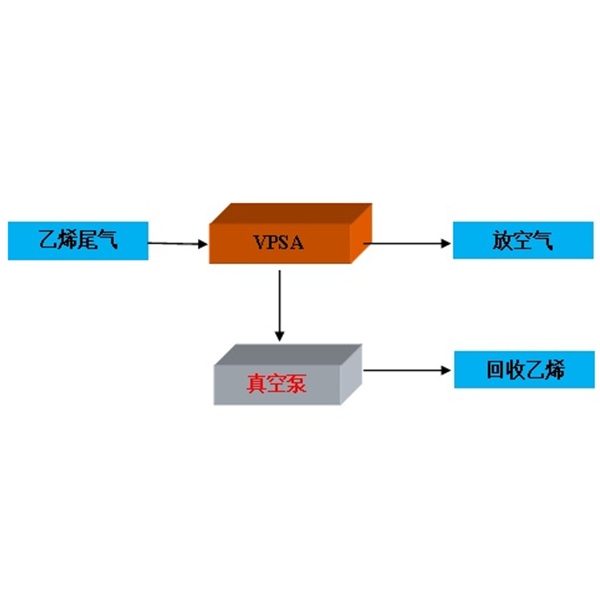 Ethylene tail gas recovery
 -
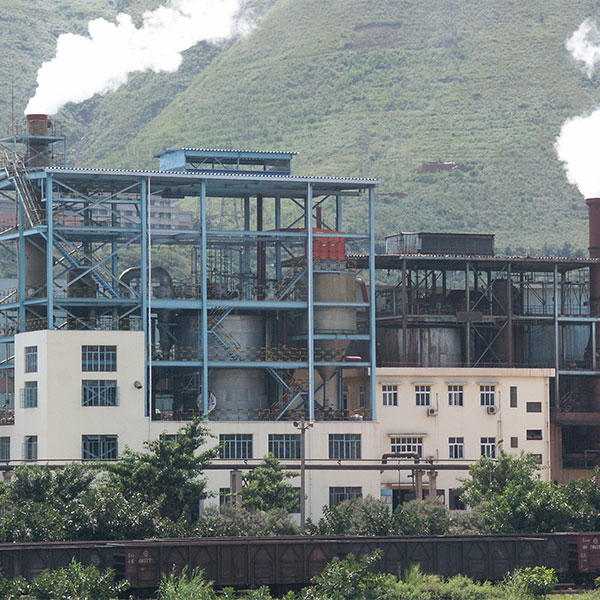 Waste acid regeneration
 -
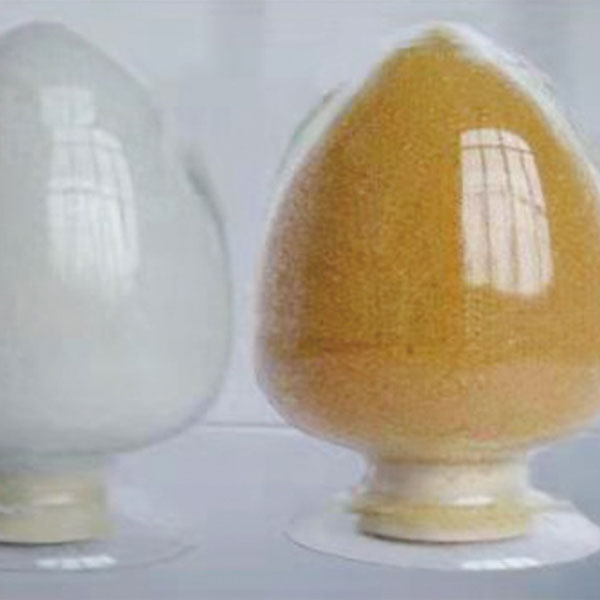 Unit desalting and demineralization equipment and special resin
 -
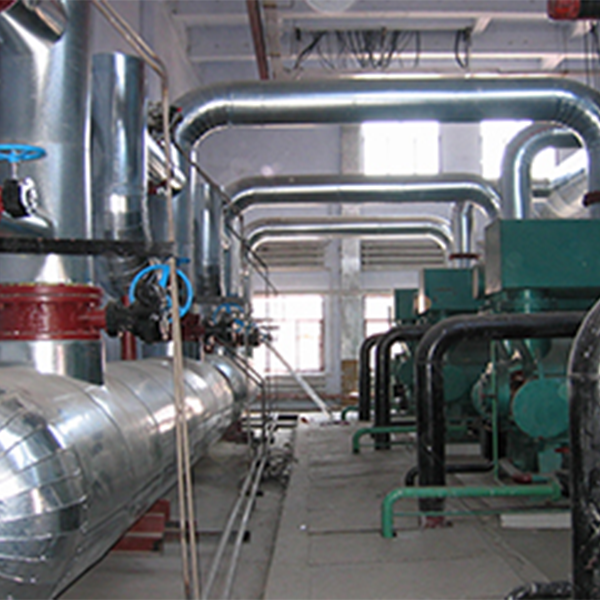 Oxygen production by pressure swing adsorption
 -
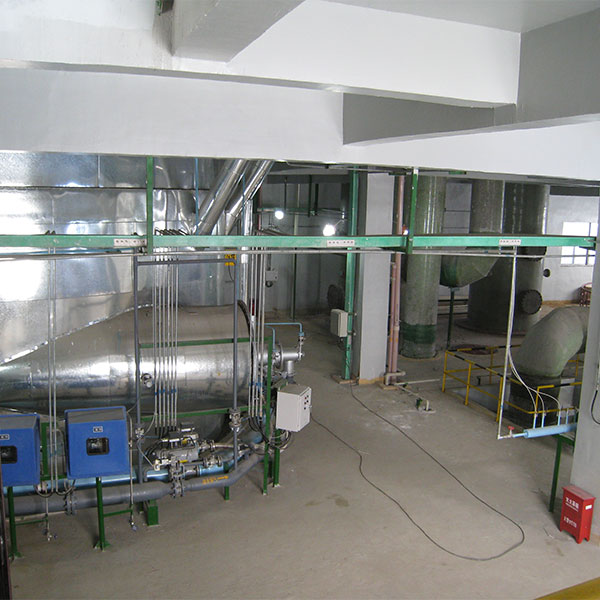 Special acid regeneration equipment
 -
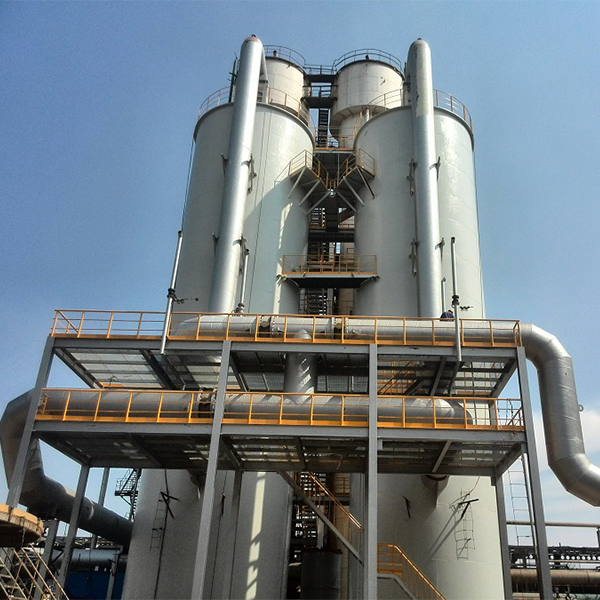 Desulfurization technology using the redox wet method
 -
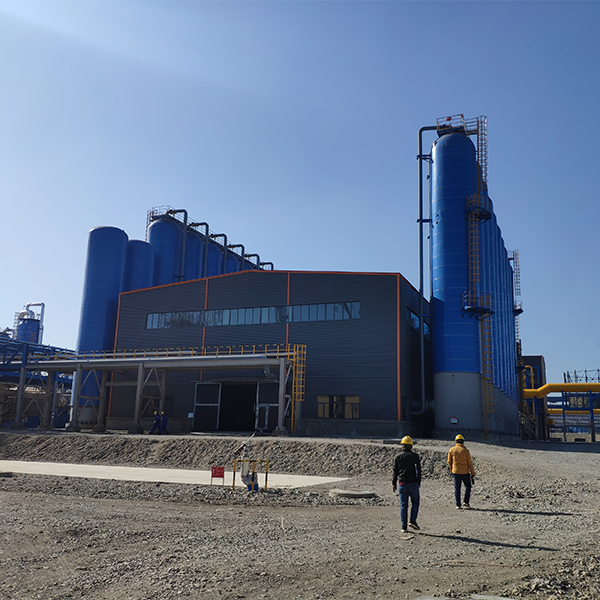 Hydrogen production by coal gasification
 -
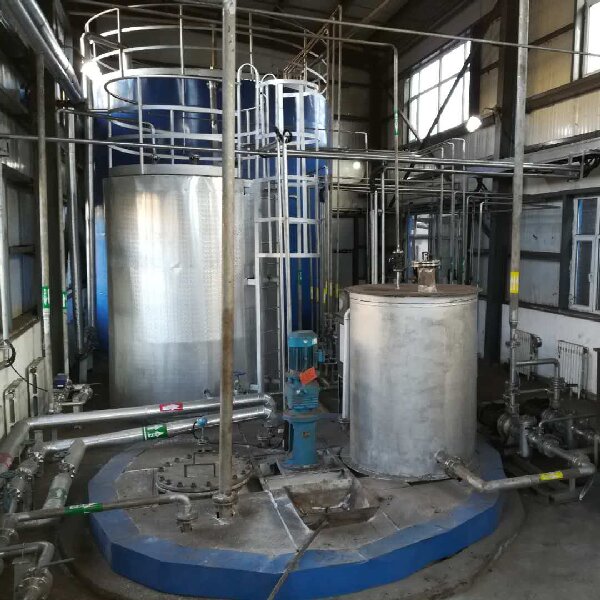 Flue gas denitrification SCR、SNC
Relatedsearch
Related Search- China Nitrogen production by pressure swing adsorption Main buyer country
- China buy valve factory
- Nitrogen production by pressure swing adsorption plant
- China Home Liquefied Natural Gas Manufacturer
- CO2 removal by pressure swing adsorption manufacturer
- China air conditioner valve Main buyer country
- Tablet adsorbent
- China Russian liquefied natural gas technology Exporter
- China Pressure Swing Adsorption Hydrogen Purification Technology Manufacturer
- China NHD CO2 Desulfurization and Removal Technology Supplier