

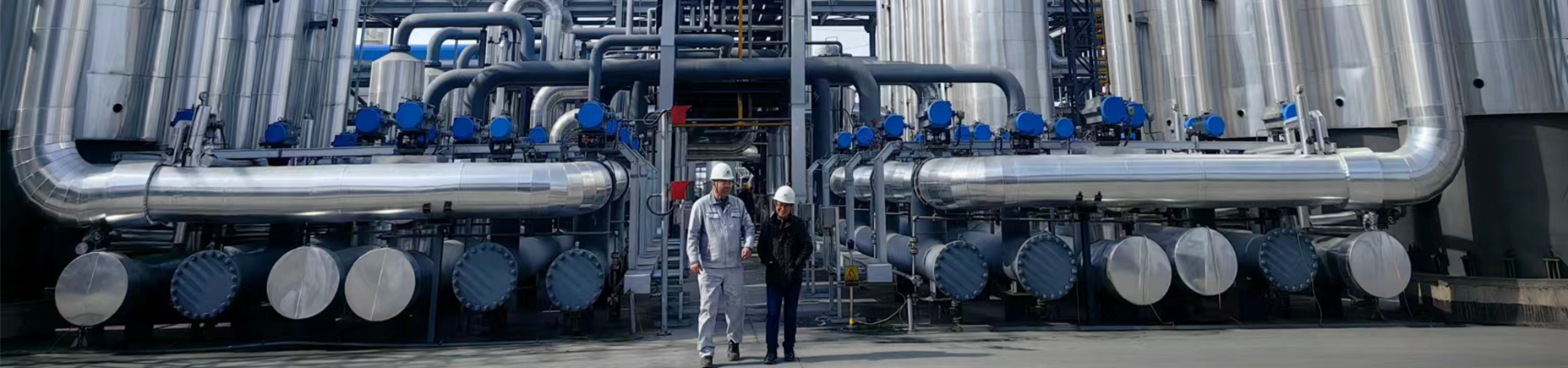
China natural gas liquefaction plant plant
Chinese liquefied natural gas plant
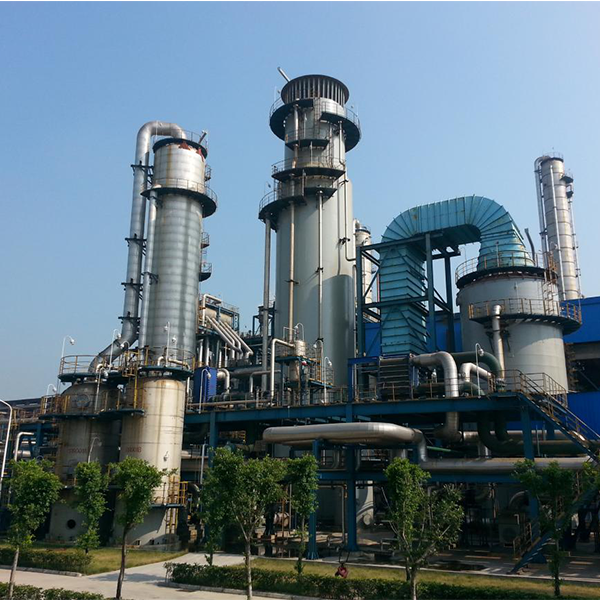
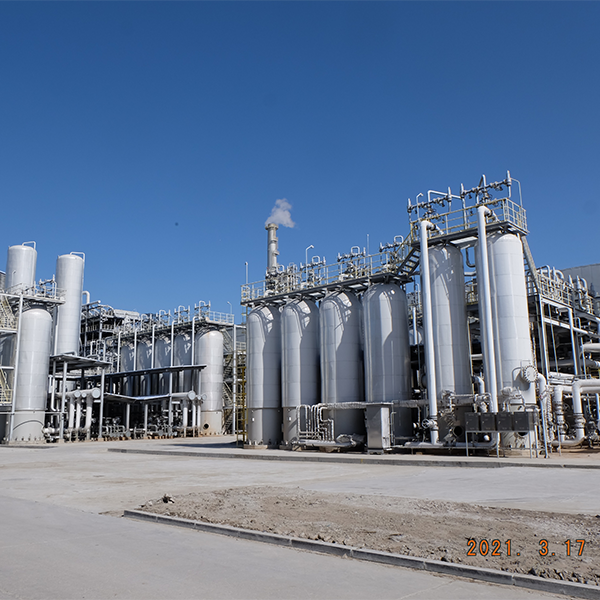
Liquefied natural gas (LNG) plants are complex and important facilities that play a key role in the global energy sector. They make it possible to store and transport natural gas in a liquefied state, which opens up new opportunities for its transportation over long distances, as well as for providing energy to regions remote from gas fields.
How does a liquefied natural gas plant work?
The process of liquefying natural gas is based on cooling it to very low temperatures. The gas extracted from the ground passes through a multi-stage cooling system, where the temperature is gradually reduced. As a result, natural gas turns into a liquid, which takes up much less space than in its gaseous state. This allows it to be transported over long distances in special tankers. The entire process requires huge investments and sophisticated technology. The plant employs specialists who ensure the safety and reliability of the equipment.
Advantages and importance of LNG plants
Natural gas liquefaction plants bring tangible benefits to many countries. First, they provide access to natural gas where there are no deposits. Secondly, they contribute to the development of international trade in energy resources. Third, it promotes energy security by providing alternative energy sources. It is important to understand that liquefied natural gas is not just a technology, but a way to provide energy to millions of people and support the economy.
Difficulties and challenges faced by liquefied natural gas plants
Despite their enormous benefits, LNG plants also face certain challenges. For example, the high costs of construction and maintenance of such facilities. In addition, it is necessary to consider the environmental consequences associated with the production and transportation of natural gas, as well as the potential risks of accidents. Modern cleaning and safety technologies are constantly being improved to reduce these risks. The question of the balance between economic benefit and environmental responsibility remains one of the key ones for this type of production.
Correspondingproducts
Related Products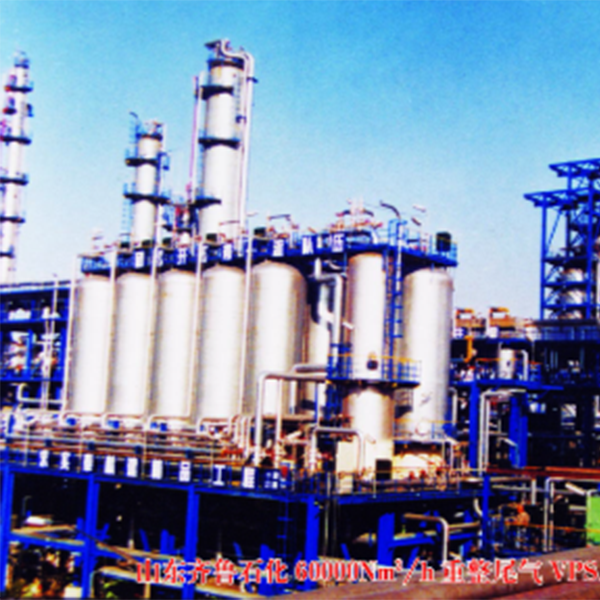
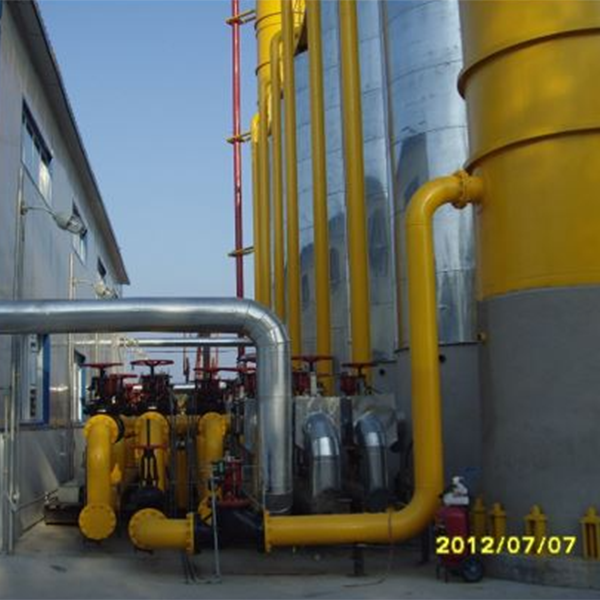
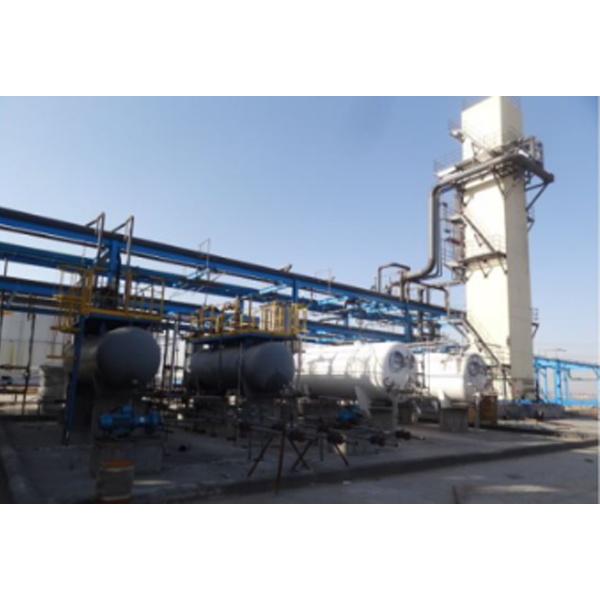

Best Sellingproducts
Best Selling Products-
 Coal gas organic sulfur fine removal technology
 -
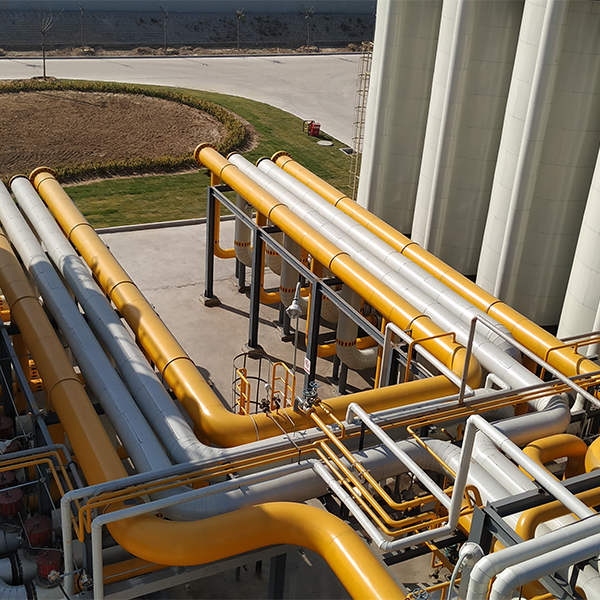 Coke gas purification technology
 -
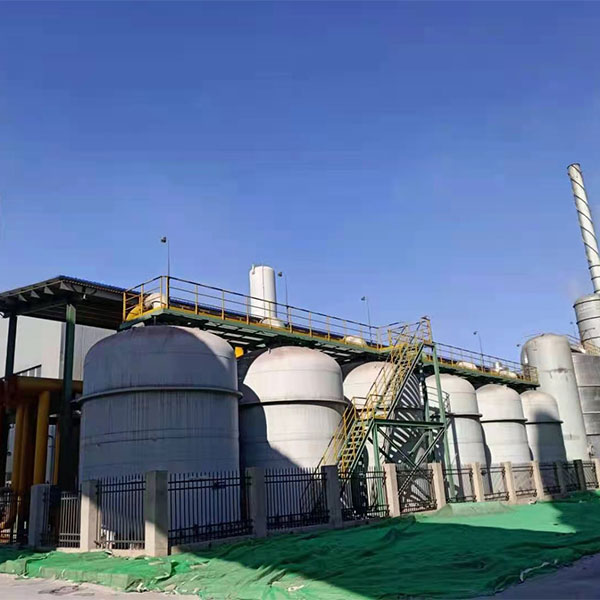 CO2 removal by pressure swing adsorption
 -
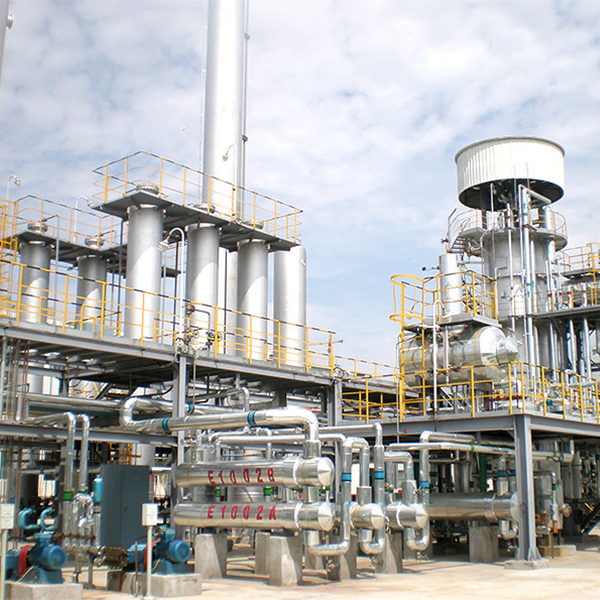 Hydrogen production by conversion of light hydrocarbons with steam
 -
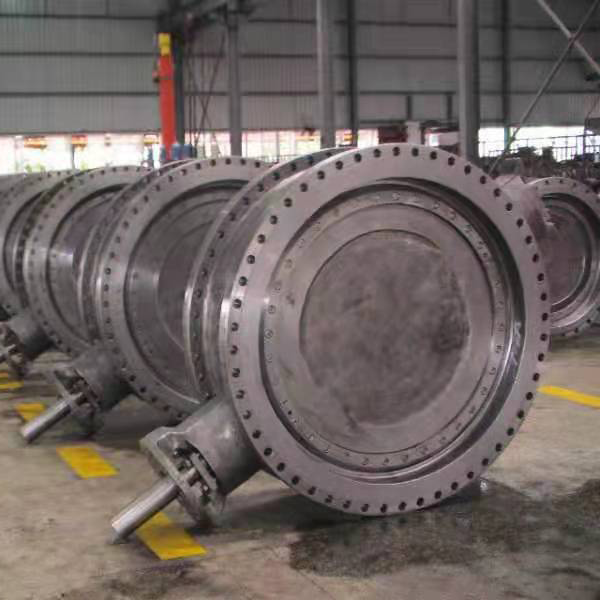 Valve
Valve -
 Argon purification
 -
 Hydrogen production by splitting methanol
 -
 Waste acid regeneration
 -
 Oxygen purification and utilization
 -
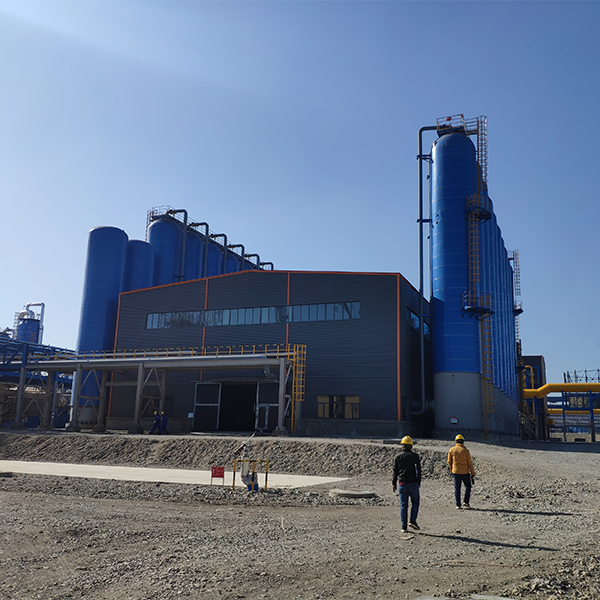 Hydrogen production by coal gasification
 -
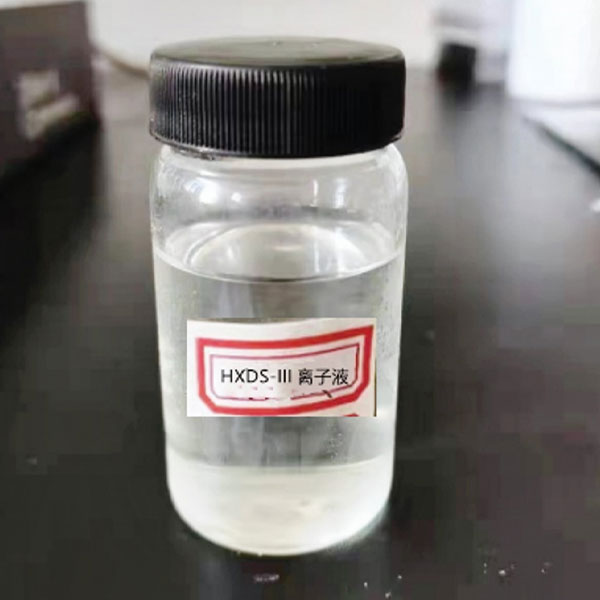 Ionic liquid desulfurizer
 -
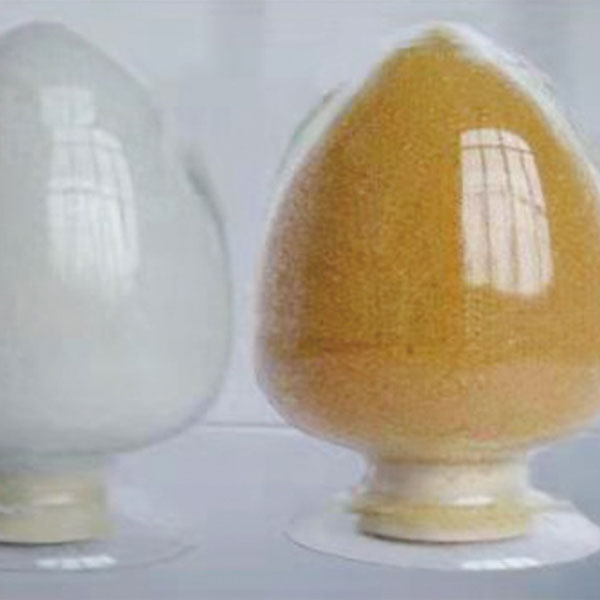 Unit desalting and demineralization equipment and special resin