

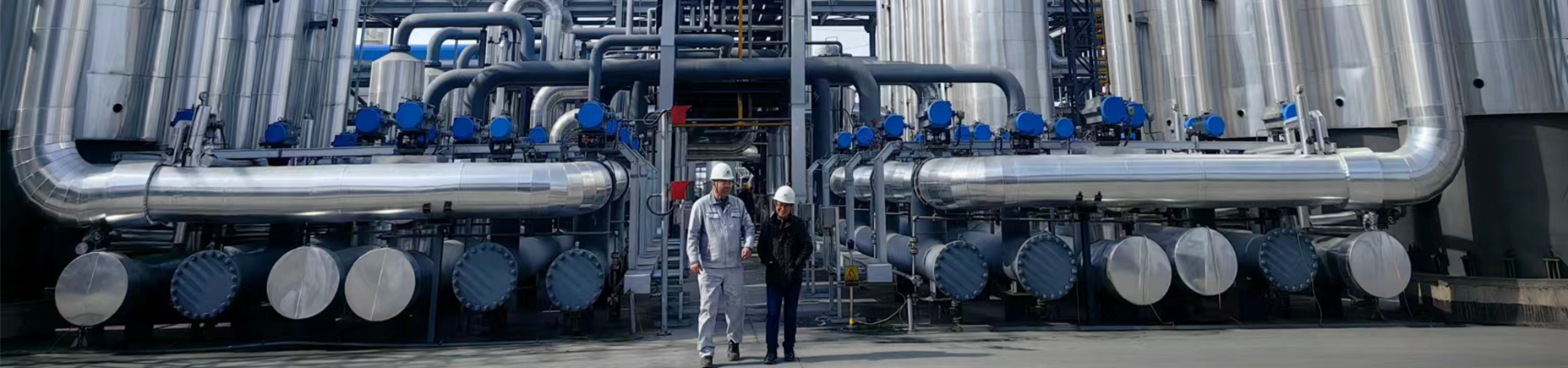
China Flue gas CO2 recovery technology Main buyer country
Chinese technology for recycling CO2 from flue gases: Main buyer country
China is actively developing technologies for capturing and storing carbon dioxide (CO2) from industrial flue gases. This process, often called CO2 capture, transport and storage (CCS), is becoming a key element in the fight against climate change. The large volumes of CO2 emissions from energy and industrial facilities in China create a need for innovative solutions. Therefore, China is becoming not only the largest producer, but also the most important market for CO2 recycling technologies, actively investing in their development and implementation.
Benefits of CO2 recovery technologies
Technologies for capturing CO2 from flue gases can reduce greenhouse gas emissions, which is of great importance for preserving the environment. They are based on various methods such as adsorption, absorption and membrane technologies. Capturing CO2 helps reduce anthropogenic pressure on the climate and, in the long term, may even lead to the creation of new products and materials based on the captured CO2. This, in turn, creates new jobs and stimulates economic development.
Practical application of technology
The use of these technologies can already be seen in various industries in China. For example, they are used in large power plants to reduce CO2 emissions produced during fuel combustion. These technologies are also being implemented in the metallurgical industry, where CO2 is generated during the production of steel and other metals. Such enterprises are interested in reducing environmental damage and improving their image. This contributes to a more sustainable development of the industry and makes it more attractive to investors.
Prospects and challenges
The future of CO2 recovery technology in China looks promising. Scientists and engineers are constantly working to improve processes, increase their efficiency and reduce costs. However, there are certain challenges on the way to widespread implementation. These are primarily the high energy consumption of some CO2 capture technologies, as well as the cost of the infrastructure required to transport and store the captured CO2. But given the seriousness of the problem, government investment and research support will gradually overcome these difficulties.
Correspondingproducts
Related Products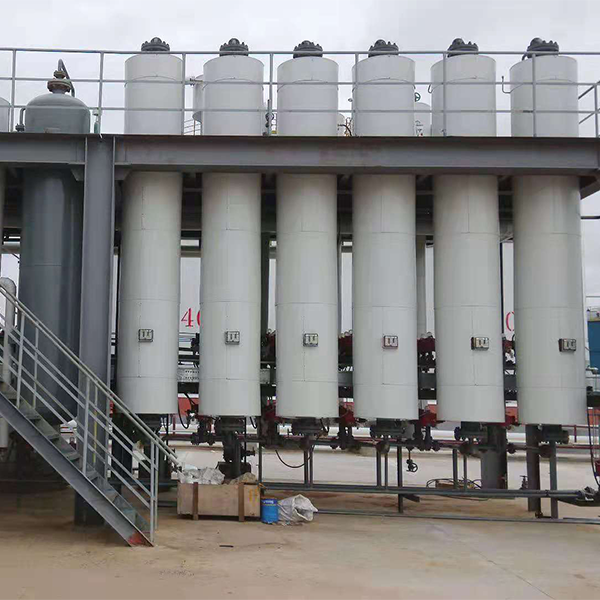
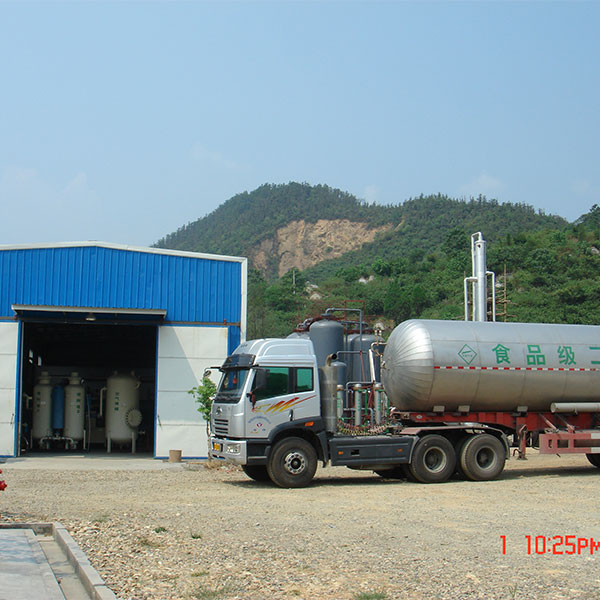
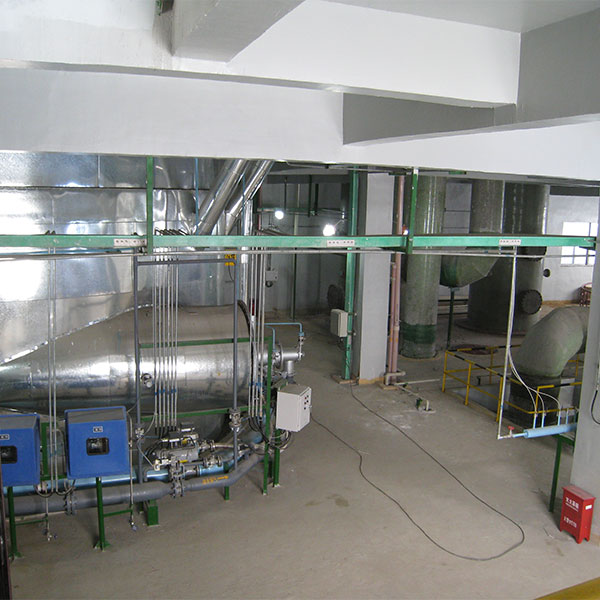

Best Sellingproducts
Best Selling Products-
 Flue gas CO2 recovery technology
 -
 Hydrogen production by coal gasification
 -
 MEA-MDEA-NHD Desulfurization Technology
 -
 Oxygen production by pressure swing adsorption
 -
 Waste acid regeneration
 -
 Oxygen purification and utilization
 -
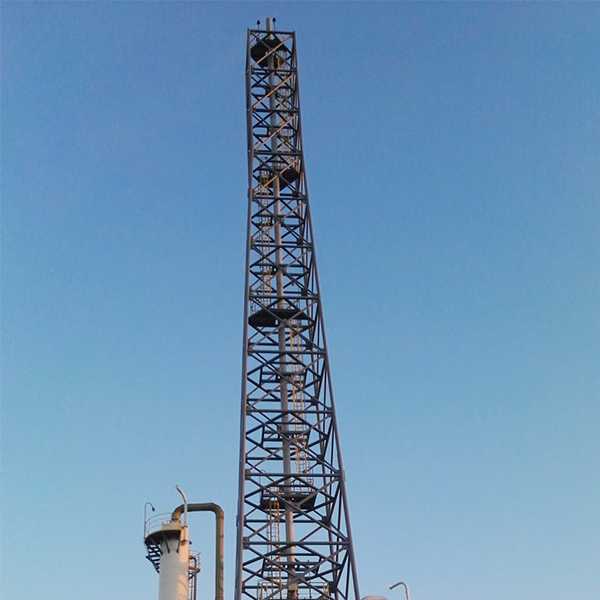 Technology of desulfurization and CO2 removal using NHD method
 -
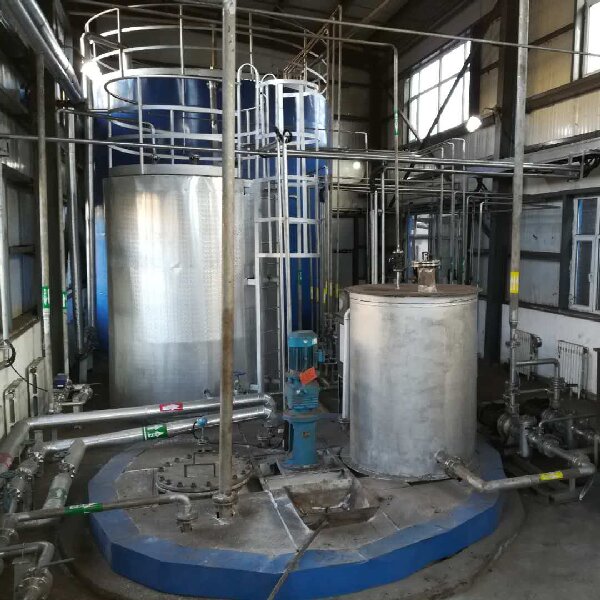 Flue gas denitrification SCR、SNC
 -
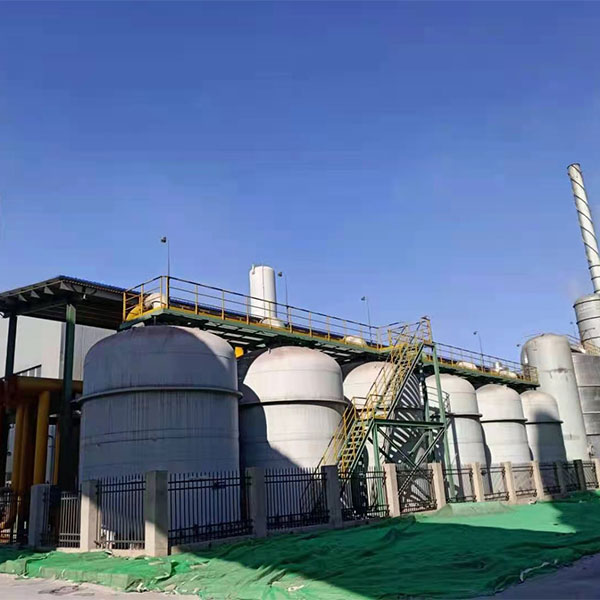 CO2 removal by pressure swing adsorption
 -
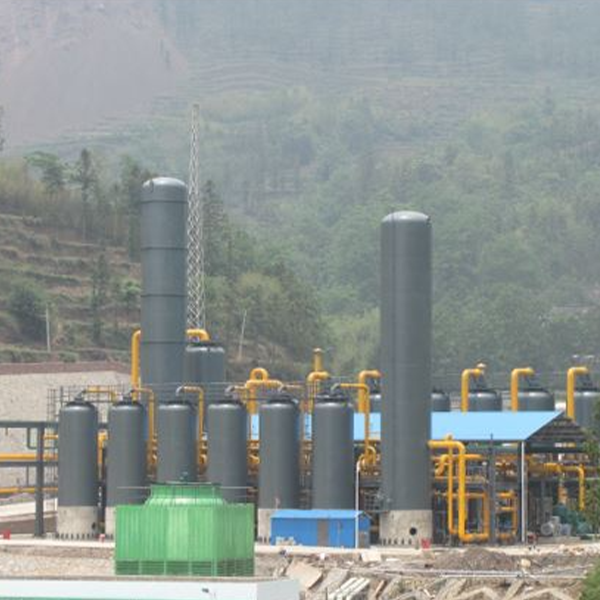 Methane extraction technology - biogas
 -
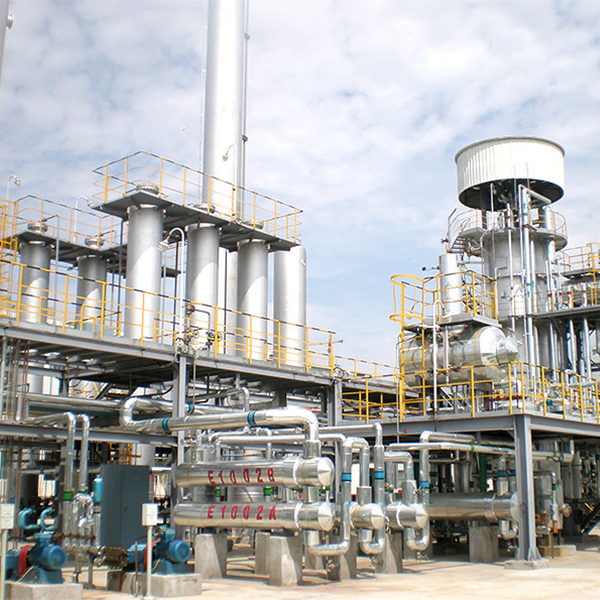 Hydrogen production by conversion of light hydrocarbons with steam
 -
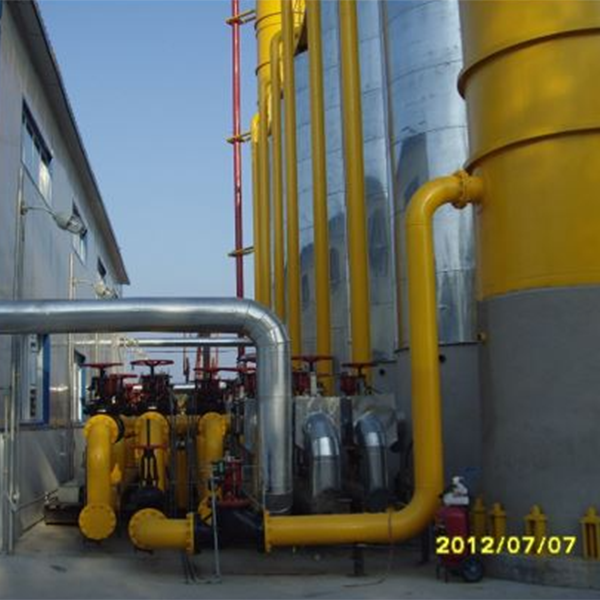 Vinyl chloride recycling technology
Relatedsearch
Related Search- China adsorbent application factory
- China Nitrogen production by pressure swing adsorption price
- China Pressure Swing Adsorption Nitrogen Production Factory
- China Air Conditioner Valve Supplier
- China sorbent adsorbent exporters
- China fuel valve factories
- China Valve Suppliers
- China Natural Gas Liquefaction Process Manufacturer
- China production of adsorbents Manufacturer
- China liquefied natural gas plant Main buyer country