

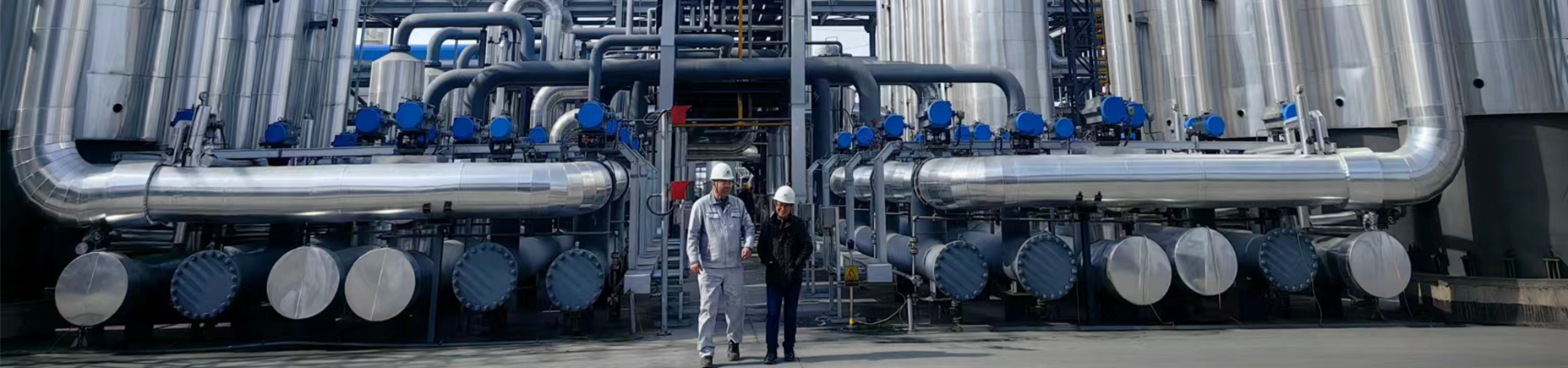
Technology for desulfurization and CO2 removal using the NHD method wholesale
Technology for desulfurization and CO2 removal using the NHD method wholesale
The NHD method (often short for Nano-Chemical Dynamic) is an innovative technology that effectively and economically removes hydrogen sulfide (H2S) and carbon dioxide (CO2) from a variety of streams such as natural gas, combustion gases and other industrial gases. This method is increasingly used in various industries where it is necessary to purify gases from harmful impurities. Unlike outdated methods, NHD does not require huge installation areas and also guarantees higher efficiency and less negative impact on the environment.
How NHD technology works
NHD technology is based on the use of unique nanomaterials capable of selectively adsorbing molecules of hydrogen sulfide and carbon dioxide. These nanomaterials are created through complex chemical processes to achieve high efficiency and long service life. In a simplified view, the gas passes through a system with nanomaterials that “capture”? harmful impurities, leaving clean gas. Further, these nanomaterials can be recovered and reused, significantly reducing costs and waste.
Advantages of Wholesale NHD Application
The wholesale application of NHD technology opens up many benefits for industrial plants. Firstly, it significantly reduces gas purification costs per unit volume. Secondly, thanks to process scaling, the technology can achieve high productivity and, as a result, reduce the processing time of large volumes of gas. Thirdly, wholesale purchase of materials and equipment also allows you to reduce the price of equipment as a whole. Finally, NHD helps improve production efficiency and reduce negative environmental impacts by significantly cleaning up industrial emissions.
Prospects and conclusions
NHD technology has enormous potential to solve air pollution problems, especially in large-scale industrial processes. The development and implementation of wholesale methods will reduce costs, increase productivity and create a greener industry. We can confidently say that NHD is not just a technology, but a contribution to a future where production and the environment can exist in harmony.
Correspondingproducts
Related Products
Best Sellingproducts
Best Selling Products-
 Methane extraction technology - biogas
 -
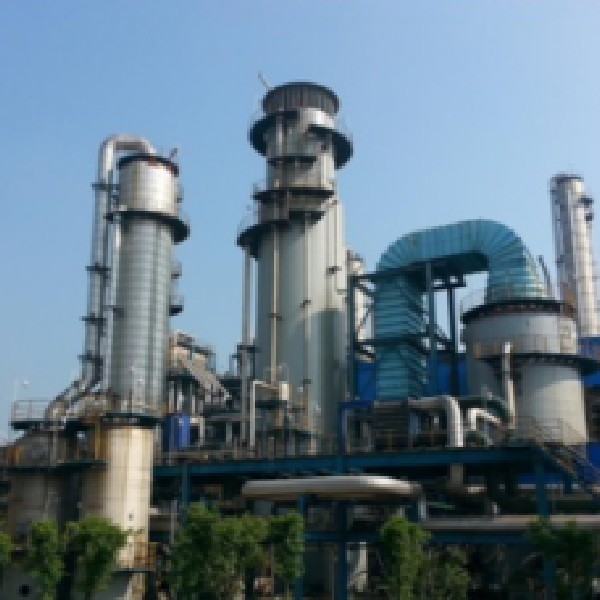 MPS decarbonization technology
 -
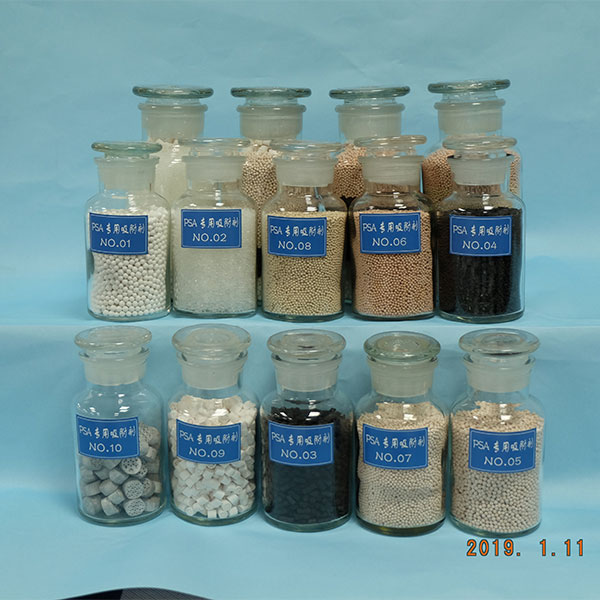 absorbent
 -
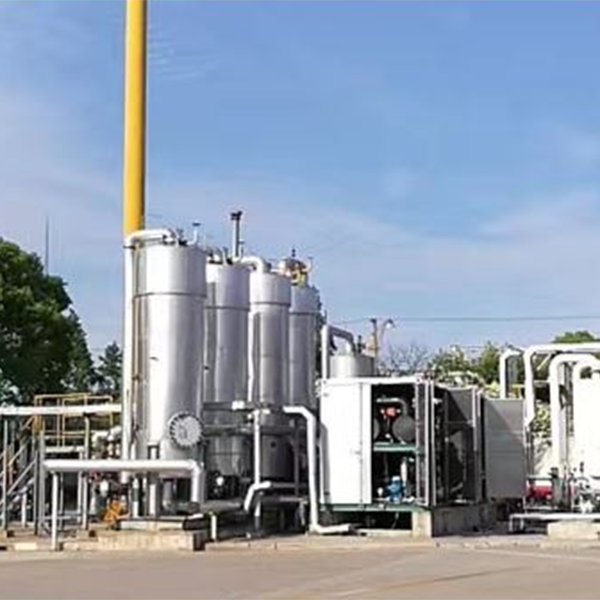 VOC tail gas disposal
 -
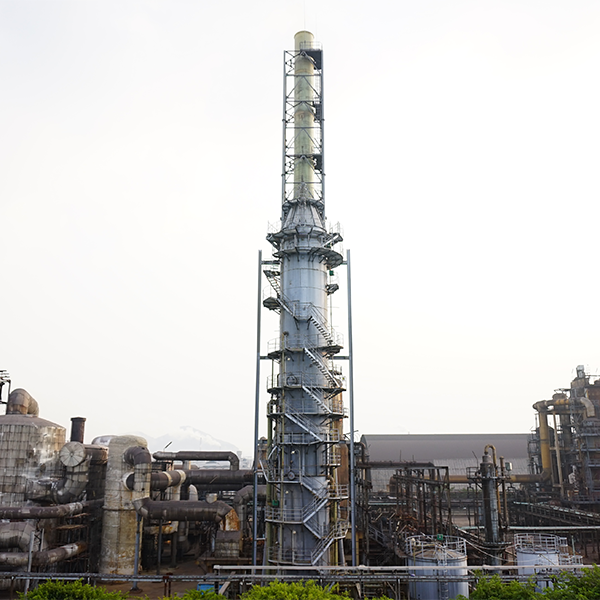 Flue gas desulfurization technology using ammonia
 -
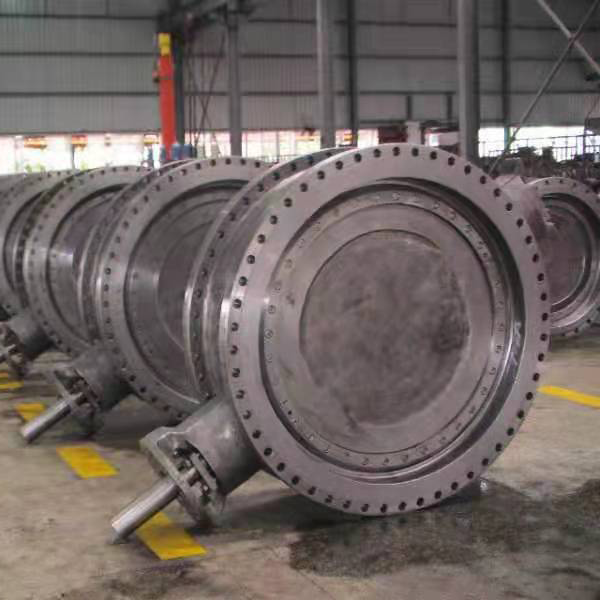 Valve
Valve -
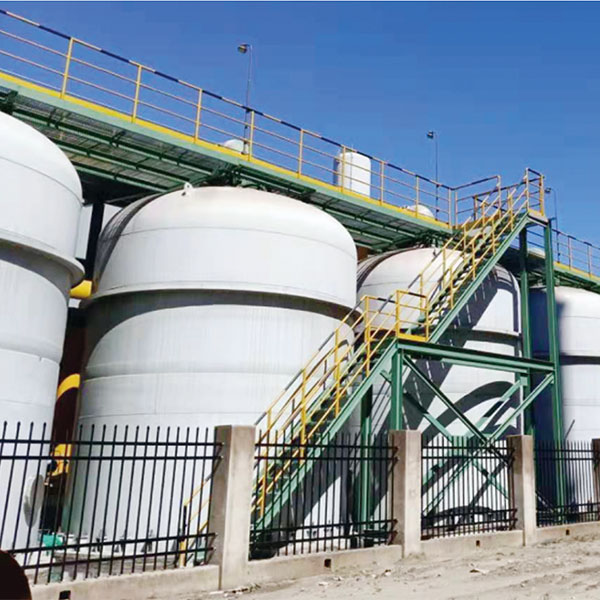 Flue gas CO2 recovery technology
 -
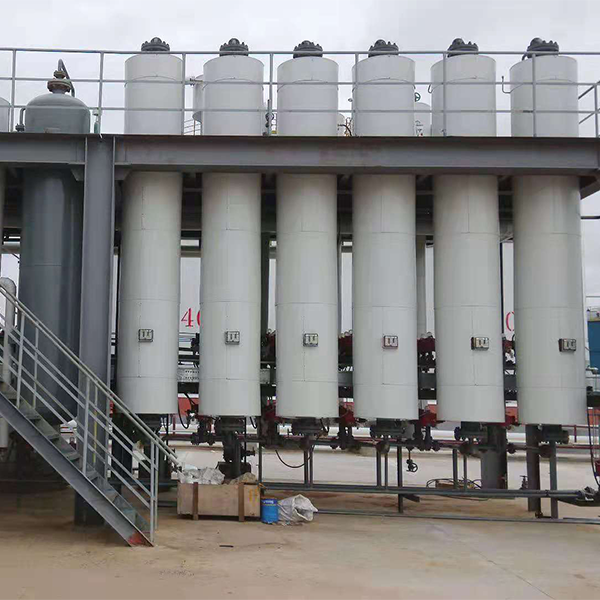 Hydrogen production by splitting methanol
 -
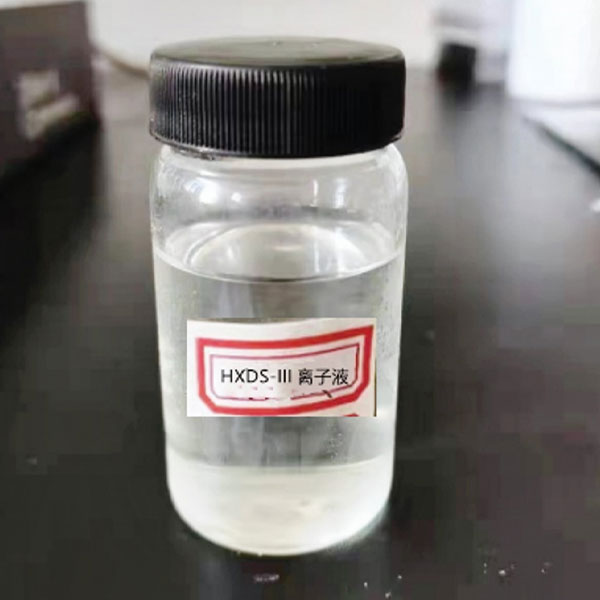 Ionic liquid desulfurizer
 -
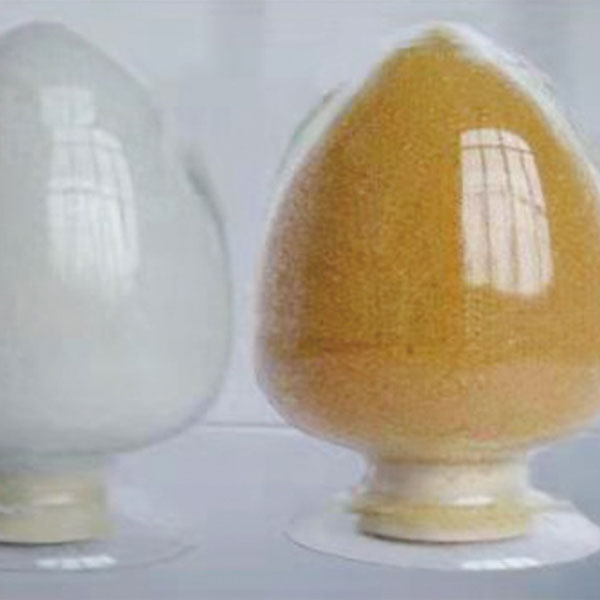 Unit desalting and demineralization equipment and special resin
 -
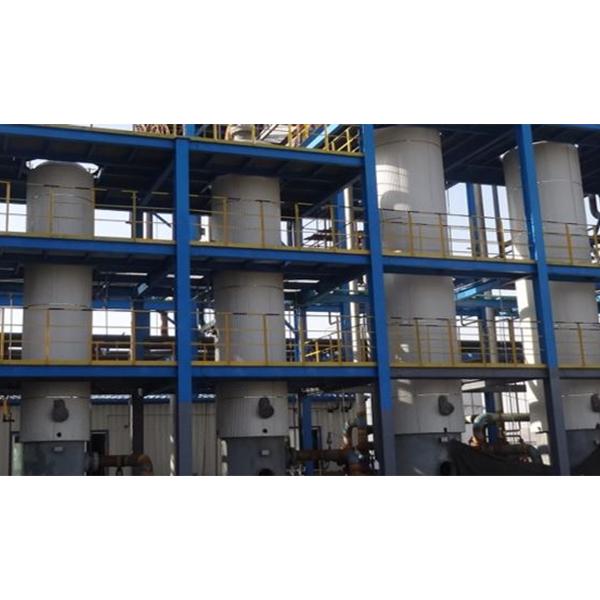 Coal gas organic sulfur fine removal technology
 -
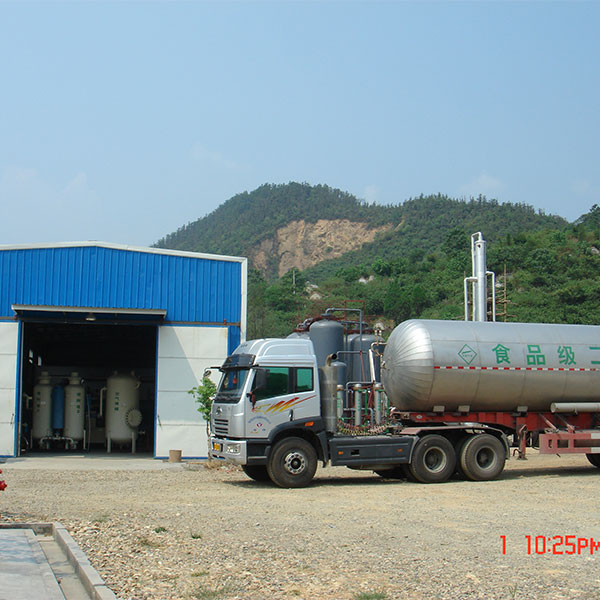 Food grade CO2 purified
Relatedsearch
Related Search- China adsorbents examples Manufacturer
- China Tail Gas Recycling VOC Exporters
- China Vinyl chloride recycling technology plant
- Desiccant desiccant
- China natural gas liquefaction pressure plant
- China Adsorbent Substance Suppliers
- China Technology of desulfurization and removal of CO2 by NHD method Exporter
- China O2 removal by pressure swing adsorption factories
- China Flue Gas CO2 Recovery Technology Suppliers
- China natural gas liquefaction process product