

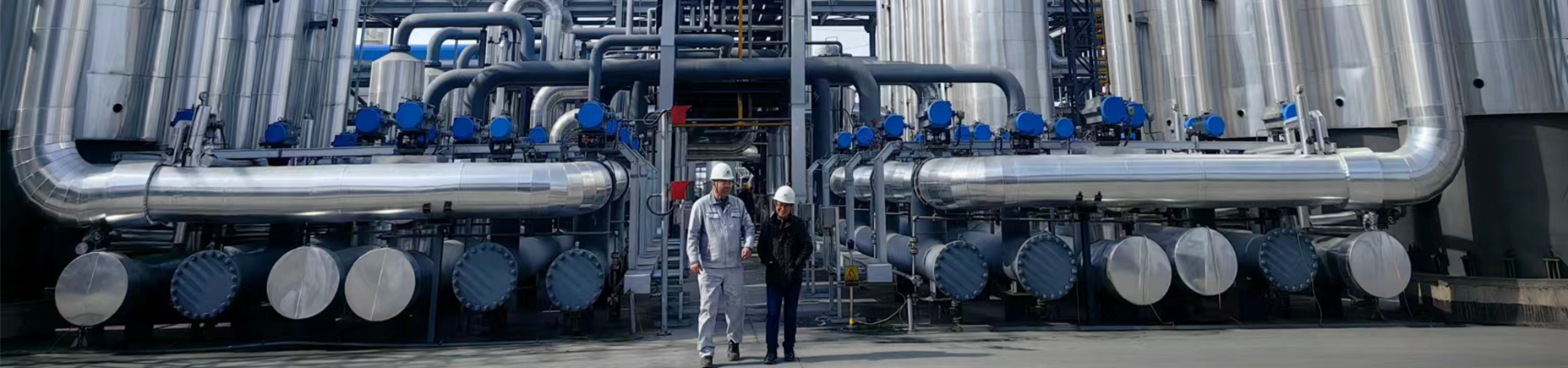
Food CO2 plant production technology
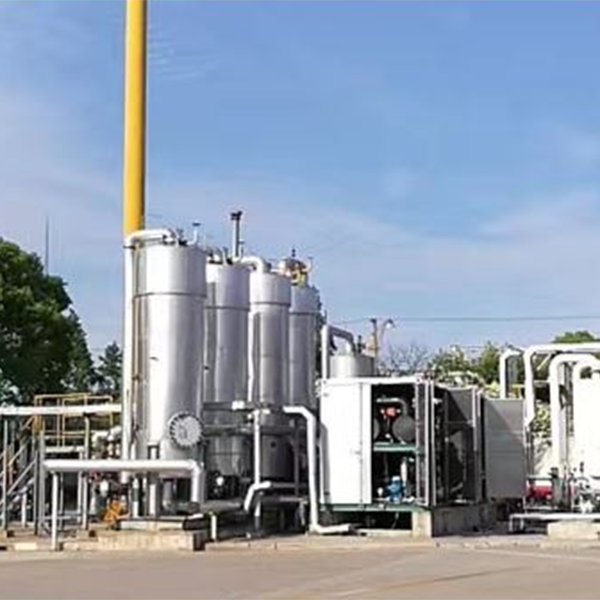
Food CO2 production technology at the plant
Food-grade CO2 is carbon dioxide used in the food industry for a variety of purposes, from creating fizzy drinks to keeping food fresh. The production of this gas requires special equipment and strict adherence to technological processes.
Raw materials and preparation
The production of food-grade CO2 is based on hydrocarbon raw materials, for example, natural gas. At the factory, it is first cleaned. It is important to remove all impurities that may affect the quality of the final product. It's like preparing ingredients for a delicious dish - you need to exclude all unnecessary components. After cleaning, the raw materials are supplied to a special installation, where they are burned with controlled air access.
The process of obtaining food CO2
As a result of controlled combustion of hydrocarbon raw materials, CO2 is formed. This gas is collected in special installations, where it goes through a series of purification and cooling stages. To ensure the quality of food grade CO2, rigorous testing is carried out to ensure that it does not contain harmful contaminants. Imagine clean, clear water that is carefully filtered to make it safe to drink - the same is true here. It is necessary to get rid of any remaining impurities.
Quality control and storage
Factory specialists constantly monitor the quality of the resulting food CO2. This ensures that all required safety and quality standards are met. After testing, the gas is stored in special pressure tanks. Thus, it is ready for use in the food industry. It is important to understand that this is a strictly controlled process, like any food production - each stage is important for the final result. Quality control is carried out at every stage, which is very important for food safety. The final product is clean, safe and high-quality carbon dioxide.
Correspondingproducts
Related Products
Best Sellingproducts
Best Selling Products-
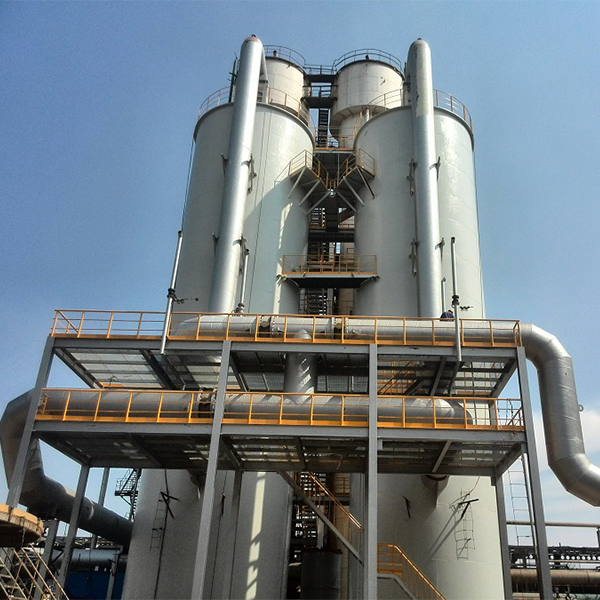 Desulfurization technology using the redox wet method
 -
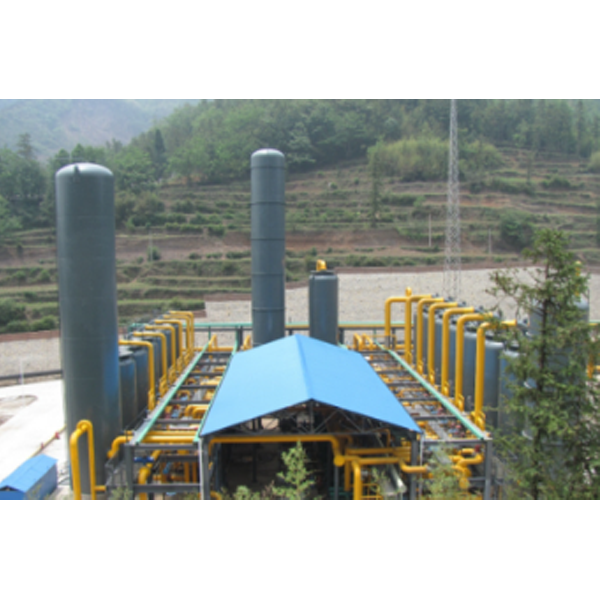 Methane extraction technology – coalbed methane
 -
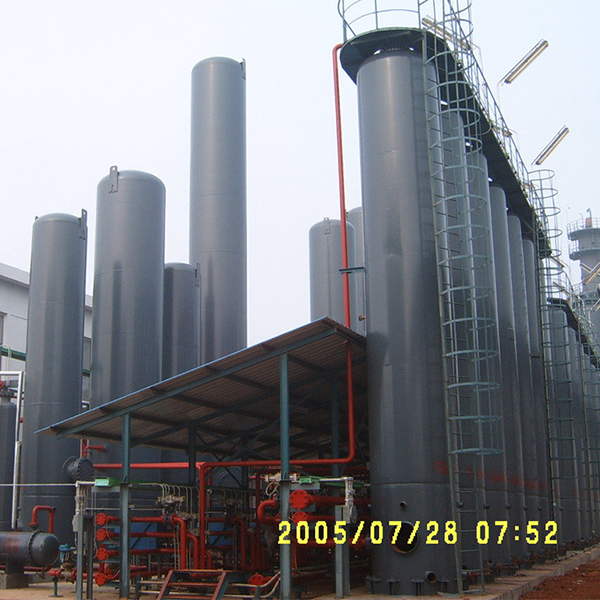 CO removal by pressure swing adsorption
 -
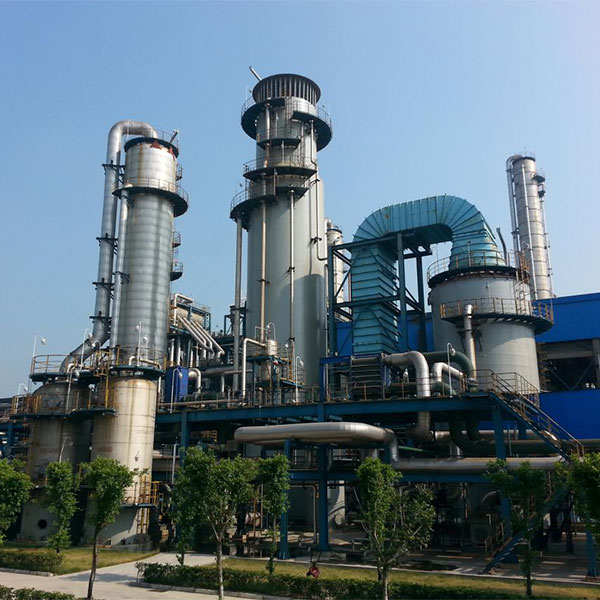 Wet CO2 removal technology
 -
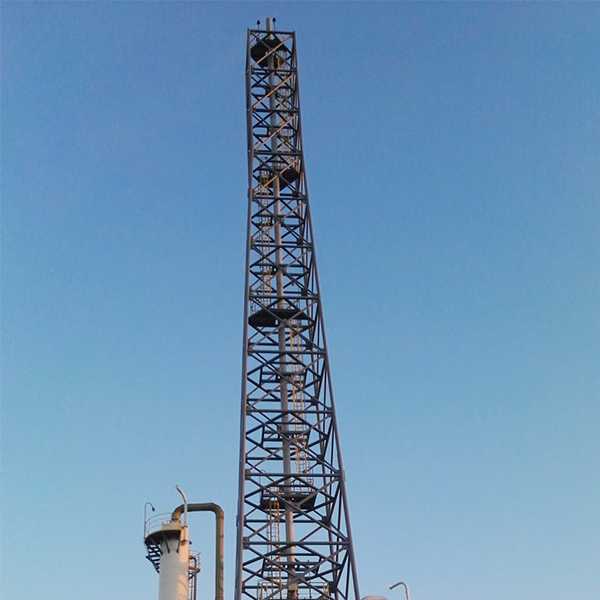 Technology of desulfurization and CO2 removal using NHD method
 -
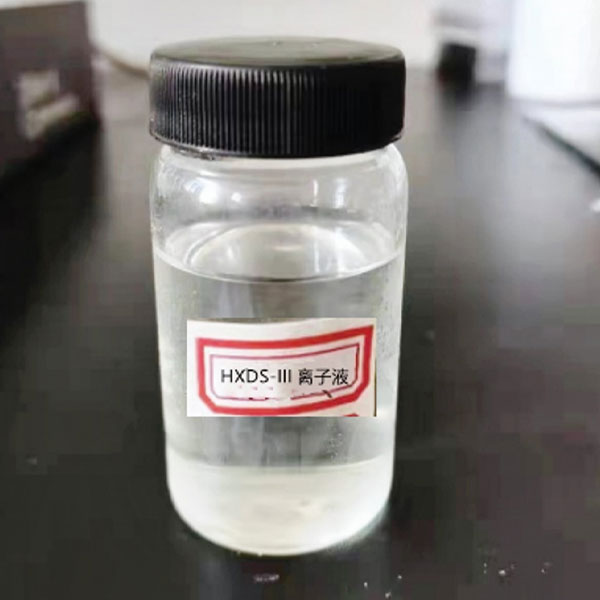 Ionic liquid desulfurizer
 -
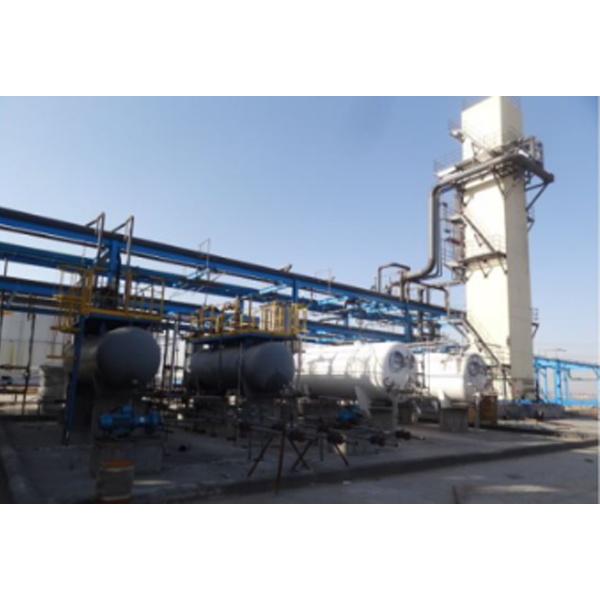 Liquefaction of natural gas
 -
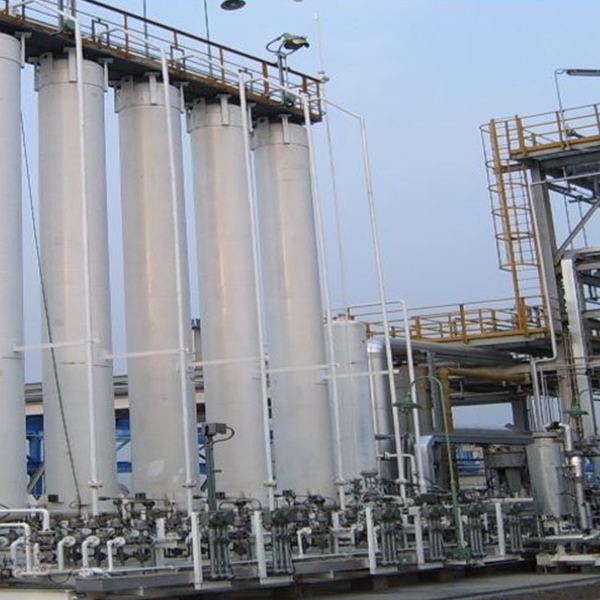 Argon purification
 -
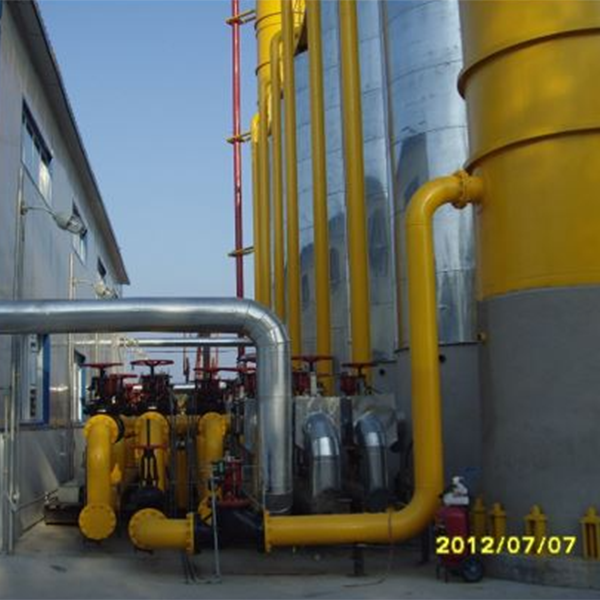 Vinyl chloride recycling technology
 -
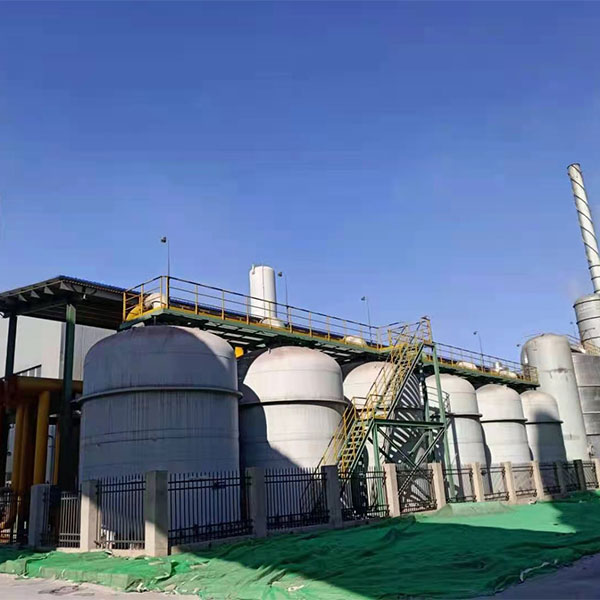 CO2 removal by pressure swing adsorption
 -
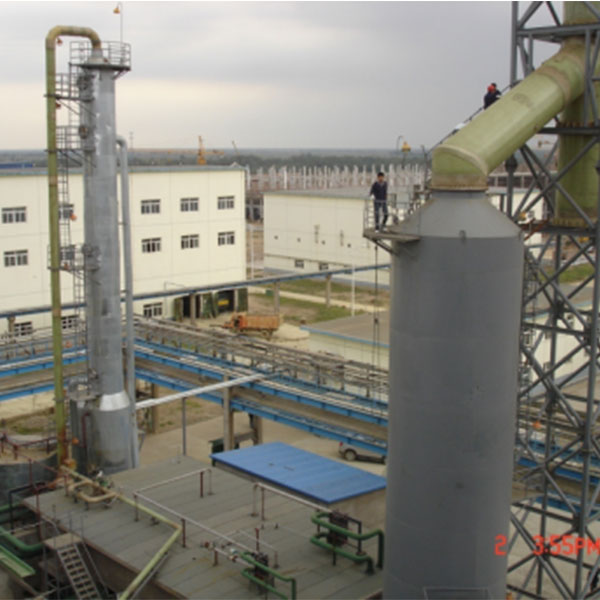 Ionic liquid desulfurization technology
 -
 VOC tail gas disposal
Relatedsearch
Related Search- China Waste acid regeneration price
- China adsorbent tablets Main buyer country
- China liquefied natural gas what is it called Manufacturers
- China Wet redox desulphurization technology product
- China Ionic Liquid Desulfurizer Products
- China Flue Gas Denitrification SCR、SNC Exporter
- China sorbent adsorbent Main buyer country
- China food adsorbent Main buyer country
- China Kamaz valve Exporter
- China MEA/MDEA/NHD Desulfurization Technology Main Buyer Country