

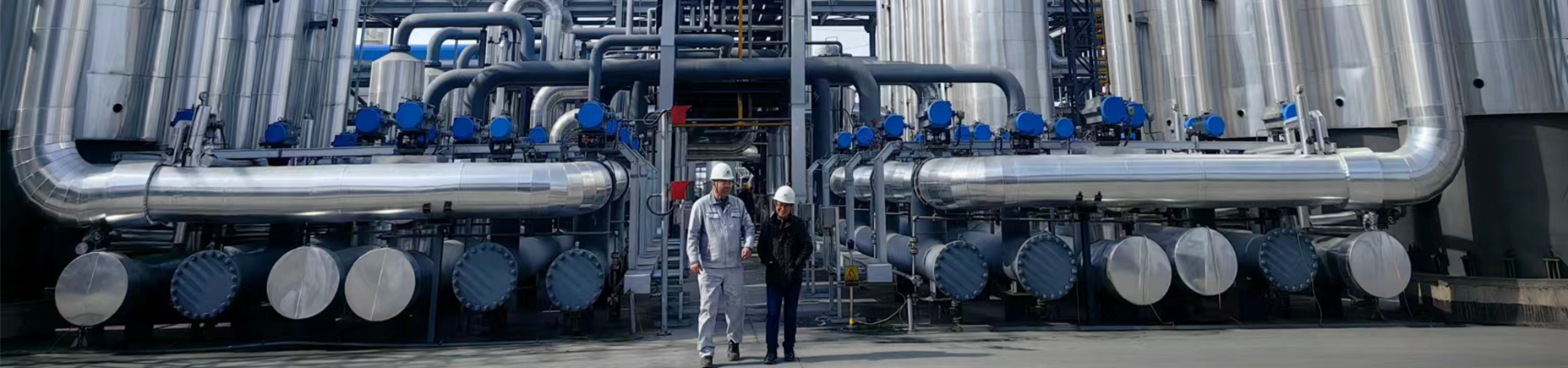
argon purification units
Argon purification plant
Argon is an inert gas, indispensable in various industries, from metallurgy to welding. However, whether it comes from natural sources or as a by-product of other processes, argon does not always meet the required purity standards. In such cases, argon purification units come to the rescue. Think of argon as a gemstone - it needs to be cut and refined to reveal its full properties. A purification plant is like a jewelry workshop where the argon gas is carefully processed to make it pure and usable.
Basic operating principles of the installation
The argon purification process is based on removing impurities that can negatively affect its properties. These impurities, such as oxygen, nitrogen and other gases, may be present in varying concentrations. The plant uses various technologies, such as adsorption, absorption or membrane separation. Imagine that these technologies are filters with different abilities to catch “dirt?” in argon. Depending on the required purity of argon, the installation selects the optimal cleaning method. Simply put, different filters help catch different types of impurities.
Types of installations and their applications
Different cleaning systems are suitable for different tasks. For example, welding may require argon of very high purity, eliminating any impurities that would affect the quality of the weld. In other cases, a lower purity level is sufficient, for example for filling electronic devices. Like different jewelry shops, there are different installations, each of which is individually selected to suit the client’s needs. The choice of a specific installation depends on the volume of argon required, its purity, productivity and financial capabilities.
Benefits of using treatment plants
The use of argon purification plants has a number of undeniable advantages. First, the increased purity of argon ensures the stability and high quality of the process in which it is used. Imagine that pure argon is a guaranteed correct result. Secondly, it prevents the negative impact of impurities on equipment and the process. Thirdly, it saves resources because it allows argon to be used more efficiently, avoiding losses and waste. Purified argon is an investment in quality production and savings. Ultimately, an argon purification unit is an investment in reliability, efficiency and savings.
Correspondingproducts
Related Products

Best Sellingproducts
Best Selling Products-
 CO2 removal by pressure swing adsorption
 -
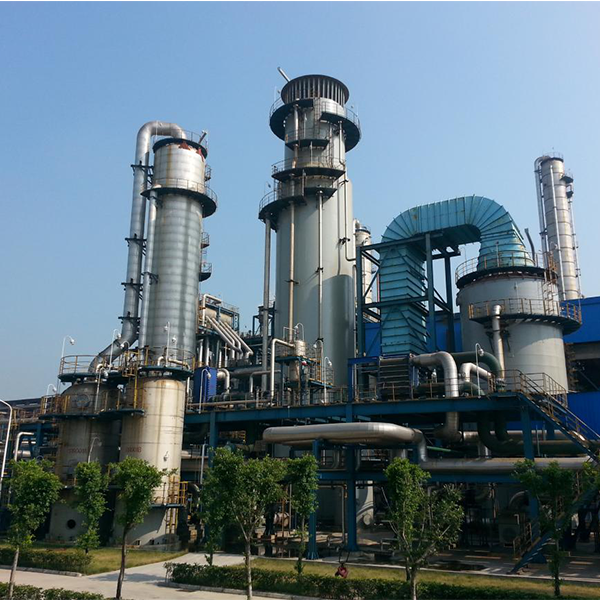 MEA-MDEA-NHD Desulfurization Technology
 -
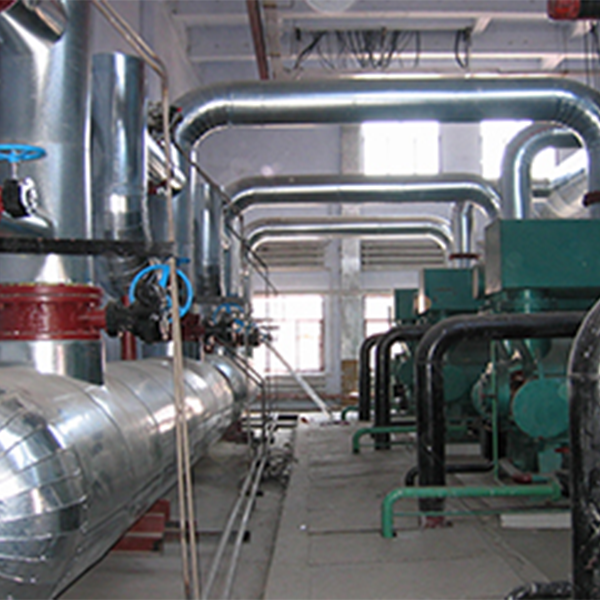 Oxygen production by pressure swing adsorption
 -
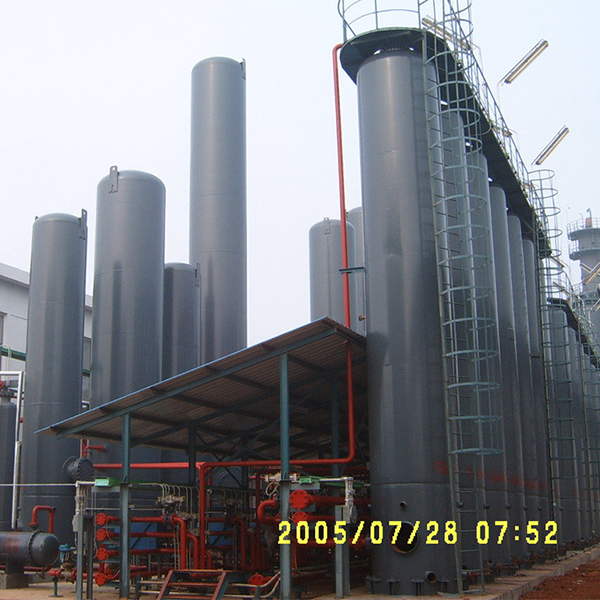 CO removal by pressure swing adsorption
 -
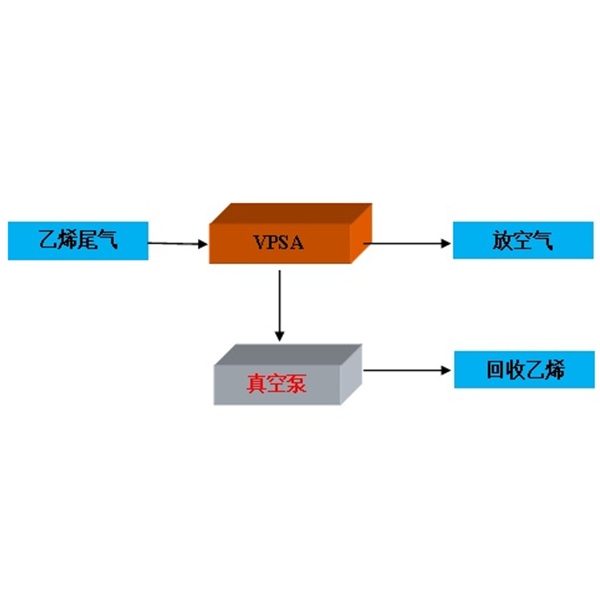 Ethylene tail gas recovery
 -
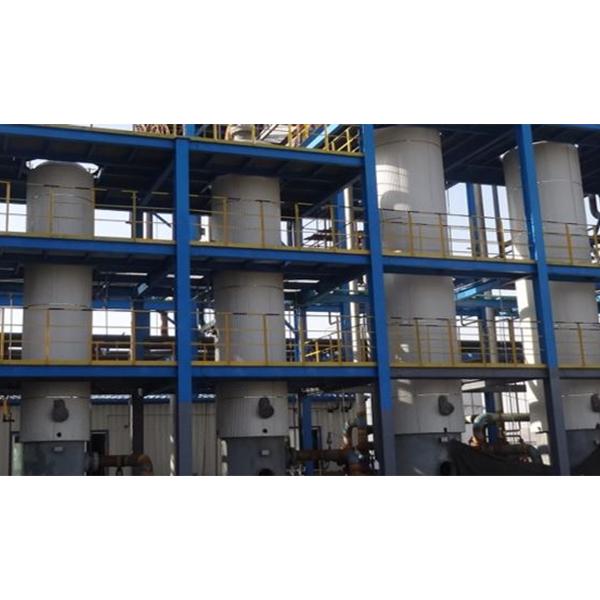 Coal gas organic sulfur fine removal technology
 -
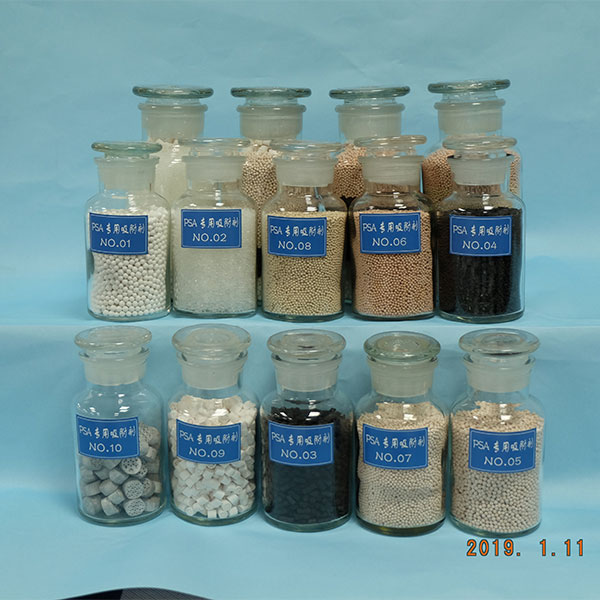 absorbent
 -
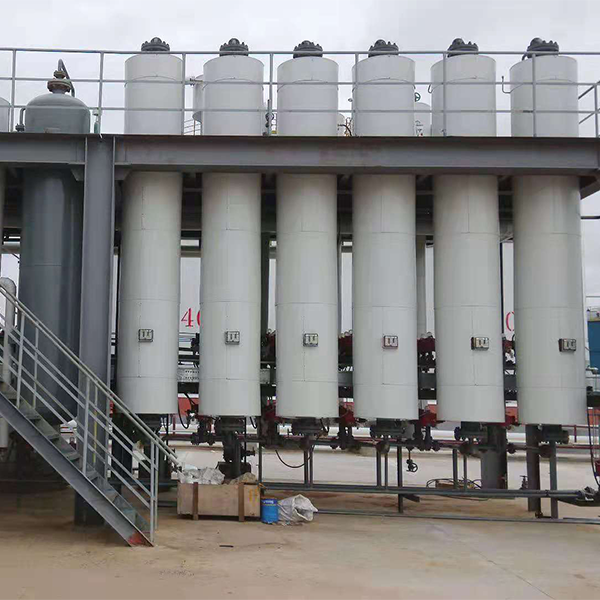 Hydrogen production by splitting methanol
 -
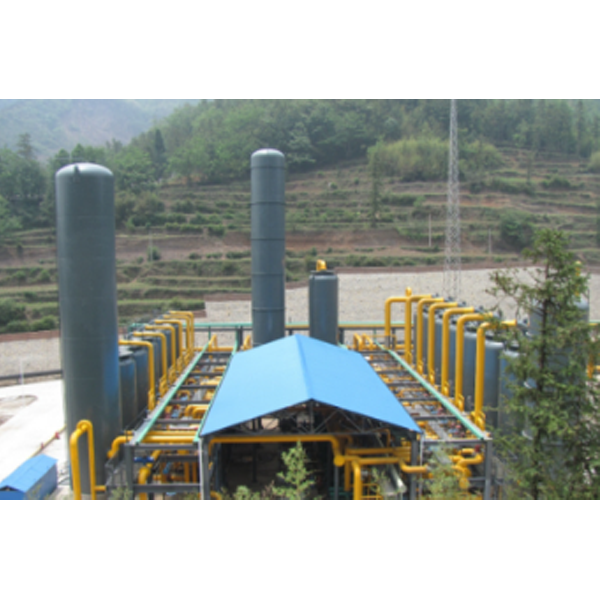 Methane extraction technology – coalbed methane
 -
 Valve
Valve -
 MPS decarbonization technology
 -
 Hydrogen production by conversion of light hydrocarbons with steam
Relatedsearch
Related Search- China methods of natural gas liquefaction plants
- Buy butterfly valve
- adsorbent price
- China natural gas liquefaction equipment price
- China adsorbent production Manufacturers
- China Natural Gas Liquefaction Unit Supplier
- China compressor valve factory
- China adsorbents activated carbon factories
- China ventilation valve Main buyer country
- China Food Adsorbent Manufacturers