

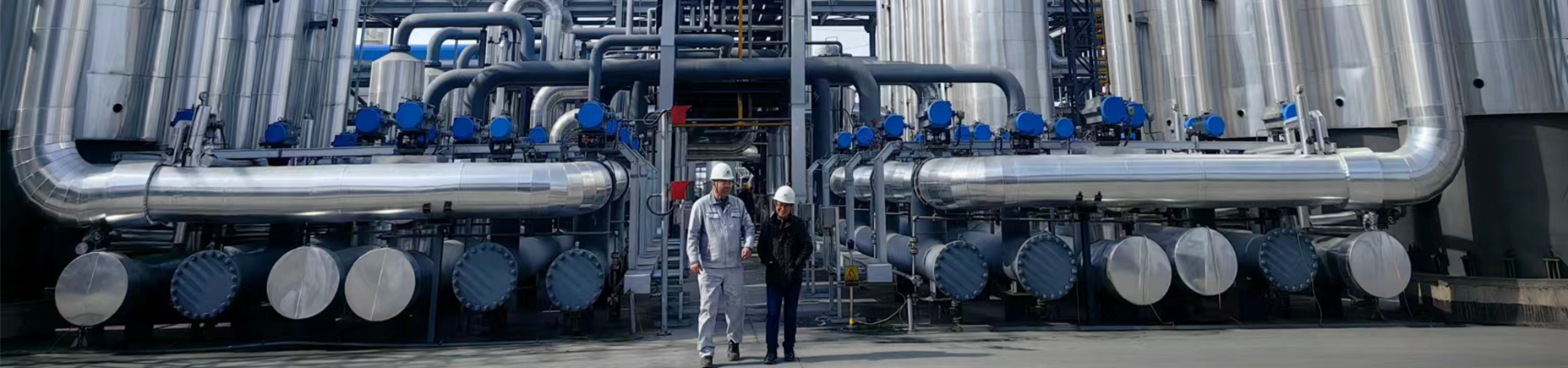
carbon adsorbent
Coal is an adsorbent: an assistant in different areas of life
Coal, this seemingly simple material, actually has amazing properties. It acts as an effective adsorbent - a substance that can absorb other substances on its surface. This property is used in a variety of applications, from water purification to environmental protection. Think of coal as a small sponge that can absorb harmful impurities.
Application of coal in water purification
One of the most common uses of carbon as an adsorbent is water purification. Activated carbon is often added to water filters. This coal, processed in a special way, has much greater absorption capacity than regular coal. It traps various harmful substances such as chlorine, heavy metals and organic compounds, making the water safe to drink. Thanks to this property, coal is an indispensable assistant in the fight against water pollution.
Coal in air purification and other areas
In addition to water, coal is also used for air purification. It is used in ventilation systems, filtering devices that mask odors and remove harmful substances. It also finds uses in medicine, for example in the manufacture of certain pharmaceuticals and as a material for filters in medical devices. Coal is also becoming an indispensable adsorbent in industry – for gas purification and in various technological processes.
Advantages and disadvantages of using coal as an adsorbent
Coal as an adsorbent has a number of advantages: it is relatively inexpensive, effective in combating pollution and relatively easy to use. However, this method also has disadvantages. Coal can become saturated with harmful substances and cease to be effective. Also, its use often requires additional processing or regeneration. But despite this, its versatility and efficiency make coal an indispensable assistant in various areas of human activity.
Correspondingproducts
Related Products

Best Sellingproducts
Best Selling Products-
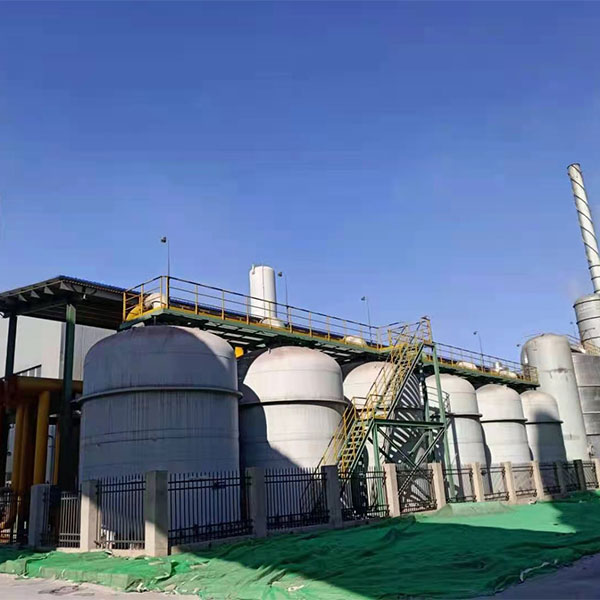 CO2 removal by pressure swing adsorption
 -
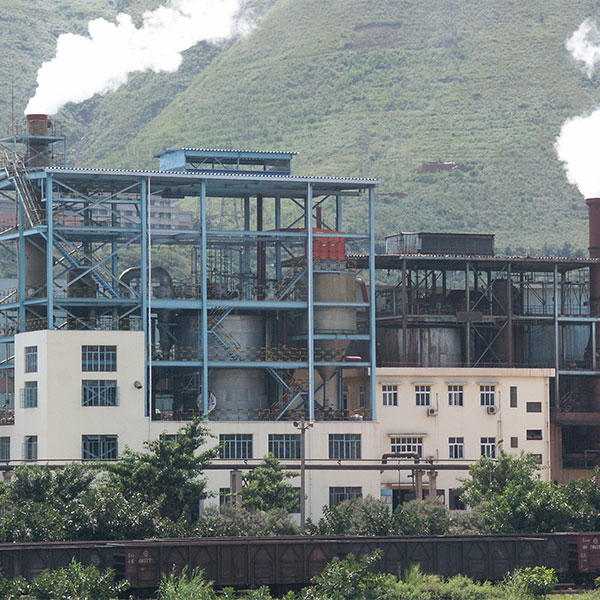 Waste acid regeneration
 -
 Methane extraction technology – coalbed methane
 -
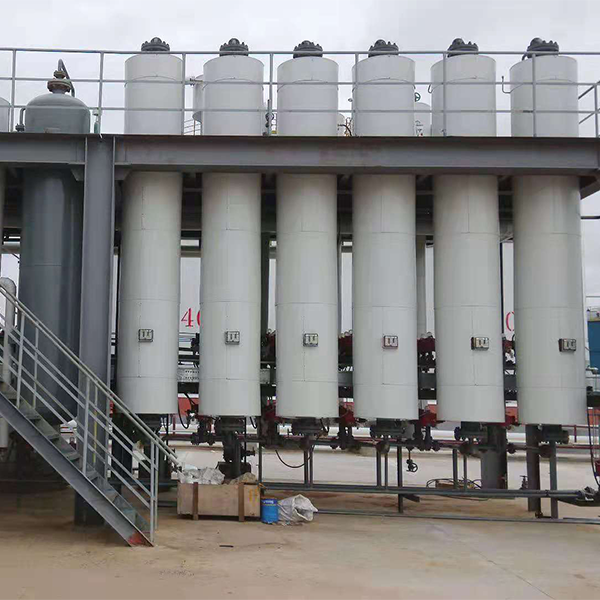 Hydrogen production by splitting methanol
 -
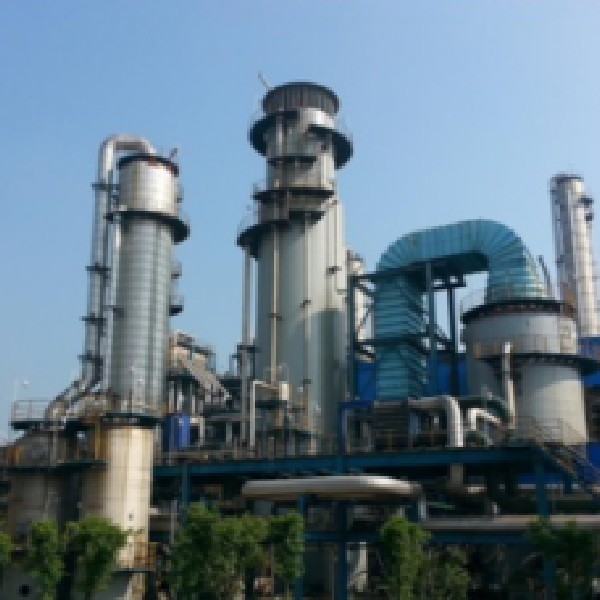 MPS decarbonization technology
 -
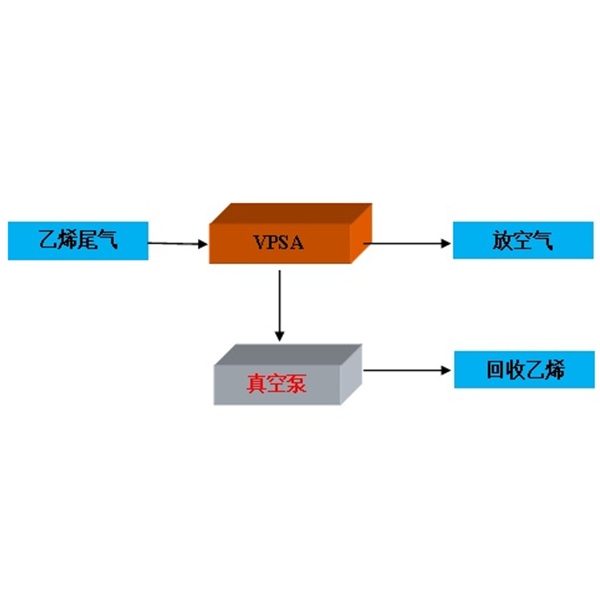 Ethylene tail gas recovery
 -
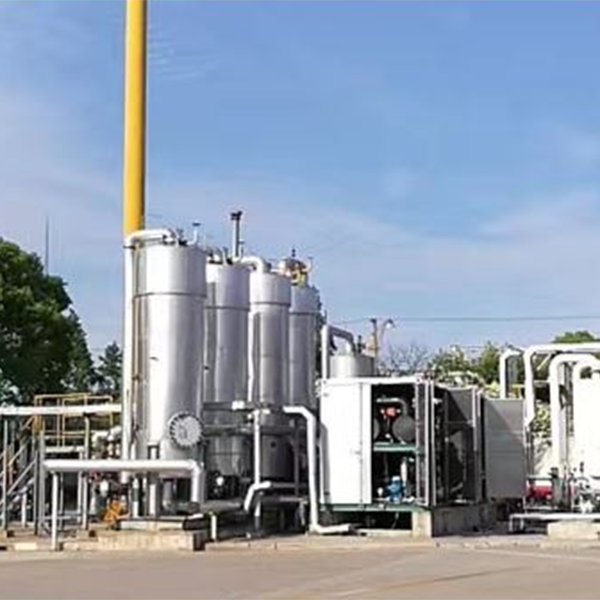 VOC tail gas disposal
 -
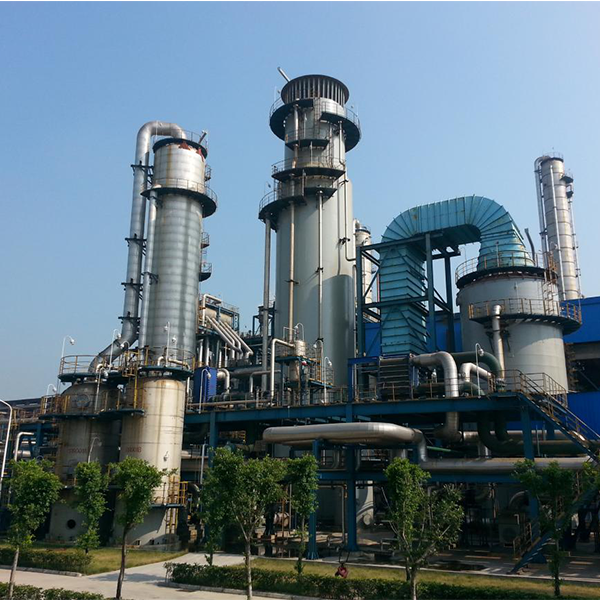 MEA-MDEA-NHD Desulfurization Technology
 -
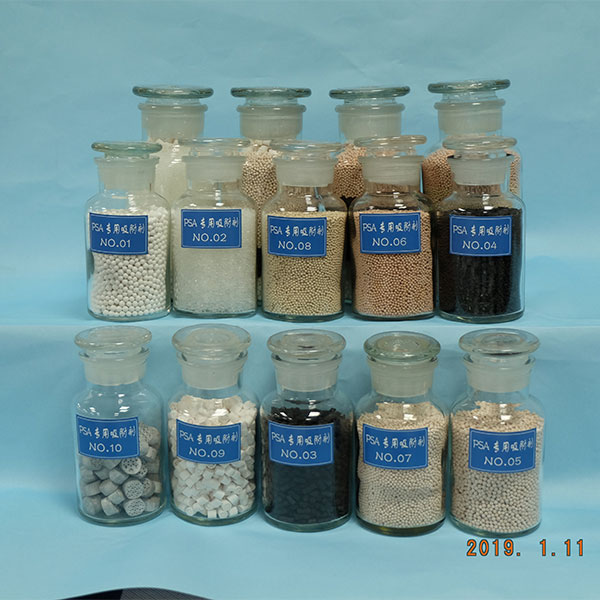 absorbent
 -
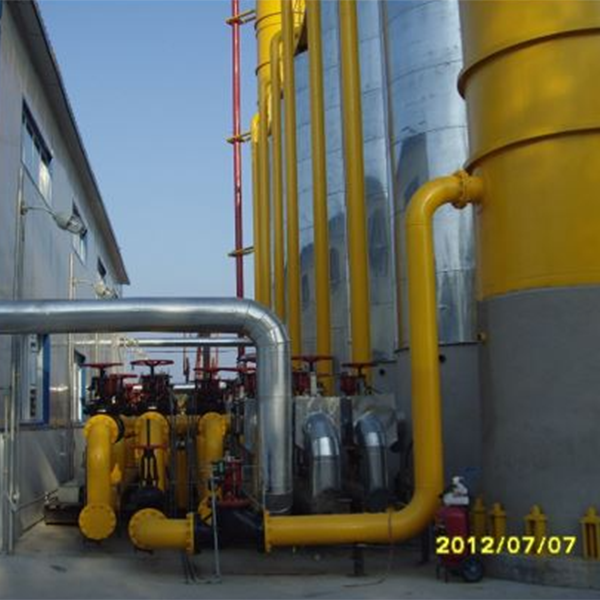 Vinyl chloride recycling technology
 -
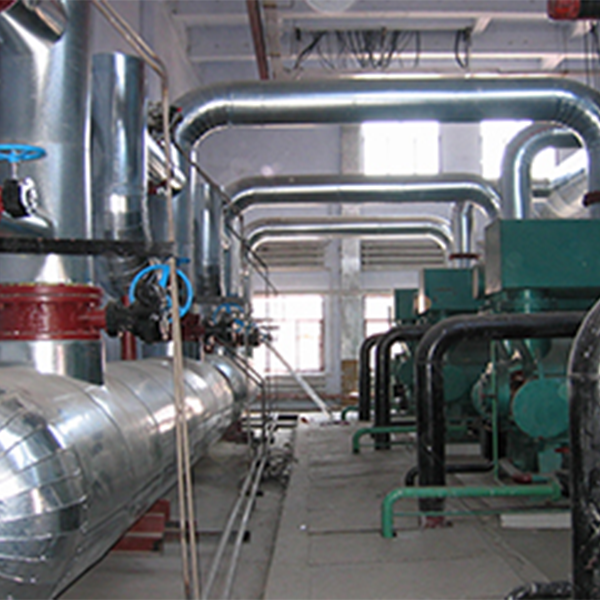 Oxygen production by pressure swing adsorption
 -
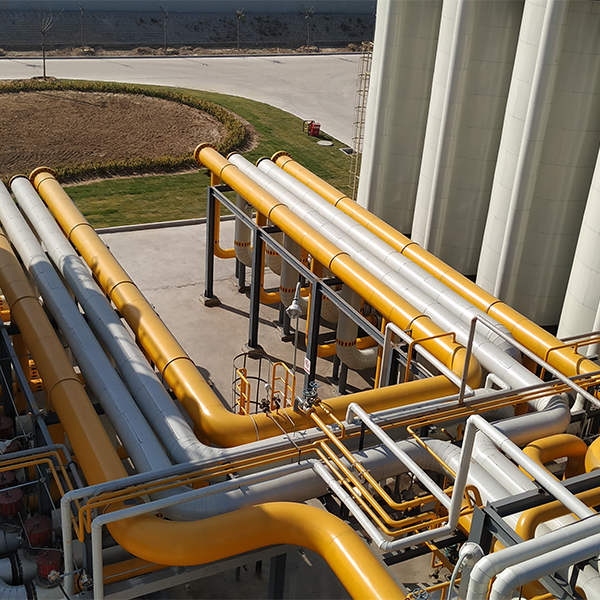 Coke gas purification technology
Relatedsearch
Related Search- China liquefied natural gas plant construction Manufacturers
- China crankcase valve products
- China CO2 Desulfurization and Removal Technology by NHD Method Factory
- China construction of liquefied natural gas plant products
- China Mycotoxin Adsorbent Supplier
- China Crankcase Valve Supplier
- adsorbents drugs list supplier
- gas adsorbent in China
- China adsorbents examples Manufacturers
- adsorbent tablets wholesale