

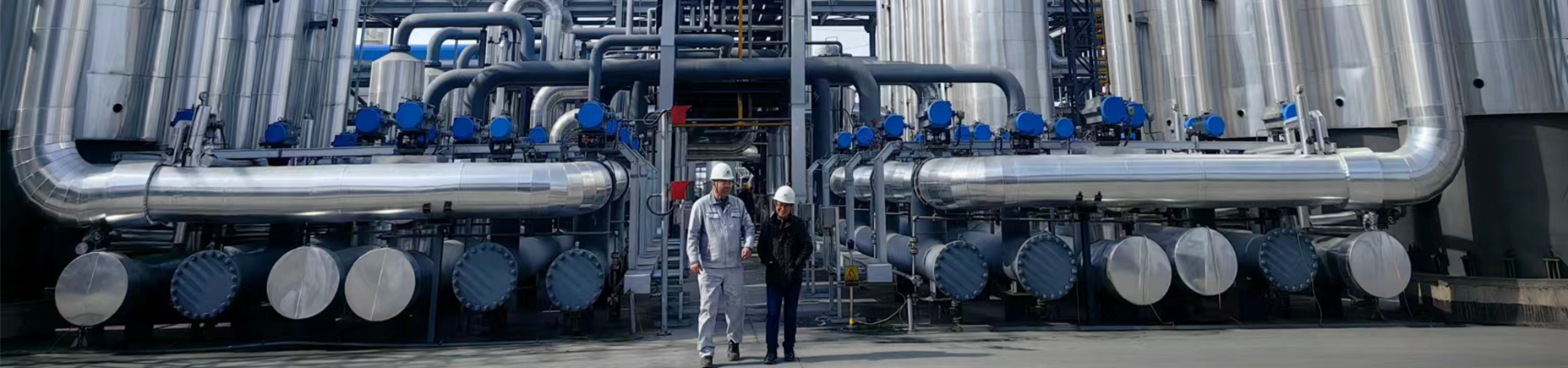
catalyst adsorbent
Catalyst-adsorbent: dual role in chemical processes
An adsorbent catalyst is a material that combines two important functions: catalysis and adsorption. Imagine a kind of ?universal assistant? in chemical reactions. It not only accelerates reactions (catalyzes), but also promotes the accumulation of substances on its surface (adsorbs). This dual property makes it indispensable in various fields, from drug production to air purification.
How a catalyst speeds up reactions
Catalysts, like skilled chemists, help reactions happen faster without participating in them themselves. They create special conditions for the reagents, for example, lowering the temperature or changing the structure, facilitating the interaction between molecules. Thanks to this, substances quickly turn into reaction products. In the case of an adsorbent catalyst, the reactants are first adsorbed on the surface of the material. It's like gathering all the reaction participants in one place, which increases the likelihood of a collision and speeds up the process.
Adsorption: retention and purification
Adsorption is a process in which substances accumulate on the surface of another substance. The adsorbent catalyst, being a porous material, has a large surface area, which allows it to retain a large number of other substances. This ability makes it an excellent cleaner. For example, in air purification systems, the catalyst-adsorbent retains harmful substances, preventing them from entering the environment. It seems to suck harmful gases into its pores, preventing them from spreading.
Application in various fields
The adsorbent catalyst has found wide application in the automotive industry (catalytic converters of exhaust gases), in the chemical industry (production of various substances), as well as in environmental technologies (water and air purification). This is only a small part of the capabilities of this material. Its unique properties make it promising for many modern problems related to chemical processes and environmental safety. Research in this area continues and we can expect even more effective and innovative solutions based on catalyst-adsorbent technology.
Correspondingproducts
Related Products
Best Sellingproducts
Best Selling Products-
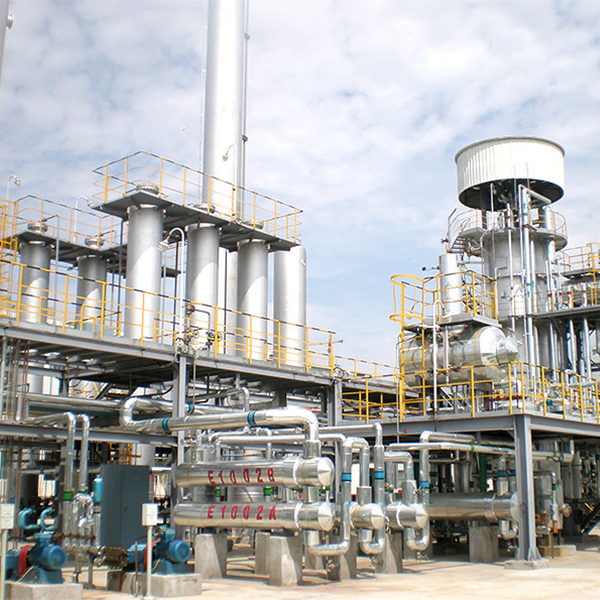 Hydrogen production by conversion of light hydrocarbons with steam
 -
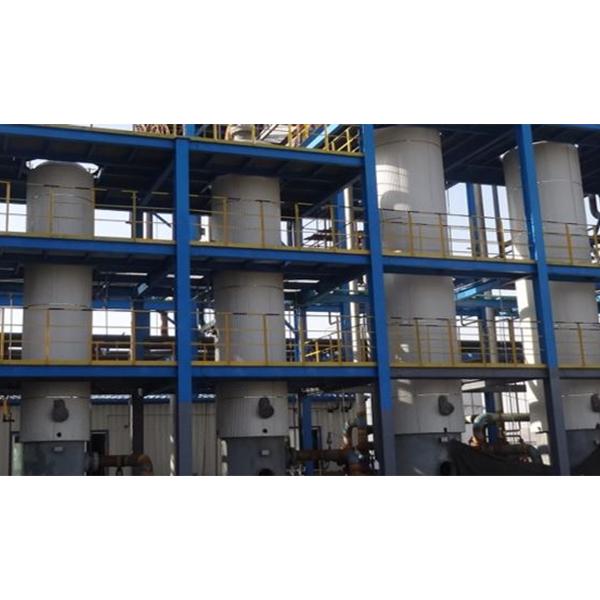 Coal gas organic sulfur fine removal technology
 -
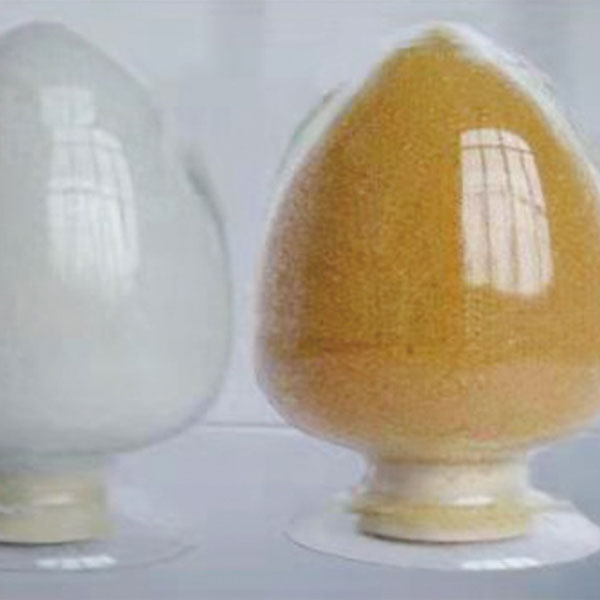 Unit desalting and demineralization equipment and special resin
 -
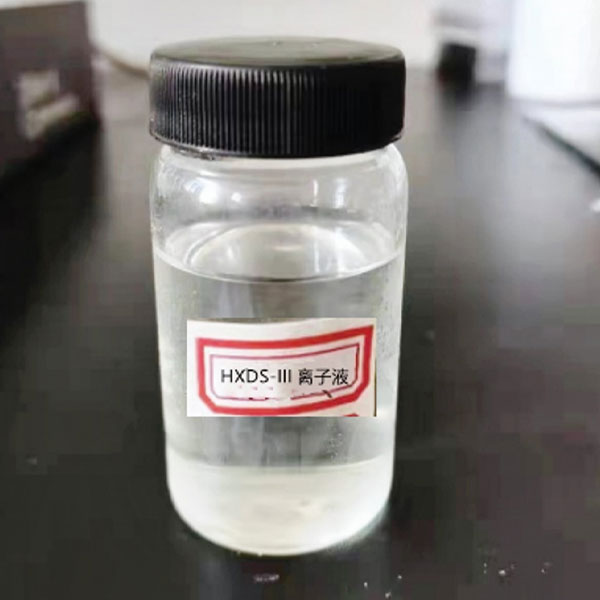 Ionic liquid desulfurizer
 -
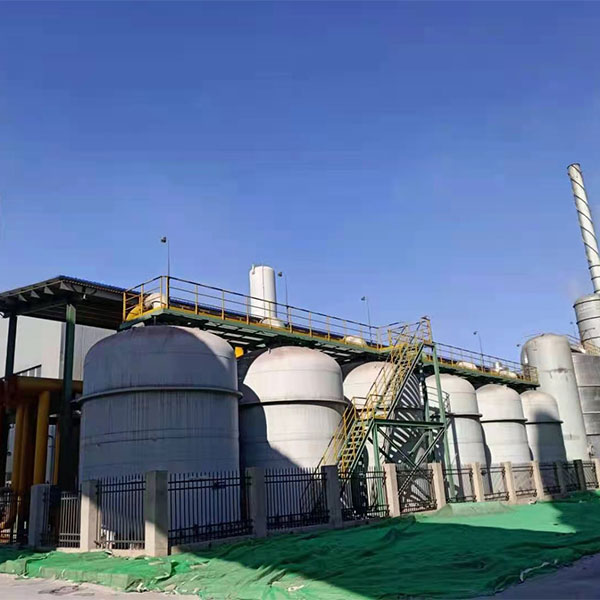 CO2 removal by pressure swing adsorption
 -
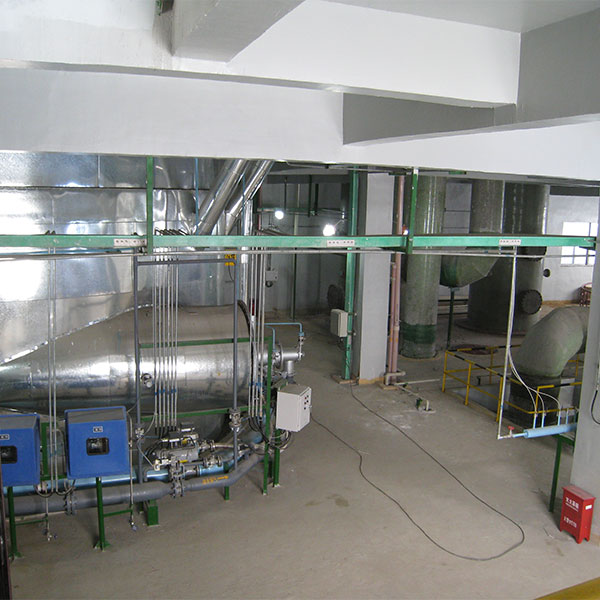 Special acid regeneration equipment
 -
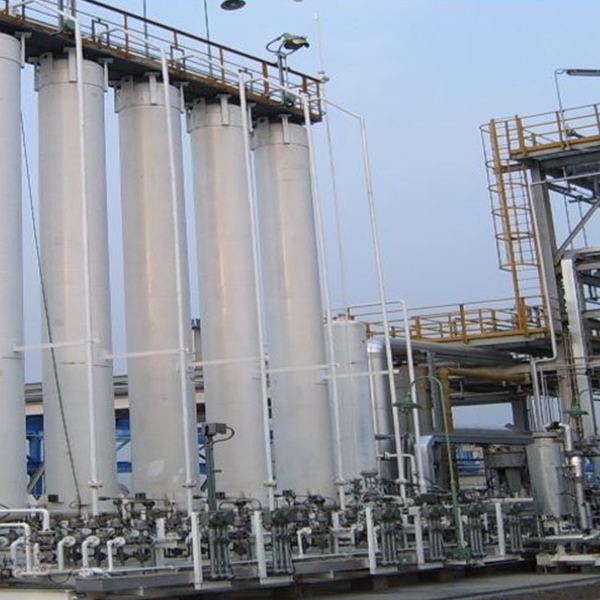 Argon purification
 -
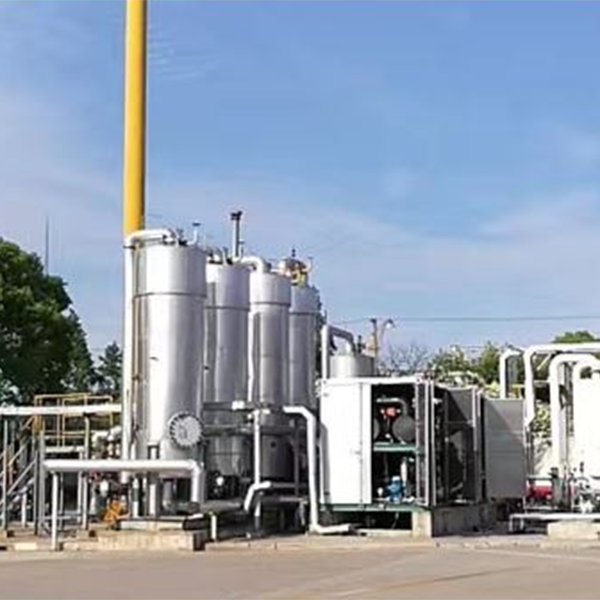 VOC tail gas disposal
 -
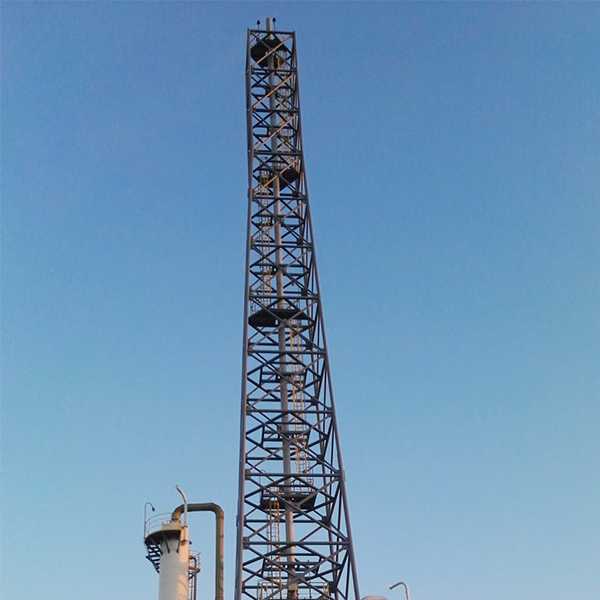 Technology of desulfurization and CO2 removal using NHD method
 -
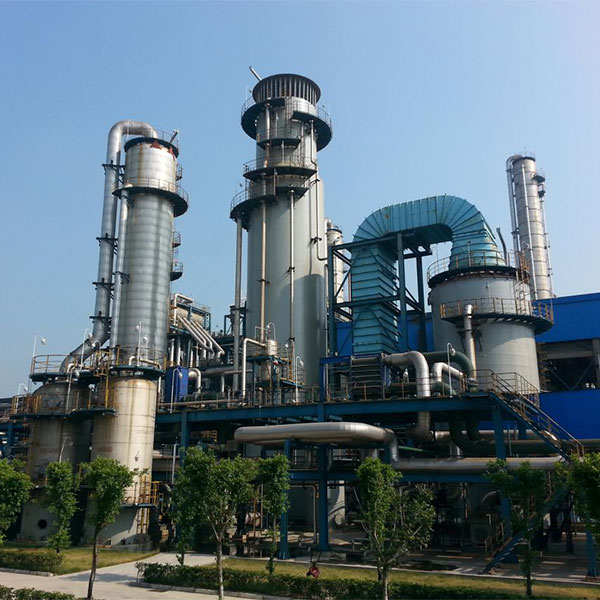 Wet CO2 removal technology
 -
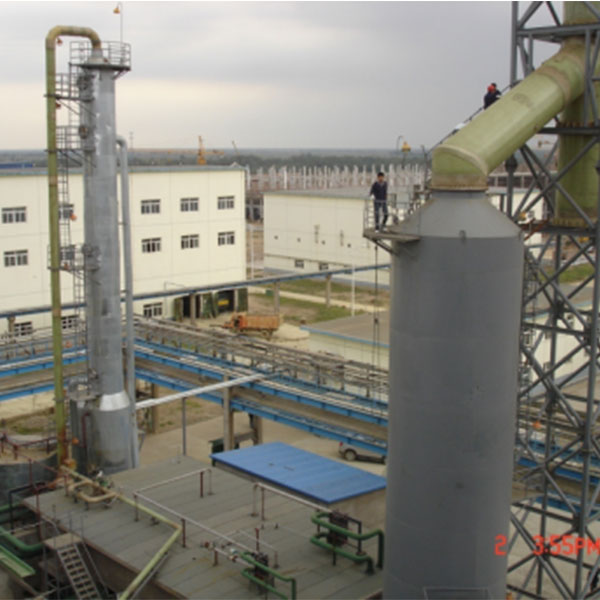 Ionic liquid desulfurization technology
 -
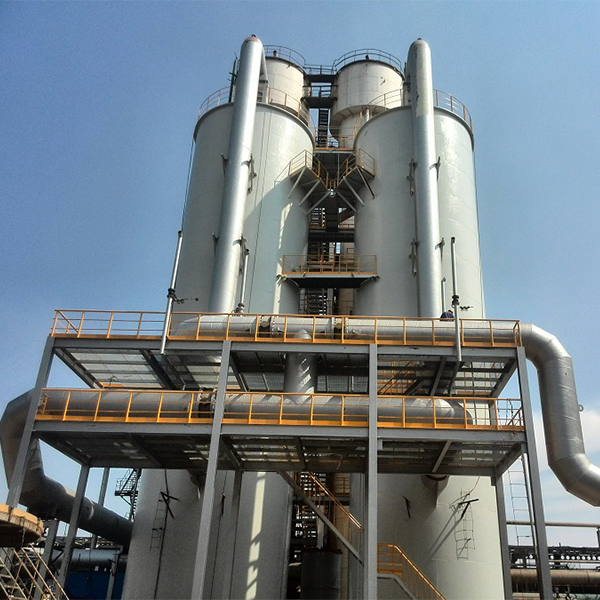 Desulfurization technology using the redox wet method
Relatedsearch
Related Search- China adsorbent gas plants
- China Ionic Liquid Desulfurizer Exporter
- China adsorbents drugs price
- China natural gas liquefaction unit plants
- China Adsorbents List Manufacturers
- Wet CO2 removal technology
- ventilation valve
- China Wet Method CO2 Removal Technology Manufacturers
- China adsorbents for poisoning price
- China mycotoxin adsorbent Main buyer country