


Coal gas organic sulfur fine removal technology
Coal gas organic sulfur fine removal technology
Coal gas used in energy and other industries often contains organic sulfur. This sulfur poses a serious problem as its presence has a negative impact on the environment and equipment. Sulfur emissions lead to acid rain, degrade air quality and cause metal corrosion. Therefore, purification of coal gas from organic sulfur is an important task for protecting the environment and preserving industrial facilities.
Physico-chemical basis of the process
Removal of organic sulfur from coal gas is based on the principles of chemical processing. Various technologies used for this include absorption, catalytic oxidation and other methods. The essence of most methods comes down to binding sulfur molecules with other substances, turning them into less harmful compounds. This happens on a chemical level when sulfur interacts with reagents, changing its shape.
Various fine removal methods
There are several approaches to the fine removal of organic sulfur from coal gas. One common method is to use absorbents that trap sulfur like a sponge. This allows the sulfur to be separated from the rest of the gas. Another method, catalytic oxidation, uses catalysts to speed up the oxidation of sulfur, converting it into harmless compounds. It is important that these methods can be adapted to specific process conditions, taking into account the type of coal gas and the required level of purification. The choice of method depends on many factors, including cost, efficiency and environmental impact.
Economic and environmental aspects
The use of technologies for fine removal of organic sulfur from coal gas brings double benefits. Firstly, it helps reduce the negative impact on the environment by reducing emissions of harmful substances into the atmosphere. Secondly, such technologies increase the life of equipment by preventing corrosion and other problems associated with the presence of sulfur. However, the choice of a specific technology for sulfur removal depends on economic feasibility, taking into account the cost of reagents, equipment and maintenance costs. Ultimately, the use of these technologies contributes to sustainable development, providing both environmental and economic efficiency.
Correspondingproducts
Related Products
Best Sellingproducts
Best Selling Products-
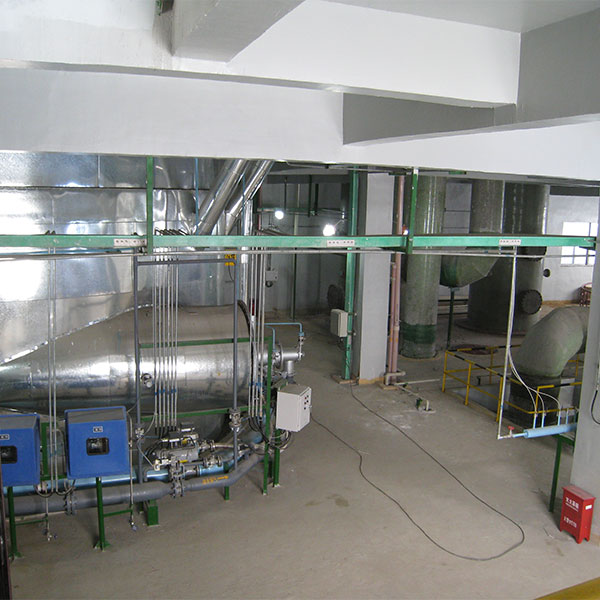 Special acid regeneration equipment
 -
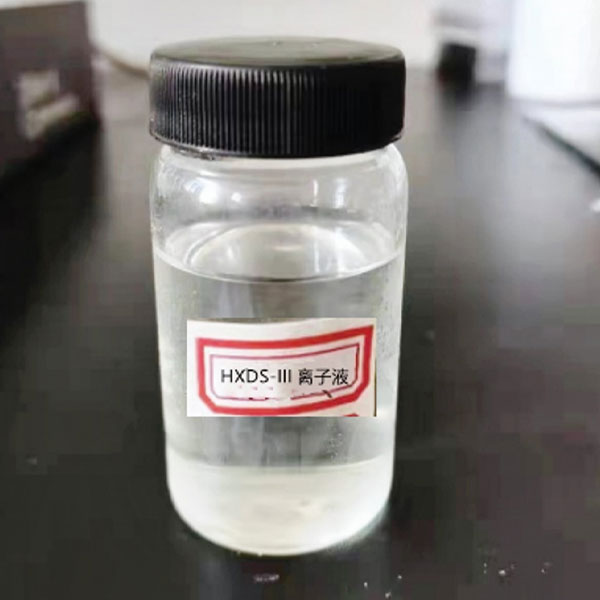 Ionic liquid desulfurizer
 -
 Battery material precursor production technology
 -
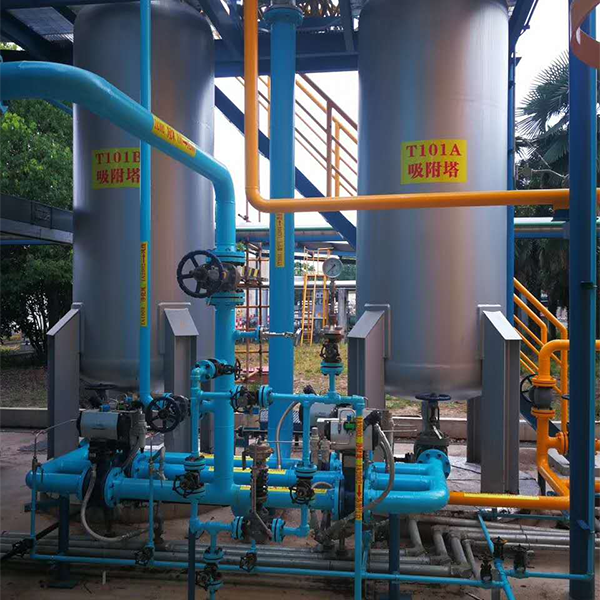 Nitrogen production by pressure swing adsorption
 -
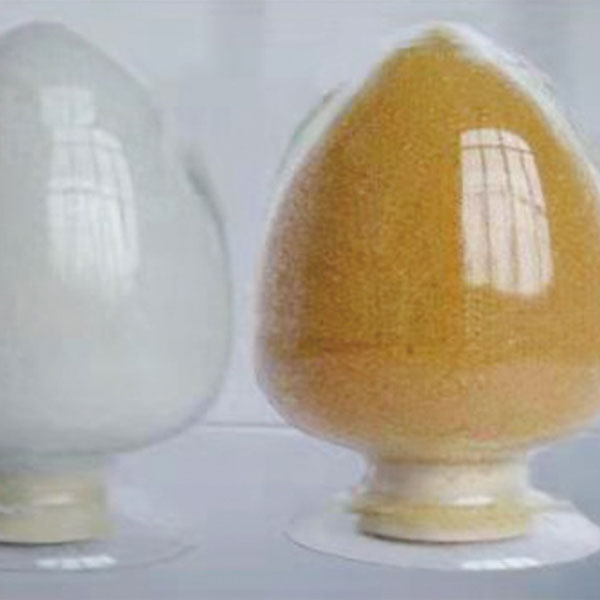 Unit desalting and demineralization equipment and special resin
 -
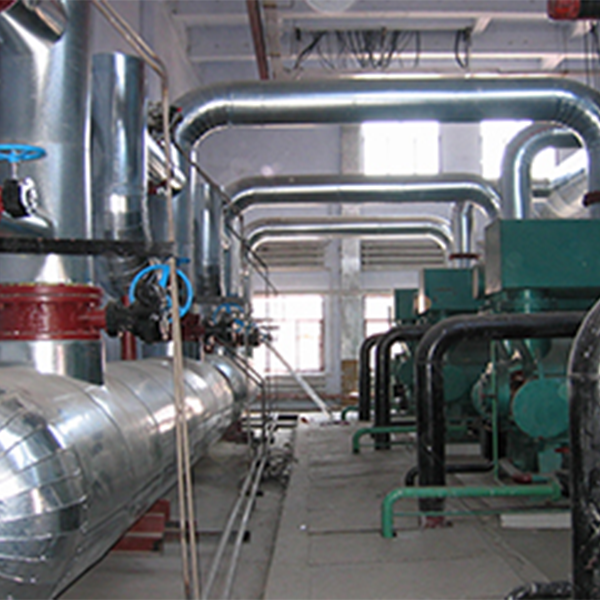 Oxygen production by pressure swing adsorption
 -
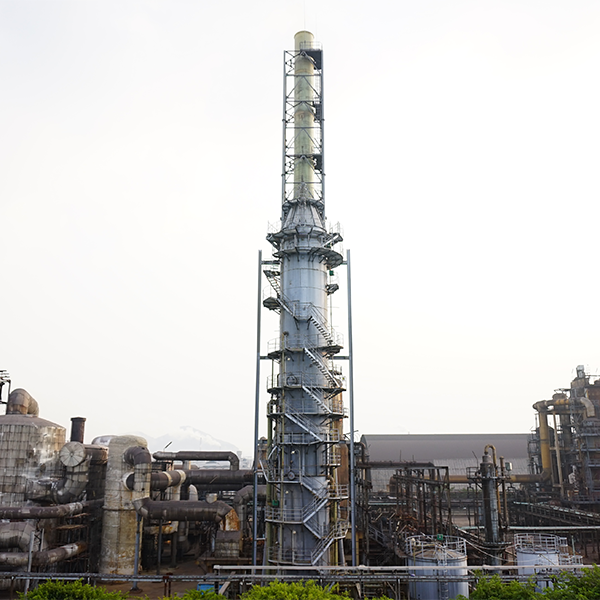 Flue gas desulfurization technology using ammonia
 -
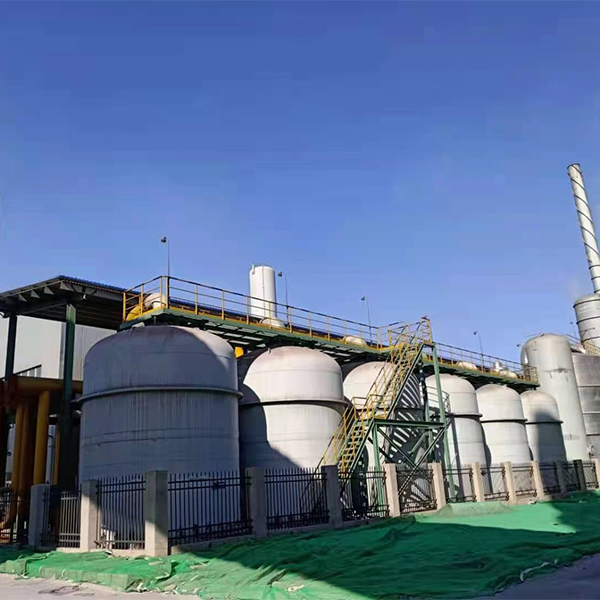 Oxygen purification and utilization
 -
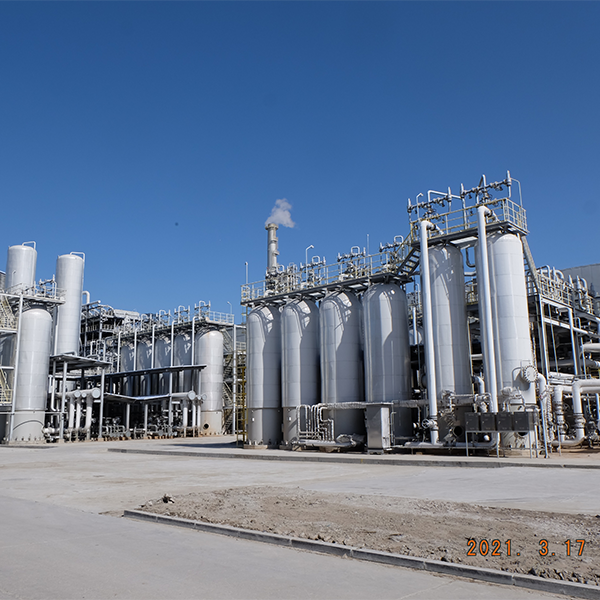 Hydrogen production from coke oven gases
 -
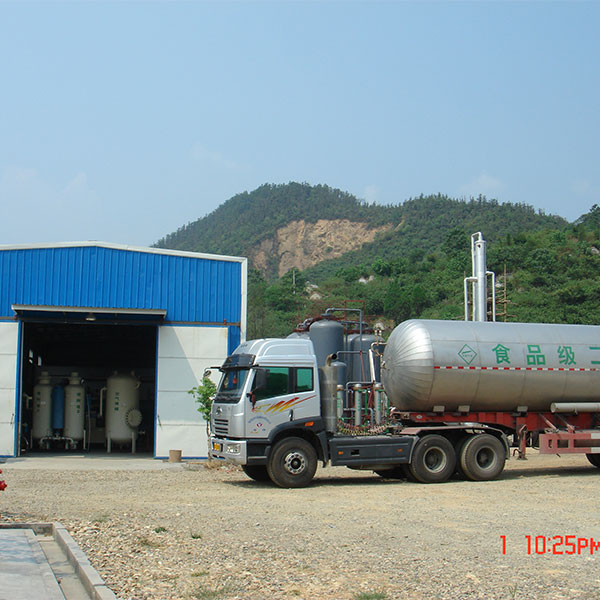 Food grade CO2 purified
 -
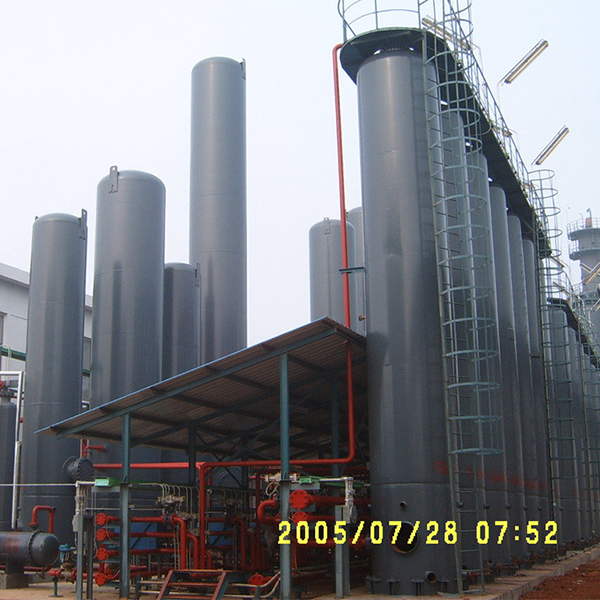 CO removal by pressure swing adsorption
 -
 MPS decarbonization technology
Relatedsearch
Related Search- China coal adsorbent product
- Hydrogen purification technology by adsorption at variable pressure wholesale
- China adsorbent application factories
- China check valve price
- China Adsorbent factories
- name of adsorbents
- natural gas liquefaction equipment
- Technology for extracting methane from biogas
- China Activated Carbon Adsorbents Manufacturers
- China adsorbents for poisoning Manufacturers