

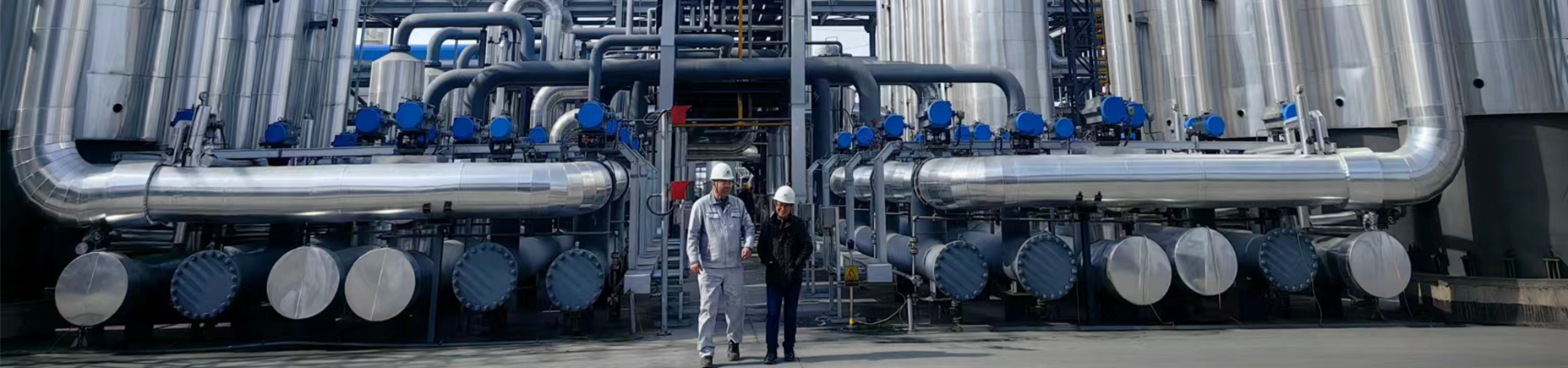
natural adsorbent
Natural adsorbent
Natural adsorbents are materials that, like small sponges, are able to absorb various substances from the environment. Imagine that you spilled something unpleasant - paint, for example. You can use a sponge to soak it up, right? Natural adsorbents work in much the same way, only on an environmental scale, absorbing harmful substances.
What substances do they absorb?
These can be various gases, liquids and even some solids. For example, activated carbon, which is obtained from wood or other plant materials, effectively absorbs odors and harmful substances. Other natural adsorbents such as peat or zeolites (minerals of volcanic origin) also demonstrate excellent adsorption properties. They can purify water, purify air, and even help cleanse soil of pollutants. An important point is that absorption occurs not just on the surface, but due to the special structure of the material.
Where are they used?
Natural adsorbents are used very widely. In everyday life, this could be the use of activated carbon to purify water in a filter, or remove unpleasant odors. In industry - for cleaning production waste, purifying emissions into the atmosphere. In agriculture, to reduce soil pollution. These materials are especially important in areas where there are problems with environmental pollution. We can talk about ecosystem restoration. For example, using peat to purify water from heavy metals. They are like lifeguards fighting pollution.
Advantages of natural adsorbents
In addition to efficiency, natural adsorbents have several other advantages. They are often available and relatively inexpensive to produce. Another plus is their biodegradability. After the adsorbent has completed its task, it does not leave behind harmful waste, which is very important for the environment. Gradually returning to the cycle of nature. Therefore, their use is an environmentally responsible approach to solving pollution problems. They are reliable helpers in the fight for a clean environment.
Correspondingproducts
Related Products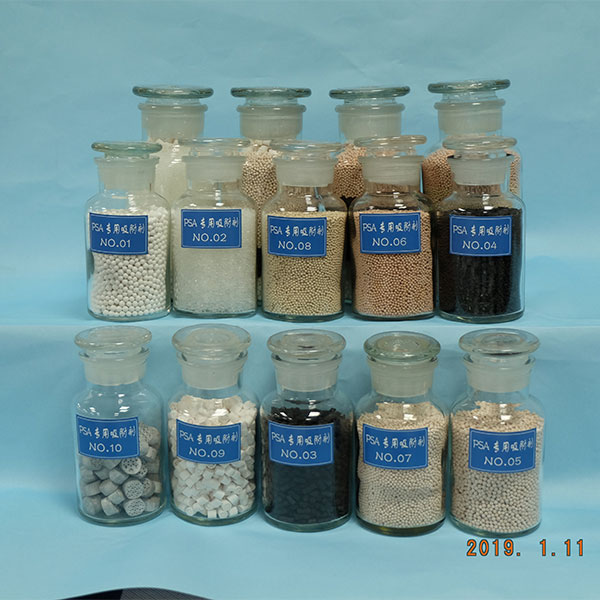
Best Sellingproducts
Best Selling Products-
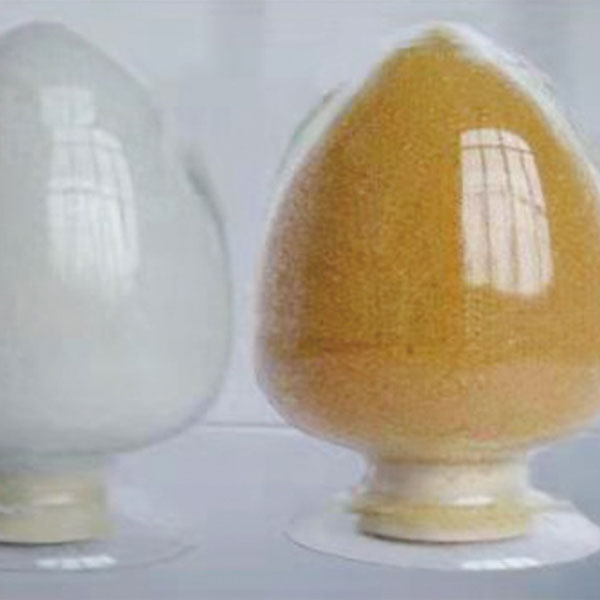 Unit desalting and demineralization equipment and special resin
 -
 MPS decarbonization technology
 -
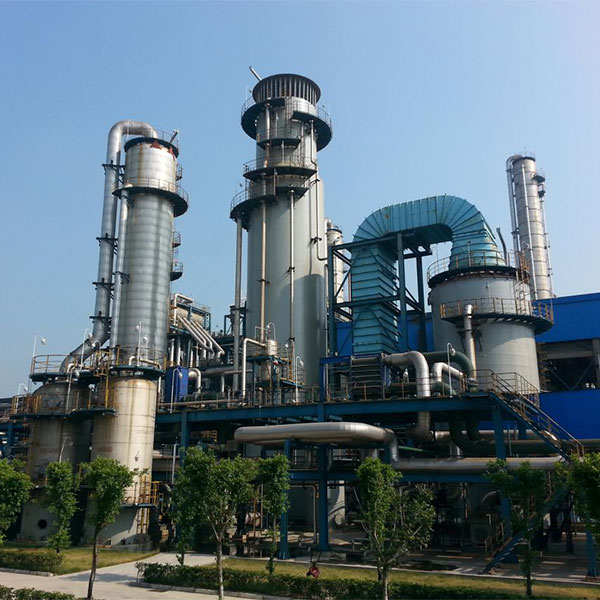 Wet CO2 removal technology
 -
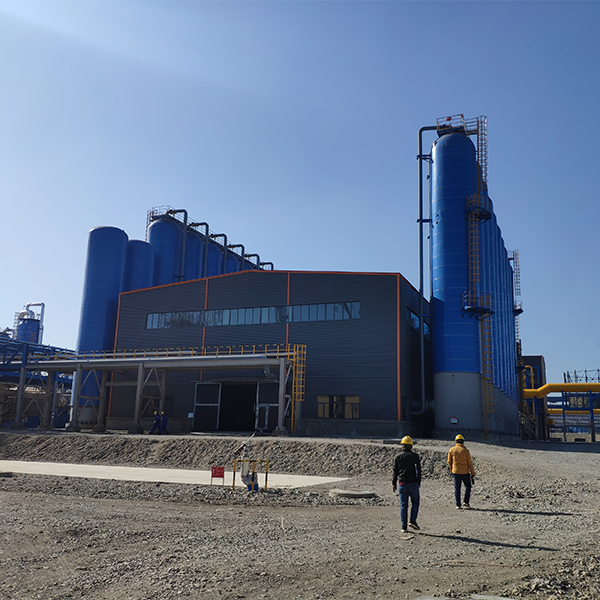 Hydrogen production by coal gasification
 -
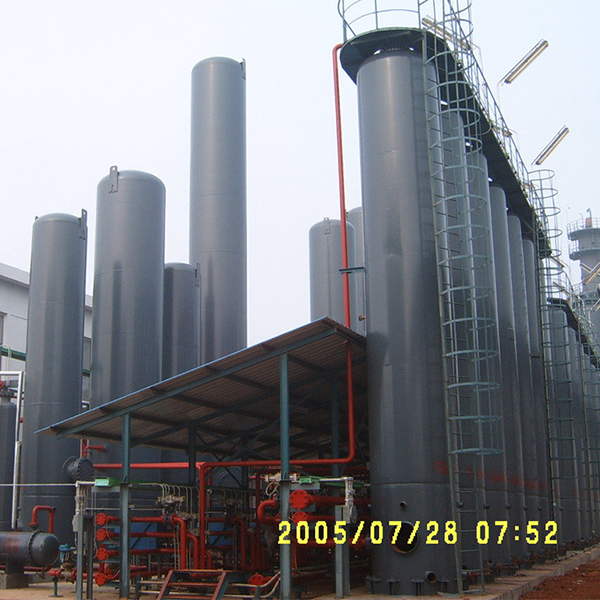 CO removal by pressure swing adsorption
 -
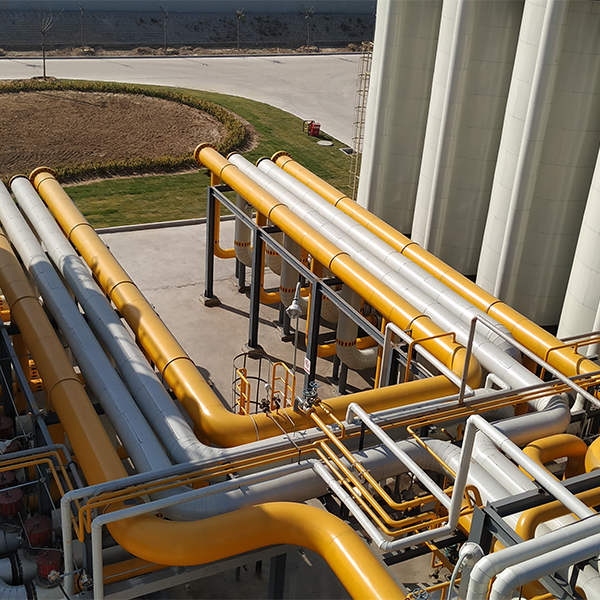 Coke gas purification technology
 -
 Hydrogen purification technology by pressure swing adsorption
 -
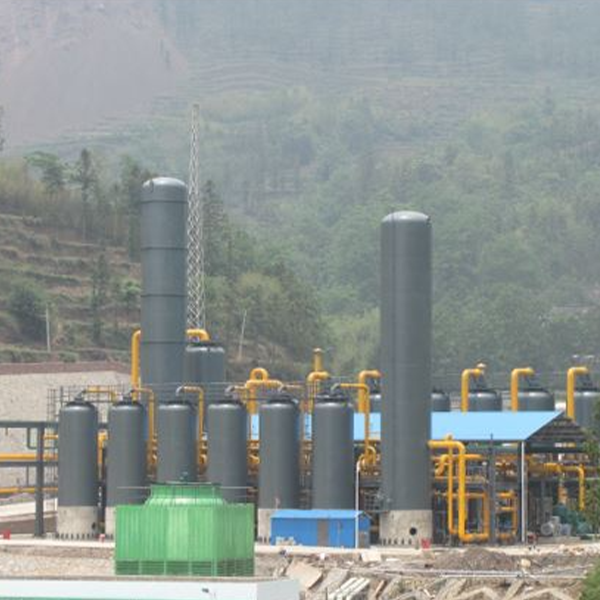 Methane extraction technology - biogas
 -
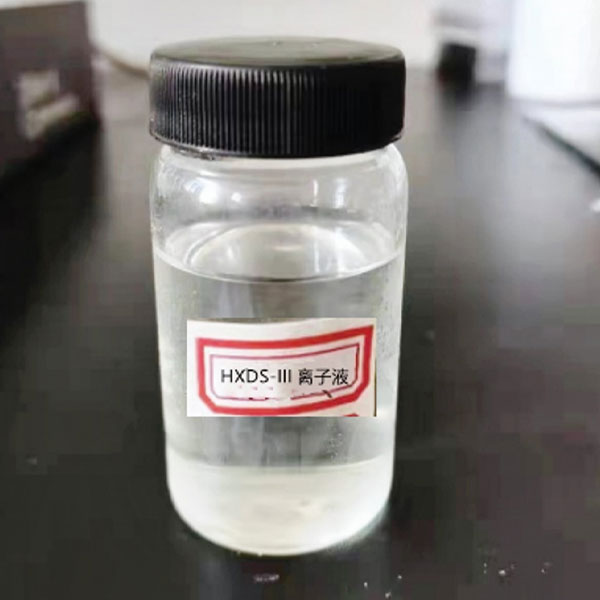 Ionic liquid desulfurizer
 -
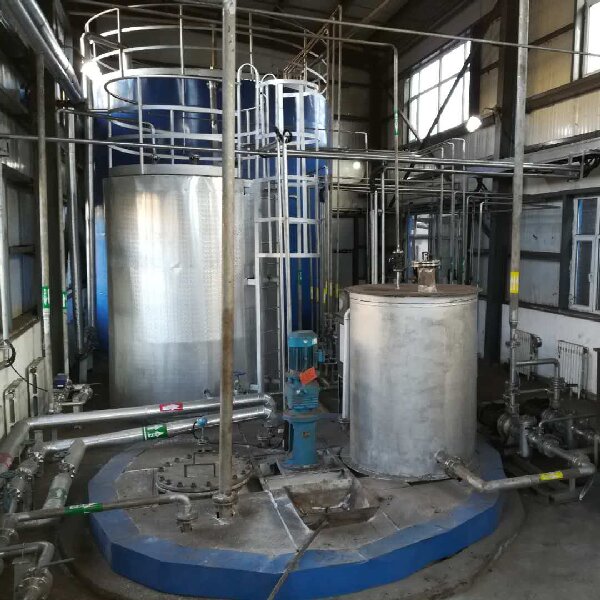 Flue gas denitrification SCR、SNC
 -
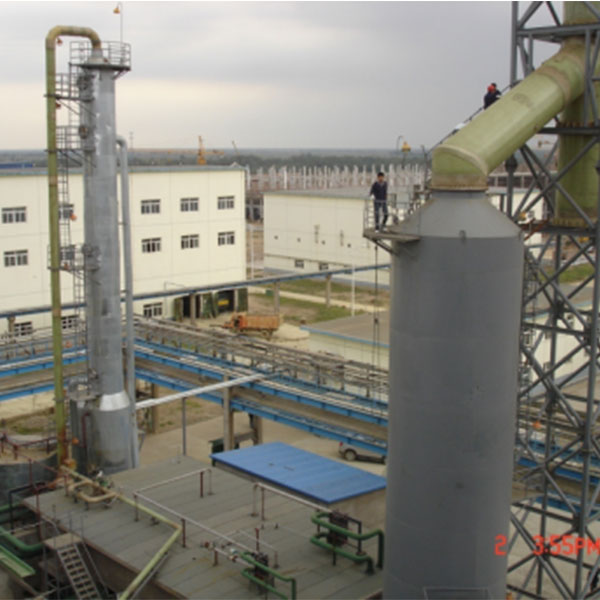 Ionic liquid desulfurization technology
 -
 Technology of desulfurization and CO2 removal using NHD method
Relatedsearch
Related Search- China Adsorbent Supplier
- argon cleaning furnace MP2000 sircal instruments
- China Russian liquefied natural gas technology Main buyer country
- China substance adsorbent Manufacturer
- adsorbent buy factory
- Nitrogen production by pressure swing adsorption
- China Renault valves factories
- safety valve
- China Redox Wet Desulfurization Technology Suppliers
- China adsorbents drugs products list